Product

Software

Resources

Company

InBody Blog

InBody Blog

Join our mailing list. We never spam.

InBody Blog

InBody Blog

Join our mailing list. We never spam.

InBody Blog

InBody Blog

Join our mailing list. We never spam.

All

InBody Blog

Articles

Woman leading yoga class in studio with students on pink mats

Health

Oct 14, 2025

Body Composition and Breast Cancer: Why Your Muscle-to-Fat Ratio Matters

When it comes to assessing your health, the number on the scaleโ€”or even your BMIโ€”only tells part of the story. Body composition (the amount of body fat vs. muscle you have) offers a far more accurate picture of your overall health and disease risk. 

Research shows that excess fat, particularly in the abdomen, can increase the likelihood of breast cancer. A meta-analysis in Frontiers in Nutrition of nearly 8 million women found that central obesityโ€”measured by waist circumference or waist-to-hip ratioโ€”was associated with a higher risk of breast cancer in both pre- and postmenopausal women.

Below, weโ€™ll explore the latest research linking body composition to breast cancer risk and practical strategies for optimizing your body composition to support long-term health and cancer prevention.

The Link Between Body Fat and Breast Cancer

Excess body fat is a known risk factor for breast cancer, especially for postmenopausal women. In fact, a meta-analysis in the British Journal of Cancer found that every 5% increase in body fat was linked to about a 15% higher risk of postmenopausal breast cancer. Researchers have identified three main contributing factors.

Inflammation

Fat tissue, particularly around the midsection (referred to as visceral fat), produces chemicals called cytokines that can cause low-level, chronic inflammation. This persistent inflammation can damage healthy cells, creating an environment that promotes the growth and survival of cancer cells, according to a review in the International Journal of Molecular Sciences.

Insulin Resistance

Being overweight or obese can also lead to insulin resistance. When the body becomes resistant to insulin, it compensates by producing more. High insulin levels can stimulate the growth of breast cancer cells and inhibit their natural death, promoting tumor development, according to research in the Journal of Clinical Oncology.

Hormonal Imbalance

Fat tissue can produce estrogen, a hormone that, when elevated, is linked to an increased risk of hormone-receptor-positive breast cancers, according to an article in Scientific Reports. This is particularly true for postmenopausal people, where fat tissue becomes the primary source of estrogen.

Muscle Mass and Breast Cancer Risk

While much attention is given to excess body fat, maintaining healthy muscle mass is equally important in reducing breast cancer risk and improving outcomes for those diagnosed. A study in Discover Oncology found that women with non-metastatic breast cancer and low muscle mass, a condition known as sarcopenia, had a significantly lower survival rate compared to those with normal muscle mass.

Additionally, low muscle mass is linked to higher levels of inflammation, which, in individuals with cancer, can speed up muscle loss and negatively impact health outcomes. On the other hand, having more muscle can help counteract inflammation caused by factors like excess body fat. 

Incorporating regular strength training exercises, such as weightlifting or resistance band workouts, can help build and maintain muscle mass. These exercises not only build physical strength but also support metabolic health and improve overall quality of life.

How Body Composition Can Guide Prevention

A Person Standing on a Weighing Scale

Monitoring your body composition is a powerful tool for assessing breast cancer risk and guiding prevention strategies. Unlike weight or BMI, which can be misleading, body composition provides a clear picture of where fat is stored and how much muscle you have, both of which influence your risk.

By establishing a baseline through a body composition scan, which you can do with an InBody body composition scale, you can track changes over time and see how lifestyle choicesโ€”like diet, exercise, and strength trainingโ€”are affecting your fat and muscle levels. Regular assessments allow you to detect unhealthy trends early, adjust your exercise routine, or refine your nutrition plan to maintain a healthier balance of fat and muscle.

You can also track your waist circumference, which is measured at the navel after exhaling. For many women, a goal is less than 35 inches (88 cm).

Tracking these metrics is particularly valuable for postmenopausal people, who are at higher risk for fat-related breast cancer. Maintaining or increasing lean mass (muscle) while reducing fat mass can help lower inflammation, balance hormones, and reduce overall cancer risk.

Strategies for Healthy Body Composition
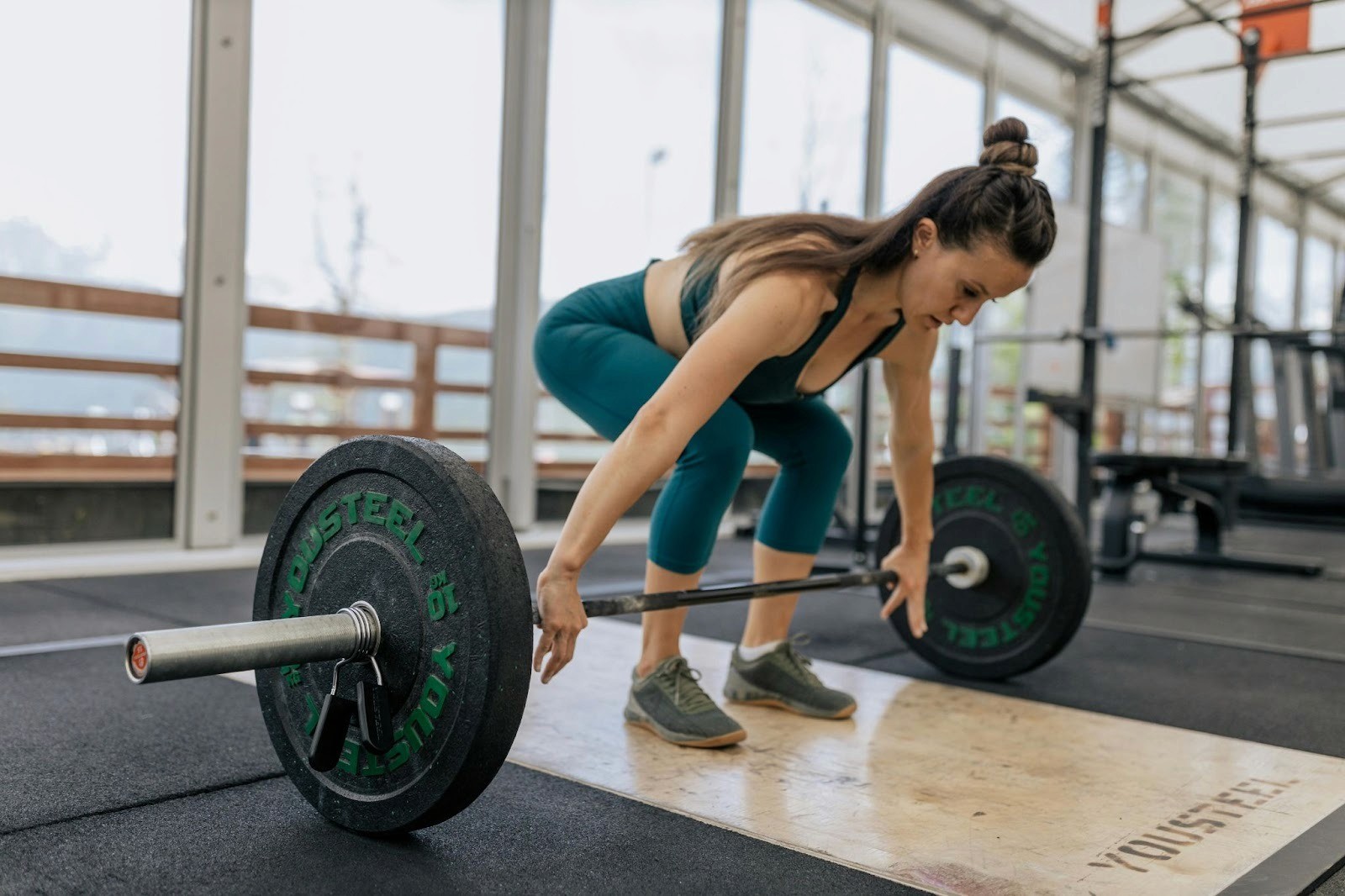
A Woman About to Carry a Barbell

By combining smart nutrition, consistent exercise, and healthy lifestyle habits, you can optimize your body composition, support your immune system, and take meaningful steps toward reducing your breast cancer risk.

In an analysis of about 180,000 women followed for many years, those who lost weight and kept it off had a lower subsequent risk of breast cancer than women whose weight stayed stable, with larger losses generally linked to larger risk reductions, according to the Journal of the National Cancer Institute.

Eat an Anti-Inflammatory Diet

Focus on eating nutrient-rich, anti-inflammatory foods such as fruits, vegetables, whole grains, and healthy fats like olive oil, nuts, and fatty fish. These foods help reduce chronic inflammation, support hormonal balance, and provide essential nutrients for overall health. 

At the same time, limit alcohol, sugary drinks, and highly processed foods, which can contribute to fat accumulation and inflammation, both linked to higher breast cancer risk.

Strength Train Regularly

A combination of resistance training and aerobic exercise is key to optimizing body composition. Resistance training builds and preserves muscle mass, which can help regulate hormones and counteract inflammation. Aerobic exercise, such as running, brisk walking, or cycling, helps reduce excess fat and improve cardiovascular health.

Aim to do at least two full-body strength-training workouts a week, as well as at least 150 minutes of moderate-intensity or 75 minutes of vigorous-intensity aerobic activity per week, according to the Physical Activity Guidelines for Americans.

Get Adequate Sleep and Manage Stress

Adequate sleep and effective stress management are often overlooked but crucial components of a healthy body composition. Poor sleep and chronic stress can disrupt hormone regulation, increase inflammation, and contribute to fat gain, all of which can raise cancer risk. 

Aim for seven to nine hours of quality sleep per night and incorporate stress-reduction practices like mindfulness, meditation, yoga, or light outdoor activity.


Determined Woman in Muddy Obstacle Race

InBody Blog

Sep 23, 2025

How to Prep for Your Next Fitness Challenge

Tackling a fitness challenge, whether itโ€™s a marathon, a HYROX competition, or an obstacle course race, takes more than sheer determination; it requires smart preparation. From designing your training and nutrition plan to building mental resilience, the right prep can make the difference between struggling through the event and crushing it with confidence.

Hereโ€™s how to get ready for your next fitness challenge, step by step.

1. Choose the Right Fitness Challenge

The first step is choosing a challenge that aligns with your fitness level, goals, and interests. Popular options include:

  • Running-based challenges like 5Ks, 10Ks, and half or full marathons. These events test endurance, pacing, and mental stamina.

  • Functional fitness challenges such as HYROX competitions, CrossFit events, or obstacle course races. These tests combine strength, speed, endurance, and agility.

When selecting your challenge, consider your motivation: Why do you want to do this? Are you aiming to push your endurance, build functional strength, or simply have fun while testing your limits? Knowing your โ€œwhyโ€ will help you stay focused through the ups and downs of training.

2. Establish Your Baseline With Body Composition Analysis

Before you jump into intense workouts, itโ€™s important to know where youโ€™re starting. Tracking your body composition provides a clear picture of how your fat and muscle mass change as you train. 

One of the easiest ways to do this is by hopping on a body composition scale each week. In addition to weight, these scales measure body fat percentage and muscle mass, giving you a better snapshot of how your training is impacting your body.

3. Design Your Training Plan

A Weightlifter Holding a Barbell on His Shoulders

Designing an effective training plan is about combining running and functional fitness to prepare your body for the specific demands of your challenge. Whether youโ€™re tackling a marathon or a HYROX-style functional fitness event, training should be balanced, structured, and tailored to your goals.

For running-focused challenges, incorporate a mix of workouts, including:

  • Interval Training: short bursts of high-intensity running followed by recovery periods to improve speed and cardiovascular capacity

  • Tempo Runs: sustained, moderate-intensity runs that teach your body to maintain a strong pace over distance

  • Long-Distance Endurance Runs: gradually increase mileage to build stamina and mental resilience

For HYROX and other fitness challenges, your training should mimic the movements youโ€™ll face on event day. Include strength-training exercises like:

  • Pushes and Pulls: bench presses, push-ups, rows, and pull-ups

  • Squats and Lunges

  • Carries: farmerโ€™s carries, sandbag carries, and weighted walks

  • Rowing and Sled Pushes

When building out your weekly schedule, balance high-intensity sessions with recovery days. Incorporate mobility work, stretching, and prehab exercises to reduce the risk of injury and improve overall movement quality.

4. Dial in Your Diet

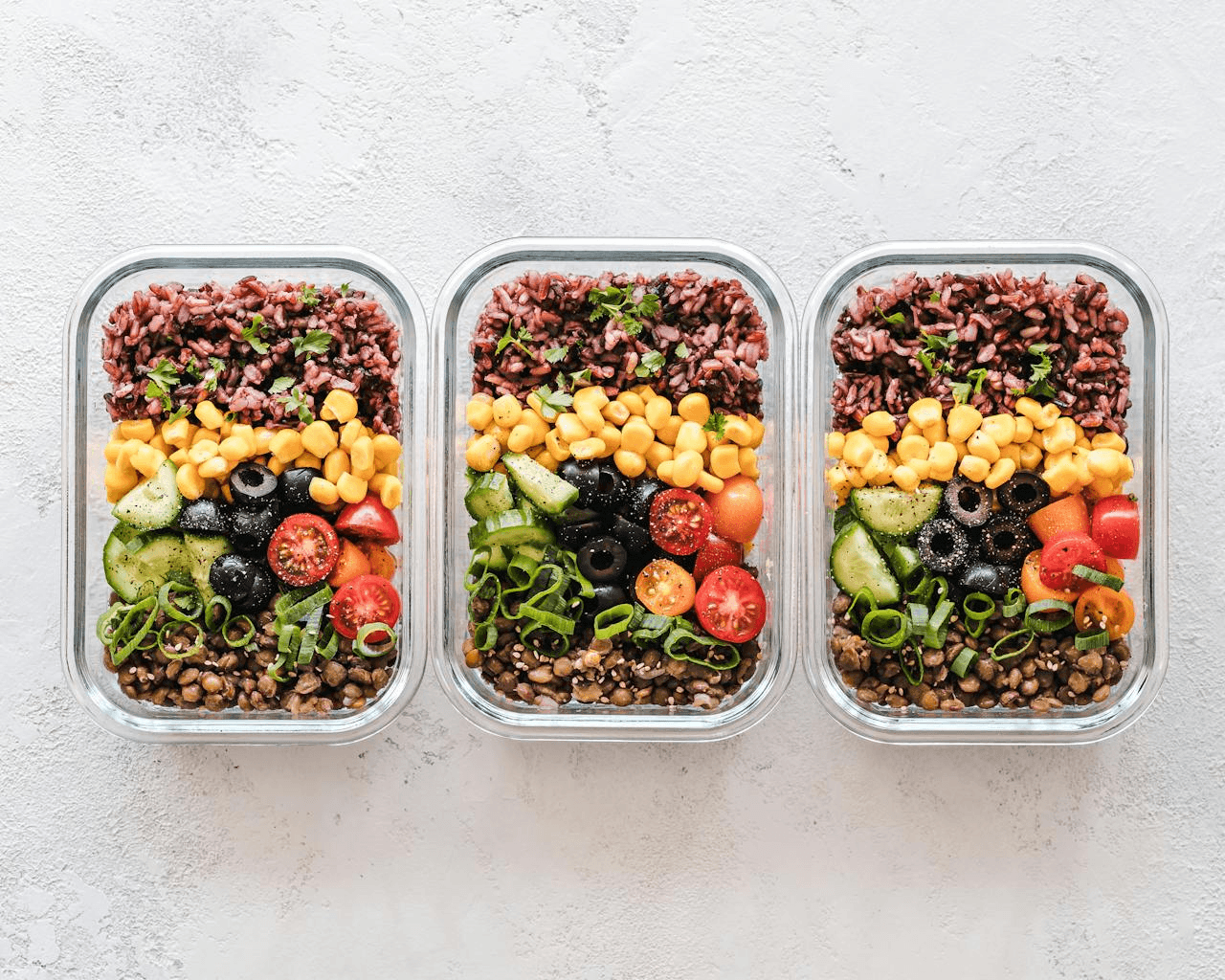
Flat Lay Photography of Three Tray of Foods

Nutrition is just as important as your workouts. Your diet fuels training, aids recovery, and supports performance. 

Aim for a balanced intake of protein, carbohydrates, and healthy fats to support energy, recovery, and muscle repair. A common guideline for active adults is:

  • Protein: 1.1 to 1.7 grams per kilogram of body weight per day to repair and build muscle

  • Carbohydrates: 5 to 7 grams per kilogram of body weight per day to fuel endurance and replenish glycogen stores

  • Fats: approximately 30% of total daily calories for energy and inflammation reduction

Adjust these ratios based on your training intensity and challenge typeโ€”higher carb intake on long run days or heavy functional workouts, and slightly higher protein on strength-focused days.

And donโ€™t forget to stay hydrated throughout training and during the event. A general guideline is to aim for half your body weight in ounces of water per day (e.g., a 150-pound person should drink about 75 ounces daily), and increase intake based on sweat loss, workout intensity, and environmental conditions.

For longer or high-intensity sessions, supplement plain water with electrolytesโ€”sodium, potassium, and magnesiumโ€”to prevent cramping and maintain energy. Additionally, monitor your urine color: pale yellow indicates good hydration, while darker urine signals the need for more fluids.

5. Track Your Progress and Adjust Your Plan

Tracking your progress is essential for making your training as effective as possible. You can see whatโ€™s working, identify areas for improvement, and adjust your plan to keep making gains.

Wearable fitness trackers can monitor heart rate, steps, calories burned, and running metrics like pace and distance. These devices are especially useful for tracking endurance, monitoring intensity during functional workouts, and ensuring youโ€™re hitting your training targets. Many also allow you to track sleep, which is crucial for recovery and performance.

Itโ€™s also helpful to keep a log of your workouts (either handwritten or in an app). Track exercises, sets, reps, weights, and training volume over time to make it easier to spot plateaus or imbalances, adjust intensity, and plan progressive overload.

6. Mental Preparation and Motivation

Preparing for a fitness challenge isnโ€™t just physical; your mind plays a huge role in how well you perform. Mental preparation can help you stay focused, overcome fatigue, and push through difficult moments during training and on challenge day.

One of the most powerful tools for mental preparation is visualization. Spend a few minutes each day imagining yourself completing the challenge successfully. Picture each stage of the event, from the starting line to crossing the finish, and envision how your body moves efficiently through each task. This mental rehearsal can build confidence, reduce anxiety, and prime your body for peak performance.

7. Crush Your Fitness Challenge

Man Winning A Footrace

After weeks of training, the final week before your fitness challenge is all about fine-tuning your preparation, tapering your workouts, and dialing in your nutrition so you can perform at your best.

In the last five to seven days before your event, reduce your training volume while keeping intensity moderate. Shorter workouts, lighter weights, and decreased mileage help your muscles recover and ensure your energy stores are fully replenished. Focus on mobility, stretching, and gentle cardio to stay loose without overtaxing your body.

On challenge day, your mental state can make a huge difference. Use visualization techniques from training, focus on pacing yourself, and celebrate small milestones throughout the event. Music playlists can keep energy high, while cheering sections or training partners provide extra motivation when fatigue sets in. 

Remind yourself why you signed up and the hard work youโ€™ve already put inโ€”confidence and positivity can carry you through the toughest moments. You got this!

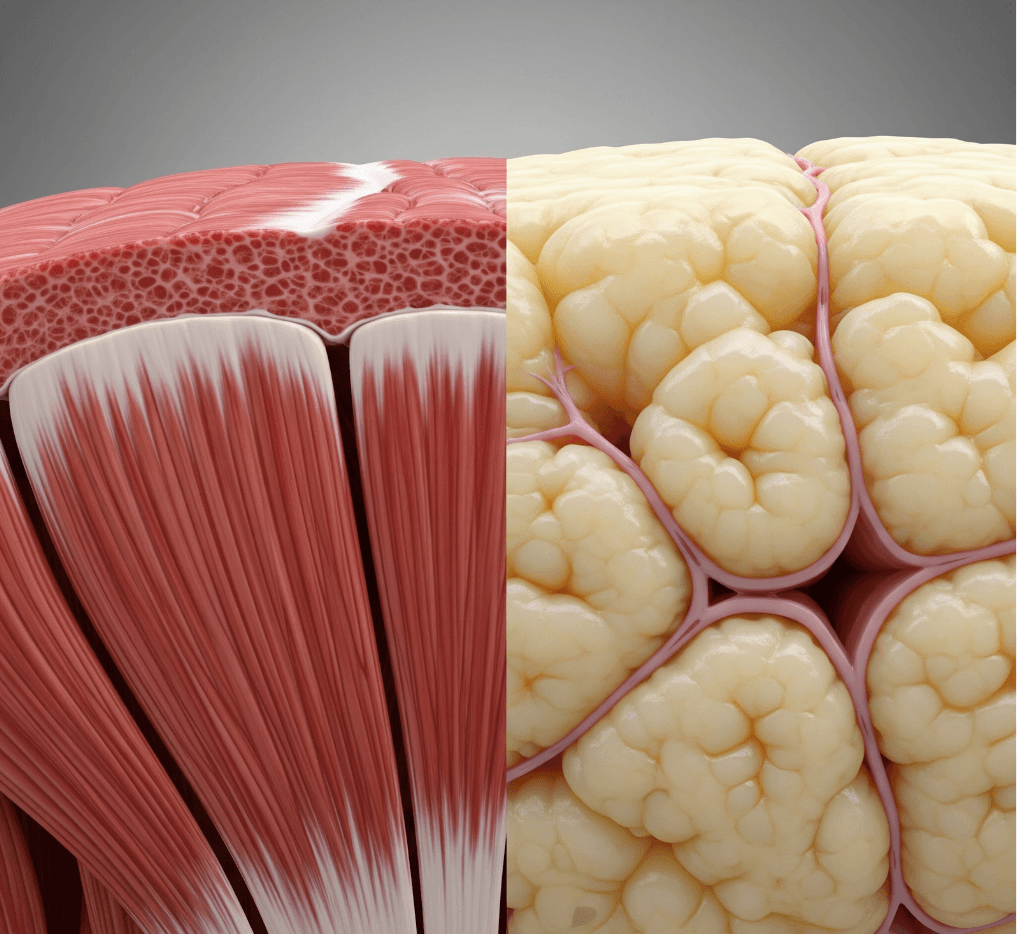
A close-up side-by-side comparison of human muscle tissue (on the left) and human fat tissue (on the right). The muscle tissue is shown in a reddish-pink color with visible fibers, while the fat tissue is depicted as a lumpy, yellowish substance with visible cell structures

InBody Blog

Sep 1, 2025

Muscle vs Fat Weight: Whatโ€™s the Real Difference?

When youโ€™re working toward health or fitness goals, itโ€™s easy to get caught up in the number on the bathroom scale. But that number alone doesnโ€™t tell the full story. It canโ€™t show how much of your weight comes from muscle, fat, water, or bone, and each of those plays a very different role in how your body looks, feels, and functions.

One of the most common questions people ask is, โ€œDoes muscle weigh more than fat?โ€ The answer reveals an important truth about density, not just weight. In this article, weโ€™ll break down the real differences between muscle and fat, explain how they affect your weight and appearance, and show why focusing on body composition gives you a much better picture of your health than the scale ever could.

Does Muscle Weigh More Than Fat?

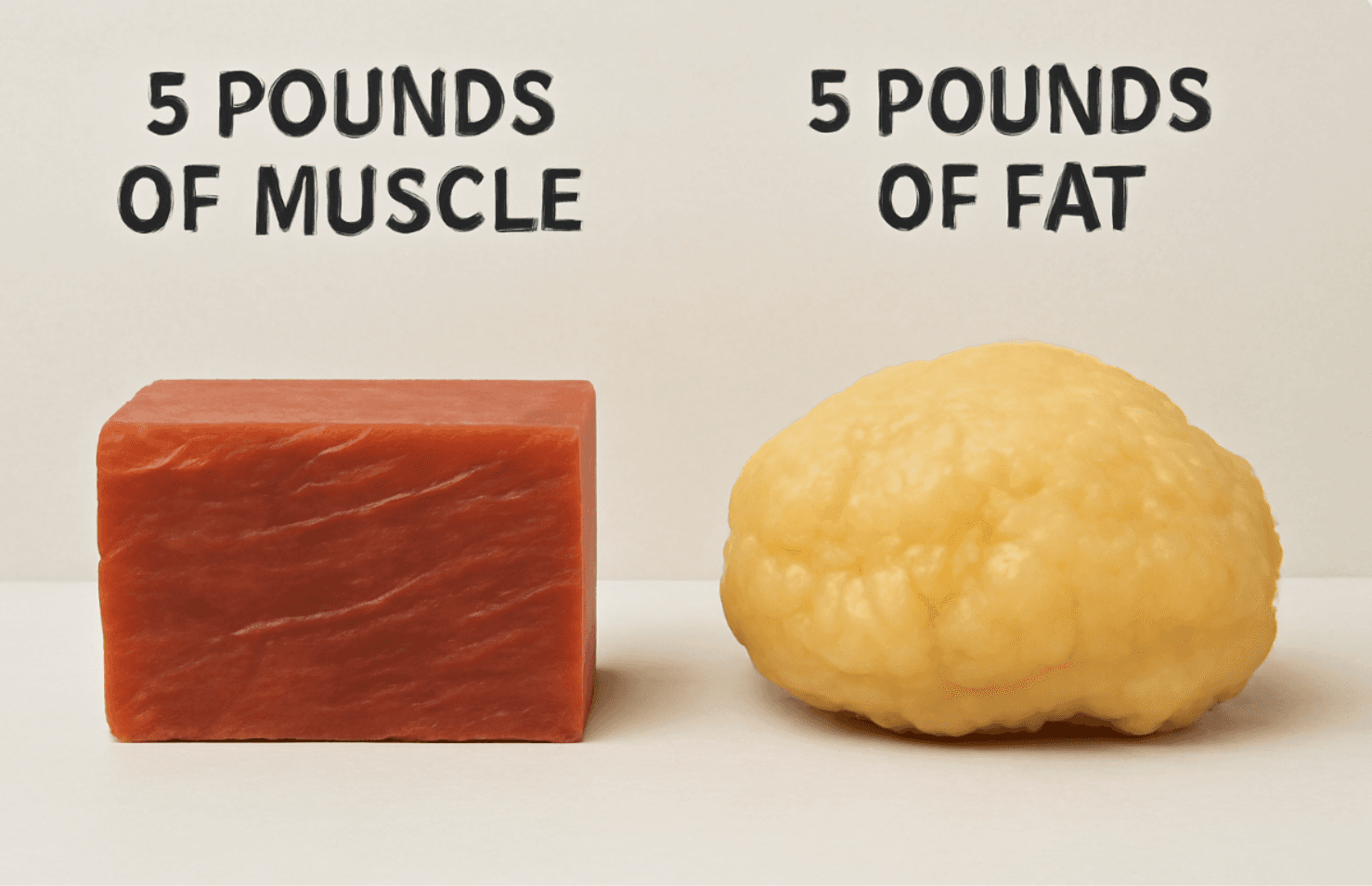
A side-by-side comparison of 5 pounds of muscle tissue (on the left) and 5 pounds of fat tissue (on the right). The muscle is a dense, reddish-brown cube, while the fat is a larger, lumpy, yellowish mass.

Youโ€™ve probably heard the phrase, โ€œmuscle weighs more than fat.โ€ And while thatโ€™s a common belief, itโ€™s not exactly true โ€“ a pound is a pound, whether itโ€™s muscle or fat. What really sets them apart is density.

Muscle is denser than fat โ€“ about 18% more, to be exact. That means muscle takes up less space in your body for the same amount of weight. According to research published in American Journal of Clinical Nutrition, the density of lean tissue (like muscle) is about 1.1 g/cmยณ, while fat tissue is closer to 0.9 g/cmยณยน.

Hereโ€™s an easy way to picture it:

  • 5 pounds of muscle might be the size of a small book

  • 5 pounds of fat could look more like a small football

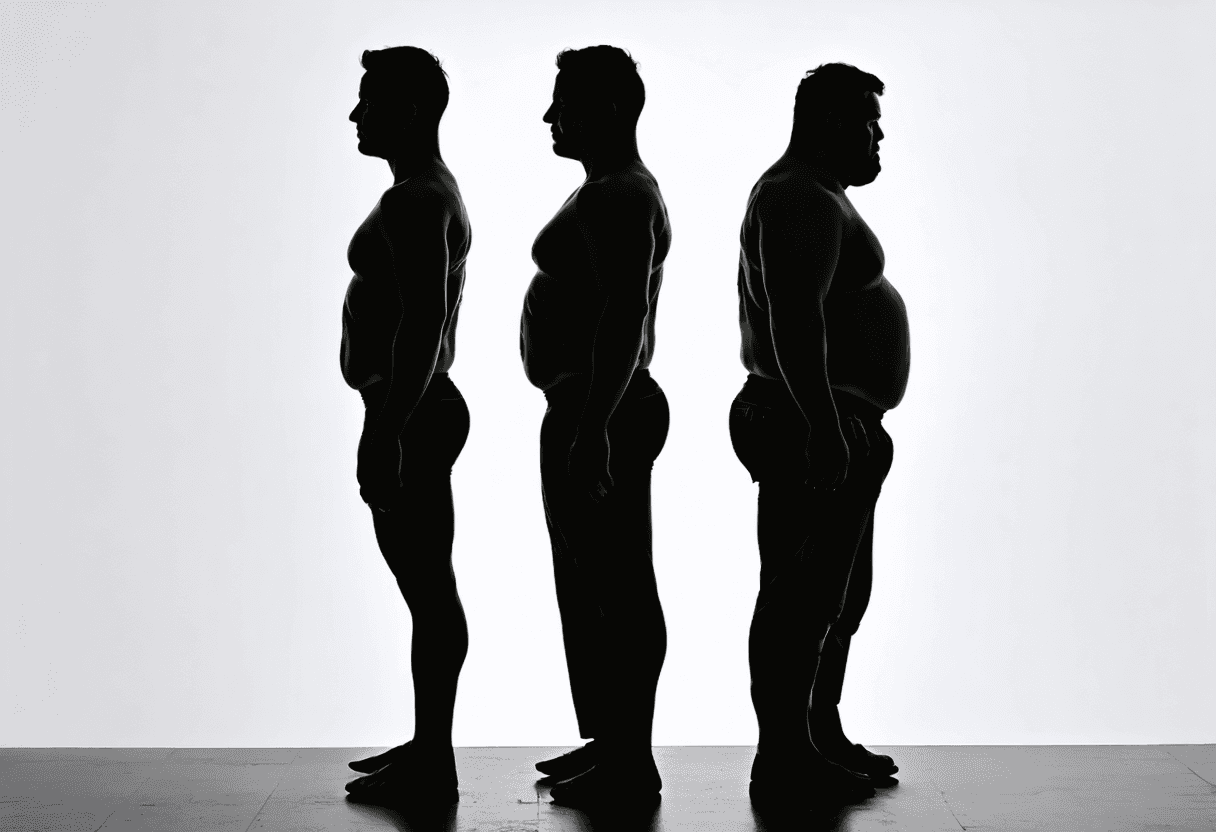
This difference explains why two people can weigh the same and be the same height, but one looks lean and sculpted, while the other appears softer. Thatโ€™s body composition at work.

So if youโ€™ve started strength training and your weight hasnโ€™t changed much (or even gone up), donโ€™t panic. You might be burning fat and building muscle at the same time โ€“ and thatโ€™s a sign your fitness plan is working, even if the scale isnโ€™t showing it.

Muscle vs Fat: Volume and Visual Differences

When it comes to how your body looks, muscle and fat donโ€™t behave the same way, even if they weigh the same.  

Check this muscle vs fat weight comparison table

Characteristic

Muscle Tissue

Fat Tissue

Density

1.1 g/cmยณ

0.9 g/cmยณ

Volume (per 5 lbs)

Smaller (like a book)

Larger (like a football)

Appearance

Firm, defined

Soft, less defined

Metabolic activity

High (burns 7-10 calories/lb/day)

Low (burns 2-3 calories/lb/day)

Blood supply

Rich vascularization

Limited blood vessels

Response to training

Adaptable, grows with resistance

Reduces with caloric deficit

The visual impact of replacing fat with muscle is substantial. A person who loses 10 pounds of fat and gains 10 pounds of muscle will maintain the same scale weight but appear noticeably leaner and more toned due to the reduced volume of the muscle tissue compared to the fat it replaced.

How Muscle Affects Your Weight

When beginning a strength training program, many individuals experience an initial weight gain despite following a nutritious diet. This phenomenon often leads to frustration but represents a positive physiological adaptation.

Several factors contribute to weight changes during muscle development:

  1. Muscle protein synthesis: Strength training triggers muscle repair and growth, a process called muscle protein synthesis. Research in the Journal of Applied Physiology shows that even a single resistance training session can elevate muscle protein synthesis for up to 48 hours. 

  1. Glycogen storage: As muscles adapt to training, they store more glycogen (carbohydrates) and water. Each gram of glycogen binds approximately 3 grams of water, contributing to weight increases without fat gain.

  2. Increased bone density: Regular resistance training stimulates bone mineral density, adding to overall weight while improving skeletal health.

  3. Elevated resting metabolic rate: Muscle tissue is metabolically active, burning approximately 7-10 calories per pound daily at rest, compared to fat tissueโ€™s 2-3 calories per pound. Just gaining 3 pounds of muscle can boost your resting metabolism by about 7%.

Consider this practical example: An individual loses 5 pounds of fat while gaining 5 pounds of muscle through a combined resistance training and nutrition program. Their scale weight remains unchanged, but their body composition has improved significantly. They appear more toned, their clothes fit differently, and their metabolic health markers have improved โ€“ all without a reduction in scale weight.

How to Know If Itโ€™s Muscle or Fat

When the number on the scale changes, how do you know whether youโ€™ve gained muscle or added fat?

Unfortunately, most bathroom scales canโ€™t tell you that. But there are several proven ways to track what your weight is actually made of, so you can measure true progress, not just pounds.

Body Composition Analysis:

  • Bioelectrical Impedance Analysis (BIA): Devices like the InBody 770 use multiple frequencies to measure impedance through body tissues, providing detailed body composition data. Research validates BIA as a reliable method for tracking body composition changes when used consistently.

  • Dual-Energy X-ray Absorptiometry (DEXA): Considered the gold standard for body composition assessment, DEXA scans provide precise measurements of fat mass, lean mass, and bone mineral density.

  • Skinfold Calipers: When used by trained professionals, skinfold measurements at multiple body sites can estimate body fat percentage with reasonable accuracy.

Physical Indicators:

You donโ€™t always need a machine to notice the difference. Look for these signs of positive body composition changes:

  • Improved muscle definition and reduced circumference measurements

  • Changes in how clothing fits, particularly around the waist, hips, and thighs

  • Increased strength and endurance during physical activities

  • Enhanced recovery capacity between workouts

Functional Improvements:

Changes in body composition often go hand-in-hand with improvements in how you feel and move:

  • Increased energy levels throughout the day

  • Improved performance in daily activities and exercise

  • Better posture and movement quality

  • Enhanced sleep quality and recovery

When you track your progress with body composition tools (not just a scale) youโ€™ll get a much clearer picture of your health and fitness. These insights help you adjust your diet and workouts based on real data, not guesswork.

Tips to Build Muscle and Lose Fat

If your goal is to gain muscle and lose fat at the same time (often called body recomposition), the right mix of training, nutrition, and recovery habits is key. Hereโ€™s how to make it happen โ€” backed by science.

Exercise Recommendations:

  • Progressive Resistance Training: A systematic review found that progressive overload (gradually increasing weight, repetitions, or sets) is essential for continued muscle development.

  • Compound Movements: Exercises like squats, deadlifts, rows, and bench presses engage multiple muscle groups at once. These movements trigger greater hormonal responses and stimulate more growth.

  • Training Frequency: Hitting each muscle group more than once a week leads to better results. This training frequency maximizes muscle protein synthesisยนยฒ.

  • Cardiovascular Exercise: A combination of high-intensity interval training (HIIT) and moderate-intensity steady-state cardio optimizes fat loss while preserving muscle mass.

Nutritional Strategies:

  • Protein Intake: Research recommends consuming 1.6-2.2g of protein per kilogram of body weight daily to support muscle protein synthesis while in a fat loss phase. Lean meats, dairy, eggs, legumes, and protein shakes all count.

  • Energy Balance: To lose fat without losing muscle, eat 10โ€“20% fewer calories than you burn. Extreme dieting can backfire by slowing your metabolism and breaking down muscle.

  • Nutrient Timing: Consuming protein within the pre- and post-exercise window may enhance muscle protein synthesis and recovery. But donโ€™t overthink it: total daily intake matters most.

  • Hydration: Water is often overlooked, but itโ€™s crucial. Dehydration can hurt performance, delay recovery, and impair muscle protein synthesis. Drink water throughout the day โ€“ not just at the gym.

Recovery Factors:

  • Sleep Quality: This study demonstrates that inadequate sleep (less than 7 hours) impairs muscle recovery and growth while promoting fat storage.

  • Stress Management: Chronic stress raises cortisol, a hormone that promotes fat gain and breaks down muscle. Practices like meditation, walking, or just unplugging can go a long way toward supporting your results.

Can You Weigh More and Be Healthier?

Absolutely โ€“ and science backs it up.

We often assume that a lower number on the scale equals better health. But thatโ€™s a misconception. What matters more than your total weight is what that weight is made of โ€“ and how your body functions.

A major study published in JAMA found that people with higher BMIs but strong cardiovascular fitness had lower mortality rates than those at a โ€œnormalโ€ weight but poor fitness levels. In other words, being โ€œfit but fatโ€ can be healthier than being thin and unfit.

Another study showed that muscle mass matters, too. People with more muscle, even if they had higher body weight, had lower risk of heart disease than those with less muscle and lower weight.

Health markers that often improve with increased muscle mass, regardless of weight changes, include:

  • Insulin sensitivity and glucose regulation

  • Blood lipid profiles (cholesterol, triglycerides)

  • Blood pressure and vascular function

  • Inflammatory markers

  • Bone mineral density

  • Functional capacity and fall risk (especially in older adults)

These findings support a paradigm shift away from scale weight fixation toward a more comprehensive view of health that prioritizes body composition, metabolic function, and physical performance.

Key Takeaways

  • Muscle and fat weigh the same pound for pound, but muscle is approximately 18% more dense than fat

  • Scale weight alone is an inadequate measure of health and fitness progress

  • Body composition (the ratio of fat to lean mass) is more important than total weight

  • Visual appearance, functional capacity, and health biomarkers provide better progress indicators than weight

  • Building muscle while losing fat can result in minimal scale weight changes despite significant body composition improvements

  • Professional body composition analysis provides objective data to guide fitness and nutrition decisions

Woman leading yoga class in studio with students on pink mats

Health

Oct 14, 2025

Body Composition and Breast Cancer: Why Your Muscle-to-Fat Ratio Matters

When it comes to assessing your health, the number on the scaleโ€”or even your BMIโ€”only tells part of the story. Body composition (the amount of body fat vs. muscle you have) offers a far more accurate picture of your overall health and disease risk. 

Research shows that excess fat, particularly in the abdomen, can increase the likelihood of breast cancer. A meta-analysis in Frontiers in Nutrition of nearly 8 million women found that central obesityโ€”measured by waist circumference or waist-to-hip ratioโ€”was associated with a higher risk of breast cancer in both pre- and postmenopausal women.

Below, weโ€™ll explore the latest research linking body composition to breast cancer risk and practical strategies for optimizing your body composition to support long-term health and cancer prevention.

The Link Between Body Fat and Breast Cancer

Excess body fat is a known risk factor for breast cancer, especially for postmenopausal women. In fact, a meta-analysis in the British Journal of Cancer found that every 5% increase in body fat was linked to about a 15% higher risk of postmenopausal breast cancer. Researchers have identified three main contributing factors.

Inflammation

Fat tissue, particularly around the midsection (referred to as visceral fat), produces chemicals called cytokines that can cause low-level, chronic inflammation. This persistent inflammation can damage healthy cells, creating an environment that promotes the growth and survival of cancer cells, according to a review in the International Journal of Molecular Sciences.

Insulin Resistance

Being overweight or obese can also lead to insulin resistance. When the body becomes resistant to insulin, it compensates by producing more. High insulin levels can stimulate the growth of breast cancer cells and inhibit their natural death, promoting tumor development, according to research in the Journal of Clinical Oncology.

Hormonal Imbalance

Fat tissue can produce estrogen, a hormone that, when elevated, is linked to an increased risk of hormone-receptor-positive breast cancers, according to an article in Scientific Reports. This is particularly true for postmenopausal people, where fat tissue becomes the primary source of estrogen.

Muscle Mass and Breast Cancer Risk

While much attention is given to excess body fat, maintaining healthy muscle mass is equally important in reducing breast cancer risk and improving outcomes for those diagnosed. A study in Discover Oncology found that women with non-metastatic breast cancer and low muscle mass, a condition known as sarcopenia, had a significantly lower survival rate compared to those with normal muscle mass.

Additionally, low muscle mass is linked to higher levels of inflammation, which, in individuals with cancer, can speed up muscle loss and negatively impact health outcomes. On the other hand, having more muscle can help counteract inflammation caused by factors like excess body fat. 

Incorporating regular strength training exercises, such as weightlifting or resistance band workouts, can help build and maintain muscle mass. These exercises not only build physical strength but also support metabolic health and improve overall quality of life.

How Body Composition Can Guide Prevention

A Person Standing on a Weighing Scale

Monitoring your body composition is a powerful tool for assessing breast cancer risk and guiding prevention strategies. Unlike weight or BMI, which can be misleading, body composition provides a clear picture of where fat is stored and how much muscle you have, both of which influence your risk.

By establishing a baseline through a body composition scan, which you can do with an InBody body composition scale, you can track changes over time and see how lifestyle choicesโ€”like diet, exercise, and strength trainingโ€”are affecting your fat and muscle levels. Regular assessments allow you to detect unhealthy trends early, adjust your exercise routine, or refine your nutrition plan to maintain a healthier balance of fat and muscle.

You can also track your waist circumference, which is measured at the navel after exhaling. For many women, a goal is less than 35 inches (88 cm).

Tracking these metrics is particularly valuable for postmenopausal people, who are at higher risk for fat-related breast cancer. Maintaining or increasing lean mass (muscle) while reducing fat mass can help lower inflammation, balance hormones, and reduce overall cancer risk.

Strategies for Healthy Body Composition

A Woman About to Carry a Barbell

By combining smart nutrition, consistent exercise, and healthy lifestyle habits, you can optimize your body composition, support your immune system, and take meaningful steps toward reducing your breast cancer risk.

In an analysis of about 180,000 women followed for many years, those who lost weight and kept it off had a lower subsequent risk of breast cancer than women whose weight stayed stable, with larger losses generally linked to larger risk reductions, according to the Journal of the National Cancer Institute.

Eat an Anti-Inflammatory Diet

Focus on eating nutrient-rich, anti-inflammatory foods such as fruits, vegetables, whole grains, and healthy fats like olive oil, nuts, and fatty fish. These foods help reduce chronic inflammation, support hormonal balance, and provide essential nutrients for overall health. 

At the same time, limit alcohol, sugary drinks, and highly processed foods, which can contribute to fat accumulation and inflammation, both linked to higher breast cancer risk.

Strength Train Regularly

A combination of resistance training and aerobic exercise is key to optimizing body composition. Resistance training builds and preserves muscle mass, which can help regulate hormones and counteract inflammation. Aerobic exercise, such as running, brisk walking, or cycling, helps reduce excess fat and improve cardiovascular health.

Aim to do at least two full-body strength-training workouts a week, as well as at least 150 minutes of moderate-intensity or 75 minutes of vigorous-intensity aerobic activity per week, according to the Physical Activity Guidelines for Americans.

Get Adequate Sleep and Manage Stress

Adequate sleep and effective stress management are often overlooked but crucial components of a healthy body composition. Poor sleep and chronic stress can disrupt hormone regulation, increase inflammation, and contribute to fat gain, all of which can raise cancer risk. 

Aim for seven to nine hours of quality sleep per night and incorporate stress-reduction practices like mindfulness, meditation, yoga, or light outdoor activity.

Determined Woman in Muddy Obstacle Race

InBody Blog

Sep 23, 2025

How to Prep for Your Next Fitness Challenge

Tackling a fitness challenge, whether itโ€™s a marathon, a HYROX competition, or an obstacle course race, takes more than sheer determination; it requires smart preparation. From designing your training and nutrition plan to building mental resilience, the right prep can make the difference between struggling through the event and crushing it with confidence.

Hereโ€™s how to get ready for your next fitness challenge, step by step.

1. Choose the Right Fitness Challenge

The first step is choosing a challenge that aligns with your fitness level, goals, and interests. Popular options include:

  • Running-based challenges like 5Ks, 10Ks, and half or full marathons. These events test endurance, pacing, and mental stamina.

  • Functional fitness challenges such as HYROX competitions, CrossFit events, or obstacle course races. These tests combine strength, speed, endurance, and agility.

When selecting your challenge, consider your motivation: Why do you want to do this? Are you aiming to push your endurance, build functional strength, or simply have fun while testing your limits? Knowing your โ€œwhyโ€ will help you stay focused through the ups and downs of training.

2. Establish Your Baseline With Body Composition Analysis

Before you jump into intense workouts, itโ€™s important to know where youโ€™re starting. Tracking your body composition provides a clear picture of how your fat and muscle mass change as you train. 

One of the easiest ways to do this is by hopping on a body composition scale each week. In addition to weight, these scales measure body fat percentage and muscle mass, giving you a better snapshot of how your training is impacting your body.

3. Design Your Training Plan

A Weightlifter Holding a Barbell on His Shoulders

Designing an effective training plan is about combining running and functional fitness to prepare your body for the specific demands of your challenge. Whether youโ€™re tackling a marathon or a HYROX-style functional fitness event, training should be balanced, structured, and tailored to your goals.

For running-focused challenges, incorporate a mix of workouts, including:

  • Interval Training: short bursts of high-intensity running followed by recovery periods to improve speed and cardiovascular capacity

  • Tempo Runs: sustained, moderate-intensity runs that teach your body to maintain a strong pace over distance

  • Long-Distance Endurance Runs: gradually increase mileage to build stamina and mental resilience

For HYROX and other fitness challenges, your training should mimic the movements youโ€™ll face on event day. Include strength-training exercises like:

  • Pushes and Pulls: bench presses, push-ups, rows, and pull-ups

  • Squats and Lunges

  • Carries: farmerโ€™s carries, sandbag carries, and weighted walks

  • Rowing and Sled Pushes

When building out your weekly schedule, balance high-intensity sessions with recovery days. Incorporate mobility work, stretching, and prehab exercises to reduce the risk of injury and improve overall movement quality.

4. Dial in Your Diet

Flat Lay Photography of Three Tray of Foods

Nutrition is just as important as your workouts. Your diet fuels training, aids recovery, and supports performance. 

Aim for a balanced intake of protein, carbohydrates, and healthy fats to support energy, recovery, and muscle repair. A common guideline for active adults is:

  • Protein: 1.1 to 1.7 grams per kilogram of body weight per day to repair and build muscle

  • Carbohydrates: 5 to 7 grams per kilogram of body weight per day to fuel endurance and replenish glycogen stores

  • Fats: approximately 30% of total daily calories for energy and inflammation reduction

Adjust these ratios based on your training intensity and challenge typeโ€”higher carb intake on long run days or heavy functional workouts, and slightly higher protein on strength-focused days.

And donโ€™t forget to stay hydrated throughout training and during the event. A general guideline is to aim for half your body weight in ounces of water per day (e.g., a 150-pound person should drink about 75 ounces daily), and increase intake based on sweat loss, workout intensity, and environmental conditions.

For longer or high-intensity sessions, supplement plain water with electrolytesโ€”sodium, potassium, and magnesiumโ€”to prevent cramping and maintain energy. Additionally, monitor your urine color: pale yellow indicates good hydration, while darker urine signals the need for more fluids.

5. Track Your Progress and Adjust Your Plan

Tracking your progress is essential for making your training as effective as possible. You can see whatโ€™s working, identify areas for improvement, and adjust your plan to keep making gains.

Wearable fitness trackers can monitor heart rate, steps, calories burned, and running metrics like pace and distance. These devices are especially useful for tracking endurance, monitoring intensity during functional workouts, and ensuring youโ€™re hitting your training targets. Many also allow you to track sleep, which is crucial for recovery and performance.

Itโ€™s also helpful to keep a log of your workouts (either handwritten or in an app). Track exercises, sets, reps, weights, and training volume over time to make it easier to spot plateaus or imbalances, adjust intensity, and plan progressive overload.

6. Mental Preparation and Motivation

Preparing for a fitness challenge isnโ€™t just physical; your mind plays a huge role in how well you perform. Mental preparation can help you stay focused, overcome fatigue, and push through difficult moments during training and on challenge day.

One of the most powerful tools for mental preparation is visualization. Spend a few minutes each day imagining yourself completing the challenge successfully. Picture each stage of the event, from the starting line to crossing the finish, and envision how your body moves efficiently through each task. This mental rehearsal can build confidence, reduce anxiety, and prime your body for peak performance.

7. Crush Your Fitness Challenge

Man Winning A Footrace

After weeks of training, the final week before your fitness challenge is all about fine-tuning your preparation, tapering your workouts, and dialing in your nutrition so you can perform at your best.

In the last five to seven days before your event, reduce your training volume while keeping intensity moderate. Shorter workouts, lighter weights, and decreased mileage help your muscles recover and ensure your energy stores are fully replenished. Focus on mobility, stretching, and gentle cardio to stay loose without overtaxing your body.

On challenge day, your mental state can make a huge difference. Use visualization techniques from training, focus on pacing yourself, and celebrate small milestones throughout the event. Music playlists can keep energy high, while cheering sections or training partners provide extra motivation when fatigue sets in. 

Remind yourself why you signed up and the hard work youโ€™ve already put inโ€”confidence and positivity can carry you through the toughest moments. You got this!

A close-up side-by-side comparison of human muscle tissue (on the left) and human fat tissue (on the right). The muscle tissue is shown in a reddish-pink color with visible fibers, while the fat tissue is depicted as a lumpy, yellowish substance with visible cell structures

InBody Blog

Sep 1, 2025

Muscle vs Fat Weight: Whatโ€™s the Real Difference?

When youโ€™re working toward health or fitness goals, itโ€™s easy to get caught up in the number on the bathroom scale. But that number alone doesnโ€™t tell the full story. It canโ€™t show how much of your weight comes from muscle, fat, water, or bone, and each of those plays a very different role in how your body looks, feels, and functions.

One of the most common questions people ask is, โ€œDoes muscle weigh more than fat?โ€ The answer reveals an important truth about density, not just weight. In this article, weโ€™ll break down the real differences between muscle and fat, explain how they affect your weight and appearance, and show why focusing on body composition gives you a much better picture of your health than the scale ever could.

Does Muscle Weigh More Than Fat?

A side-by-side comparison of 5 pounds of muscle tissue (on the left) and 5 pounds of fat tissue (on the right). The muscle is a dense, reddish-brown cube, while the fat is a larger, lumpy, yellowish mass.

Youโ€™ve probably heard the phrase, โ€œmuscle weighs more than fat.โ€ And while thatโ€™s a common belief, itโ€™s not exactly true โ€“ a pound is a pound, whether itโ€™s muscle or fat. What really sets them apart is density.

Muscle is denser than fat โ€“ about 18% more, to be exact. That means muscle takes up less space in your body for the same amount of weight. According to research published in American Journal of Clinical Nutrition, the density of lean tissue (like muscle) is about 1.1 g/cmยณ, while fat tissue is closer to 0.9 g/cmยณยน.

Hereโ€™s an easy way to picture it:

  • 5 pounds of muscle might be the size of a small book

  • 5 pounds of fat could look more like a small football

This difference explains why two people can weigh the same and be the same height, but one looks lean and sculpted, while the other appears softer. Thatโ€™s body composition at work.

So if youโ€™ve started strength training and your weight hasnโ€™t changed much (or even gone up), donโ€™t panic. You might be burning fat and building muscle at the same time โ€“ and thatโ€™s a sign your fitness plan is working, even if the scale isnโ€™t showing it.

Muscle vs Fat: Volume and Visual Differences

When it comes to how your body looks, muscle and fat donโ€™t behave the same way, even if they weigh the same.  

Check this muscle vs fat weight comparison table

Characteristic

Muscle Tissue

Fat Tissue

Density

1.1 g/cmยณ

0.9 g/cmยณ

Volume (per 5 lbs)

Smaller (like a book)

Larger (like a football)

Appearance

Firm, defined

Soft, less defined

Metabolic activity

High (burns 7-10 calories/lb/day)

Low (burns 2-3 calories/lb/day)

Blood supply

Rich vascularization

Limited blood vessels

Response to training

Adaptable, grows with resistance

Reduces with caloric deficit

The visual impact of replacing fat with muscle is substantial. A person who loses 10 pounds of fat and gains 10 pounds of muscle will maintain the same scale weight but appear noticeably leaner and more toned due to the reduced volume of the muscle tissue compared to the fat it replaced.

How Muscle Affects Your Weight

When beginning a strength training program, many individuals experience an initial weight gain despite following a nutritious diet. This phenomenon often leads to frustration but represents a positive physiological adaptation.

Several factors contribute to weight changes during muscle development:

  1. Muscle protein synthesis: Strength training triggers muscle repair and growth, a process called muscle protein synthesis. Research in the Journal of Applied Physiology shows that even a single resistance training session can elevate muscle protein synthesis for up to 48 hours. 

  1. Glycogen storage: As muscles adapt to training, they store more glycogen (carbohydrates) and water. Each gram of glycogen binds approximately 3 grams of water, contributing to weight increases without fat gain.

  2. Increased bone density: Regular resistance training stimulates bone mineral density, adding to overall weight while improving skeletal health.

  3. Elevated resting metabolic rate: Muscle tissue is metabolically active, burning approximately 7-10 calories per pound daily at rest, compared to fat tissueโ€™s 2-3 calories per pound. Just gaining 3 pounds of muscle can boost your resting metabolism by about 7%.

Consider this practical example: An individual loses 5 pounds of fat while gaining 5 pounds of muscle through a combined resistance training and nutrition program. Their scale weight remains unchanged, but their body composition has improved significantly. They appear more toned, their clothes fit differently, and their metabolic health markers have improved โ€“ all without a reduction in scale weight.

How to Know If Itโ€™s Muscle or Fat

When the number on the scale changes, how do you know whether youโ€™ve gained muscle or added fat?

Unfortunately, most bathroom scales canโ€™t tell you that. But there are several proven ways to track what your weight is actually made of, so you can measure true progress, not just pounds.

Body Composition Analysis:

  • Bioelectrical Impedance Analysis (BIA): Devices like the InBody 770 use multiple frequencies to measure impedance through body tissues, providing detailed body composition data. Research validates BIA as a reliable method for tracking body composition changes when used consistently.

  • Dual-Energy X-ray Absorptiometry (DEXA): Considered the gold standard for body composition assessment, DEXA scans provide precise measurements of fat mass, lean mass, and bone mineral density.

  • Skinfold Calipers: When used by trained professionals, skinfold measurements at multiple body sites can estimate body fat percentage with reasonable accuracy.

Physical Indicators:

You donโ€™t always need a machine to notice the difference. Look for these signs of positive body composition changes:

  • Improved muscle definition and reduced circumference measurements

  • Changes in how clothing fits, particularly around the waist, hips, and thighs

  • Increased strength and endurance during physical activities

  • Enhanced recovery capacity between workouts

Functional Improvements:

Changes in body composition often go hand-in-hand with improvements in how you feel and move:

  • Increased energy levels throughout the day

  • Improved performance in daily activities and exercise

  • Better posture and movement quality

  • Enhanced sleep quality and recovery

When you track your progress with body composition tools (not just a scale) youโ€™ll get a much clearer picture of your health and fitness. These insights help you adjust your diet and workouts based on real data, not guesswork.

Tips to Build Muscle and Lose Fat

If your goal is to gain muscle and lose fat at the same time (often called body recomposition), the right mix of training, nutrition, and recovery habits is key. Hereโ€™s how to make it happen โ€” backed by science.

Exercise Recommendations:

  • Progressive Resistance Training: A systematic review found that progressive overload (gradually increasing weight, repetitions, or sets) is essential for continued muscle development.

  • Compound Movements: Exercises like squats, deadlifts, rows, and bench presses engage multiple muscle groups at once. These movements trigger greater hormonal responses and stimulate more growth.

  • Training Frequency: Hitting each muscle group more than once a week leads to better results. This training frequency maximizes muscle protein synthesisยนยฒ.

  • Cardiovascular Exercise: A combination of high-intensity interval training (HIIT) and moderate-intensity steady-state cardio optimizes fat loss while preserving muscle mass.

Nutritional Strategies:

  • Protein Intake: Research recommends consuming 1.6-2.2g of protein per kilogram of body weight daily to support muscle protein synthesis while in a fat loss phase. Lean meats, dairy, eggs, legumes, and protein shakes all count.

  • Energy Balance: To lose fat without losing muscle, eat 10โ€“20% fewer calories than you burn. Extreme dieting can backfire by slowing your metabolism and breaking down muscle.

  • Nutrient Timing: Consuming protein within the pre- and post-exercise window may enhance muscle protein synthesis and recovery. But donโ€™t overthink it: total daily intake matters most.

  • Hydration: Water is often overlooked, but itโ€™s crucial. Dehydration can hurt performance, delay recovery, and impair muscle protein synthesis. Drink water throughout the day โ€“ not just at the gym.

Recovery Factors:

  • Sleep Quality: This study demonstrates that inadequate sleep (less than 7 hours) impairs muscle recovery and growth while promoting fat storage.

  • Stress Management: Chronic stress raises cortisol, a hormone that promotes fat gain and breaks down muscle. Practices like meditation, walking, or just unplugging can go a long way toward supporting your results.

Can You Weigh More and Be Healthier?

Absolutely โ€“ and science backs it up.

We often assume that a lower number on the scale equals better health. But thatโ€™s a misconception. What matters more than your total weight is what that weight is made of โ€“ and how your body functions.

A major study published in JAMA found that people with higher BMIs but strong cardiovascular fitness had lower mortality rates than those at a โ€œnormalโ€ weight but poor fitness levels. In other words, being โ€œfit but fatโ€ can be healthier than being thin and unfit.

Another study showed that muscle mass matters, too. People with more muscle, even if they had higher body weight, had lower risk of heart disease than those with less muscle and lower weight.

Health markers that often improve with increased muscle mass, regardless of weight changes, include:

  • Insulin sensitivity and glucose regulation

  • Blood lipid profiles (cholesterol, triglycerides)

  • Blood pressure and vascular function

  • Inflammatory markers

  • Bone mineral density

  • Functional capacity and fall risk (especially in older adults)

These findings support a paradigm shift away from scale weight fixation toward a more comprehensive view of health that prioritizes body composition, metabolic function, and physical performance.

Key Takeaways

  • Muscle and fat weigh the same pound for pound, but muscle is approximately 18% more dense than fat

  • Scale weight alone is an inadequate measure of health and fitness progress

  • Body composition (the ratio of fat to lean mass) is more important than total weight

  • Visual appearance, functional capacity, and health biomarkers provide better progress indicators than weight

  • Building muscle while losing fat can result in minimal scale weight changes despite significant body composition improvements

  • Professional body composition analysis provides objective data to guide fitness and nutrition decisions

Woman leading yoga class in studio with students on pink mats

Health

Oct 14, 2025

Body Composition and Breast Cancer: Why Your Muscle-to-Fat Ratio Matters

When it comes to assessing your health, the number on the scaleโ€”or even your BMIโ€”only tells part of the story. Body composition (the amount of body fat vs. muscle you have) offers a far more accurate picture of your overall health and disease risk. 

Research shows that excess fat, particularly in the abdomen, can increase the likelihood of breast cancer. A meta-analysis in Frontiers in Nutrition of nearly 8 million women found that central obesityโ€”measured by waist circumference or waist-to-hip ratioโ€”was associated with a higher risk of breast cancer in both pre- and postmenopausal women.

Below, weโ€™ll explore the latest research linking body composition to breast cancer risk and practical strategies for optimizing your body composition to support long-term health and cancer prevention.

The Link Between Body Fat and Breast Cancer

Excess body fat is a known risk factor for breast cancer, especially for postmenopausal women. In fact, a meta-analysis in the British Journal of Cancer found that every 5% increase in body fat was linked to about a 15% higher risk of postmenopausal breast cancer. Researchers have identified three main contributing factors.

Inflammation

Fat tissue, particularly around the midsection (referred to as visceral fat), produces chemicals called cytokines that can cause low-level, chronic inflammation. This persistent inflammation can damage healthy cells, creating an environment that promotes the growth and survival of cancer cells, according to a review in the International Journal of Molecular Sciences.

Insulin Resistance

Being overweight or obese can also lead to insulin resistance. When the body becomes resistant to insulin, it compensates by producing more. High insulin levels can stimulate the growth of breast cancer cells and inhibit their natural death, promoting tumor development, according to research in the Journal of Clinical Oncology.

Hormonal Imbalance

Fat tissue can produce estrogen, a hormone that, when elevated, is linked to an increased risk of hormone-receptor-positive breast cancers, according to an article in Scientific Reports. This is particularly true for postmenopausal people, where fat tissue becomes the primary source of estrogen.

Muscle Mass and Breast Cancer Risk

While much attention is given to excess body fat, maintaining healthy muscle mass is equally important in reducing breast cancer risk and improving outcomes for those diagnosed. A study in Discover Oncology found that women with non-metastatic breast cancer and low muscle mass, a condition known as sarcopenia, had a significantly lower survival rate compared to those with normal muscle mass.

Additionally, low muscle mass is linked to higher levels of inflammation, which, in individuals with cancer, can speed up muscle loss and negatively impact health outcomes. On the other hand, having more muscle can help counteract inflammation caused by factors like excess body fat. 

Incorporating regular strength training exercises, such as weightlifting or resistance band workouts, can help build and maintain muscle mass. These exercises not only build physical strength but also support metabolic health and improve overall quality of life.

How Body Composition Can Guide Prevention

A Person Standing on a Weighing Scale

Monitoring your body composition is a powerful tool for assessing breast cancer risk and guiding prevention strategies. Unlike weight or BMI, which can be misleading, body composition provides a clear picture of where fat is stored and how much muscle you have, both of which influence your risk.

By establishing a baseline through a body composition scan, which you can do with an InBody body composition scale, you can track changes over time and see how lifestyle choicesโ€”like diet, exercise, and strength trainingโ€”are affecting your fat and muscle levels. Regular assessments allow you to detect unhealthy trends early, adjust your exercise routine, or refine your nutrition plan to maintain a healthier balance of fat and muscle.

You can also track your waist circumference, which is measured at the navel after exhaling. For many women, a goal is less than 35 inches (88 cm).

Tracking these metrics is particularly valuable for postmenopausal people, who are at higher risk for fat-related breast cancer. Maintaining or increasing lean mass (muscle) while reducing fat mass can help lower inflammation, balance hormones, and reduce overall cancer risk.

Strategies for Healthy Body Composition

A Woman About to Carry a Barbell

By combining smart nutrition, consistent exercise, and healthy lifestyle habits, you can optimize your body composition, support your immune system, and take meaningful steps toward reducing your breast cancer risk.

In an analysis of about 180,000 women followed for many years, those who lost weight and kept it off had a lower subsequent risk of breast cancer than women whose weight stayed stable, with larger losses generally linked to larger risk reductions, according to the Journal of the National Cancer Institute.

Eat an Anti-Inflammatory Diet

Focus on eating nutrient-rich, anti-inflammatory foods such as fruits, vegetables, whole grains, and healthy fats like olive oil, nuts, and fatty fish. These foods help reduce chronic inflammation, support hormonal balance, and provide essential nutrients for overall health. 

At the same time, limit alcohol, sugary drinks, and highly processed foods, which can contribute to fat accumulation and inflammation, both linked to higher breast cancer risk.

Strength Train Regularly

A combination of resistance training and aerobic exercise is key to optimizing body composition. Resistance training builds and preserves muscle mass, which can help regulate hormones and counteract inflammation. Aerobic exercise, such as running, brisk walking, or cycling, helps reduce excess fat and improve cardiovascular health.

Aim to do at least two full-body strength-training workouts a week, as well as at least 150 minutes of moderate-intensity or 75 minutes of vigorous-intensity aerobic activity per week, according to the Physical Activity Guidelines for Americans.

Get Adequate Sleep and Manage Stress

Adequate sleep and effective stress management are often overlooked but crucial components of a healthy body composition. Poor sleep and chronic stress can disrupt hormone regulation, increase inflammation, and contribute to fat gain, all of which can raise cancer risk. 

Aim for seven to nine hours of quality sleep per night and incorporate stress-reduction practices like mindfulness, meditation, yoga, or light outdoor activity.

Determined Woman in Muddy Obstacle Race

InBody Blog

Sep 23, 2025

How to Prep for Your Next Fitness Challenge

Tackling a fitness challenge, whether itโ€™s a marathon, a HYROX competition, or an obstacle course race, takes more than sheer determination; it requires smart preparation. From designing your training and nutrition plan to building mental resilience, the right prep can make the difference between struggling through the event and crushing it with confidence.

Hereโ€™s how to get ready for your next fitness challenge, step by step.

1. Choose the Right Fitness Challenge

The first step is choosing a challenge that aligns with your fitness level, goals, and interests. Popular options include:

  • Running-based challenges like 5Ks, 10Ks, and half or full marathons. These events test endurance, pacing, and mental stamina.

  • Functional fitness challenges such as HYROX competitions, CrossFit events, or obstacle course races. These tests combine strength, speed, endurance, and agility.

When selecting your challenge, consider your motivation: Why do you want to do this? Are you aiming to push your endurance, build functional strength, or simply have fun while testing your limits? Knowing your โ€œwhyโ€ will help you stay focused through the ups and downs of training.

2. Establish Your Baseline With Body Composition Analysis

Before you jump into intense workouts, itโ€™s important to know where youโ€™re starting. Tracking your body composition provides a clear picture of how your fat and muscle mass change as you train. 

One of the easiest ways to do this is by hopping on a body composition scale each week. In addition to weight, these scales measure body fat percentage and muscle mass, giving you a better snapshot of how your training is impacting your body.

3. Design Your Training Plan

A Weightlifter Holding a Barbell on His Shoulders

Designing an effective training plan is about combining running and functional fitness to prepare your body for the specific demands of your challenge. Whether youโ€™re tackling a marathon or a HYROX-style functional fitness event, training should be balanced, structured, and tailored to your goals.

For running-focused challenges, incorporate a mix of workouts, including:

  • Interval Training: short bursts of high-intensity running followed by recovery periods to improve speed and cardiovascular capacity

  • Tempo Runs: sustained, moderate-intensity runs that teach your body to maintain a strong pace over distance

  • Long-Distance Endurance Runs: gradually increase mileage to build stamina and mental resilience

For HYROX and other fitness challenges, your training should mimic the movements youโ€™ll face on event day. Include strength-training exercises like:

  • Pushes and Pulls: bench presses, push-ups, rows, and pull-ups

  • Squats and Lunges

  • Carries: farmerโ€™s carries, sandbag carries, and weighted walks

  • Rowing and Sled Pushes

When building out your weekly schedule, balance high-intensity sessions with recovery days. Incorporate mobility work, stretching, and prehab exercises to reduce the risk of injury and improve overall movement quality.

4. Dial in Your Diet

Flat Lay Photography of Three Tray of Foods

Nutrition is just as important as your workouts. Your diet fuels training, aids recovery, and supports performance. 

Aim for a balanced intake of protein, carbohydrates, and healthy fats to support energy, recovery, and muscle repair. A common guideline for active adults is:

  • Protein: 1.1 to 1.7 grams per kilogram of body weight per day to repair and build muscle

  • Carbohydrates: 5 to 7 grams per kilogram of body weight per day to fuel endurance and replenish glycogen stores

  • Fats: approximately 30% of total daily calories for energy and inflammation reduction

Adjust these ratios based on your training intensity and challenge typeโ€”higher carb intake on long run days or heavy functional workouts, and slightly higher protein on strength-focused days.

And donโ€™t forget to stay hydrated throughout training and during the event. A general guideline is to aim for half your body weight in ounces of water per day (e.g., a 150-pound person should drink about 75 ounces daily), and increase intake based on sweat loss, workout intensity, and environmental conditions.

For longer or high-intensity sessions, supplement plain water with electrolytesโ€”sodium, potassium, and magnesiumโ€”to prevent cramping and maintain energy. Additionally, monitor your urine color: pale yellow indicates good hydration, while darker urine signals the need for more fluids.

5. Track Your Progress and Adjust Your Plan

Tracking your progress is essential for making your training as effective as possible. You can see whatโ€™s working, identify areas for improvement, and adjust your plan to keep making gains.

Wearable fitness trackers can monitor heart rate, steps, calories burned, and running metrics like pace and distance. These devices are especially useful for tracking endurance, monitoring intensity during functional workouts, and ensuring youโ€™re hitting your training targets. Many also allow you to track sleep, which is crucial for recovery and performance.

Itโ€™s also helpful to keep a log of your workouts (either handwritten or in an app). Track exercises, sets, reps, weights, and training volume over time to make it easier to spot plateaus or imbalances, adjust intensity, and plan progressive overload.

6. Mental Preparation and Motivation

Preparing for a fitness challenge isnโ€™t just physical; your mind plays a huge role in how well you perform. Mental preparation can help you stay focused, overcome fatigue, and push through difficult moments during training and on challenge day.

One of the most powerful tools for mental preparation is visualization. Spend a few minutes each day imagining yourself completing the challenge successfully. Picture each stage of the event, from the starting line to crossing the finish, and envision how your body moves efficiently through each task. This mental rehearsal can build confidence, reduce anxiety, and prime your body for peak performance.

7. Crush Your Fitness Challenge

Man Winning A Footrace

After weeks of training, the final week before your fitness challenge is all about fine-tuning your preparation, tapering your workouts, and dialing in your nutrition so you can perform at your best.

In the last five to seven days before your event, reduce your training volume while keeping intensity moderate. Shorter workouts, lighter weights, and decreased mileage help your muscles recover and ensure your energy stores are fully replenished. Focus on mobility, stretching, and gentle cardio to stay loose without overtaxing your body.

On challenge day, your mental state can make a huge difference. Use visualization techniques from training, focus on pacing yourself, and celebrate small milestones throughout the event. Music playlists can keep energy high, while cheering sections or training partners provide extra motivation when fatigue sets in. 

Remind yourself why you signed up and the hard work youโ€™ve already put inโ€”confidence and positivity can carry you through the toughest moments. You got this!

A close-up side-by-side comparison of human muscle tissue (on the left) and human fat tissue (on the right). The muscle tissue is shown in a reddish-pink color with visible fibers, while the fat tissue is depicted as a lumpy, yellowish substance with visible cell structures

InBody Blog

Sep 1, 2025

Muscle vs Fat Weight: Whatโ€™s the Real Difference?

When youโ€™re working toward health or fitness goals, itโ€™s easy to get caught up in the number on the bathroom scale. But that number alone doesnโ€™t tell the full story. It canโ€™t show how much of your weight comes from muscle, fat, water, or bone, and each of those plays a very different role in how your body looks, feels, and functions.

One of the most common questions people ask is, โ€œDoes muscle weigh more than fat?โ€ The answer reveals an important truth about density, not just weight. In this article, weโ€™ll break down the real differences between muscle and fat, explain how they affect your weight and appearance, and show why focusing on body composition gives you a much better picture of your health than the scale ever could.

Does Muscle Weigh More Than Fat?

A side-by-side comparison of 5 pounds of muscle tissue (on the left) and 5 pounds of fat tissue (on the right). The muscle is a dense, reddish-brown cube, while the fat is a larger, lumpy, yellowish mass.

Youโ€™ve probably heard the phrase, โ€œmuscle weighs more than fat.โ€ And while thatโ€™s a common belief, itโ€™s not exactly true โ€“ a pound is a pound, whether itโ€™s muscle or fat. What really sets them apart is density.

Muscle is denser than fat โ€“ about 18% more, to be exact. That means muscle takes up less space in your body for the same amount of weight. According to research published in American Journal of Clinical Nutrition, the density of lean tissue (like muscle) is about 1.1 g/cmยณ, while fat tissue is closer to 0.9 g/cmยณยน.

Hereโ€™s an easy way to picture it:

  • 5 pounds of muscle might be the size of a small book

  • 5 pounds of fat could look more like a small football

This difference explains why two people can weigh the same and be the same height, but one looks lean and sculpted, while the other appears softer. Thatโ€™s body composition at work.

So if youโ€™ve started strength training and your weight hasnโ€™t changed much (or even gone up), donโ€™t panic. You might be burning fat and building muscle at the same time โ€“ and thatโ€™s a sign your fitness plan is working, even if the scale isnโ€™t showing it.

Muscle vs Fat: Volume and Visual Differences

When it comes to how your body looks, muscle and fat donโ€™t behave the same way, even if they weigh the same.  

Check this muscle vs fat weight comparison table

Characteristic

Muscle Tissue

Fat Tissue

Density

1.1 g/cmยณ

0.9 g/cmยณ

Volume (per 5 lbs)

Smaller (like a book)

Larger (like a football)

Appearance

Firm, defined

Soft, less defined

Metabolic activity

High (burns 7-10 calories/lb/day)

Low (burns 2-3 calories/lb/day)

Blood supply

Rich vascularization

Limited blood vessels

Response to training

Adaptable, grows with resistance

Reduces with caloric deficit

The visual impact of replacing fat with muscle is substantial. A person who loses 10 pounds of fat and gains 10 pounds of muscle will maintain the same scale weight but appear noticeably leaner and more toned due to the reduced volume of the muscle tissue compared to the fat it replaced.

How Muscle Affects Your Weight

When beginning a strength training program, many individuals experience an initial weight gain despite following a nutritious diet. This phenomenon often leads to frustration but represents a positive physiological adaptation.

Several factors contribute to weight changes during muscle development:

  1. Muscle protein synthesis: Strength training triggers muscle repair and growth, a process called muscle protein synthesis. Research in the Journal of Applied Physiology shows that even a single resistance training session can elevate muscle protein synthesis for up to 48 hours. 

  1. Glycogen storage: As muscles adapt to training, they store more glycogen (carbohydrates) and water. Each gram of glycogen binds approximately 3 grams of water, contributing to weight increases without fat gain.

  2. Increased bone density: Regular resistance training stimulates bone mineral density, adding to overall weight while improving skeletal health.

  3. Elevated resting metabolic rate: Muscle tissue is metabolically active, burning approximately 7-10 calories per pound daily at rest, compared to fat tissueโ€™s 2-3 calories per pound. Just gaining 3 pounds of muscle can boost your resting metabolism by about 7%.

Consider this practical example: An individual loses 5 pounds of fat while gaining 5 pounds of muscle through a combined resistance training and nutrition program. Their scale weight remains unchanged, but their body composition has improved significantly. They appear more toned, their clothes fit differently, and their metabolic health markers have improved โ€“ all without a reduction in scale weight.

How to Know If Itโ€™s Muscle or Fat

When the number on the scale changes, how do you know whether youโ€™ve gained muscle or added fat?

Unfortunately, most bathroom scales canโ€™t tell you that. But there are several proven ways to track what your weight is actually made of, so you can measure true progress, not just pounds.

Body Composition Analysis:

  • Bioelectrical Impedance Analysis (BIA): Devices like the InBody 770 use multiple frequencies to measure impedance through body tissues, providing detailed body composition data. Research validates BIA as a reliable method for tracking body composition changes when used consistently.

  • Dual-Energy X-ray Absorptiometry (DEXA): Considered the gold standard for body composition assessment, DEXA scans provide precise measurements of fat mass, lean mass, and bone mineral density.

  • Skinfold Calipers: When used by trained professionals, skinfold measurements at multiple body sites can estimate body fat percentage with reasonable accuracy.

Physical Indicators:

You donโ€™t always need a machine to notice the difference. Look for these signs of positive body composition changes:

  • Improved muscle definition and reduced circumference measurements

  • Changes in how clothing fits, particularly around the waist, hips, and thighs

  • Increased strength and endurance during physical activities

  • Enhanced recovery capacity between workouts

Functional Improvements:

Changes in body composition often go hand-in-hand with improvements in how you feel and move:

  • Increased energy levels throughout the day

  • Improved performance in daily activities and exercise

  • Better posture and movement quality

  • Enhanced sleep quality and recovery

When you track your progress with body composition tools (not just a scale) youโ€™ll get a much clearer picture of your health and fitness. These insights help you adjust your diet and workouts based on real data, not guesswork.

Tips to Build Muscle and Lose Fat

If your goal is to gain muscle and lose fat at the same time (often called body recomposition), the right mix of training, nutrition, and recovery habits is key. Hereโ€™s how to make it happen โ€” backed by science.

Exercise Recommendations:

  • Progressive Resistance Training: A systematic review found that progressive overload (gradually increasing weight, repetitions, or sets) is essential for continued muscle development.

  • Compound Movements: Exercises like squats, deadlifts, rows, and bench presses engage multiple muscle groups at once. These movements trigger greater hormonal responses and stimulate more growth.

  • Training Frequency: Hitting each muscle group more than once a week leads to better results. This training frequency maximizes muscle protein synthesisยนยฒ.

  • Cardiovascular Exercise: A combination of high-intensity interval training (HIIT) and moderate-intensity steady-state cardio optimizes fat loss while preserving muscle mass.

Nutritional Strategies:

  • Protein Intake: Research recommends consuming 1.6-2.2g of protein per kilogram of body weight daily to support muscle protein synthesis while in a fat loss phase. Lean meats, dairy, eggs, legumes, and protein shakes all count.

  • Energy Balance: To lose fat without losing muscle, eat 10โ€“20% fewer calories than you burn. Extreme dieting can backfire by slowing your metabolism and breaking down muscle.

  • Nutrient Timing: Consuming protein within the pre- and post-exercise window may enhance muscle protein synthesis and recovery. But donโ€™t overthink it: total daily intake matters most.

  • Hydration: Water is often overlooked, but itโ€™s crucial. Dehydration can hurt performance, delay recovery, and impair muscle protein synthesis. Drink water throughout the day โ€“ not just at the gym.

Recovery Factors:

  • Sleep Quality: This study demonstrates that inadequate sleep (less than 7 hours) impairs muscle recovery and growth while promoting fat storage.

  • Stress Management: Chronic stress raises cortisol, a hormone that promotes fat gain and breaks down muscle. Practices like meditation, walking, or just unplugging can go a long way toward supporting your results.

Can You Weigh More and Be Healthier?

Absolutely โ€“ and science backs it up.

We often assume that a lower number on the scale equals better health. But thatโ€™s a misconception. What matters more than your total weight is what that weight is made of โ€“ and how your body functions.

A major study published in JAMA found that people with higher BMIs but strong cardiovascular fitness had lower mortality rates than those at a โ€œnormalโ€ weight but poor fitness levels. In other words, being โ€œfit but fatโ€ can be healthier than being thin and unfit.

Another study showed that muscle mass matters, too. People with more muscle, even if they had higher body weight, had lower risk of heart disease than those with less muscle and lower weight.

Health markers that often improve with increased muscle mass, regardless of weight changes, include:

  • Insulin sensitivity and glucose regulation

  • Blood lipid profiles (cholesterol, triglycerides)

  • Blood pressure and vascular function

  • Inflammatory markers

  • Bone mineral density

  • Functional capacity and fall risk (especially in older adults)

These findings support a paradigm shift away from scale weight fixation toward a more comprehensive view of health that prioritizes body composition, metabolic function, and physical performance.

Key Takeaways

  • Muscle and fat weigh the same pound for pound, but muscle is approximately 18% more dense than fat

  • Scale weight alone is an inadequate measure of health and fitness progress

  • Body composition (the ratio of fat to lean mass) is more important than total weight

  • Visual appearance, functional capacity, and health biomarkers provide better progress indicators than weight

  • Building muscle while losing fat can result in minimal scale weight changes despite significant body composition improvements

  • Professional body composition analysis provides objective data to guide fitness and nutrition decisions

Get updates worth your time.

5,000,000+ users

Get updates worth
your time.

5,000,000+ users

Get updates worth
your time.

5,000,000+ users