Editor’s Note: This post was updated on February 2, 2026 for accuracy and comprehensiveness.
Body recomposition, which refers to losing fat while maintaining lean mass, is often considered an ideal outcome. For years, conventional wisdom told us we needed to bulk first, then cut. But what if there's a metabolic approach that lets you reshape your body without the traditional back-and-forth cycle?
While many people know keto as a weight-loss tool, fewer realize its potential for true body recomposition. When you're burning fat for fuel instead of carbohydrates, your body enters a unique metabolic state that can preserve lean mass while stripping away stubborn body fat. However, keto used for body recomposition differs from keto used solely for weight loss.
In this guide, you'll discover exactly how keto body recomposition works, whether you can actually build muscle while in ketosis, and the practical strategies you need to transform your physique.
What is the Ketogenic Diet?
The ketogenic diet is a high-fat, moderate-protein, and very low-carbohydrate eating approach that fundamentally changes how your body produces energy. Instead of relying on glucose from carbohydrates, your body shifts into a metabolic state called ketosis, where it burns fat, both dietary and stored body fat, as its primary fuel source.
Here's how it works: when carbohydrate intake is significantly reduced (typically to about 50 grams per day, though individual thresholds vary), your body depletes its glycogen stores within a few days. With glucose in short supply, your liver begins converting fatty acids into molecules called ketone bodies (specifically beta-hydroxybutyrate, acetoacetate, and acetone). These ketones then become the alternative fuel source for your brain, muscles, and other tissues.
A ketogenic diet is generally high in fat, moderate in protein, and very low in carbohydrates.
The shift into ketosis typically takes 2-7 days, depending on your metabolic flexibility, activity level, and how strictly you restrict carbs. During this transition period (often called the "keto flu"), you might experience fatigue, headaches, or irritability as your body adapts to burning fat instead of glucose. But once you're fat-adapted, usually within 3-4 weeks, many people report stable energy levels, reduced hunger, and improved mental clarity.
What makes keto particularly interesting for body composition is its effect on insulin. By keeping carb intake minimal, you maintain low insulin levels throughout the day. Since insulin is a hormone that helps store fat and blocks fat breakdown, keeping it low encourages the body to burn fat. Additionally, the filling nature of fats and the appetite-suppressing effects of ketones often lead to eating fewer calories without the constant hunger that many dieters experience.
Keto and Body Composition
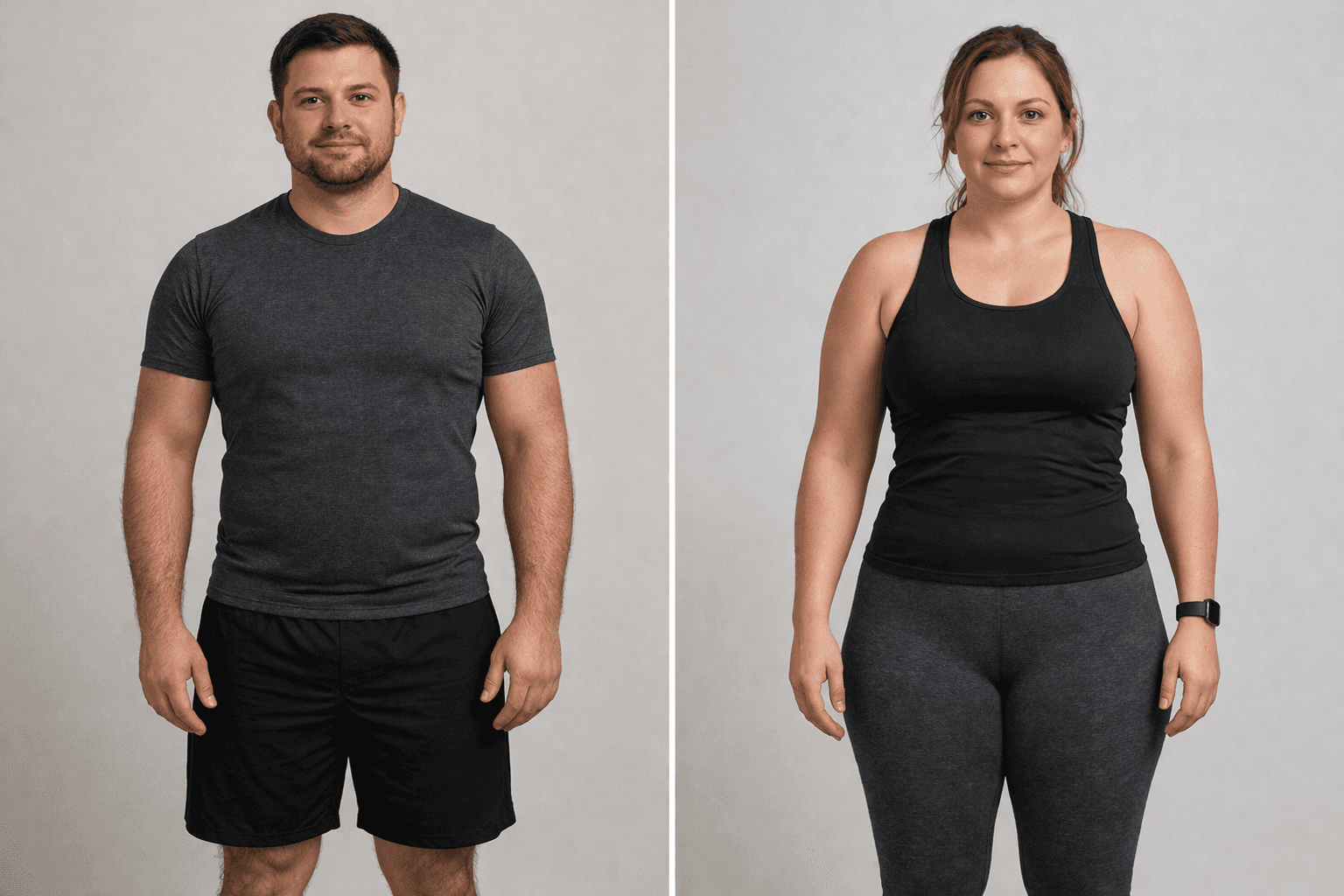
Body recomposition on keto is where things get really interesting. Unlike simple weight loss, body recomposition means simultaneously decreasing fat mass while maintaining or even increasing lean muscle mass.
The ketogenic diet offers several metabolic advantages for body recomposition that other diets don't provide:
First, keto helps keep insulin levels low, which boosts fat breakdown. At the same time, ketones may help protect muscle, even if you’re eating fewer calories. Research shows that ketones can reduce the breakdown of muscle-building amino acids, so your body is less likely to use muscle for energy when you’re in ketosis.
Second, keto may help you burn more calories. Some research suggests that very‑low‑carb or ketogenic diets can increase energy expenditure compared with high‑carb diets (meaning you might burn 200–300 extra calories a day). Coupled with the appetite‑suppressing effects of ketones, this could help you lose fat without sacrificing muscle
Third, the diet's high fat content supports hormone production. Dietary fat is essential for producing testosterone and other anabolic hormones that support muscle growth and maintenance. Many people on very low-fat diets experience drops in testosterone, which can sabotage body recomposition efforts.
But here's where keto body recomposition requires strategic thinking: achieving the right balance:
Body recomposition involves balancing energy intake to support fat loss while preserving lean mass.
You need adequate protein to support muscle protein synthesis, but not so much that you kick yourself out of ketosis through gluconeogenesis (the conversion of protein to glucose).
And you need to time your training properly to maximize the anabolic response.
Can You Build Muscle on Keto?
The short answer is yes, but it requires a more deliberate approach than traditional high-carb bulking protocols. The key is understanding that muscle growth depends on getting enough protein and doing resistance training, not just consuming carbs.
But, building muscle on keto does come with some considerations. Your strength performance might take a hit during the first few weeks as your muscles adapt to using fat for fuel.
Here's what you need to focus on:
1. Eat sufficient protein: Higher protein intake may help support lean mass during ketogenic diets, particularly when combined with resistance training.
2. Maintain a slight caloric surplus or eat at maintenance: True muscle building usually requires extra energy. Aim for a modest 200-300 calorie surplus above your maintenance level. This provides the energy needed for muscle protein synthesis without excessive fat gain.
3. Time your protein intake strategically: Distribute your protein across 3-4 meals to maximize muscle protein synthesis throughout the day. Include 25-40 grams of protein per meal.
4. Focus on progressive overload: This is non-negotiable. You must consistently challenge your muscles with increasing weight, volume, or intensity. Track your workouts and aim to add weight or reps over time.
5. Consider targeted or cyclical keto approaches: Some athletes use targeted ketogenic diets (TKD), where they consume 15-30 grams of fast-acting carbs 30 minutes before training to fuel high-intensity work without leaving ketosis for long. Others use cyclical ketogenic diets (CKD), where they follow strict keto for 5-6 days then have 1-2 higher-carb refeed days to replenish glycogen.
Can You Lose Weight on Keto?
Absolutely - weight loss, specifically fat loss, is probably the most well-documented benefit of the ketogenic diet. Numerous studies have demonstrated that keto can be highly effective for reducing body weight and body fat percentage, often more so than traditional low-fat, calorie-restricted diets.
The mechanisms behind keto's fat-loss effectiveness are multifaceted:
Keto helps lower insulin levels.
Ketones, the byproduct of burning fat, suppress appetite.
Keto meals are more filling.
Keto is also great for targeting visceral fat, the harmful fat around your organs that raises the risk of metabolic diseases. Studies show that low-carb diets reduce abdominal fat more effectively than low-fat diets.
To maximize fat loss on keto while preserving lean muscle, you can follow these evidence-based strategies:
1. Create a moderate caloric deficit: Aim to eat 300-500 calories below your total daily energy expenditure (TDEE).
2. Keep protein adequate to high: Even in a deficit, maintaining 0.8-1.0 grams of protein per pound of lean body mass helps preserve muscle tissue.
3. Let fat be your energy lever: Unlike protein (which should stay consistent) and carbs (which stay very low on keto), dietary fat is what you adjust based on your goals. When you want to lose fat, you eat less dietary fat, forcing your body to burn more stored body fat for energy. You still need enough fat to feel satisfied and support hormones, but you don't need to hit super high fat percentages if fat loss is your primary goal.
4. Track your macros and calories: While keto naturally reduces appetite, tracking ensures you're actually in a deficit and hitting your protein targets.
5. Incorporate resistance training: This is non-negotiable if you want body recomposition rather than just weight loss. Regular resistance training plays an important role in preserving or improving lean mass.
Keto-Friendly Food Categories
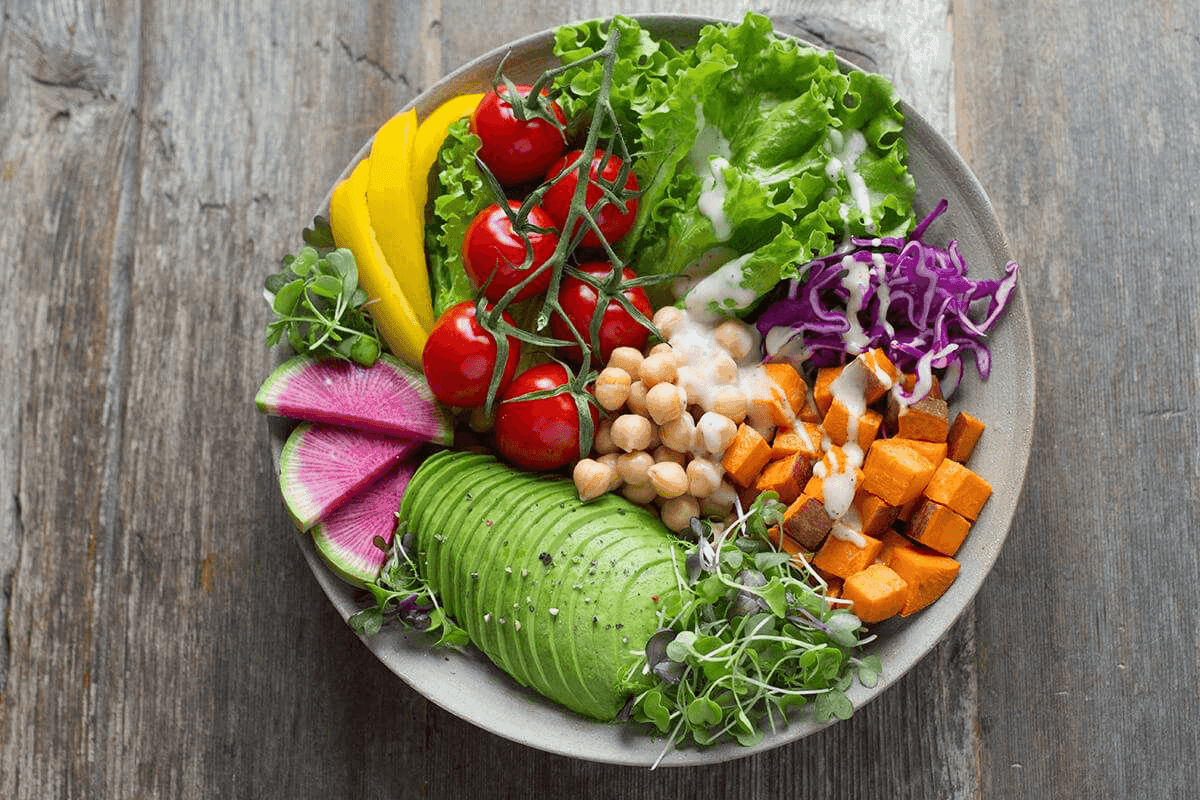
Common keto-friendly foods include:
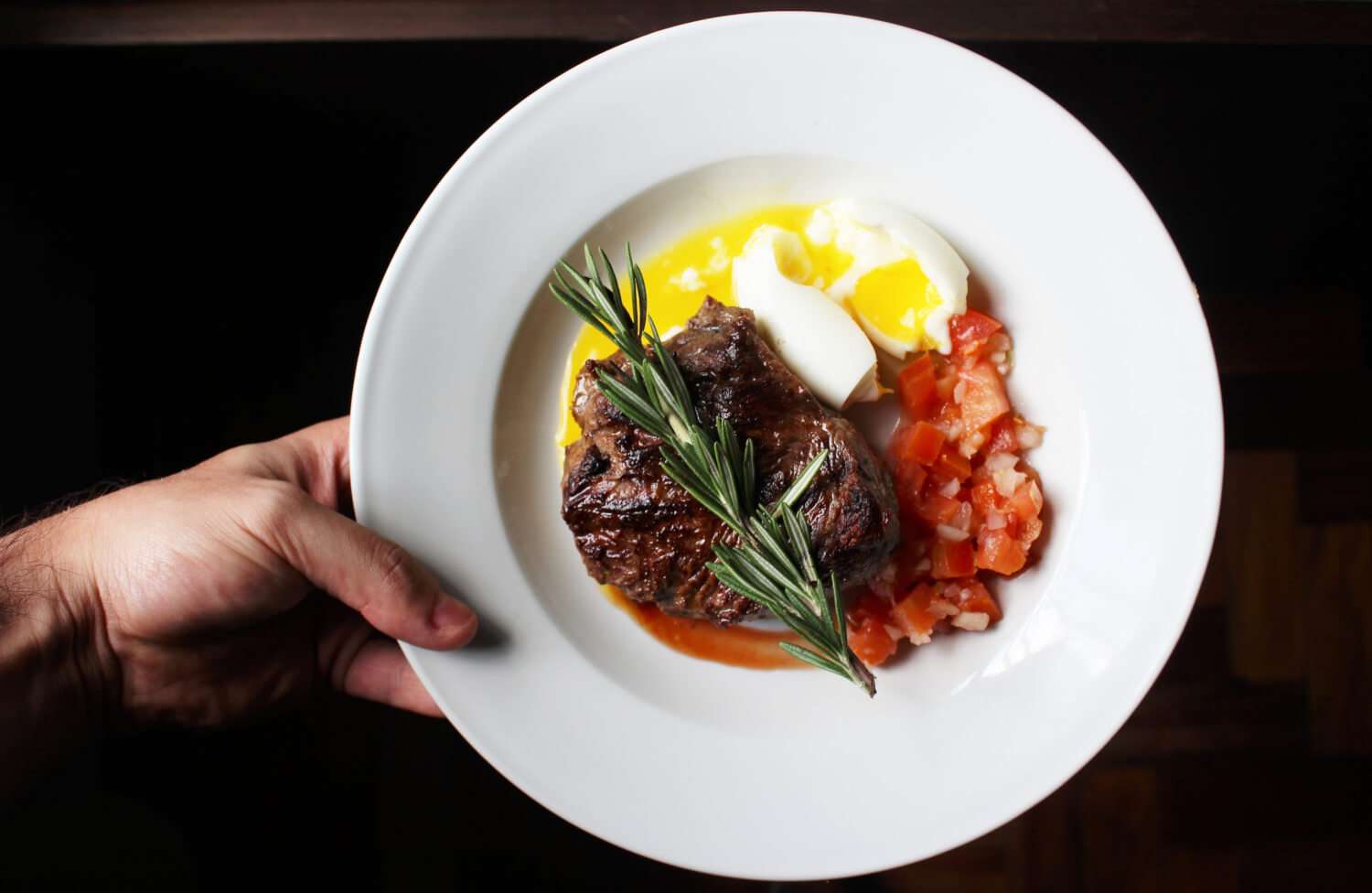
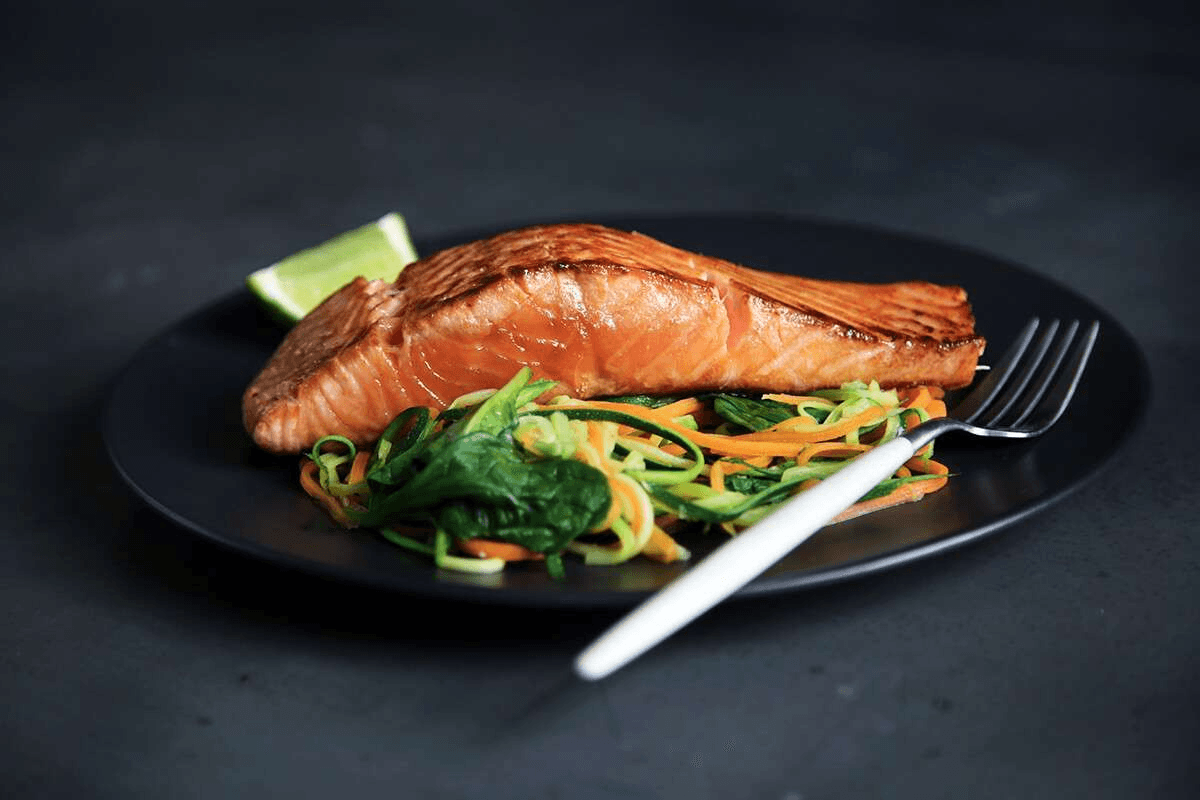
Protein sources: Eggs, beef, chicken, turkey, pork, fatty fish, and seafood
Low-carb vegetables: Leafy greens, broccoli, cauliflower, zucchini, cucumbers, and peppers
Healthy fats: Olive oil, avocado oil, butter, ghee, and coconut oil
Full-fat dairy: Cheese, Greek yogurt, sour cream, and cream (as tolerated)
Nuts and seeds: Almonds, macadamia nuts, walnuts, chia seeds, and flaxseeds
Avocados and olives: Whole-food fat sources with fiber and micronutrients
Herbs and seasonings: Fresh herbs, spices, vinegar, and low-sugar condiments
Is Keto For Everyone?
Despite its multiple benefits, the high-fat and low-carb nature of the ketogenic diet may not be recommended for:
Type 1 diabetics, who may experience diabetic ketoacidosis (not to be confused with ketosis) due to increased levels of ketones in the body
Individuals having issues with metabolizing fat and similar metabolic disorders
Women who are thinking about getting pregnant
Children because they still need carbs for growth and development
Although it has been shown that ketogenic diets may reduce cardiovascular disease risk, individuals with blood lipid profile issues may need to check with their doctors first and/or closely monitor their lipid profile levels while on the diet
High-level or professional in-season athletes
Consult a health professional before making major changes in diet.
Should I Be On Keto Forever?
Say you’ve accomplished your body composition goal. Should you go back to your usual diet and stop keto?
It’s up to you. Everyone’s goals and lifestyles are different. There’s nothing that says that you can’t stay on a ketogenic diet if you like it; for some people, this is the only diet that promotes good health.
Your relationship with keto should be pragmatic, not dogmatic. The question isn't "Should I be in keto forever?" but rather "Is keto currently serving my health, performance, and quality of life goals?" Answer that question honestly every few months, and adjust accordingly.
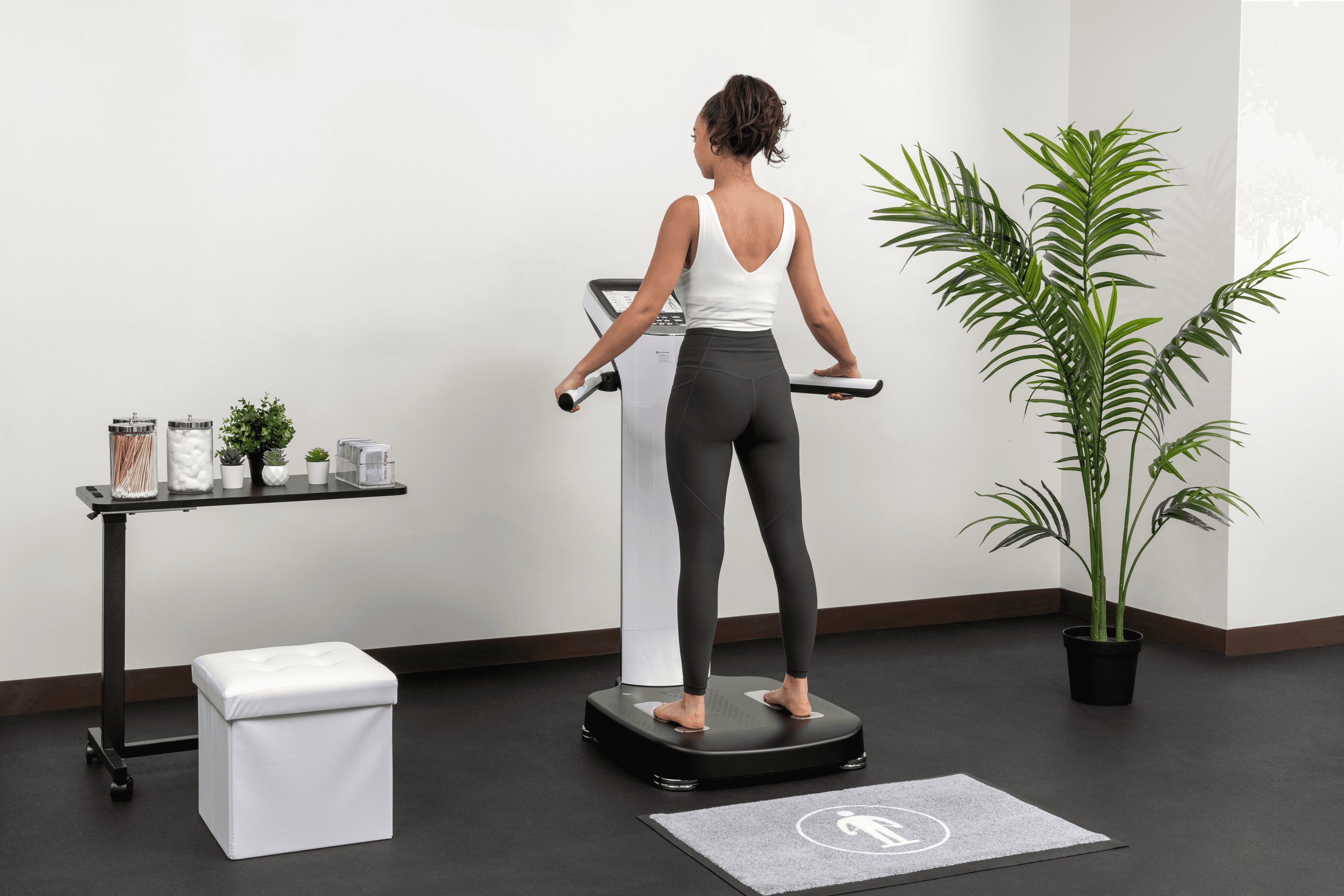
To track your progress effectively, consider using a body composition analyzer like InBody, which provides real-time, accurate insights into your body composition. The body composition history chart helps track changes over time, showing the effectiveness of your keto diet.
Frequently Asked Questions
Can you build muscle while in ketosis?
Yes, building muscle on keto is possible with adequate protein intake (0.8-1.2 grams per pound of lean mass), progressive resistance training, and a slight caloric surplus. Ketones have anti-catabolic effects similar to insulin, helping preserve muscle tissue during fat loss.
How long does it take to enter ketosis on a keto diet?
The shift into ketosis typically takes 2-7 days after drastically reducing carb intake below 50 grams daily. Full fat adaptation, where your body efficiently burns fat for fuel, usually occurs within 3-4 weeks of consistent keto adherence.
What is keto body recomposition?
Keto body recomposition is the process of simultaneously losing fat while maintaining or building lean muscle mass through a ketogenic diet. It leverages ketosis's low insulin environment to maximize fat burning while ketones help preserve muscle tissue during caloric restriction.
Do I need to eat carbs before workouts on keto?
Not necessarily. Once fat-adapted, most people train effectively without pre-workout carbs. However, some athletes use targeted keto (TKD), consuming 15-30 grams of fast-acting carbs before high-intensity training to fuel performance without exiting ketosis long-term.
How much protein should I eat on keto for body recomposition?
For body recomposition, aim for 0.8-1.2 grams of protein per pound of lean body mass, not total weight. This higher protein intake supports muscle growth and preservation while the protein-sparing effect of ketones minimizes muscle breakdown during fat loss.
What are the signs you're in ketosis?
Common ketosis signs include reduced hunger, stable energy without crashes, mental clarity, fruity breath odor (from acetone), and initial water weight loss. You can confirm ketosis through blood, breath, or urine ketone testing for measurable verification.
***
Kyjean Tomboc is a nurse turned freelance healthcare copywriter and UX researcher. After experimenting with going paleo and vegetarian, she realized that it all boils down to eating real food.