September 1, 2021
Not all body fat is the same, and understanding the difference matters. When most people think about losing fat, they’re usually referring to subcutaneous fat: the soft, pinchable layer just under your skin. It’s the fat you notice around your belly, thighs, hips, and the back of your arms.
The human body stores fat in several ways, including visceral fat (which surrounds internal organs), intramuscular fat (within muscles), and subcutaneous fat. While all three types serve essential biological roles, carrying excess subcutaneous fat can affect both your health and appearance.
So, how do you get rid of subcutaneous fat?
We’ll explore what causes subcutaneous fat to build up and share science-backed strategies to help you reduce it - safely, effectively, and for the long term.
Two Types of Body Fat
Adipose tissue, more commonly known as body fat, is an energy-dense connective tissue made up of lipids. It plays critical roles in hormone regulation, temperature control, nutrient absorption, and physical protection.
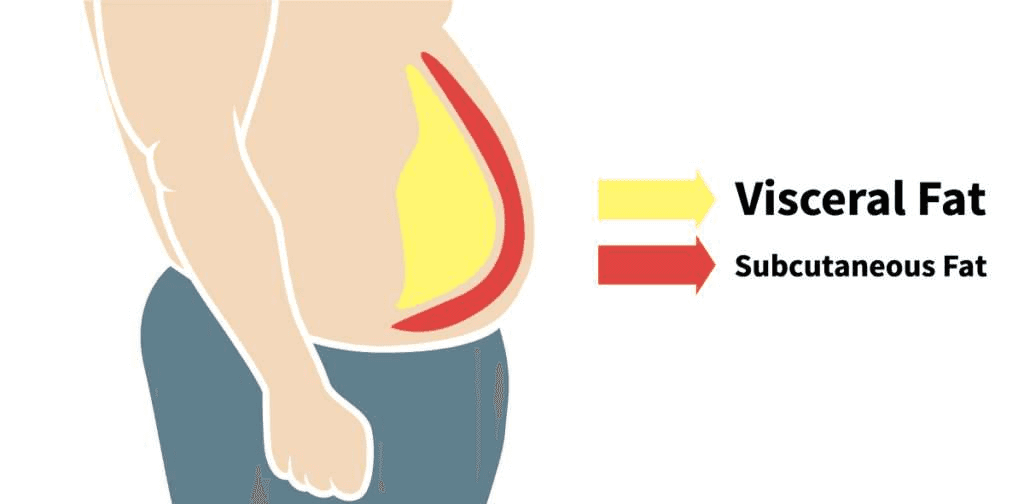
The two most common types of body fat are:
Visceral fat
Visceral fat is the fat stored deep inside your abdominal cavity. It wraps around vital organs like your liver, pancreas, and intestines. Unlike subcutaneous fat, you can’t see or pinch visceral fat - but it’s considered far more dangerous. High levels of visceral fat are strongly linked to chronic conditions such as:
Type 2 diabetes
Insulin resistance
Cardiovascular disease
Systemic inflammation
Subcutaneous fat
In contrast, subcutaneous fat is stored just beneath the surface of your skin, above the muscle layer. This is the fat you can pinch on your stomach, thighs, or arms. Everyone has it - and in moderate amounts, subcutaneous fat serves important functions:
Insulation and body temperature regulation
Energy storage
Protection for bones and muscles
Support for hormone and vitamin absorption
However, when your subcutaneous fat percentage becomes too high, it can contribute to physical discomfort, reduced mobility, and metabolic issues. While it’s less harmful than visceral fat, excessive subcutaneous fat can still affect your long-term health.
Compared to visceral fat, subcutaneous fat is more metabolically passive, meaning it doesn’t respond as quickly to diet and exercise. This makes it harder to lose, especially in areas like the lower abdomen, hips, and thighs.
Reducing it requires patience, consistency, and a multi-pronged strategy.
What is a Normal Subcutaneous Fat Percentage?
Studies suggest that subcutaneous fat typically accounts for about 85–90% of total body fat, with the remaining 10–15% being visceral fat.
Below are general body fat percentage categories for men and women, which help estimate how much subcutaneous fat may be present based on fitness level and age:
Average Body Fat % by Age – Men
Age Range | Average Body Fat % |
20–29 | 16–19% |
30–39 | 18–21% |
40–49 | 20–23% |
50–59 | 21–24% |
60+ | 22–25% |
Body Fat Percentage for Women
Age Range | Average Body Fat % |
20–29 | 22–25% |
30–39 | 24–27% |
40–49 | 26–30% |
50–59 | 28–31% |
60+ | 30–34% |
Women naturally carry more subcutaneous fat than men, particularly in the hips, thighs, and buttocks, due to estrogen-driven fat storage patterns and the energy demands of reproduction.
In contrast, men tend to store more fat, both visceral and subcutaneous, in the abdominal region.
Main Causes of Subcutaneous Fat
It is important to note that subcutaneous fat is naturally occurring and that it is normal to have some amount of subcutaneous fat present in your body. With that said, multiple factors can contribute to the development of excess subcutaneous fat that can cause adverse health outcomes and poorer health.
There are two primary sources of subcutaneous fat development: lifestyle habits and pre-existing medical conditions.
Lifestyle Habits and Subcutaneous Fat
Subcutaneous fat primarily builds up when you consume more calories than your body burns, creating a caloric surplus. Here’s how lifestyle plays a role:
Overeating and Poor Diet: Frequently consuming calorie-dense foods (especially those high in refined sugar, saturated fats, and processed ingredients) increases fat storage. Even “healthy” foods can contribute to fat gain if eaten in excess.
Lack of Physical Activity: A sedentary lifestyle lowers your daily energy expenditure, making it easier to tip into a calorie surplus. Without consistent movement or exercise, your body stores more energy than it uses.
Sleep Deprivation: Inadequate sleep disrupts appetite-regulating hormones like ghrelin (which increases hunger) and leptin (which signals fullness), often leading to increased cravings and overeating.
Excessive Alcohol Intake: Alcohol provides empty calories - about 7 calories per gram - and can interfere with fat metabolism. Regular drinking often leads to fat accumulation, particularly in the abdominal region.
Pre-existing medical conditions and subcutaneous fat
In addition to lifestyle, several internal factors can make subcutaneous fat gain more likely or more stubborn to lose:
Genetics: Your genetic blueprint influences where and how your body stores fat. Some people are predisposed to carry more fat in certain areas, such as the hips, thighs, or belly.
Hormonal Imbalances: Elevated cortisol (a stress hormone), insulin resistance, and hormonal fluctuations related to menopause, pregnancy, or conditions like PCOS (Polycystic Ovary Syndrome) can all promote subcutaneous fat gain.
Age: As you age, your metabolism slows and muscle mass naturally declines (sarcopenia). Less muscle means fewer calories burned at rest, increasing the likelihood of fat accumulation unless diet and activity levels are adjusted.
Medications: Certain prescription drugs, including antidepressants, antipsychotics, steroids, and some diabetes medications, can alter metabolism or appetite, leading to unintended weight gain.
What Are the Health Risks of Too Much Subcutaneous Fat?
While subcutaneous fat is less dangerous than visceral fat, carrying excessive amounts can still pose health risks and affect your quality of life:
1. Increased Risk of Chronic Diseases
High levels of total body fat, which includes subcutaneous fat, are associated with elevated risk for:
Type 2 diabetes
Cardiovascular disease
Hypertension (high blood pressure)
Certain cancers (notably breast and colorectal)
Metabolic syndrome
Although visceral fat is more strongly linked to these conditions, excess subcutaneous fat often indicates overall energy imbalance and increased total fat mass, both of which stress your body’s metabolic systems.
2. Joint Strain and Mobility Issues
Carrying excess subcutaneous fat, especially in the hips, thighs, and abdomen, increases the load on weight-bearing joints like the knees, hips, and lower back. This can lead to:
Chronic joint pain
Reduced flexibility and range of motion
Higher risk of osteoarthritis
It also makes physical activity more difficult, which may trigger a cycle of inactivity and further fat accumulation.
3. Sleep Apnea
Excess fat around the neck and upper airway, often subcutaneous, can contribute to obstructive sleep apnea (OSA), a condition where breathing repeatedly stops and starts during sleep. This results in:
Poor sleep quality
Daytime fatigue
Increased cardiovascular risk
4. Hormonal Imbalance
Adipose tissue is metabolically active, not just a passive energy reserve. Excess fat produces:
Estrogen and leptin, which can disrupt hormonal balance
Pro-inflammatory cytokines, which impair insulin sensitivity and reproductive health
This hormonal disruption can contribute to conditions like PCOS, insulin resistance, and even infertility in some cases.
5. Inflammation and Accelerated Aging
High levels of body fat contribute to chronic low-grade inflammation, which has been linked to:
Faster biological aging
Impaired immune response
Increased risk of cardiovascular and neurodegenerative diseases
How to Get Rid of Subcutaneous Fat?
Losing subcutaneous fat takes time, consistency, and a multi-faceted approach. There’s no quick fix, but with the right strategy, you can reduce it safely and sustainably while improving your overall health:
1. Create a Sustainable Caloric Deficit
The foundation of fat loss is simple: burn more calories than you consume. A moderate caloric deficit of 300–500 calories per day typically results in a safe fat loss rate of 0.5–1 pound per week.
Avoid extreme diets - aggressive deficits can cause muscle loss and metabolic slowdown.
Track your intake using a food journal or app; studies show most people underestimate calories by 20–50%.
2. Prioritize Protein Intake
Protein helps preserve lean muscle mass during fat loss and keeps you full for longer.
Aim for 0.7–1 gram of protein per pound of body weight.
Include sources like lean meats, eggs, fish, Greek yogurt, tofu, legumes, or protein powders.
Protein also has a higher thermic effect than carbs or fats, meaning your body burns more calories digesting it.
3. Eat Whole, Nutrient-Dense Foods
Build your meals around:
Vegetables, fruits, whole grains
Lean proteins and healthy fats (like olive oil, avocado, nuts)
Avoid or minimize:
Ultra-processed snacks
Sugary drinks
Refined carbohydrates
These processed foods are calorie-dense but low in satiety, making fat loss harder to sustain.
4. Incorporate Cardiovascular Exercise
Cardio increases daily energy expenditure, helping you reach a caloric deficit.
Aim for 150+ minutes of moderate-intensity cardio (e.g., brisk walking, cycling) or
75 minutes of vigorous-intensity cardio (e.g., HIIT, running) per week
High-Intensity Interval Training (HIIT) is especially effective - combining short bursts of activity with recovery periods, HIIT can boost fat oxidation and metabolism long after the workout ends.
A 2023 meta-analysis of 44 studies confirmed that HIIT significantly reduces subcutaneous and visceral fat mass, particularly in overweight individuals.
Source – NIH/NLM PMC
5. Build Lean Muscle with Resistance Training
Muscle increases your resting metabolic rate, meaning you burn more calories at rest.
Train 2–3 times per week, covering all major muscle groups
Use bodyweight exercises, free weights, machines, or resistance bands
Focus on progressive overload — gradually increase weight or reps over time
This not only helps reduce subcutaneous fat but also gives your body a more defined, toned appearance.
Resistance training was shown to reduce both visceral and subcutaneous fat in adults, even without significant weight loss.
6. Increase Non-Exercise Activity (NEAT)
Non-exercise movement - walking, standing, cleaning, fidgeting - significantly impacts daily calorie burn.
Aim for 7,000–10,000 steps per day
Take the stairs, stand while working, or walk after meals to boost NEAT
7. Sleep 7–9 Hours per Night
Lack of sleep disrupts hormones like ghrelin (increases hunger) and leptin (signals fullness), making it harder to control appetite.
Set a regular sleep schedule
Avoid screens 1 hour before bed
Keep your room dark and cool
Sleep also affects insulin sensitivity and how much fat vs. muscle your body loses during a calorie deficit.
8. Manage Stress and Cortisol
Chronic stress raises cortisol, a hormone linked to abdominal subcutaneous fat gain and emotional eating.
Use stress-reduction techniques like meditation, journaling, nature walks, or yoga
Even 10–15 minutes of daily relaxation can help regulate stress-driven fat storage
9. Stay Hydrated
Proper hydration supports:
Metabolism
Appetite control
Exercise performance
Aim for at least 8 glasses (64 oz) of water per day - more if you’re active or in a hot environment.
10. Be Patient and Consistent
Subcutaneous fat is stubborn, often the last to go. Your body may lose visceral fat first, which improves health even before you notice visual changes.
Fat loss is not linear - expect weeks of plateau and progress
You can’t spot-reduce fat from specific areas - your body decides where it burns fat first and last, largely based on genetics
Realistic progress = 0.5–2 pounds per week. Avoid comparing your journey to others - consistency always wins.
How to Measure Subcutaneous Fat
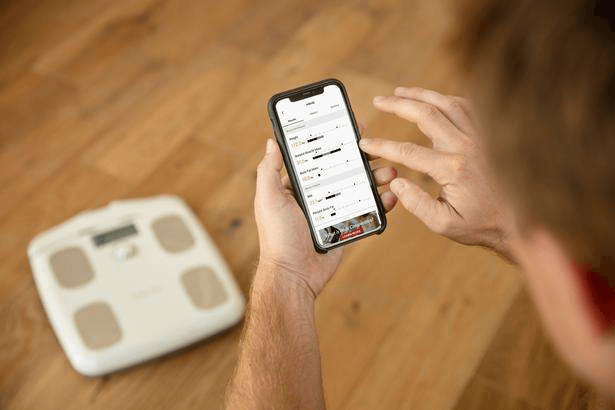
Now, for those curious about how much subcutaneous fat they have on their body, there are ways to measure it accurately!
Not all fat measurement tools distinguish between visceral and subcutaneous fat, but the methods below offer varying levels of accuracy and accessibility:
1. Skinfold Calipers (At-Home or In-Gym)
It measures skinfold thickness at specific sites (e.g., abdomen, thigh, triceps) using a handheld device. Results are used to estimate body fat percentage via formulas.
Pros: Inexpensive, accessible
Cons: Depends heavily on user skill and consistency
Accuracy: ±3–5% margin of error
2. Ultrasound (Ultrasonography)
Uses sound waves to measure fat thickness beneath the skin at specific locations, such as the abdomen or thighs.
Ultrasonography has also been proven to be a successful way to measure subcutaneous fat. Significantly more affordable and portable than CT scans and MRIs, ultrasonography does not require exposing the patient to radiation to get accurate results.
Pros: No radiation, portable, relatively accurate
Cons: Requires trained technician, may not be widely available in fitness settings
Accuracy: High - particularly when tracking localized fat changes
3. MRI (Magnetic Resonance Imaging) and CT Scans
Produces high-resolution images of fat distribution across the body, differentiating subcutaneous from visceral fat volumes.
Research into the accuracy of CT scans and MRIs for calculating subcutaneous body fat has started to emerge. While these methods are accurate, they are expensive and can be hard to coordinate regularly for those looking for repeat readings.
Pros: Gold standard for accuracy
Cons: Very expensive, not practical for routine use
Accuracy: Extremely high - but generally reserved for research or medical evaluation
4. Bioelectrical Impedance Analysis (BIA) Scales
Sends a weak electrical current through your body; fat slows the current more than muscle or water.
Pros: Convenient and inexpensive
Cons: Measures total fat, not subcutaneous specifically; affected by hydration status
Accuracy: ±4–6% margin of error
Advanced BIA: InBody USA Analyzers
For those seeking a more clinical-grade option, InBody analyzers are professional-grade BIA devices that provide a much more detailed analysis compared to basic bathroom scales.
Use Direct Segmental Multi-Frequency BIA (DSM-BIA) to measure body composition by segment (arms, legs, trunk) and by frequency (to capture intracellular vs. extracellular water)
Report fat mass, lean mass, visceral fat estimates, segmental fat distribution, and more
Provide accurate, repeatable measurements when protocol is followed correctly
Widely used in hospitals, gyms, sports clinics, and wellness centers
Key Takeaways
Getting rid of subcutaneous fat requires creating a sustained calorie deficit through smart nutrition, consistent exercise, and lifestyle changes.
Combining cardiovascular exercise with resistance training is essential, as building muscle increases your metabolic rate and helps burn more calories even at rest.
You cannot spot-reduce subcutaneous fat from specific areas; your body determines where fat is lost based on genetics and hormones.
Prioritizing protein intake (0.7-1 gram per pound of body weight), quality sleep (7-9 hours), and stress management optimizes fat-burning hormones and prevents overeating.
Subcutaneous fat is more stubborn than visceral fat and takes longer to reduce, so patience and consistency are critical for achieving sustainable results.
Frequently Asked Questions
How long does it take to get rid of subcutaneous fat?
Reducing subcutaneous fat takes patience and consistency, with healthy progress typically ranging from 0.5-2 pounds per week. Subcutaneous fat is stubborn and responds more slowly than visceral fat, so visible results may take several weeks to months depending on your starting point and adherence to diet and exercise.
What is the difference between subcutaneous fat and visceral fat?
Subcutaneous fat sits directly under your skin and can be pinched, while visceral fat is stored deep in your abdominal cavity around organs. Visceral fat is more metabolically active and poses greater health risks, but subcutaneous fat responds more slowly to diet and exercise changes.
Can you spot-reduce subcutaneous fat from specific areas?
No, spot reduction is not possible. Your body determines where it loses fat based on genetics, hormones, and other factors. While targeted exercises strengthen specific muscles, they won't burn fat exclusively from that area. A comprehensive approach reduces subcutaneous fat throughout your entire body gradually.
What's the best exercise to burn subcutaneous fat?
The most effective approach combines cardiovascular exercise like running or cycling to burn calories with resistance training to build muscle and boost metabolic rate. Aim for at least 150 minutes of moderate cardio weekly plus 2-3 strength training sessions targeting all major muscle groups.
Why is subcutaneous fat harder to lose than visceral fat?
Subcutaneous fat is less metabolically active than visceral fat and serves as long-term energy storage, making it more resistant to mobilization. Your body prioritizes burning visceral fat first due to its proximity to organs, so subcutaneous fat often remains stubborn even with consistent diet and exercise.
Does drinking water help reduce subcutaneous fat?
While water doesn't directly burn subcutaneous fat, staying hydrated supports metabolism, helps control appetite, and provides a zero-calorie alternative to sugary drinks. Adequate hydration, at least 64 ounces daily, complements your overall fat loss strategy by preventing mistaking thirst for hunger.