Product

Software

Resources

Company

Case Studies

Case Studies

Join our mailing list. We never spam.

Case Studies

Case Studies

Join our mailing list. We never spam.

Case Studies

Case Studies

Join our mailing list. We never spam.

All

Case Studies

Articles

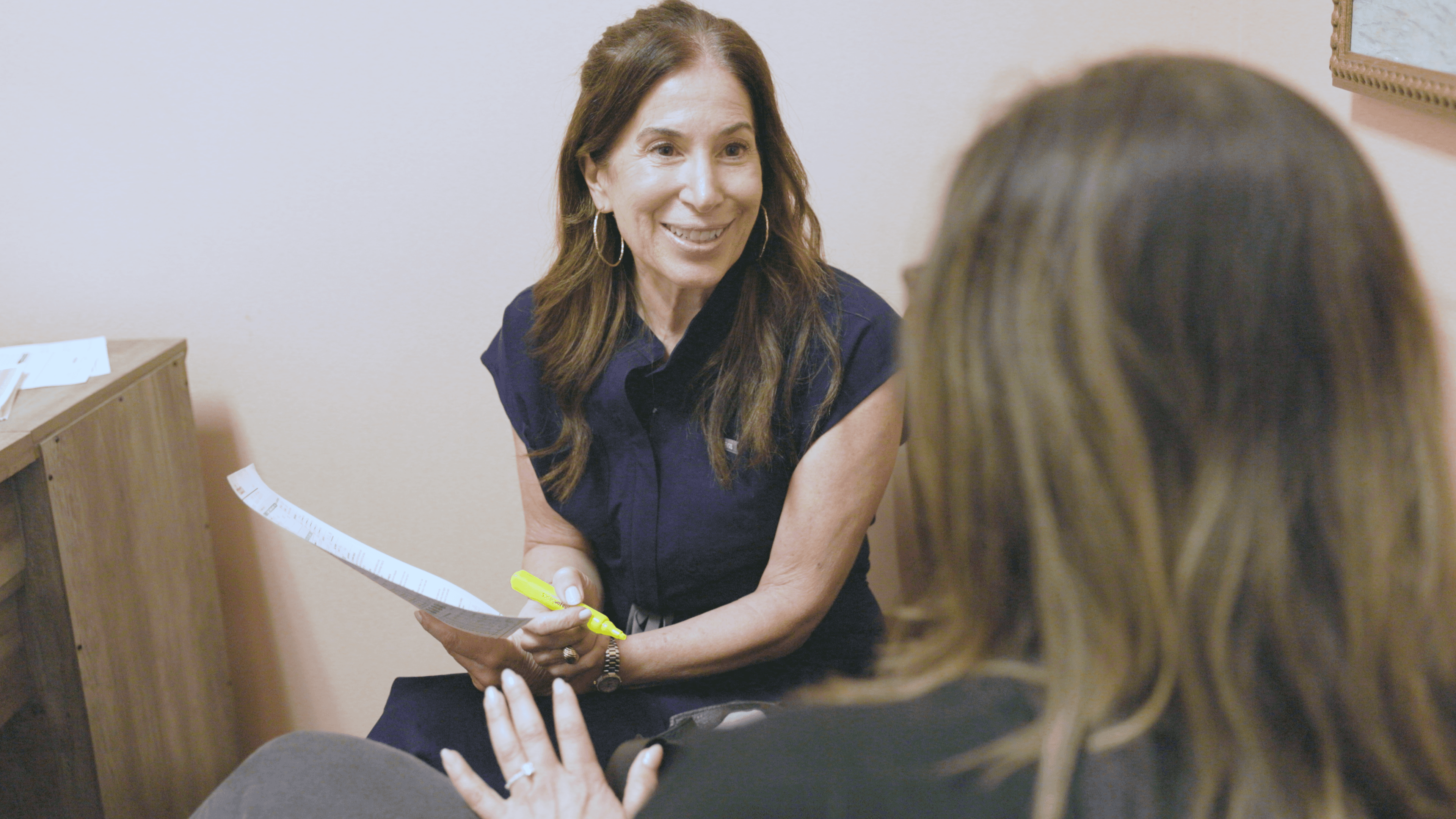
Sydney Skinner, PA-C at Thrive Medical Weight Loss, is consulting with a patient.

Medical Field

Sep 11, 2025

The Missing Piece in GLP-1 Weight Loss: How Thrive & InBody Protect Muscle

Medically reviewed by Sydney Skinner, PA-C | Updated on September 2025

Thrive Medical Weight Loss, located in Pico Rivera, California, is a medically supervised clinic offering safe, personalized weight-loss solutions. These include GLP-1 weight loss prescriptions like Wegovy and Zepbound, vitamin injections, and supplements. 

To ensure patients lose fat without sacrificing muscle, the clinic uses the InBody body composition scale. Sydney Skinner, PA-C, quickly adopted InBody into her GLP-1 weight loss program after seeing its accuracy in tracking body fat, visceral fat, and muscle.
What Are GLP-1 Medications?

GLP-1 medications are a class of prescription drugs originally developed to treat type 2 diabetes but now widely used for weight management. GLP-1 stands for glucagon-like peptide-1, a natural hormone that helps regulate blood sugar, appetite, and digestion.

These medications mimic the effects of GLP-1 in the body. They slow down how quickly food leaves the stomach, reduce appetite by signaling fullness to the brain, and help control blood sugar levels.

When combined with healthy lifestyle changes, GLP-1 medications can lead to significant weight loss. However, they can also cause unintended muscle loss if progress isn’t carefully monitored.

Why GLP-1 Weight Loss Needs Context

Historically, weight loss has been oversimplified as just a lower number on the bathroom scale. But not all weight loss is created equal. Without context, you may be losing as much muscle as fat.

Losing muscle:

  • Reduces metabolic rate, making it harder to maintain weight loss

  • Increases frailty, especially in older adults

  • Raises the risk of chronic conditions like diabetes, heart disease, and osteoporosis

The rise of GLP-1 receptor agonists (e.g., semaglutide and tirzepatide) has amplified this concern. These medications are highly effective for weight reduction, but their strong appetite-suppressing effects can reduce protein intake. Without proper monitoring, that calorie deficit may accelerate lean muscle loss alongside fat.

The Risks: Muscle Loss on GLP-1s

GLP-1 medications have shown remarkable results, with many patients losing 15–20% of their body weight within a year. For individuals with obesity or metabolic syndrome, these outcomes can be life-changing.

But there’s a hidden danger. Recent research summarized in Nature Reviews Endocrinology reported that up to 40 percent of total weight lost during GLP-1 therapy may come from lean mass in the absence of nutrition and exercise interventions. Losing muscle compromises metabolic health and elevates the risk of weight regain post-medication. That means the number on the scale may look impressive, but the quality of the weight loss could actually undermine long-term health.

Making GLP-1 Weight Loss Safe, Effective, and Sustainable

Thrive Medical Weight Loss addresses the muscle loss issue by pairing GLP-1 therapy with InBody body composition analysis, ensuring fat loss is safe, sustainable, and protective of muscle and metabolism. 

Unlike a standard scale that only shows pounds lost, InBody separates weight into fat, muscle, and water. This allows providers to see what type of weight a patient is losing, making sure progress comes primarily from fat, not muscle.

At Thrive, Sydney Skinner, PA-C, emphasizes that GLP-1 for weight loss programs must include body composition monitoring.

“I can monitor them and make sure they’re not losing too much weight. The right combination of exercise, protein, and monitoring them closely during their weight loss is very key — and the InBody is just essential.”

The Proven Solution: GLP-1 Weight Loss With InBody Monitoring

Thrive uses a five-step approach that pairs the power of GLP‑1 medications with data-driven insights delivered via routine InBody scans and patient education.

Step 1: Baseline Assessment

Every new patient kicks off their program with a complete health evaluation that includes an InBody scan to establish their baseline. Unlike bathroom scales or BMI charts, InBody provides detailed insight into:

  • Skeletal Muscle Mass

  • Percent Body Fat

  • Visceral Fat Level

  • Body Water

  • Basal Metabolic Rate

  • Segmental Lean Analysis

The baseline that InBody delivers gives patients clarity and motivation. Patients learn why preserving muscle matters, why visceral fat is dangerous, and why the goal is fat loss with muscle preservation.

Step 2: GLP‑1 Medication Onboarding

Patients start on GLP-1 for weight loss responsibly - titrated slowly with counseling on hydration, electrolytes, and protein. Patients receive counseling on hydration, electrolytes, and protein intake, which are critical to maintaining muscle while taking appetite-suppressing medication.

Step 3: Nutrition and Exercise Coaching

Because GLP‑1s reduce hunger, patients often under-eat, especially protein. Thrive combats this with structured strategies:

  • Protein-first approach: Prioritize 100–120g of protein daily

  • Resistance training: 2–3 sessions per week

  • Movement goals: Walking, stretching, and low-impact cardio

  • Meal planning support

The goal of this multi-tiered approach is to reteach healthier habits with a focus on a protein-rich diet to ensure patients preserve muscle mass during their GLP-1 program.

Step 4: Regular InBody Monitoring
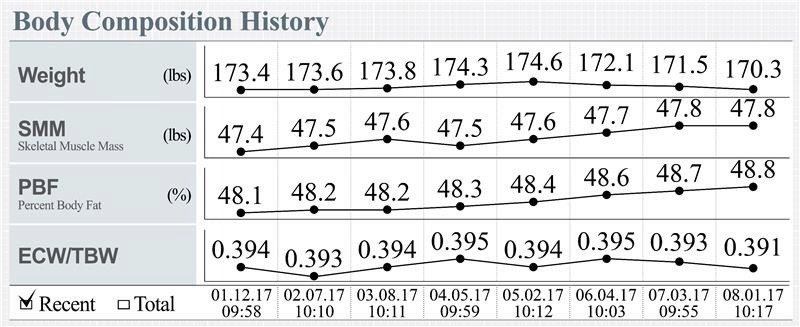
Close up of the Body Composition History metric from an InBody Result Sheet.

*InBody 570 Result Sheet outputs shown; outputs may differ depending on the model

Patients return every 2–4 weeks for follow-up InBody scans. These check-ins:

  • Track muscle vs. fat loss via the Muscle-Fat Analysis metric

  • Monitor visceral fat reduction via the Visceral Fat Level output

  • Provide real-time feedback on progress shown via the Body Composition History chart and motivate patients to follow through 

When patients see tangible improvements in body fat percentage, visceral fat, and muscle retention, it gives them the confidence and motivation needed to be successful in their weight loss program. 

Step 5: Data-Driven Adjustments

If the InBody scan reveals that a patient’s skeletal muscle mass declines, Thrive acts immediately by:

  • Increasing protein targets

  • Adding extra resistance workouts

  • Adjusting medication titration if weight loss is too rapid

This proactive approach prevents the “skinny fat” outcome that plagues other weight loss programs.

Why Muscle Matters in GLP-1 Programs

Muscle is a metabolically active tissue. Losing muscle reduces basal metabolic rate, the total number of calories you need for your basic essential functions, making weight maintenance more difficult. It also weakens the body, increases the risk of injury, and accelerates age-related frailty.

Without resistance training and adequate protein, GLP‑1 patients risk long-term harm — even as they look thinner.

GLP-1 Weight Loss Success Story: Jane's Transformation

Before getting in touch with Thrive, Jane had tried multiple weight loss programs with varying degrees of disappointing results, but had heard promising things about Thrive’s GLP-1 programming.

Jane's goals were to lose not just weight, but body fat while maintaining her muscle mass. Her initial InBody scan established an essential baseline that revealed where her body composition was at, where she wanted it to be, and the path to get there:

  • Weight: 180.1 lbs

  • Percent Body Fat: 46.9% 

  • Skeletal Muscle: 52.7 lbs

After just nine months of Thrive’s integrated program, Jane was astounded by the tremendous progress made tangible by her routine InBody scan:

  • Weight: 150.3 lbs (↓ 30 lbs)

  • Percent Body Fat: 37.7% (↓ 9.2%)

  • Muscle: 51.6 lbs (preserved)

Metric

Before Thrive (Baseline)

After 9 Months

Change

Weight

180.1 lbs

150.3 lbs

↓ 30 lbs

Percent Body Fat

46.9%

37.7%

↓ 9.2%

Skeletal Muscle

52.7 lbs

51.6 lbs

Maintained

Jane was able to lose nearly 30 pounds of fat while essentially maintaining the muscle mass she had at the beginning of her program. 

Bottom Line: Sustainable GLP-1 Weight Loss With Muscle Protection

Thrive Medical Weight Loss has redefined what safe and sustainable GLP-1 weight loss should look like. By combining InBody’s advanced body composition technology with personalized nutrition, structured exercise, and ongoing patient education, every pound lost works toward long-term health, not against it. Their evidence-based approach prioritizes muscle preservation, metabolic health, and patient empowerment, ensuring results that go beyond the scale.

In a weight loss industry often dominated by quick fixes and temporary solutions, Thrive stands apart through its integration of science, compassionate care, and accountability. 

FAQs

How does GLP-1 work for weight loss?

GLP-1 mimics the hormone GLP-1, reducing hunger and slowing digestion. By reducing hunger signals to the brain, slowing digestion so food stays in the stomach longer, and improving insulin sensitivity, these drugs make it easier to eat less, feel full sooner, and maintain more stable blood sugar levels. 

What’s the best GLP-1 for weight loss?

Options like Wegovy and Zepbound are commonly prescribed, but the best choice depends on your medical history.

Who Is a Good Fit for GLP-1 Medications?

GLP-1 medications are generally prescribed for adults with obesity (BMI ≥30) or those who are overweight (BMI ≥27) with related health conditions such as type 2 diabetes, high blood pressure, or high cholesterol.  

Are GLP-1s Safe?  

GLP-1 medications are FDA-approved and widely studied, but like any treatment, they can have side effects. The most common include nausea, vomiting, diarrhea, constipation, and stomach discomfort, which often improve over time. Less common but more serious risks can include pancreatitis, gallbladder issues, or thyroid tumors in certain individuals. Regular medical supervision is essential to ensure safe use and to adjust treatment as needed.

How Do You Get the Most Out of Your GLP-1 Treatment?

GLP-1s work best when combined with healthy lifestyle habits. Eating enough protein and incorporating resistance training help protect muscle while losing fat. Staying consistent with follow-up visits and body composition checks, such as with an InBody scan, ensures progress is monitored and treatment is adjusted if muscle loss is detected.  

What Happens When You Stop Taking GLP-1s?

If GLP-1 medication is stopped, appetite typically returns to normal, and some patients regain weight if new lifestyle habits aren’t in place. Without careful planning, lost fat and muscle can come back, making long-term success more difficult.  

"Stone Creek community entrance sign

Fitness Field

Jun 7, 2019

How InBody Helped Stone Creek Club & Spa Serve their Members and their Community Better

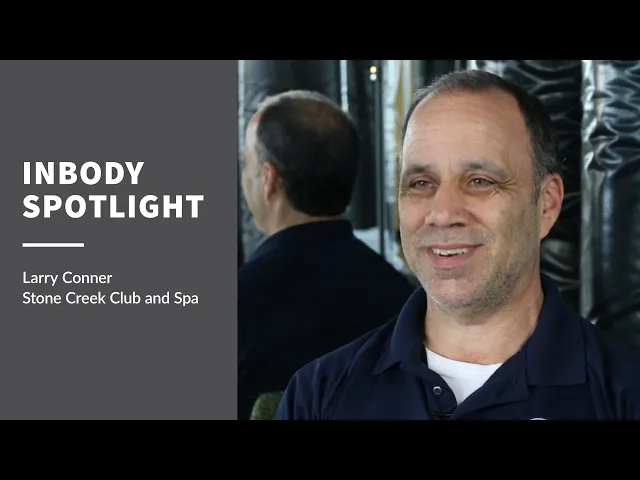
Since 2009, Stone Creek Club & Spa has established itself as a pillar of the Covington Community. The club has received recognition for its outstanding customer service and philanthropic efforts. To date, the club has received awards in a wide range of categories including “Best Club”, “Best Day Spa”, “Best Tennis Courts”, “Best Personal Trainer”, and “Business of the Year”.

Larry Conner is the general manager of Stone Creek Club & Spa. He has over 30 years of experience in the fitness and hospitality industry. Conner brought in the InBody to try it out with the club’s weight loss challenge. After an enthusiastic response, he bought the device and implemented InBody testing into various club programs. After delivering incredible results for his club members, Conner took his InBody out into the community to help people learn more about their body compositions.  

Developing an Everyday Getaway

In 2009, Stone Creek Club & Spa faced great challenges. The Great Recession was in full swing, and they were trying to break into a market that had two established health clubs that catered to 40% of the local population.

Conner and the leadership team had to commit to a clear vision that would help their club stand out. The established health clubs focused on large group events like summer camps, swim teams, and daytime birthday parties. Stone Creek differentiated itself by catering to the individual. That meant sacrificing lucrative secondary sources of revenue, such as summer camps and parties because those would detract from the individual experience.

Another point of differentiation was memberships and contracts. Stone Creek capped memberships – and potentially miss out on income – to create a more welcoming club experience. They also offered flexible month-to-month payment plans because they didn’t want to trap people in long contracts. It was all part of their vision to create an “everyday getaway” for their members through individual attention and service.  

When you are trying to establish a unique business model in a competitive market during tough economic times, the chance for failure is high. But after ten years it’s clear that their vision is working. Today, Stone Creek has a loyal active membership base, boasts annual revenues that exceed $7.4 million, and is beloved by the Covington Community. But that’s only where this story begins.

The ongoing challenge you have as a health club is that once you build something out, you have to keep updating it. You can’t sit with the same product you had years ago. You have to keep your facility fresh, innovative, and make sure you have the latest and greatest equipment.

It was this pursuit to keep Stone Creek on the forefront and up-to-date that led Conner to InBody.

Starting Off On the Right Foot

After seeing the InBody device at a networking event, Conner felt that the body composition analyzer would be a valuable addition to their weight loss contests by providing accurate measurements of body fat percentage. That hunch turned out to be right.

It was such a big hit in our weight loss contest that I bought it immediately. Within 3 months we were able to pay for that unit from simply charging per test.

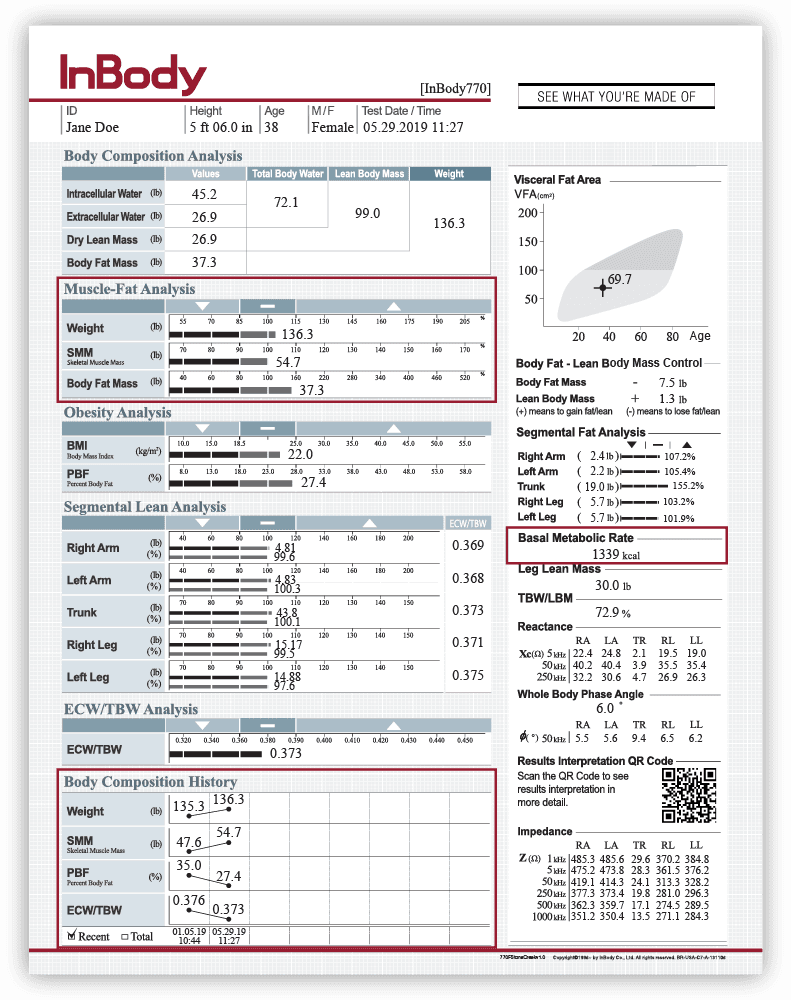
The pay-per-test program was a successful new revenue stream. A member would pay a fee, take an InBody test, and then receive a comprehensive review of the InBody Result Sheet from a trainer. The InBody Result Sheet allowed members to only see their body fat percentage, but they received other key metrics like muscle distribution, metabolic rate, and visceral fat. The success of the program encouraged Conner to incorporate testing into a variety of programs, from weight loss competitions to tennis lessons, because he knew that every person at the club had something to gain from taking an InBody Test. Today, every new member gets an InBody Test with a consultation to help them start off on the right foot. The consultation has also proven to be a great way to introduce members to different services the club offers.

Sample Result Sheet Provided by InBody USA

In our business, we need to be able to respond to members’ needs quickly and the InBody provides that. The average user does not know much about themselves…by giving access to the InBody to more people it’s become a common part of our business, and the results have just helped change people’s lives.

Taking Programs to the Next Level

Incorporating InBody into different areas of the club has helped delivered results for both members and the program. InBody helps Stone Creek’s personal training clients visualize progress and find areas of improvement that they may have missed by using a mirror or a weight scale.

You can tell people the importance of staying balanced and show them techniques, but when you show them a test result that shows it, that helps the client to focus on following the exercise plan.

Conner has a unique story that highlights both the accuracy and precision of the InBody device. One of Stone Creek’s trainers had a client that suffered from shoulder pain. The InBody Test revealed that one side of her body was stronger than the other, resulting in muscle imbalance and pain. After learning more about her day-to-day activities, the trainer and the client figured out that the way she walked her dogs was the cause of her imbalance. She had three large dogs she always walked with the same arm. The yanking and pulling caused her to develop shoulder imbalance and pain. The trainer made adjustments to her personal training, and she adjusted her dog walking, and together they tracked the progress on the InBody Result Sheet. Today the client is in balance and pain-free.

It’s unique insights like this that have helped Stone Creek enhance their personal training.

Our personal training has grown drastically, says Larry Conner. Now can I say it’s solely due to the InBody? No, it is a combination of having great trainers and things you offer. But I believe the InBody has been an important part of that growth—and it’s helped us get to that next level in our personal training program.

Another program that saw a significant boost was the weight loss program. The program was already using InBody, but after they increased the frequency of InBody testing to every week, they saw a 50% increase in enrollment.

There were skeptics that did not believe in the accuracy of the results, but once they tested on the device, they became believers.

We had a local doctor that did not believe in it. She did tests that cost hundreds and hundreds of dollars. When we compared the InBody versus those results, it was very close to exactly the same results. She was immediately a fan of the InBody.

The positive response and impact they were seeing within the club were so tremendous that Conner knew he could use the device to make a positive impact in the surrounding community.

Sharing the Gift of Knowledge  

From day one, Stone Creek focused on being an active participant in their community. Every year, Stone Creek raises between $300,000 to $500,000 in direct contributions to local and national charities. That doesn’t include giveaways for auctions and member donations to the community. Notable highlights include providing Christmas presents to 180 needy children, donating around 300 teddy bears to pediatric patients in local hospitals, and purchasing PE equipment for all 27 elementary schools in their parish. True to its spirit of giving, Stone Creek shared its InBody device with the community.

We realized that the InBody helps bring your whole community together—inside and outside the club. The InBody helps us reach out in a way that is beyond fundraising. We can answer the questions that people want to know about themselves in a quick snapshot. The portability of the device allows us to reach out to people, give them their results, and help change their lives.

Stone Creek brought its InBody to different organizations that could benefit from body composition analysis, from local high school wrestling teams and employees of local companies. The goal wasn’t to recruit new members. They saw a great opportunity to provide important health information that would help improve people’s lives.

Stone Creek’s mission is to help everyone, both inside and outside of the club, become the healthiest version of themselves. InBody is one of the indispensable tools to help advance Stone Creek’s mission.

I welcome all the health clubs in our area to get the InBody. I think it’s important that we all have this kind of tool for our members because they’re not going to be able to do this on their own. When they come to the health club, they can do one of these tests really quickly and learn that much more about their body. That’s one of the best gifts that you can give anybody.

Smiling man in blue polo shirt

Corporate Wellness Field

May 10, 2019

How a Corporate Wellness Specialist is using InBody Technology to Deliver ROI and VOI

Alex Hixon is a certified corporate wellness specialist through the Global Health Network. Prior to his career in corporate wellness, he worked in the health insurance industry for 15 years.

Today, Hixon is the VP of Business Development for The Physicians Weigh-In and the owner of Rural Mobile Health & Wellness. Hixon started Rural Mobile with the goal of teaching individuals how to manage their health numbers through biometric testing, individual assessment, and personalized guidance.

Prevention is Key

After years of looking at health insurance claims, Hixon has come to understand that a significant portion of an employer’s healthcare expenditure goes towards treating diseases that were the result of unhealthy lifestyles.

Harvard Business Review found that “… the chronically ill, who suffer from costly conditions like advanced diabetes, heart conditions …. consume at least 50% of a company’s claims expense.” That’s why investing in prevention rather than treatment of chronic diseases is much more cost-effective.

The key to prevention or early intervention is awareness. Hixon believes that by giving employees access to critical health information, they will have a better understanding of their current health status and will be much more motivated to make a change before it’s too late.  

That was his inspiration for starting Rural Mobile Health & Wellness, a corporate wellness company that partners with companies to raise awareness of health and wellness among their employees.

Hixon needed a technological solution to support his wellness program that would enable him to:

  • take the device with him from site-to-site

  • test employees quickly and accurately

  • produce a comprehensive report that identified areas for improvement.

It was during that search for a solution that he found InBody.

Real-Time Data for Real-Life Value

It’s no secret that corporations are looking to make data-driven decisions. When it comes to the health of their employees, that’s no different.

Five years ago, Hixon started using the InBody 270 with his corporate clients, bringing the portable device to the workplace for onsite testing. Both Hixon and his clients loved it. Employees were able to get critical information instantly, and he was able to provide his clients with significant value. He later upgraded to the InBody 570 which allowed him to give employees even more comprehensive information.

Our motto is ''If you don''t measure it, you can''t track it.'' InBody was able to help us spearhead that effort. We are able to get employees real-time data right there on the spot. To me, the greatest value that you can provide to an employee is to give them access to information that will help them to be even more productive at work and in life...

With every test, Hixon was able to gain more insight into the services that the employees needed. Many of the employees that Hixon deals with have a higher body fat percentage and high blood pressure. It’s not a surprise because there is a growing body of research linking body fat percentage, particularly in the midsection, to hypertension.

When the weight gain is in the abdominal area, there’s a greater risk for high blood pressure because this type of body fat is more likely to cause the arteries to become thick and stiff. The body then has to create more pressure to move the blood, which may lead to a lasting increase in blood pressure.

Hixon wanted to add a professional blood pressure monitoring device he could provide as a service along with body composition analysis.

He tried free-standing blood pressure kiosks, but at 200 pounds it was too difficult to move from location to location and for some workplaces, it took up too much room.

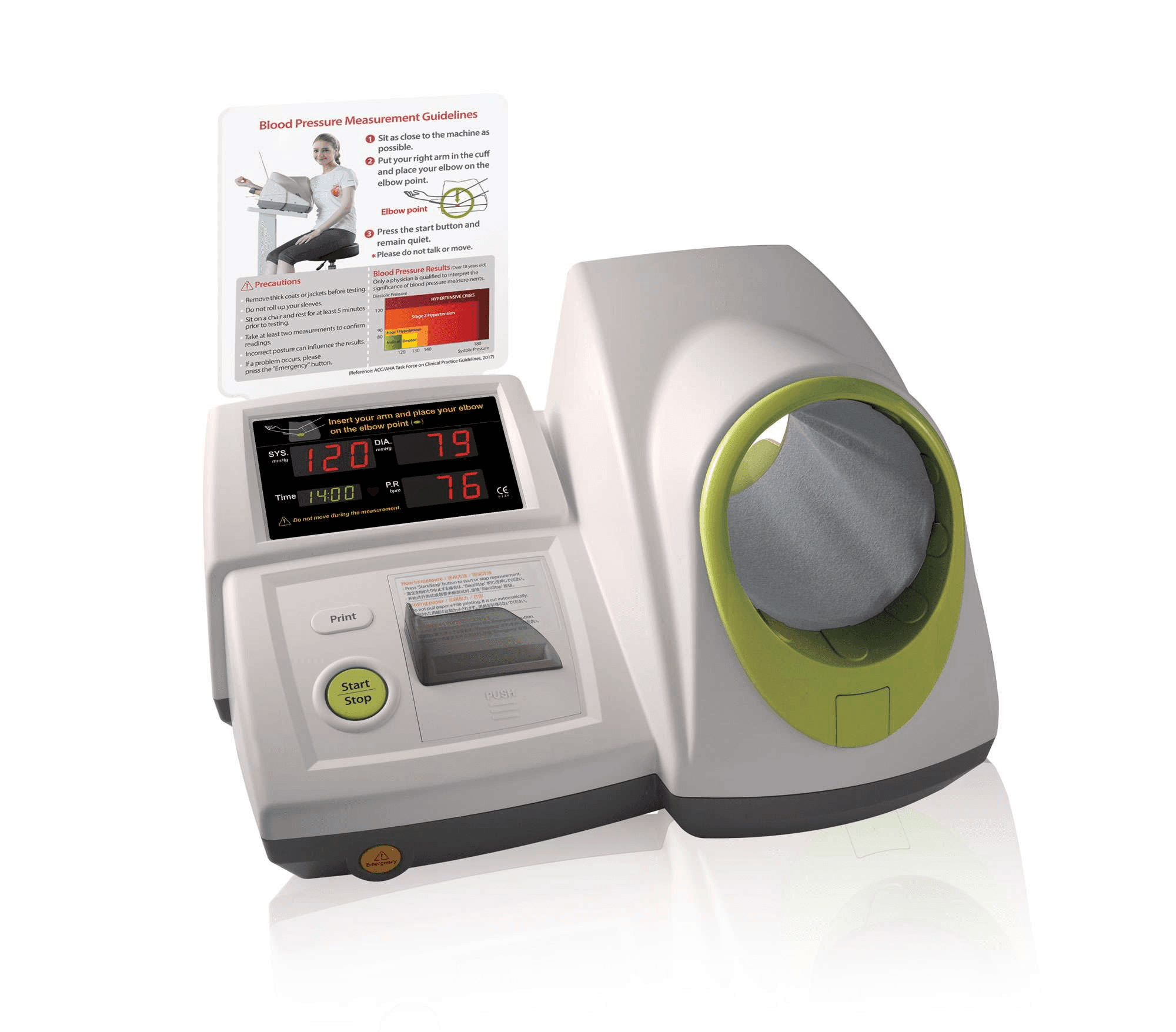
And then InBody released the BPBIO 320S, a fully automated, self-testing blood pressure device.  

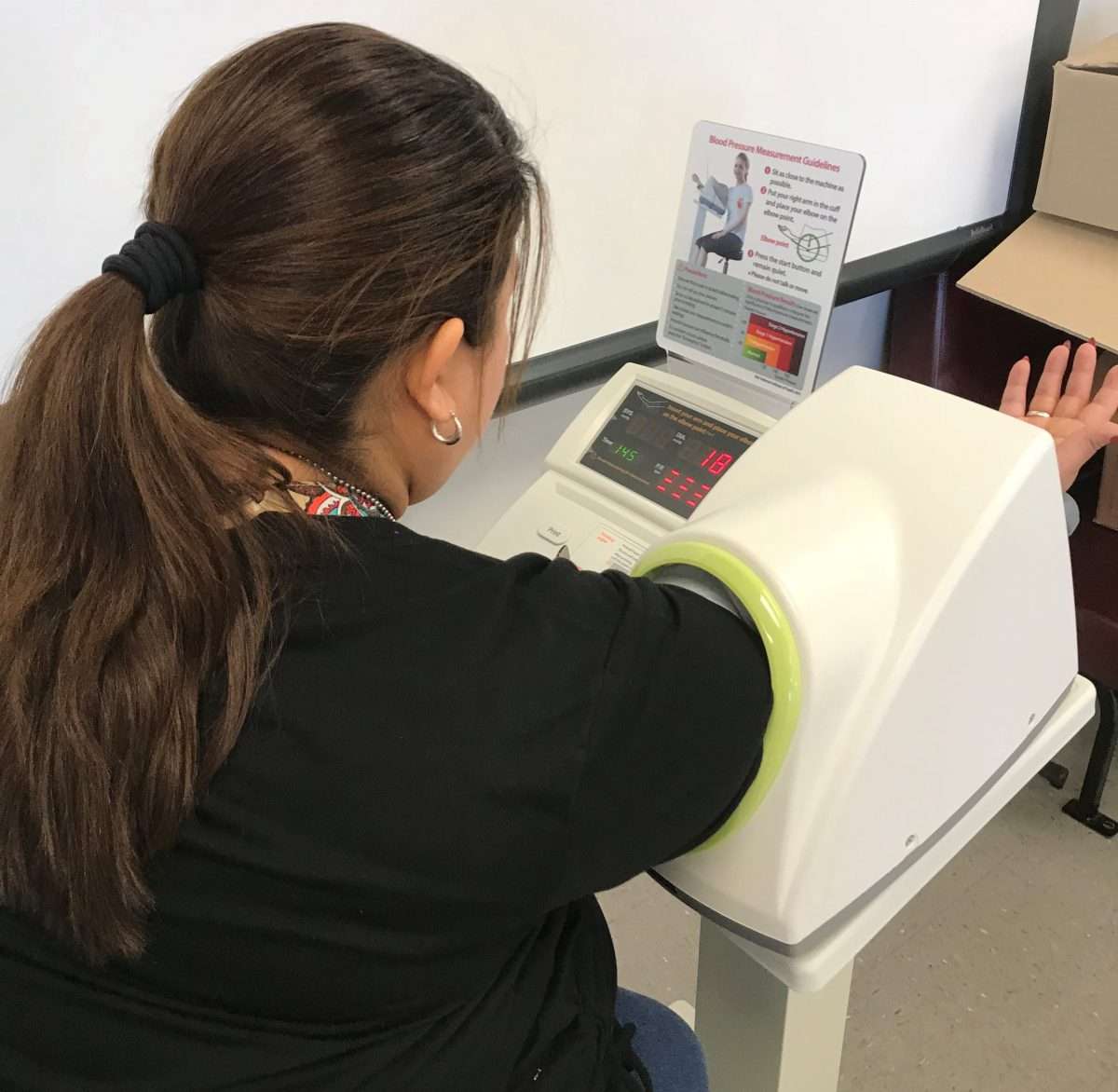
The BPBIO 320S is a fully automated, non-invasive, easy-to-use blood pressure monitor. 

I thought, Wow, another added value piece I can bring to the table. It’s user-friendly, stationary, portable, and it doesn’t take up a bunch of space. I can set it up either in the lounge, lobby, etc. for the convenience of the employees.

Creating ''Aha!'' Moments

Today, Hixon uses the BPBIO 320S and his InBody 570 as a package. During the initial intake, he will test everyone on the InBody 570 and the BPBIO 320S and then review the results with each individual.

When you tie in the body composition analysis with the blood pressure, it becomes an ''aha!'' moment.... Now we have an overall picture of ourselves, our blood pressure and our composition. If we can show employees how to alleviate the weight, and get them into a healthy range, guess what? Now they can take preventative steps to control their blood pressure.

After the initial assessment, Hixon provides personalized support between InBody Tests.

He will send employees messages throughout the week that includes: nutrition advice, fitness tips, and personalized recommendations based on specific health conditions.

Next, Hixon leaves the BPBIO 320S at the company in an area that employees can test at their own convenience. This is possible because of the unique design of the BPBIO 320S.

“We don’t have staff onsite 24/7 so the employees like the voice assistance during testing because it provides that extra guidance.”

And then every thirty days he will come back and test them again on the InBody 570 to monitor their progress. When Hixon comes back to visit his clients, employees will come up to him with their blood pressure results, excited to show him their progress.

We give the employee a body composition analysis and go over that report from top to bottom ... then we give them personalized recommendations based on their report on what they need to do.“What we’ve done with the InBody 570 and the BPBIO is bring back the ‘human connection’ element of corporate wellness.

Using InBody as a Tool to Serve and Motivate

What Hixon appreciates about InBody technology is that it helps him do what he does best which is to serve and motivate.

When people see their own body composition and blood pressure reading they can either give the reports to their dog to chew on it…or they can follow a wellness program built around those reports and do better.

Not only is Hixon showing his clients a path to ROI by reducing preventable health care claims, but he’s helping companies build VOI. VOI, or Value on Investment, translates to employees who are more engaged at work because they feel valued by the employer and more in control of their health.

A recent experience with an employee captures this perfectly. Hixon was wiping down the device when a young woman came up to Hixon with a worried expression on her face and asked if he was taking it away.

Hixon said no and she was relieved and told him why. She tested her blood pressure and the results came back extremely high. After a second test showed the same results, she immediately went to her physician. The blood pressure reading she got from the BPBIO 320S was confirmed by her physician, and she found out she was borderline hypertensive.

I took that testimony back to the Risk Manager, and he said, ‘That one claim right there would have potentially cost us $200,000. The BPBIO saved us money. Saved us. And it saved a life.

Sydney Skinner, PA-C at Thrive Medical Weight Loss, is consulting with a patient.

Medical Field

Sep 11, 2025

The Missing Piece in GLP-1 Weight Loss: How Thrive & InBody Protect Muscle

Medically reviewed by Sydney Skinner, PA-C | Updated on September 2025

Thrive Medical Weight Loss, located in Pico Rivera, California, is a medically supervised clinic offering safe, personalized weight-loss solutions. These include GLP-1 weight loss prescriptions like Wegovy and Zepbound, vitamin injections, and supplements. 

To ensure patients lose fat without sacrificing muscle, the clinic uses the InBody body composition scale. Sydney Skinner, PA-C, quickly adopted InBody into her GLP-1 weight loss program after seeing its accuracy in tracking body fat, visceral fat, and muscle.

What Are GLP-1 Medications?

GLP-1 medications are a class of prescription drugs originally developed to treat type 2 diabetes but now widely used for weight management. GLP-1 stands for glucagon-like peptide-1, a natural hormone that helps regulate blood sugar, appetite, and digestion.

These medications mimic the effects of GLP-1 in the body. They slow down how quickly food leaves the stomach, reduce appetite by signaling fullness to the brain, and help control blood sugar levels.

When combined with healthy lifestyle changes, GLP-1 medications can lead to significant weight loss. However, they can also cause unintended muscle loss if progress isn’t carefully monitored.

Why GLP-1 Weight Loss Needs Context

Historically, weight loss has been oversimplified as just a lower number on the bathroom scale. But not all weight loss is created equal. Without context, you may be losing as much muscle as fat.

Losing muscle:

  • Reduces metabolic rate, making it harder to maintain weight loss

  • Increases frailty, especially in older adults

  • Raises the risk of chronic conditions like diabetes, heart disease, and osteoporosis

The rise of GLP-1 receptor agonists (e.g., semaglutide and tirzepatide) has amplified this concern. These medications are highly effective for weight reduction, but their strong appetite-suppressing effects can reduce protein intake. Without proper monitoring, that calorie deficit may accelerate lean muscle loss alongside fat.

The Risks: Muscle Loss on GLP-1s

GLP-1 medications have shown remarkable results, with many patients losing 15–20% of their body weight within a year. For individuals with obesity or metabolic syndrome, these outcomes can be life-changing.

But there’s a hidden danger. Recent research summarized in Nature Reviews Endocrinology reported that up to 40 percent of total weight lost during GLP-1 therapy may come from lean mass in the absence of nutrition and exercise interventions. Losing muscle compromises metabolic health and elevates the risk of weight regain post-medication. That means the number on the scale may look impressive, but the quality of the weight loss could actually undermine long-term health.

Making GLP-1 Weight Loss Safe, Effective, and Sustainable

Thrive Medical Weight Loss addresses the muscle loss issue by pairing GLP-1 therapy with InBody body composition analysis, ensuring fat loss is safe, sustainable, and protective of muscle and metabolism. 

Unlike a standard scale that only shows pounds lost, InBody separates weight into fat, muscle, and water. This allows providers to see what type of weight a patient is losing, making sure progress comes primarily from fat, not muscle.

At Thrive, Sydney Skinner, PA-C, emphasizes that GLP-1 for weight loss programs must include body composition monitoring.

“I can monitor them and make sure they’re not losing too much weight. The right combination of exercise, protein, and monitoring them closely during their weight loss is very key — and the InBody is just essential.”

The Proven Solution: GLP-1 Weight Loss With InBody Monitoring

Thrive uses a five-step approach that pairs the power of GLP‑1 medications with data-driven insights delivered via routine InBody scans and patient education.

Step 1: Baseline Assessment

Every new patient kicks off their program with a complete health evaluation that includes an InBody scan to establish their baseline. Unlike bathroom scales or BMI charts, InBody provides detailed insight into:

  • Skeletal Muscle Mass

  • Percent Body Fat

  • Visceral Fat Level

  • Body Water

  • Basal Metabolic Rate

  • Segmental Lean Analysis

The baseline that InBody delivers gives patients clarity and motivation. Patients learn why preserving muscle matters, why visceral fat is dangerous, and why the goal is fat loss with muscle preservation.

Step 2: GLP‑1 Medication Onboarding

Patients start on GLP-1 for weight loss responsibly - titrated slowly with counseling on hydration, electrolytes, and protein. Patients receive counseling on hydration, electrolytes, and protein intake, which are critical to maintaining muscle while taking appetite-suppressing medication.

Step 3: Nutrition and Exercise Coaching

Because GLP‑1s reduce hunger, patients often under-eat, especially protein. Thrive combats this with structured strategies:

  • Protein-first approach: Prioritize 100–120g of protein daily

  • Resistance training: 2–3 sessions per week

  • Movement goals: Walking, stretching, and low-impact cardio

  • Meal planning support

The goal of this multi-tiered approach is to reteach healthier habits with a focus on a protein-rich diet to ensure patients preserve muscle mass during their GLP-1 program.

Step 4: Regular InBody Monitoring

Close up of the Body Composition History metric from an InBody Result Sheet.

*InBody 570 Result Sheet outputs shown; outputs may differ depending on the model

Patients return every 2–4 weeks for follow-up InBody scans. These check-ins:

  • Track muscle vs. fat loss via the Muscle-Fat Analysis metric

  • Monitor visceral fat reduction via the Visceral Fat Level output

  • Provide real-time feedback on progress shown via the Body Composition History chart and motivate patients to follow through 

When patients see tangible improvements in body fat percentage, visceral fat, and muscle retention, it gives them the confidence and motivation needed to be successful in their weight loss program. 

Step 5: Data-Driven Adjustments

If the InBody scan reveals that a patient’s skeletal muscle mass declines, Thrive acts immediately by:

  • Increasing protein targets

  • Adding extra resistance workouts

  • Adjusting medication titration if weight loss is too rapid

This proactive approach prevents the “skinny fat” outcome that plagues other weight loss programs.

Why Muscle Matters in GLP-1 Programs

Muscle is a metabolically active tissue. Losing muscle reduces basal metabolic rate, the total number of calories you need for your basic essential functions, making weight maintenance more difficult. It also weakens the body, increases the risk of injury, and accelerates age-related frailty.

Without resistance training and adequate protein, GLP‑1 patients risk long-term harm — even as they look thinner.

GLP-1 Weight Loss Success Story: Jane's Transformation

Before getting in touch with Thrive, Jane had tried multiple weight loss programs with varying degrees of disappointing results, but had heard promising things about Thrive’s GLP-1 programming.

Jane's goals were to lose not just weight, but body fat while maintaining her muscle mass. Her initial InBody scan established an essential baseline that revealed where her body composition was at, where she wanted it to be, and the path to get there:

  • Weight: 180.1 lbs

  • Percent Body Fat: 46.9% 

  • Skeletal Muscle: 52.7 lbs

After just nine months of Thrive’s integrated program, Jane was astounded by the tremendous progress made tangible by her routine InBody scan:

  • Weight: 150.3 lbs (↓ 30 lbs)

  • Percent Body Fat: 37.7% (↓ 9.2%)

  • Muscle: 51.6 lbs (preserved)

Metric

Before Thrive (Baseline)

After 9 Months

Change

Weight

180.1 lbs

150.3 lbs

↓ 30 lbs

Percent Body Fat

46.9%

37.7%

↓ 9.2%

Skeletal Muscle

52.7 lbs

51.6 lbs

Maintained

Jane was able to lose nearly 30 pounds of fat while essentially maintaining the muscle mass she had at the beginning of her program. 

Bottom Line: Sustainable GLP-1 Weight Loss With Muscle Protection

Thrive Medical Weight Loss has redefined what safe and sustainable GLP-1 weight loss should look like. By combining InBody’s advanced body composition technology with personalized nutrition, structured exercise, and ongoing patient education, every pound lost works toward long-term health, not against it. Their evidence-based approach prioritizes muscle preservation, metabolic health, and patient empowerment, ensuring results that go beyond the scale.

In a weight loss industry often dominated by quick fixes and temporary solutions, Thrive stands apart through its integration of science, compassionate care, and accountability. 

FAQs

How does GLP-1 work for weight loss?

GLP-1 mimics the hormone GLP-1, reducing hunger and slowing digestion. By reducing hunger signals to the brain, slowing digestion so food stays in the stomach longer, and improving insulin sensitivity, these drugs make it easier to eat less, feel full sooner, and maintain more stable blood sugar levels. 

What’s the best GLP-1 for weight loss?

Options like Wegovy and Zepbound are commonly prescribed, but the best choice depends on your medical history.

Who Is a Good Fit for GLP-1 Medications?

GLP-1 medications are generally prescribed for adults with obesity (BMI ≥30) or those who are overweight (BMI ≥27) with related health conditions such as type 2 diabetes, high blood pressure, or high cholesterol.  

Are GLP-1s Safe?  

GLP-1 medications are FDA-approved and widely studied, but like any treatment, they can have side effects. The most common include nausea, vomiting, diarrhea, constipation, and stomach discomfort, which often improve over time. Less common but more serious risks can include pancreatitis, gallbladder issues, or thyroid tumors in certain individuals. Regular medical supervision is essential to ensure safe use and to adjust treatment as needed.

How Do You Get the Most Out of Your GLP-1 Treatment?

GLP-1s work best when combined with healthy lifestyle habits. Eating enough protein and incorporating resistance training help protect muscle while losing fat. Staying consistent with follow-up visits and body composition checks, such as with an InBody scan, ensures progress is monitored and treatment is adjusted if muscle loss is detected.  

What Happens When You Stop Taking GLP-1s?

If GLP-1 medication is stopped, appetite typically returns to normal, and some patients regain weight if new lifestyle habits aren’t in place. Without careful planning, lost fat and muscle can come back, making long-term success more difficult.  

"Stone Creek community entrance sign

Fitness Field

Jun 7, 2019

How InBody Helped Stone Creek Club & Spa Serve their Members and their Community Better

Since 2009, Stone Creek Club & Spa has established itself as a pillar of the Covington Community. The club has received recognition for its outstanding customer service and philanthropic efforts. To date, the club has received awards in a wide range of categories including “Best Club”, “Best Day Spa”, “Best Tennis Courts”, “Best Personal Trainer”, and “Business of the Year”.

Larry Conner is the general manager of Stone Creek Club & Spa. He has over 30 years of experience in the fitness and hospitality industry. Conner brought in the InBody to try it out with the club’s weight loss challenge. After an enthusiastic response, he bought the device and implemented InBody testing into various club programs. After delivering incredible results for his club members, Conner took his InBody out into the community to help people learn more about their body compositions.  

Developing an Everyday Getaway

In 2009, Stone Creek Club & Spa faced great challenges. The Great Recession was in full swing, and they were trying to break into a market that had two established health clubs that catered to 40% of the local population.

Conner and the leadership team had to commit to a clear vision that would help their club stand out. The established health clubs focused on large group events like summer camps, swim teams, and daytime birthday parties. Stone Creek differentiated itself by catering to the individual. That meant sacrificing lucrative secondary sources of revenue, such as summer camps and parties because those would detract from the individual experience.

Another point of differentiation was memberships and contracts. Stone Creek capped memberships – and potentially miss out on income – to create a more welcoming club experience. They also offered flexible month-to-month payment plans because they didn’t want to trap people in long contracts. It was all part of their vision to create an “everyday getaway” for their members through individual attention and service.  

When you are trying to establish a unique business model in a competitive market during tough economic times, the chance for failure is high. But after ten years it’s clear that their vision is working. Today, Stone Creek has a loyal active membership base, boasts annual revenues that exceed $7.4 million, and is beloved by the Covington Community. But that’s only where this story begins.

The ongoing challenge you have as a health club is that once you build something out, you have to keep updating it. You can’t sit with the same product you had years ago. You have to keep your facility fresh, innovative, and make sure you have the latest and greatest equipment.

It was this pursuit to keep Stone Creek on the forefront and up-to-date that led Conner to InBody.

Starting Off On the Right Foot

After seeing the InBody device at a networking event, Conner felt that the body composition analyzer would be a valuable addition to their weight loss contests by providing accurate measurements of body fat percentage. That hunch turned out to be right.

It was such a big hit in our weight loss contest that I bought it immediately. Within 3 months we were able to pay for that unit from simply charging per test.

The pay-per-test program was a successful new revenue stream. A member would pay a fee, take an InBody test, and then receive a comprehensive review of the InBody Result Sheet from a trainer. The InBody Result Sheet allowed members to only see their body fat percentage, but they received other key metrics like muscle distribution, metabolic rate, and visceral fat. The success of the program encouraged Conner to incorporate testing into a variety of programs, from weight loss competitions to tennis lessons, because he knew that every person at the club had something to gain from taking an InBody Test. Today, every new member gets an InBody Test with a consultation to help them start off on the right foot. The consultation has also proven to be a great way to introduce members to different services the club offers.

Sample Result Sheet Provided by InBody USA

In our business, we need to be able to respond to members’ needs quickly and the InBody provides that. The average user does not know much about themselves…by giving access to the InBody to more people it’s become a common part of our business, and the results have just helped change people’s lives.

Taking Programs to the Next Level

Incorporating InBody into different areas of the club has helped delivered results for both members and the program. InBody helps Stone Creek’s personal training clients visualize progress and find areas of improvement that they may have missed by using a mirror or a weight scale.

You can tell people the importance of staying balanced and show them techniques, but when you show them a test result that shows it, that helps the client to focus on following the exercise plan.

Conner has a unique story that highlights both the accuracy and precision of the InBody device. One of Stone Creek’s trainers had a client that suffered from shoulder pain. The InBody Test revealed that one side of her body was stronger than the other, resulting in muscle imbalance and pain. After learning more about her day-to-day activities, the trainer and the client figured out that the way she walked her dogs was the cause of her imbalance. She had three large dogs she always walked with the same arm. The yanking and pulling caused her to develop shoulder imbalance and pain. The trainer made adjustments to her personal training, and she adjusted her dog walking, and together they tracked the progress on the InBody Result Sheet. Today the client is in balance and pain-free.

It’s unique insights like this that have helped Stone Creek enhance their personal training.

Our personal training has grown drastically, says Larry Conner. Now can I say it’s solely due to the InBody? No, it is a combination of having great trainers and things you offer. But I believe the InBody has been an important part of that growth—and it’s helped us get to that next level in our personal training program.

Another program that saw a significant boost was the weight loss program. The program was already using InBody, but after they increased the frequency of InBody testing to every week, they saw a 50% increase in enrollment.

There were skeptics that did not believe in the accuracy of the results, but once they tested on the device, they became believers.

We had a local doctor that did not believe in it. She did tests that cost hundreds and hundreds of dollars. When we compared the InBody versus those results, it was very close to exactly the same results. She was immediately a fan of the InBody.

The positive response and impact they were seeing within the club were so tremendous that Conner knew he could use the device to make a positive impact in the surrounding community.

Sharing the Gift of Knowledge  

From day one, Stone Creek focused on being an active participant in their community. Every year, Stone Creek raises between $300,000 to $500,000 in direct contributions to local and national charities. That doesn’t include giveaways for auctions and member donations to the community. Notable highlights include providing Christmas presents to 180 needy children, donating around 300 teddy bears to pediatric patients in local hospitals, and purchasing PE equipment for all 27 elementary schools in their parish. True to its spirit of giving, Stone Creek shared its InBody device with the community.

We realized that the InBody helps bring your whole community together—inside and outside the club. The InBody helps us reach out in a way that is beyond fundraising. We can answer the questions that people want to know about themselves in a quick snapshot. The portability of the device allows us to reach out to people, give them their results, and help change their lives.

Stone Creek brought its InBody to different organizations that could benefit from body composition analysis, from local high school wrestling teams and employees of local companies. The goal wasn’t to recruit new members. They saw a great opportunity to provide important health information that would help improve people’s lives.

Stone Creek’s mission is to help everyone, both inside and outside of the club, become the healthiest version of themselves. InBody is one of the indispensable tools to help advance Stone Creek’s mission.

I welcome all the health clubs in our area to get the InBody. I think it’s important that we all have this kind of tool for our members because they’re not going to be able to do this on their own. When they come to the health club, they can do one of these tests really quickly and learn that much more about their body. That’s one of the best gifts that you can give anybody.

Smiling man in blue polo shirt

Corporate Wellness Field

May 10, 2019

How a Corporate Wellness Specialist is using InBody Technology to Deliver ROI and VOI

Alex Hixon is a certified corporate wellness specialist through the Global Health Network. Prior to his career in corporate wellness, he worked in the health insurance industry for 15 years.

Today, Hixon is the VP of Business Development for The Physicians Weigh-In and the owner of Rural Mobile Health & Wellness. Hixon started Rural Mobile with the goal of teaching individuals how to manage their health numbers through biometric testing, individual assessment, and personalized guidance.

Prevention is Key

After years of looking at health insurance claims, Hixon has come to understand that a significant portion of an employer’s healthcare expenditure goes towards treating diseases that were the result of unhealthy lifestyles.

Harvard Business Review found that “… the chronically ill, who suffer from costly conditions like advanced diabetes, heart conditions …. consume at least 50% of a company’s claims expense.” That’s why investing in prevention rather than treatment of chronic diseases is much more cost-effective.

The key to prevention or early intervention is awareness. Hixon believes that by giving employees access to critical health information, they will have a better understanding of their current health status and will be much more motivated to make a change before it’s too late.  

That was his inspiration for starting Rural Mobile Health & Wellness, a corporate wellness company that partners with companies to raise awareness of health and wellness among their employees.

Hixon needed a technological solution to support his wellness program that would enable him to:

  • take the device with him from site-to-site

  • test employees quickly and accurately

  • produce a comprehensive report that identified areas for improvement.

It was during that search for a solution that he found InBody.

Real-Time Data for Real-Life Value

It’s no secret that corporations are looking to make data-driven decisions. When it comes to the health of their employees, that’s no different.

Five years ago, Hixon started using the InBody 270 with his corporate clients, bringing the portable device to the workplace for onsite testing. Both Hixon and his clients loved it. Employees were able to get critical information instantly, and he was able to provide his clients with significant value. He later upgraded to the InBody 570 which allowed him to give employees even more comprehensive information.

Our motto is ''If you don''t measure it, you can''t track it.'' InBody was able to help us spearhead that effort. We are able to get employees real-time data right there on the spot. To me, the greatest value that you can provide to an employee is to give them access to information that will help them to be even more productive at work and in life...

With every test, Hixon was able to gain more insight into the services that the employees needed. Many of the employees that Hixon deals with have a higher body fat percentage and high blood pressure. It’s not a surprise because there is a growing body of research linking body fat percentage, particularly in the midsection, to hypertension.

When the weight gain is in the abdominal area, there’s a greater risk for high blood pressure because this type of body fat is more likely to cause the arteries to become thick and stiff. The body then has to create more pressure to move the blood, which may lead to a lasting increase in blood pressure.

Hixon wanted to add a professional blood pressure monitoring device he could provide as a service along with body composition analysis.

He tried free-standing blood pressure kiosks, but at 200 pounds it was too difficult to move from location to location and for some workplaces, it took up too much room.

And then InBody released the BPBIO 320S, a fully automated, self-testing blood pressure device.  

The BPBIO 320S is a fully automated, non-invasive, easy-to-use blood pressure monitor. 

I thought, Wow, another added value piece I can bring to the table. It’s user-friendly, stationary, portable, and it doesn’t take up a bunch of space. I can set it up either in the lounge, lobby, etc. for the convenience of the employees.

Creating ''Aha!'' Moments

Today, Hixon uses the BPBIO 320S and his InBody 570 as a package. During the initial intake, he will test everyone on the InBody 570 and the BPBIO 320S and then review the results with each individual.

When you tie in the body composition analysis with the blood pressure, it becomes an ''aha!'' moment.... Now we have an overall picture of ourselves, our blood pressure and our composition. If we can show employees how to alleviate the weight, and get them into a healthy range, guess what? Now they can take preventative steps to control their blood pressure.

After the initial assessment, Hixon provides personalized support between InBody Tests.

He will send employees messages throughout the week that includes: nutrition advice, fitness tips, and personalized recommendations based on specific health conditions.

Next, Hixon leaves the BPBIO 320S at the company in an area that employees can test at their own convenience. This is possible because of the unique design of the BPBIO 320S.

“We don’t have staff onsite 24/7 so the employees like the voice assistance during testing because it provides that extra guidance.”

And then every thirty days he will come back and test them again on the InBody 570 to monitor their progress. When Hixon comes back to visit his clients, employees will come up to him with their blood pressure results, excited to show him their progress.

We give the employee a body composition analysis and go over that report from top to bottom ... then we give them personalized recommendations based on their report on what they need to do.“What we’ve done with the InBody 570 and the BPBIO is bring back the ‘human connection’ element of corporate wellness.

Using InBody as a Tool to Serve and Motivate

What Hixon appreciates about InBody technology is that it helps him do what he does best which is to serve and motivate.

When people see their own body composition and blood pressure reading they can either give the reports to their dog to chew on it…or they can follow a wellness program built around those reports and do better.

Not only is Hixon showing his clients a path to ROI by reducing preventable health care claims, but he’s helping companies build VOI. VOI, or Value on Investment, translates to employees who are more engaged at work because they feel valued by the employer and more in control of their health.

A recent experience with an employee captures this perfectly. Hixon was wiping down the device when a young woman came up to Hixon with a worried expression on her face and asked if he was taking it away.

Hixon said no and she was relieved and told him why. She tested her blood pressure and the results came back extremely high. After a second test showed the same results, she immediately went to her physician. The blood pressure reading she got from the BPBIO 320S was confirmed by her physician, and she found out she was borderline hypertensive.

I took that testimony back to the Risk Manager, and he said, ‘That one claim right there would have potentially cost us $200,000. The BPBIO saved us money. Saved us. And it saved a life.

Sydney Skinner, PA-C at Thrive Medical Weight Loss, is consulting with a patient.

Medical Field

Sep 11, 2025

The Missing Piece in GLP-1 Weight Loss: How Thrive & InBody Protect Muscle

Medically reviewed by Sydney Skinner, PA-C | Updated on September 2025

Thrive Medical Weight Loss, located in Pico Rivera, California, is a medically supervised clinic offering safe, personalized weight-loss solutions. These include GLP-1 weight loss prescriptions like Wegovy and Zepbound, vitamin injections, and supplements. 

To ensure patients lose fat without sacrificing muscle, the clinic uses the InBody body composition scale. Sydney Skinner, PA-C, quickly adopted InBody into her GLP-1 weight loss program after seeing its accuracy in tracking body fat, visceral fat, and muscle.

What Are GLP-1 Medications?

GLP-1 medications are a class of prescription drugs originally developed to treat type 2 diabetes but now widely used for weight management. GLP-1 stands for glucagon-like peptide-1, a natural hormone that helps regulate blood sugar, appetite, and digestion.

These medications mimic the effects of GLP-1 in the body. They slow down how quickly food leaves the stomach, reduce appetite by signaling fullness to the brain, and help control blood sugar levels.

When combined with healthy lifestyle changes, GLP-1 medications can lead to significant weight loss. However, they can also cause unintended muscle loss if progress isn’t carefully monitored.

Why GLP-1 Weight Loss Needs Context

Historically, weight loss has been oversimplified as just a lower number on the bathroom scale. But not all weight loss is created equal. Without context, you may be losing as much muscle as fat.

Losing muscle:

  • Reduces metabolic rate, making it harder to maintain weight loss

  • Increases frailty, especially in older adults

  • Raises the risk of chronic conditions like diabetes, heart disease, and osteoporosis

The rise of GLP-1 receptor agonists (e.g., semaglutide and tirzepatide) has amplified this concern. These medications are highly effective for weight reduction, but their strong appetite-suppressing effects can reduce protein intake. Without proper monitoring, that calorie deficit may accelerate lean muscle loss alongside fat.

The Risks: Muscle Loss on GLP-1s

GLP-1 medications have shown remarkable results, with many patients losing 15–20% of their body weight within a year. For individuals with obesity or metabolic syndrome, these outcomes can be life-changing.

But there’s a hidden danger. Recent research summarized in Nature Reviews Endocrinology reported that up to 40 percent of total weight lost during GLP-1 therapy may come from lean mass in the absence of nutrition and exercise interventions. Losing muscle compromises metabolic health and elevates the risk of weight regain post-medication. That means the number on the scale may look impressive, but the quality of the weight loss could actually undermine long-term health.

Making GLP-1 Weight Loss Safe, Effective, and Sustainable

Thrive Medical Weight Loss addresses the muscle loss issue by pairing GLP-1 therapy with InBody body composition analysis, ensuring fat loss is safe, sustainable, and protective of muscle and metabolism. 

Unlike a standard scale that only shows pounds lost, InBody separates weight into fat, muscle, and water. This allows providers to see what type of weight a patient is losing, making sure progress comes primarily from fat, not muscle.

At Thrive, Sydney Skinner, PA-C, emphasizes that GLP-1 for weight loss programs must include body composition monitoring.

“I can monitor them and make sure they’re not losing too much weight. The right combination of exercise, protein, and monitoring them closely during their weight loss is very key — and the InBody is just essential.”

The Proven Solution: GLP-1 Weight Loss With InBody Monitoring

Thrive uses a five-step approach that pairs the power of GLP‑1 medications with data-driven insights delivered via routine InBody scans and patient education.

Step 1: Baseline Assessment

Every new patient kicks off their program with a complete health evaluation that includes an InBody scan to establish their baseline. Unlike bathroom scales or BMI charts, InBody provides detailed insight into:

  • Skeletal Muscle Mass

  • Percent Body Fat

  • Visceral Fat Level

  • Body Water

  • Basal Metabolic Rate

  • Segmental Lean Analysis

The baseline that InBody delivers gives patients clarity and motivation. Patients learn why preserving muscle matters, why visceral fat is dangerous, and why the goal is fat loss with muscle preservation.

Step 2: GLP‑1 Medication Onboarding

Patients start on GLP-1 for weight loss responsibly - titrated slowly with counseling on hydration, electrolytes, and protein. Patients receive counseling on hydration, electrolytes, and protein intake, which are critical to maintaining muscle while taking appetite-suppressing medication.

Step 3: Nutrition and Exercise Coaching

Because GLP‑1s reduce hunger, patients often under-eat, especially protein. Thrive combats this with structured strategies:

  • Protein-first approach: Prioritize 100–120g of protein daily

  • Resistance training: 2–3 sessions per week

  • Movement goals: Walking, stretching, and low-impact cardio

  • Meal planning support

The goal of this multi-tiered approach is to reteach healthier habits with a focus on a protein-rich diet to ensure patients preserve muscle mass during their GLP-1 program.

Step 4: Regular InBody Monitoring

Close up of the Body Composition History metric from an InBody Result Sheet.

*InBody 570 Result Sheet outputs shown; outputs may differ depending on the model

Patients return every 2–4 weeks for follow-up InBody scans. These check-ins:

  • Track muscle vs. fat loss via the Muscle-Fat Analysis metric

  • Monitor visceral fat reduction via the Visceral Fat Level output

  • Provide real-time feedback on progress shown via the Body Composition History chart and motivate patients to follow through 

When patients see tangible improvements in body fat percentage, visceral fat, and muscle retention, it gives them the confidence and motivation needed to be successful in their weight loss program. 

Step 5: Data-Driven Adjustments

If the InBody scan reveals that a patient’s skeletal muscle mass declines, Thrive acts immediately by:

  • Increasing protein targets

  • Adding extra resistance workouts

  • Adjusting medication titration if weight loss is too rapid

This proactive approach prevents the “skinny fat” outcome that plagues other weight loss programs.

Why Muscle Matters in GLP-1 Programs

Muscle is a metabolically active tissue. Losing muscle reduces basal metabolic rate, the total number of calories you need for your basic essential functions, making weight maintenance more difficult. It also weakens the body, increases the risk of injury, and accelerates age-related frailty.

Without resistance training and adequate protein, GLP‑1 patients risk long-term harm — even as they look thinner.

GLP-1 Weight Loss Success Story: Jane's Transformation

Before getting in touch with Thrive, Jane had tried multiple weight loss programs with varying degrees of disappointing results, but had heard promising things about Thrive’s GLP-1 programming.

Jane's goals were to lose not just weight, but body fat while maintaining her muscle mass. Her initial InBody scan established an essential baseline that revealed where her body composition was at, where she wanted it to be, and the path to get there:

  • Weight: 180.1 lbs

  • Percent Body Fat: 46.9% 

  • Skeletal Muscle: 52.7 lbs

After just nine months of Thrive’s integrated program, Jane was astounded by the tremendous progress made tangible by her routine InBody scan:

  • Weight: 150.3 lbs (↓ 30 lbs)

  • Percent Body Fat: 37.7% (↓ 9.2%)

  • Muscle: 51.6 lbs (preserved)

Metric

Before Thrive (Baseline)

After 9 Months

Change

Weight

180.1 lbs

150.3 lbs

↓ 30 lbs

Percent Body Fat

46.9%

37.7%

↓ 9.2%

Skeletal Muscle

52.7 lbs

51.6 lbs

Maintained

Jane was able to lose nearly 30 pounds of fat while essentially maintaining the muscle mass she had at the beginning of her program. 

Bottom Line: Sustainable GLP-1 Weight Loss With Muscle Protection

Thrive Medical Weight Loss has redefined what safe and sustainable GLP-1 weight loss should look like. By combining InBody’s advanced body composition technology with personalized nutrition, structured exercise, and ongoing patient education, every pound lost works toward long-term health, not against it. Their evidence-based approach prioritizes muscle preservation, metabolic health, and patient empowerment, ensuring results that go beyond the scale.

In a weight loss industry often dominated by quick fixes and temporary solutions, Thrive stands apart through its integration of science, compassionate care, and accountability. 

FAQs

How does GLP-1 work for weight loss?

GLP-1 mimics the hormone GLP-1, reducing hunger and slowing digestion. By reducing hunger signals to the brain, slowing digestion so food stays in the stomach longer, and improving insulin sensitivity, these drugs make it easier to eat less, feel full sooner, and maintain more stable blood sugar levels. 

What’s the best GLP-1 for weight loss?

Options like Wegovy and Zepbound are commonly prescribed, but the best choice depends on your medical history.

Who Is a Good Fit for GLP-1 Medications?

GLP-1 medications are generally prescribed for adults with obesity (BMI ≥30) or those who are overweight (BMI ≥27) with related health conditions such as type 2 diabetes, high blood pressure, or high cholesterol.  

Are GLP-1s Safe?  

GLP-1 medications are FDA-approved and widely studied, but like any treatment, they can have side effects. The most common include nausea, vomiting, diarrhea, constipation, and stomach discomfort, which often improve over time. Less common but more serious risks can include pancreatitis, gallbladder issues, or thyroid tumors in certain individuals. Regular medical supervision is essential to ensure safe use and to adjust treatment as needed.

How Do You Get the Most Out of Your GLP-1 Treatment?

GLP-1s work best when combined with healthy lifestyle habits. Eating enough protein and incorporating resistance training help protect muscle while losing fat. Staying consistent with follow-up visits and body composition checks, such as with an InBody scan, ensures progress is monitored and treatment is adjusted if muscle loss is detected.  

What Happens When You Stop Taking GLP-1s?

If GLP-1 medication is stopped, appetite typically returns to normal, and some patients regain weight if new lifestyle habits aren’t in place. Without careful planning, lost fat and muscle can come back, making long-term success more difficult.  
"Stone Creek community entrance sign

Fitness Field

Jun 7, 2019

How InBody Helped Stone Creek Club & Spa Serve their Members and their Community Better

Since 2009, Stone Creek Club & Spa has established itself as a pillar of the Covington Community. The club has received recognition for its outstanding customer service and philanthropic efforts. To date, the club has received awards in a wide range of categories including “Best Club”, “Best Day Spa”, “Best Tennis Courts”, “Best Personal Trainer”, and “Business of the Year”.

Larry Conner is the general manager of Stone Creek Club & Spa. He has over 30 years of experience in the fitness and hospitality industry. Conner brought in the InBody to try it out with the club’s weight loss challenge. After an enthusiastic response, he bought the device and implemented InBody testing into various club programs. After delivering incredible results for his club members, Conner took his InBody out into the community to help people learn more about their body compositions.  

Developing an Everyday Getaway

In 2009, Stone Creek Club & Spa faced great challenges. The Great Recession was in full swing, and they were trying to break into a market that had two established health clubs that catered to 40% of the local population.

Conner and the leadership team had to commit to a clear vision that would help their club stand out. The established health clubs focused on large group events like summer camps, swim teams, and daytime birthday parties. Stone Creek differentiated itself by catering to the individual. That meant sacrificing lucrative secondary sources of revenue, such as summer camps and parties because those would detract from the individual experience.

Another point of differentiation was memberships and contracts. Stone Creek capped memberships – and potentially miss out on income – to create a more welcoming club experience. They also offered flexible month-to-month payment plans because they didn’t want to trap people in long contracts. It was all part of their vision to create an “everyday getaway” for their members through individual attention and service.  

When you are trying to establish a unique business model in a competitive market during tough economic times, the chance for failure is high. But after ten years it’s clear that their vision is working. Today, Stone Creek has a loyal active membership base, boasts annual revenues that exceed $7.4 million, and is beloved by the Covington Community. But that’s only where this story begins.

The ongoing challenge you have as a health club is that once you build something out, you have to keep updating it. You can’t sit with the same product you had years ago. You have to keep your facility fresh, innovative, and make sure you have the latest and greatest equipment.

It was this pursuit to keep Stone Creek on the forefront and up-to-date that led Conner to InBody.

Starting Off On the Right Foot

After seeing the InBody device at a networking event, Conner felt that the body composition analyzer would be a valuable addition to their weight loss contests by providing accurate measurements of body fat percentage. That hunch turned out to be right.

It was such a big hit in our weight loss contest that I bought it immediately. Within 3 months we were able to pay for that unit from simply charging per test.

The pay-per-test program was a successful new revenue stream. A member would pay a fee, take an InBody test, and then receive a comprehensive review of the InBody Result Sheet from a trainer. The InBody Result Sheet allowed members to only see their body fat percentage, but they received other key metrics like muscle distribution, metabolic rate, and visceral fat. The success of the program encouraged Conner to incorporate testing into a variety of programs, from weight loss competitions to tennis lessons, because he knew that every person at the club had something to gain from taking an InBody Test. Today, every new member gets an InBody Test with a consultation to help them start off on the right foot. The consultation has also proven to be a great way to introduce members to different services the club offers.

Sample Result Sheet Provided by InBody USA

In our business, we need to be able to respond to members’ needs quickly and the InBody provides that. The average user does not know much about themselves…by giving access to the InBody to more people it’s become a common part of our business, and the results have just helped change people’s lives.

Taking Programs to the Next Level

Incorporating InBody into different areas of the club has helped delivered results for both members and the program. InBody helps Stone Creek’s personal training clients visualize progress and find areas of improvement that they may have missed by using a mirror or a weight scale.

You can tell people the importance of staying balanced and show them techniques, but when you show them a test result that shows it, that helps the client to focus on following the exercise plan.

Conner has a unique story that highlights both the accuracy and precision of the InBody device. One of Stone Creek’s trainers had a client that suffered from shoulder pain. The InBody Test revealed that one side of her body was stronger than the other, resulting in muscle imbalance and pain. After learning more about her day-to-day activities, the trainer and the client figured out that the way she walked her dogs was the cause of her imbalance. She had three large dogs she always walked with the same arm. The yanking and pulling caused her to develop shoulder imbalance and pain. The trainer made adjustments to her personal training, and she adjusted her dog walking, and together they tracked the progress on the InBody Result Sheet. Today the client is in balance and pain-free.

It’s unique insights like this that have helped Stone Creek enhance their personal training.

Our personal training has grown drastically, says Larry Conner. Now can I say it’s solely due to the InBody? No, it is a combination of having great trainers and things you offer. But I believe the InBody has been an important part of that growth—and it’s helped us get to that next level in our personal training program.

Another program that saw a significant boost was the weight loss program. The program was already using InBody, but after they increased the frequency of InBody testing to every week, they saw a 50% increase in enrollment.

There were skeptics that did not believe in the accuracy of the results, but once they tested on the device, they became believers.

We had a local doctor that did not believe in it. She did tests that cost hundreds and hundreds of dollars. When we compared the InBody versus those results, it was very close to exactly the same results. She was immediately a fan of the InBody.

The positive response and impact they were seeing within the club were so tremendous that Conner knew he could use the device to make a positive impact in the surrounding community.

Sharing the Gift of Knowledge  

From day one, Stone Creek focused on being an active participant in their community. Every year, Stone Creek raises between $300,000 to $500,000 in direct contributions to local and national charities. That doesn’t include giveaways for auctions and member donations to the community. Notable highlights include providing Christmas presents to 180 needy children, donating around 300 teddy bears to pediatric patients in local hospitals, and purchasing PE equipment for all 27 elementary schools in their parish. True to its spirit of giving, Stone Creek shared its InBody device with the community.

We realized that the InBody helps bring your whole community together—inside and outside the club. The InBody helps us reach out in a way that is beyond fundraising. We can answer the questions that people want to know about themselves in a quick snapshot. The portability of the device allows us to reach out to people, give them their results, and help change their lives.

Stone Creek brought its InBody to different organizations that could benefit from body composition analysis, from local high school wrestling teams and employees of local companies. The goal wasn’t to recruit new members. They saw a great opportunity to provide important health information that would help improve people’s lives.

Stone Creek’s mission is to help everyone, both inside and outside of the club, become the healthiest version of themselves. InBody is one of the indispensable tools to help advance Stone Creek’s mission.

I welcome all the health clubs in our area to get the InBody. I think it’s important that we all have this kind of tool for our members because they’re not going to be able to do this on their own. When they come to the health club, they can do one of these tests really quickly and learn that much more about their body. That’s one of the best gifts that you can give anybody.

Smiling man in blue polo shirt

Corporate Wellness Field

May 10, 2019

How a Corporate Wellness Specialist is using InBody Technology to Deliver ROI and VOI

Alex Hixon is a certified corporate wellness specialist through the Global Health Network. Prior to his career in corporate wellness, he worked in the health insurance industry for 15 years.

Today, Hixon is the VP of Business Development for The Physicians Weigh-In and the owner of Rural Mobile Health & Wellness. Hixon started Rural Mobile with the goal of teaching individuals how to manage their health numbers through biometric testing, individual assessment, and personalized guidance.

Prevention is Key

After years of looking at health insurance claims, Hixon has come to understand that a significant portion of an employer’s healthcare expenditure goes towards treating diseases that were the result of unhealthy lifestyles.

Harvard Business Review found that “… the chronically ill, who suffer from costly conditions like advanced diabetes, heart conditions …. consume at least 50% of a company’s claims expense.” That’s why investing in prevention rather than treatment of chronic diseases is much more cost-effective.

The key to prevention or early intervention is awareness. Hixon believes that by giving employees access to critical health information, they will have a better understanding of their current health status and will be much more motivated to make a change before it’s too late.  

That was his inspiration for starting Rural Mobile Health & Wellness, a corporate wellness company that partners with companies to raise awareness of health and wellness among their employees.

Hixon needed a technological solution to support his wellness program that would enable him to:

  • take the device with him from site-to-site

  • test employees quickly and accurately

  • produce a comprehensive report that identified areas for improvement.

It was during that search for a solution that he found InBody.

Real-Time Data for Real-Life Value

It’s no secret that corporations are looking to make data-driven decisions. When it comes to the health of their employees, that’s no different.

Five years ago, Hixon started using the InBody 270 with his corporate clients, bringing the portable device to the workplace for onsite testing. Both Hixon and his clients loved it. Employees were able to get critical information instantly, and he was able to provide his clients with significant value. He later upgraded to the InBody 570 which allowed him to give employees even more comprehensive information.

Our motto is ''If you don''t measure it, you can''t track it.'' InBody was able to help us spearhead that effort. We are able to get employees real-time data right there on the spot. To me, the greatest value that you can provide to an employee is to give them access to information that will help them to be even more productive at work and in life...

With every test, Hixon was able to gain more insight into the services that the employees needed. Many of the employees that Hixon deals with have a higher body fat percentage and high blood pressure. It’s not a surprise because there is a growing body of research linking body fat percentage, particularly in the midsection, to hypertension.

When the weight gain is in the abdominal area, there’s a greater risk for high blood pressure because this type of body fat is more likely to cause the arteries to become thick and stiff. The body then has to create more pressure to move the blood, which may lead to a lasting increase in blood pressure.

Hixon wanted to add a professional blood pressure monitoring device he could provide as a service along with body composition analysis.

He tried free-standing blood pressure kiosks, but at 200 pounds it was too difficult to move from location to location and for some workplaces, it took up too much room.

And then InBody released the BPBIO 320S, a fully automated, self-testing blood pressure device.  

The BPBIO 320S is a fully automated, non-invasive, easy-to-use blood pressure monitor. 

I thought, Wow, another added value piece I can bring to the table. It’s user-friendly, stationary, portable, and it doesn’t take up a bunch of space. I can set it up either in the lounge, lobby, etc. for the convenience of the employees.

Creating ''Aha!'' Moments

Today, Hixon uses the BPBIO 320S and his InBody 570 as a package. During the initial intake, he will test everyone on the InBody 570 and the BPBIO 320S and then review the results with each individual.

When you tie in the body composition analysis with the blood pressure, it becomes an ''aha!'' moment.... Now we have an overall picture of ourselves, our blood pressure and our composition. If we can show employees how to alleviate the weight, and get them into a healthy range, guess what? Now they can take preventative steps to control their blood pressure.

After the initial assessment, Hixon provides personalized support between InBody Tests.

He will send employees messages throughout the week that includes: nutrition advice, fitness tips, and personalized recommendations based on specific health conditions.

Next, Hixon leaves the BPBIO 320S at the company in an area that employees can test at their own convenience. This is possible because of the unique design of the BPBIO 320S.

“We don’t have staff onsite 24/7 so the employees like the voice assistance during testing because it provides that extra guidance.”

And then every thirty days he will come back and test them again on the InBody 570 to monitor their progress. When Hixon comes back to visit his clients, employees will come up to him with their blood pressure results, excited to show him their progress.

We give the employee a body composition analysis and go over that report from top to bottom ... then we give them personalized recommendations based on their report on what they need to do.“What we’ve done with the InBody 570 and the BPBIO is bring back the ‘human connection’ element of corporate wellness.

Using InBody as a Tool to Serve and Motivate

What Hixon appreciates about InBody technology is that it helps him do what he does best which is to serve and motivate.

When people see their own body composition and blood pressure reading they can either give the reports to their dog to chew on it…or they can follow a wellness program built around those reports and do better.

Not only is Hixon showing his clients a path to ROI by reducing preventable health care claims, but he’s helping companies build VOI. VOI, or Value on Investment, translates to employees who are more engaged at work because they feel valued by the employer and more in control of their health.

A recent experience with an employee captures this perfectly. Hixon was wiping down the device when a young woman came up to Hixon with a worried expression on her face and asked if he was taking it away.

Hixon said no and she was relieved and told him why. She tested her blood pressure and the results came back extremely high. After a second test showed the same results, she immediately went to her physician. The blood pressure reading she got from the BPBIO 320S was confirmed by her physician, and she found out she was borderline hypertensive.

I took that testimony back to the Risk Manager, and he said, ‘That one claim right there would have potentially cost us $200,000. The BPBIO saved us money. Saved us. And it saved a life.

Get updates worth your time.

5,000,000+ users

Get updates worth
your time.

5,000,000+ users

Get updates worth
your time.

5,000,000+ users