Product

Software

Resources

Company

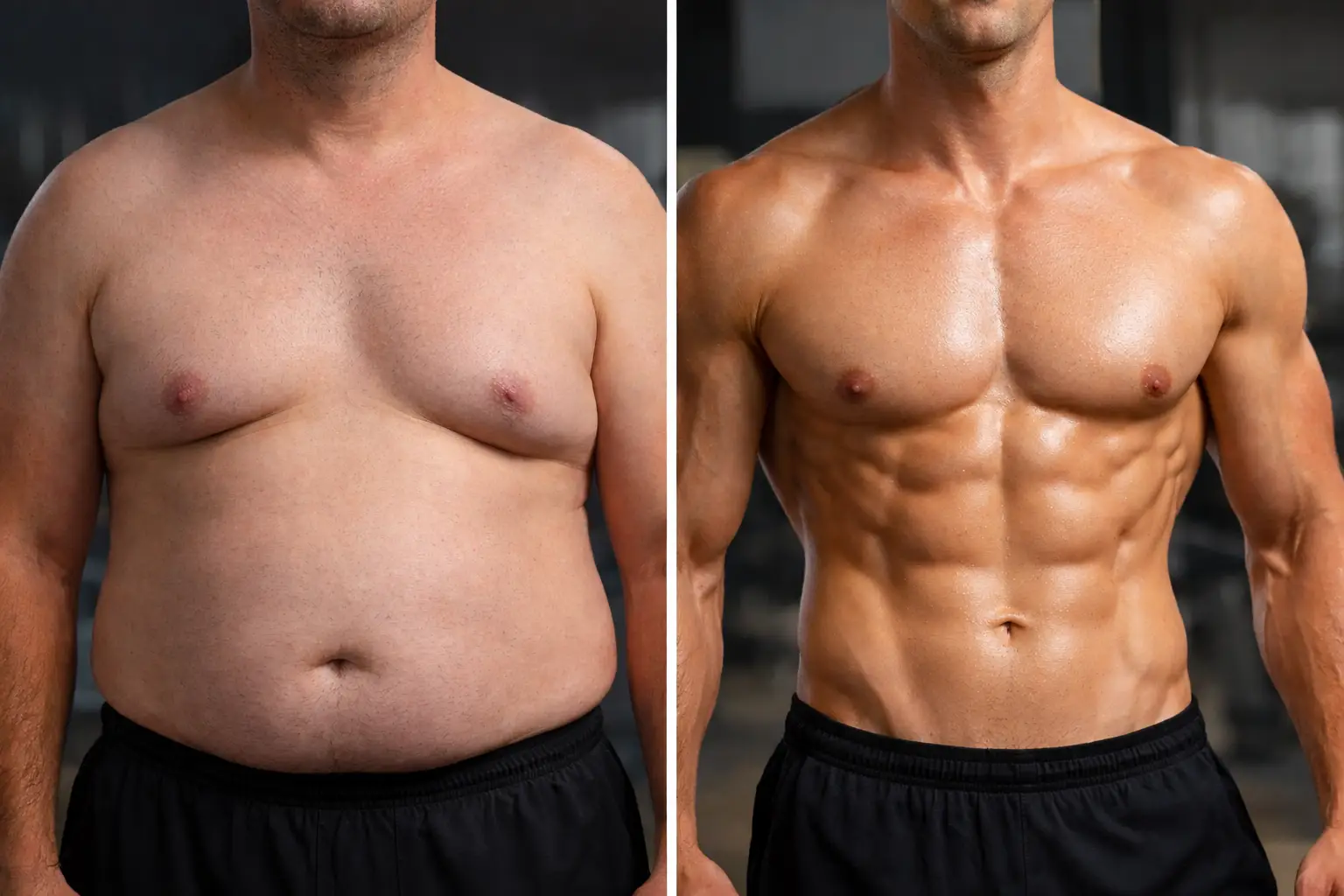
A side-by-side comparison of a man's torso showing a body transformation from overweight to muscular and shredded.

Health

Feb 19, 2026

How to Lose Chest Fat Effectively? Backed by Clinical Studies

Chest fat is one of the most common trouble spots for men (and sometimes women), and it can feel stubborn no matter how many push-ups you do.

Here's what science actually tells us: you can't spot-reduce fat from just your chest. But that doesn't mean you're stuck with it. With the right combination of diet, exercise, and lifestyle tweaks, you can reduce overall body fat and sculpt a leaner, more defined chest.

This guide will walk you through everything you need to know, from understanding why fat accumulates in your chest to actionable strategies that actually work.

Understanding Chest Fat: Causes and Types

Before you start tackling chest fat, it helps to understand what's going on beneath the surface. Chest fat doesn't show up randomly, it's influenced by genetics, hormones, lifestyle, and sometimes underlying health conditions. Knowing the root cause can help you choose the most effective approach.

Why Fat Accumulates in the Chest Area?

Your body stores fat in different places based on factors you can't fully control.

  • Genetics play a huge role, some people naturally store more fat in their chest, belly, or thighs.Some research suggests genetics can influence where the body tends to store fat. Genome-wide association studies have pinpointed over 460 genetic locations related to how and where your body stores fat, with some people naturally storing more in their chest, while others accumulate it in their belly or thighs.

  • Hormones are another major player. Higher levels of estrogen relative to testosterone can encourage fat storage in the chest, particularly in men. This hormonal imbalance might result from aging, obesity, certain medications, or health conditions.

  • Beyond that, lifestyle habits matter. A diet high in processed foods, sugar, and unhealthy fats can lead to overall weight gain, and your chest might be one of the places where that extra fat shows up.

  • Lack of physical activity compounds the issue, as your body burns fewer calories and loses muscle mass over time.

What Causes Chest Fat in Males?

For men specifically, chest fat often ties back to testosterone levels. As you age, testosterone naturally declines while estrogen can increase, especially if you're carrying excess body fat, since fat tissue can convert testosterone into estrogen. This creates a feedback loop: more fat leads to more estrogen, which encourages more fat storage in the chest.

Primary causes of male chest fat:

  • Obesity and being overweight are the most straightforward causes. When your calorie intake exceeds what you burn, your body stores the surplus as fat. The chest is a common depot, particularly if you're genetically predisposed to store fat there.

  • Alcohol consumption, especially heavy drinking, can also interfere with hormone balance and contribute to chest fat accumulation.

  • Certain medications, like steroids, anti-androgens, or treatments for prostate conditions, can affect hormone levels and lead to increased chest fat. If you've recently started a new medication and noticed changes, it's worth discussing with your doctor.

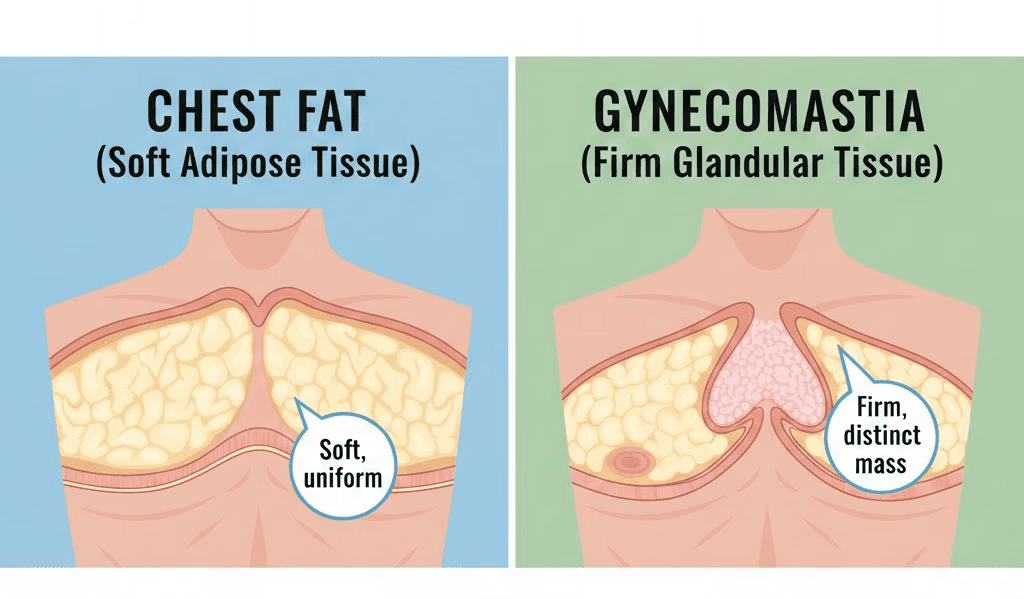
Chest Fat vs. Gynecomastia

An anatomical diagram comparing chest fat (soft adipose tissue) on the left with gynecomastia (firm glandular tissue) on the right, highlighting the difference between soft, uniform fat and a firm, distinct mass.

Not all chest enlargement is the same:

  • Chest fat is exactly what it sounds like: adipose tissue stored in the pectoral area. It's soft, and you can pinch it between your fingers.

  • Gynecomastia, on the other hand, is the development of actual glandular breast tissue in men. It feels firmer, sometimes rubbery, and is usually centered around the nipple.

Gynecomastia is caused by hormonal imbalances, often an excess of estrogen or a deficiency in testosterone. It can occur during puberty, in older age, or due to medications, health conditions (like liver or kidney disease), or substance use. Unlike chest fat, which responds to diet and exercise, gynecomastia often requires medical treatment or surgery to correct.

Approximately 65% of men between ages 50-80 experience gynecomastia, while 50-60% of adolescent boys develop it during puberty (though 75% of those cases resolve within two years). For adults with persistent gynecomastia, 25% of cases are idiopathic, meaning no specific cause can be identified.

Chest fullness can come from fat tissue, glandular tissue (gynecomastia), or a combination of both. Because it can be hard to tell the difference on your own, consider talking with a healthcare professional if you notice persistent changes, pain, a firm lump, or nipple discharge.

Feature

Chest Fat

Gynecomastia

Tissue type

Fat (adipose tissue)

Glandular breast tissue

Texture

Soft, squishy

Firm or rubbery

Pinch test

Easily pinched between fingers

Feels like a disc or lump under the nipple

Location

Spread across the chest

Usually centered behind the nipple

Main cause

Overall body fat gain

Hormonal imbalance (estrogen/testosterone)

Common triggers

Diet, inactivity, weight gain

Puberty, aging, medications, health conditions

Response to diet & exercise

Yes

Usually no

Need for medical treatment

No

Often yes

Typical solutions

Fat loss, strength training

Medical evaluation, hormone treatment, or surgery

How to Get Rid of Chest Fat: Evidence-Based Strategies

Now for the strategies that work. Remember, you can't target fat loss in just one area. But by reducing your overall body fat percentage through diet, exercise, and smart lifestyle choices, you'll eventually see results:

The Role of Diet in Reducing Chest Fat

A healthy meal spread featuring grilled chicken breast, avocado toast with feta, a bowl of mixed berries, asparagus, yogurt with almonds, and a glass of iced green tea with lemon.

You can't out-exercise a bad diet. If you're serious about losing chest fat, your eating habits need attention first. In general, fat loss occurs when energy intake is lower than energy expenditure over time. That typically involves an overall pattern where intake is lower than what the body uses.

But it's not just about calories. The quality of your food matters, too. Diets high in refined carbs and sugar can spike insulin levels, which encourages fat storage. Many people find that prioritizing minimally processed, nutrient-dense foods can support satiety and overall nutrition during weight loss. According to clinical studies on weight loss, this deficit should result in 0.5-1 kg of weight loss weekly.

Focus on:

  • Lean proteins (chicken breast, turkey, fish, tofu)

  • Vegetables (especially leafy greens and cruciferous veggies)

  • Whole grains (oats, brown rice, whole wheat)

  • Healthy fats (avocado, nuts, olive oil)

  • Fruits in moderation (berries are great for antioxidants)

  • Plenty of water (often overlooked but crucial)

Some people choose to reduce:

  • Sugary drinks and sodas (empty calories that spike insulin)

  • Processed snacks and fast food (high in trans fats and sodium)

  • Alcohol (it disrupts hormone balance and adds calories)

  • Refined carbs (white bread, pastries, sugary cereals)

  • Fried foods (loaded with unhealthy fats)

Consistency beats perfection. You don't need to eat perfectly 100% of the time, but your overall pattern should lean toward nutrient-rich, whole foods most days.

Effective Exercises to Target the Chest

A four-image collage of a man performing chest exercises in a gym, including barbell bench press, cable crossovers, push-ups, and dumbbell chest press.

Exercise is the second pillar. While you can't spot-reduce fat, you can build muscle in your chest to create a firmer, more defined appearance as you lose fat overall. A combination of strength training and cardio will give you the best results.

Strength Training Exercises for Chest Definition

Building your pectoral muscles won't directly burn the fat sitting on top, but it will improve the shape and appearance of your chest. Plus, muscle tissue burns more calories at rest than fat does, so increasing your muscle mass boosts your metabolism.

Here are some of the most effective chest exercises:

  • Push-ups: The classic. They work your entire chest, shoulders, and triceps.Different push-up variations can shift which muscles feel most challenged.

  • Bench press: A staple for building chest mass and strength. Bench press can be performed with different equipment and angles depending on experience and access.

  • Dumbbell flyes: Great for stretching and contracting the pectoral muscles. Go slow and controlled.

  • Dips: Targets the lower chest and triceps. Lean forward slightly to emphasize the chest.

  • Cable crossovers: Excellent for isolating the chest and achieving a good squeeze at the peak contraction.

Many programs include regular chest-focused strength work, and sets, reps, and load can be adjusted to goals, experience, and recovery. Don't neglect other muscle groups, balanced training supports overall fat loss and prevents injury.

Cardio Workouts for Overall Fat Reduction

Cardio can increase energy expenditure and support fat loss, especially when combined with nutrition and strength training. You don't need to run marathons, consistent, moderate-intensity cardio combined with some high-intensity intervals works well.

  • Steady-state cardio: Moderate-intensity activities like jogging, cycling, swimming, or brisk walking can support overall activity levels, and the amount can be adapted to your schedule and fitness level.

  • High-Intensity Interval Training (HIIT): Short bursts of intense effort followed by rest periods. HIIT can be a time-efficient way to increase effort, and some people experience a short-term increase in post-exercise energy expenditure. Think sprints, jump rope, or circuit training.

  • Incline walking: If high-impact exercise isn't your thing, walking on an incline is surprisingly effective for fat loss and easier on your joints.

The best cardio is the one you'll actually do. Pick something you enjoy, or mix it up to keep things interesting!

Lifestyle Changes That Support Chest Fat Loss

A three-panel collage of a man showing a healthy daily routine: jogging outdoors in the sun, sleeping soundly in a dark room with a crescent moon visible outside, and practicing seated meditation with his eyes closed.

Diet and exercise are critical, but your daily habits can either accelerate or sabotage your progress. Here are some lifestyle factors that often get overlooked:

  • Sleep: Poor sleep messes with hunger hormones (ghrelin and leptin), increases cravings, and lowers testosterone. Many health organizations recommend adequate sleep, and individual needs can vary.

  • Stress management: Chronic stress elevates cortisol, a hormone that promotes fat storage, especially around the midsection and chest. Some people find practices like meditation, breathing exercises, or yoga helpful for stress management

  • Limit alcohol: Alcohol is high in empty calories and can lower testosterone while raising estrogen. Cutting back can make a noticeable difference.

  • Stay hydrated: Water supports metabolism, helps control appetite, and keeps your workouts effective. Hydration needs vary with activity level, climate, and individual factors.

  • Be patient and consistent: Fat loss takes time, and chest fat might be one of the last areas to lean out. Sustainable progress often takes time, and consistency over weeks can matter more than day-to-day fluctuations. Track your progress with photos and measurements, not just the scale.

When to Consider Medical Evaluation?

Sometimes, chest fat isn't just about diet and exercise. If you've been following a solid plan for several months without seeing any improvement, or if your chest has a firm, glandular feel rather than soft fat, it's time to talk to a doctor.

As mentioned earlier, gynecomastia involves actual breast tissue growth and won't respond to lifestyle changes alone. A healthcare professional can evaluate symptoms and may recommend lab work based on your history and exam. Imbalances in any of these can contribute to chest fat or gynecomastia.

If gynecomastia is diagnosed, a clinician can discuss management options based on the cause and severity.

Don't ignore persistent or worsening chest enlargement, especially if it's accompanied by pain, nipple discharge, or lumps. While rare, these can be signs of more serious conditions that need prompt evaluation.

Key Takeaways

  • Spot-reducing chest fat is impossible, but you can lose chest fat by reducing overall body fat through a calorie deficit, proper nutrition, and consistent exercise.

  • Combine strength training exercises like push-ups, bench press, and dumbbell flyes with cardio workouts to build chest muscle and burn fat effectively.

  • Prioritize a diet rich in lean protein, healthy fats, and whole grains while avoiding sugary drinks, processed foods, and excess alcohol to support fat loss.

  • Lifestyle factors like getting 7-9 hours of sleep, managing stress, and staying hydrated play a crucial role in reducing chest fat and balancing hormones.

  • If chest enlargement feels firm rather than soft or doesn't improve after months of effort, consult a doctor to rule out gynecomastia or hormonal imbalances.

Bottom Line

Losing chest fat isn't about doing a hundred push-ups a day or cutting out all carbs. It's about creating a sustainable calorie deficit through smart eating, combining strength training with cardio, and supporting your efforts with healthy lifestyle habits. You can't spot-reduce fat, but you can reduce your overall body fat percentage, and eventually, your chest will follow.

Be patient with yourself. Results won't happen overnight, and chest fat is often one of the last areas to slim down. Track your progress with measurements and photos, not just the scale. If you want a more objective way to monitor body fat changes, tools like InBody scans can help you see shifts in fat mass and lean tissue over time.  

A side-by-side comparison of a man's torso showing a body transformation from overweight to muscular and shredded.

Health

Feb 19, 2026

How to Lose Chest Fat Effectively? Backed by Clinical Studies

Chest fat is one of the most common trouble spots for men (and sometimes women), and it can feel stubborn no matter how many push-ups you do.

Here's what science actually tells us: you can't spot-reduce fat from just your chest. But that doesn't mean you're stuck with it. With the right combination of diet, exercise, and lifestyle tweaks, you can reduce overall body fat and sculpt a leaner, more defined chest.

This guide will walk you through everything you need to know, from understanding why fat accumulates in your chest to actionable strategies that actually work.

Understanding Chest Fat: Causes and Types

Before you start tackling chest fat, it helps to understand what's going on beneath the surface. Chest fat doesn't show up randomly, it's influenced by genetics, hormones, lifestyle, and sometimes underlying health conditions. Knowing the root cause can help you choose the most effective approach.

Why Fat Accumulates in the Chest Area?

Your body stores fat in different places based on factors you can't fully control.

  • Genetics play a huge role, some people naturally store more fat in their chest, belly, or thighs.Some research suggests genetics can influence where the body tends to store fat. Genome-wide association studies have pinpointed over 460 genetic locations related to how and where your body stores fat, with some people naturally storing more in their chest, while others accumulate it in their belly or thighs.

  • Hormones are another major player. Higher levels of estrogen relative to testosterone can encourage fat storage in the chest, particularly in men. This hormonal imbalance might result from aging, obesity, certain medications, or health conditions.

  • Beyond that, lifestyle habits matter. A diet high in processed foods, sugar, and unhealthy fats can lead to overall weight gain, and your chest might be one of the places where that extra fat shows up.

  • Lack of physical activity compounds the issue, as your body burns fewer calories and loses muscle mass over time.

What Causes Chest Fat in Males?

For men specifically, chest fat often ties back to testosterone levels. As you age, testosterone naturally declines while estrogen can increase, especially if you're carrying excess body fat, since fat tissue can convert testosterone into estrogen. This creates a feedback loop: more fat leads to more estrogen, which encourages more fat storage in the chest.

Primary causes of male chest fat:

  • Obesity and being overweight are the most straightforward causes. When your calorie intake exceeds what you burn, your body stores the surplus as fat. The chest is a common depot, particularly if you're genetically predisposed to store fat there.

  • Alcohol consumption, especially heavy drinking, can also interfere with hormone balance and contribute to chest fat accumulation.

  • Certain medications, like steroids, anti-androgens, or treatments for prostate conditions, can affect hormone levels and lead to increased chest fat. If you've recently started a new medication and noticed changes, it's worth discussing with your doctor.

Chest Fat vs. Gynecomastia

An anatomical diagram comparing chest fat (soft adipose tissue) on the left with gynecomastia (firm glandular tissue) on the right, highlighting the difference between soft, uniform fat and a firm, distinct mass.

Not all chest enlargement is the same:

  • Chest fat is exactly what it sounds like: adipose tissue stored in the pectoral area. It's soft, and you can pinch it between your fingers.

  • Gynecomastia, on the other hand, is the development of actual glandular breast tissue in men. It feels firmer, sometimes rubbery, and is usually centered around the nipple.

Gynecomastia is caused by hormonal imbalances, often an excess of estrogen or a deficiency in testosterone. It can occur during puberty, in older age, or due to medications, health conditions (like liver or kidney disease), or substance use. Unlike chest fat, which responds to diet and exercise, gynecomastia often requires medical treatment or surgery to correct.

Approximately 65% of men between ages 50-80 experience gynecomastia, while 50-60% of adolescent boys develop it during puberty (though 75% of those cases resolve within two years). For adults with persistent gynecomastia, 25% of cases are idiopathic, meaning no specific cause can be identified.

Chest fullness can come from fat tissue, glandular tissue (gynecomastia), or a combination of both. Because it can be hard to tell the difference on your own, consider talking with a healthcare professional if you notice persistent changes, pain, a firm lump, or nipple discharge.

Feature

Chest Fat

Gynecomastia

Tissue type

Fat (adipose tissue)

Glandular breast tissue

Texture

Soft, squishy

Firm or rubbery

Pinch test

Easily pinched between fingers

Feels like a disc or lump under the nipple

Location

Spread across the chest

Usually centered behind the nipple

Main cause

Overall body fat gain

Hormonal imbalance (estrogen/testosterone)

Common triggers

Diet, inactivity, weight gain

Puberty, aging, medications, health conditions

Response to diet & exercise

Yes

Usually no

Need for medical treatment

No

Often yes

Typical solutions

Fat loss, strength training

Medical evaluation, hormone treatment, or surgery

How to Get Rid of Chest Fat: Evidence-Based Strategies

Now for the strategies that work. Remember, you can't target fat loss in just one area. But by reducing your overall body fat percentage through diet, exercise, and smart lifestyle choices, you'll eventually see results:

The Role of Diet in Reducing Chest Fat

A healthy meal spread featuring grilled chicken breast, avocado toast with feta, a bowl of mixed berries, asparagus, yogurt with almonds, and a glass of iced green tea with lemon.

You can't out-exercise a bad diet. If you're serious about losing chest fat, your eating habits need attention first. In general, fat loss occurs when energy intake is lower than energy expenditure over time. That typically involves an overall pattern where intake is lower than what the body uses.

But it's not just about calories. The quality of your food matters, too. Diets high in refined carbs and sugar can spike insulin levels, which encourages fat storage. Many people find that prioritizing minimally processed, nutrient-dense foods can support satiety and overall nutrition during weight loss. According to clinical studies on weight loss, this deficit should result in 0.5-1 kg of weight loss weekly.

Focus on:

  • Lean proteins (chicken breast, turkey, fish, tofu)

  • Vegetables (especially leafy greens and cruciferous veggies)

  • Whole grains (oats, brown rice, whole wheat)

  • Healthy fats (avocado, nuts, olive oil)

  • Fruits in moderation (berries are great for antioxidants)

  • Plenty of water (often overlooked but crucial)

Some people choose to reduce:

  • Sugary drinks and sodas (empty calories that spike insulin)

  • Processed snacks and fast food (high in trans fats and sodium)

  • Alcohol (it disrupts hormone balance and adds calories)

  • Refined carbs (white bread, pastries, sugary cereals)

  • Fried foods (loaded with unhealthy fats)

Consistency beats perfection. You don't need to eat perfectly 100% of the time, but your overall pattern should lean toward nutrient-rich, whole foods most days.

Effective Exercises to Target the Chest

A four-image collage of a man performing chest exercises in a gym, including barbell bench press, cable crossovers, push-ups, and dumbbell chest press.

Exercise is the second pillar. While you can't spot-reduce fat, you can build muscle in your chest to create a firmer, more defined appearance as you lose fat overall. A combination of strength training and cardio will give you the best results.

Strength Training Exercises for Chest Definition

Building your pectoral muscles won't directly burn the fat sitting on top, but it will improve the shape and appearance of your chest. Plus, muscle tissue burns more calories at rest than fat does, so increasing your muscle mass boosts your metabolism.

Here are some of the most effective chest exercises:

  • Push-ups: The classic. They work your entire chest, shoulders, and triceps.Different push-up variations can shift which muscles feel most challenged.

  • Bench press: A staple for building chest mass and strength. Bench press can be performed with different equipment and angles depending on experience and access.

  • Dumbbell flyes: Great for stretching and contracting the pectoral muscles. Go slow and controlled.

  • Dips: Targets the lower chest and triceps. Lean forward slightly to emphasize the chest.

  • Cable crossovers: Excellent for isolating the chest and achieving a good squeeze at the peak contraction.

Many programs include regular chest-focused strength work, and sets, reps, and load can be adjusted to goals, experience, and recovery. Don't neglect other muscle groups, balanced training supports overall fat loss and prevents injury.

Cardio Workouts for Overall Fat Reduction

Cardio can increase energy expenditure and support fat loss, especially when combined with nutrition and strength training. You don't need to run marathons, consistent, moderate-intensity cardio combined with some high-intensity intervals works well.

  • Steady-state cardio: Moderate-intensity activities like jogging, cycling, swimming, or brisk walking can support overall activity levels, and the amount can be adapted to your schedule and fitness level.

  • High-Intensity Interval Training (HIIT): Short bursts of intense effort followed by rest periods. HIIT can be a time-efficient way to increase effort, and some people experience a short-term increase in post-exercise energy expenditure. Think sprints, jump rope, or circuit training.

  • Incline walking: If high-impact exercise isn't your thing, walking on an incline is surprisingly effective for fat loss and easier on your joints.

The best cardio is the one you'll actually do. Pick something you enjoy, or mix it up to keep things interesting!

Lifestyle Changes That Support Chest Fat Loss

A three-panel collage of a man showing a healthy daily routine: jogging outdoors in the sun, sleeping soundly in a dark room with a crescent moon visible outside, and practicing seated meditation with his eyes closed.

Diet and exercise are critical, but your daily habits can either accelerate or sabotage your progress. Here are some lifestyle factors that often get overlooked:

  • Sleep: Poor sleep messes with hunger hormones (ghrelin and leptin), increases cravings, and lowers testosterone. Many health organizations recommend adequate sleep, and individual needs can vary.

  • Stress management: Chronic stress elevates cortisol, a hormone that promotes fat storage, especially around the midsection and chest. Some people find practices like meditation, breathing exercises, or yoga helpful for stress management

  • Limit alcohol: Alcohol is high in empty calories and can lower testosterone while raising estrogen. Cutting back can make a noticeable difference.

  • Stay hydrated: Water supports metabolism, helps control appetite, and keeps your workouts effective. Hydration needs vary with activity level, climate, and individual factors.

  • Be patient and consistent: Fat loss takes time, and chest fat might be one of the last areas to lean out. Sustainable progress often takes time, and consistency over weeks can matter more than day-to-day fluctuations. Track your progress with photos and measurements, not just the scale.

When to Consider Medical Evaluation?

Sometimes, chest fat isn't just about diet and exercise. If you've been following a solid plan for several months without seeing any improvement, or if your chest has a firm, glandular feel rather than soft fat, it's time to talk to a doctor.

As mentioned earlier, gynecomastia involves actual breast tissue growth and won't respond to lifestyle changes alone. A healthcare professional can evaluate symptoms and may recommend lab work based on your history and exam. Imbalances in any of these can contribute to chest fat or gynecomastia.

If gynecomastia is diagnosed, a clinician can discuss management options based on the cause and severity.

Don't ignore persistent or worsening chest enlargement, especially if it's accompanied by pain, nipple discharge, or lumps. While rare, these can be signs of more serious conditions that need prompt evaluation.

Key Takeaways

  • Spot-reducing chest fat is impossible, but you can lose chest fat by reducing overall body fat through a calorie deficit, proper nutrition, and consistent exercise.

  • Combine strength training exercises like push-ups, bench press, and dumbbell flyes with cardio workouts to build chest muscle and burn fat effectively.

  • Prioritize a diet rich in lean protein, healthy fats, and whole grains while avoiding sugary drinks, processed foods, and excess alcohol to support fat loss.

  • Lifestyle factors like getting 7-9 hours of sleep, managing stress, and staying hydrated play a crucial role in reducing chest fat and balancing hormones.

  • If chest enlargement feels firm rather than soft or doesn't improve after months of effort, consult a doctor to rule out gynecomastia or hormonal imbalances.

Bottom Line

Losing chest fat isn't about doing a hundred push-ups a day or cutting out all carbs. It's about creating a sustainable calorie deficit through smart eating, combining strength training with cardio, and supporting your efforts with healthy lifestyle habits. You can't spot-reduce fat, but you can reduce your overall body fat percentage, and eventually, your chest will follow.

Be patient with yourself. Results won't happen overnight, and chest fat is often one of the last areas to slim down. Track your progress with measurements and photos, not just the scale. If you want a more objective way to monitor body fat changes, tools like InBody scans can help you see shifts in fat mass and lean tissue over time.  

InBody Blog Articles

Welcome to our hub for body composition content, with articles discussing fitness, nutrition, disease prevention and more of how they relate to body composition.

Fitness

Fitness

Health

Health

Nutrition

Nutrition

Wellness

Wellness

Diet

Diet

Body Composition

Body Composition

All articles

Determined Woman in Muddy Obstacle Race

InBody Blog

Sep 23, 2025

How to Prep for Your Next Fitness Challenge

Tackling a fitness challenge, whether it’s a marathon, a HYROX competition, or an obstacle course race, takes more than sheer determination; it requires smart preparation. From designing your training and nutrition plan to building mental resilience, the right prep can make the difference between struggling through the event and crushing it with confidence.

Here’s how to get ready for your next fitness challenge, step by step.

1. Choose the Right Fitness Challenge

The first step is choosing a challenge that aligns with your fitness level, goals, and interests. Popular options include:

  • Running-based challenges like 5Ks, 10Ks, and half or full marathons. These events test endurance, pacing, and mental stamina.

  • Functional fitness challenges such as HYROX competitions, CrossFit events, or obstacle course races. These tests combine strength, speed, endurance, and agility.

When selecting your challenge, consider your motivation: Why do you want to do this? Are you aiming to push your endurance, build functional strength, or simply have fun while testing your limits? Knowing your “why” will help you stay focused through the ups and downs of training.

2. Establish Your Baseline With Body Composition Analysis

Before you jump into intense workouts, it’s important to know where you’re starting. Tracking your body composition provides a clear picture of how your fat and muscle mass change as you train. 

One of the easiest ways to do this is by hopping on a body composition scale each week. In addition to weight, these scales measure body fat percentage and muscle mass, giving you a better snapshot of how your training is impacting your body.

3. Design Your Training Plan

A Weightlifter Holding a Barbell on His Shoulders

Designing an effective training plan is about combining running and functional fitness to prepare your body for the specific demands of your challenge. Whether you’re tackling a marathon or a HYROX-style functional fitness event, training should be balanced, structured, and tailored to your goals.

For running-focused challenges, incorporate a mix of workouts, including:

  • Interval Training: short bursts of high-intensity running followed by recovery periods to improve speed and cardiovascular capacity

  • Tempo Runs: sustained, moderate-intensity runs that teach your body to maintain a strong pace over distance

  • Long-Distance Endurance Runs: gradually increase mileage to build stamina and mental resilience

For HYROX and other fitness challenges, your training should mimic the movements you’ll face on event day. Include strength-training exercises like:

  • Pushes and Pulls: bench presses, push-ups, rows, and pull-ups

  • Squats and Lunges

  • Carries: farmer’s carries, sandbag carries, and weighted walks

  • Rowing and Sled Pushes

When building out your weekly schedule, balance high-intensity sessions with recovery days. Incorporate mobility work, stretching, and prehab exercises to reduce the risk of injury and improve overall movement quality.

4. Dial in Your Diet

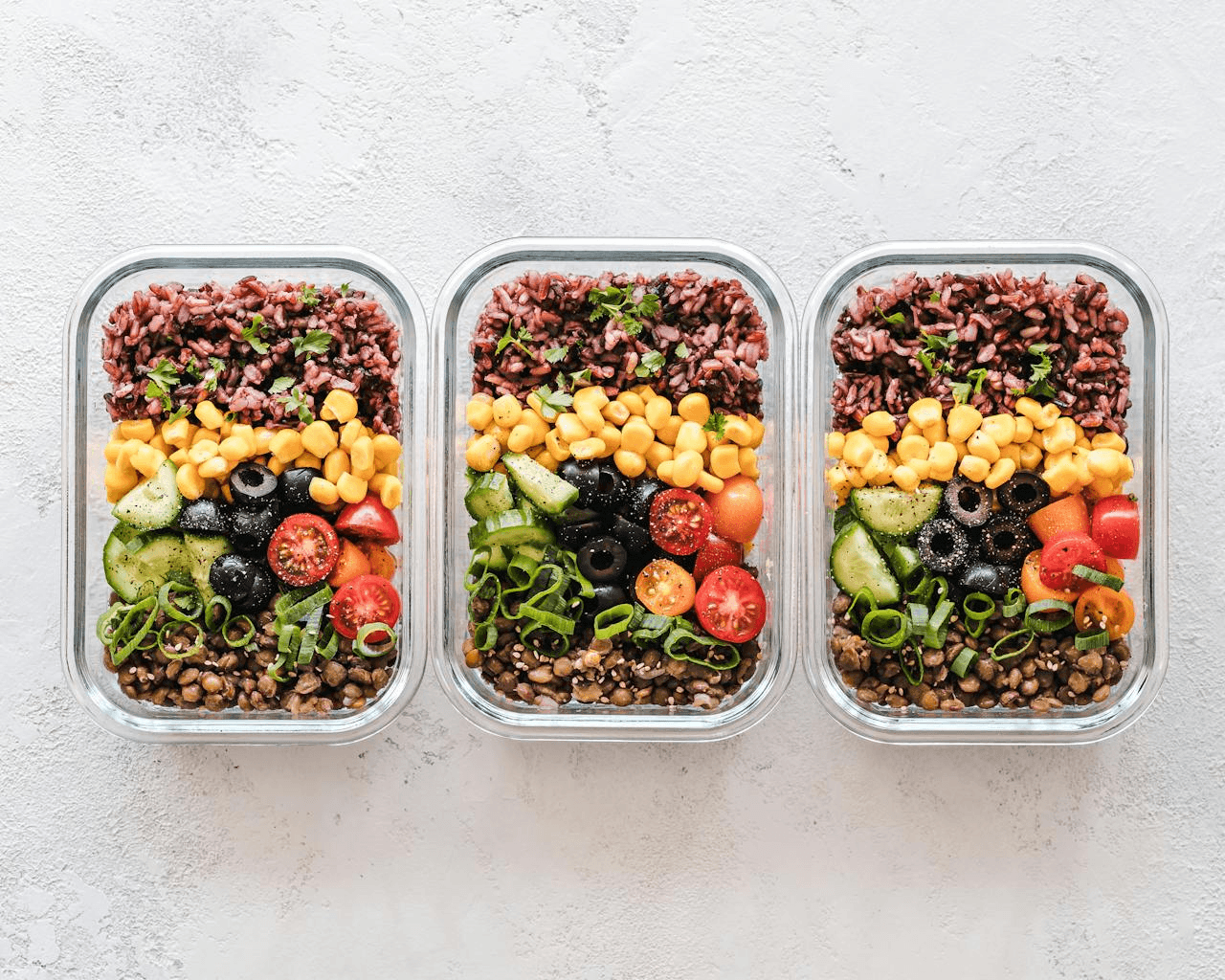
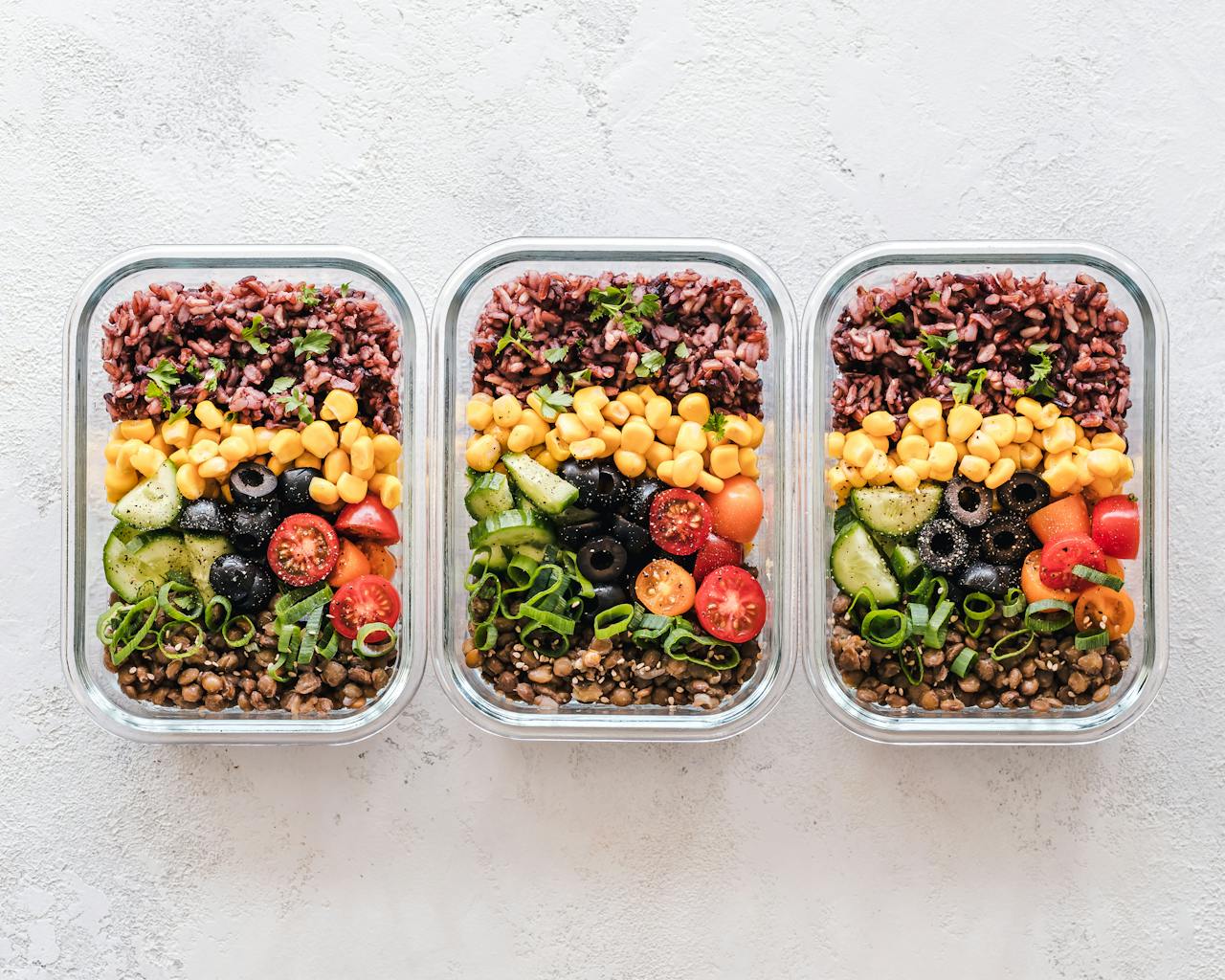
Flat Lay Photography of Three Tray of Foods

Nutrition is just as important as your workouts. Your diet fuels training, aids recovery, and supports performance. 

Aim for a balanced intake of protein, carbohydrates, and healthy fats to support energy, recovery, and muscle repair. A common guideline for active adults is:

  • Protein: 1.1 to 1.7 grams per kilogram of body weight per day to repair and build muscle

  • Carbohydrates: 5 to 7 grams per kilogram of body weight per day to fuel endurance and replenish glycogen stores

  • Fats: approximately 30% of total daily calories for energy and inflammation reduction

Adjust these ratios based on your training intensity and challenge type—higher carb intake on long run days or heavy functional workouts, and slightly higher protein on strength-focused days.

And don’t forget to stay hydrated throughout training and during the event. A general guideline is to aim for half your body weight in ounces of water per day (e.g., a 150-pound person should drink about 75 ounces daily), and increase intake based on sweat loss, workout intensity, and environmental conditions.

For longer or high-intensity sessions, supplement plain water with electrolytes—sodium, potassium, and magnesium—to prevent cramping and maintain energy. Additionally, monitor your urine color: pale yellow indicates good hydration, while darker urine signals the need for more fluids.

5. Track Your Progress and Adjust Your Plan

Tracking your progress is essential for making your training as effective as possible. You can see what’s working, identify areas for improvement, and adjust your plan to keep making gains.

Wearable fitness trackers can monitor heart rate, steps, calories burned, and running metrics like pace and distance. These devices are especially useful for tracking endurance, monitoring intensity during functional workouts, and ensuring you’re hitting your training targets. Many also allow you to track sleep, which is crucial for recovery and performance.

It’s also helpful to keep a log of your workouts (either handwritten or in an app). Track exercises, sets, reps, weights, and training volume over time to make it easier to spot plateaus or imbalances, adjust intensity, and plan progressive overload.

6. Mental Preparation and Motivation

Preparing for a fitness challenge isn’t just physical; your mind plays a huge role in how well you perform. Mental preparation can help you stay focused, overcome fatigue, and push through difficult moments during training and on challenge day.

One of the most powerful tools for mental preparation is visualization. Spend a few minutes each day imagining yourself completing the challenge successfully. Picture each stage of the event, from the starting line to crossing the finish, and envision how your body moves efficiently through each task. This mental rehearsal can build confidence, reduce anxiety, and prime your body for peak performance.

7. Crush Your Fitness Challenge

Man Winning A Footrace

After weeks of training, the final week before your fitness challenge is all about fine-tuning your preparation, tapering your workouts, and dialing in your nutrition so you can perform at your best.

In the last five to seven days before your event, reduce your training volume while keeping intensity moderate. Shorter workouts, lighter weights, and decreased mileage help your muscles recover and ensure your energy stores are fully replenished. Focus on mobility, stretching, and gentle cardio to stay loose without overtaxing your body.

On challenge day, your mental state can make a huge difference. Use visualization techniques from training, focus on pacing yourself, and celebrate small milestones throughout the event. Music playlists can keep energy high, while cheering sections or training partners provide extra motivation when fatigue sets in. 

Remind yourself why you signed up and the hard work you’ve already put in—confidence and positivity can carry you through the toughest moments. You got this!

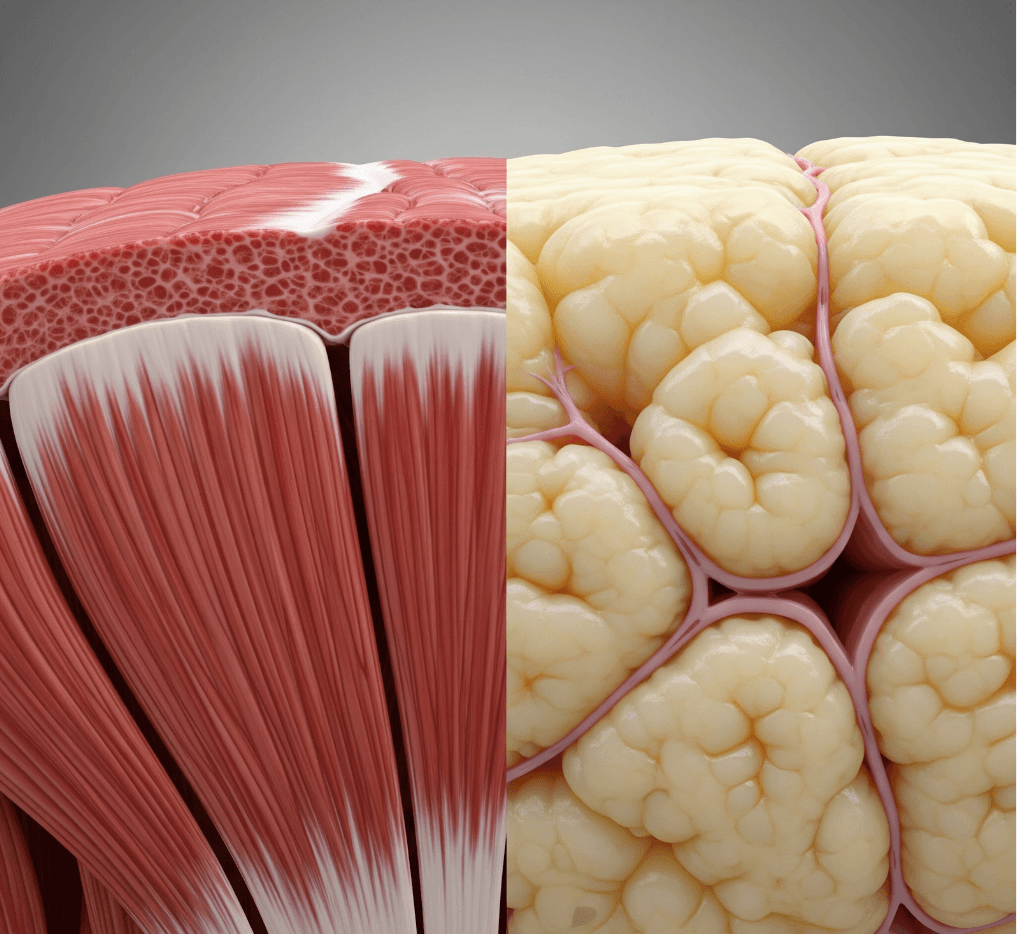
A close-up side-by-side comparison of human muscle tissue (on the left) and human fat tissue (on the right). The muscle tissue is shown in a reddish-pink color with visible fibers, while the fat tissue is depicted as a lumpy, yellowish substance with visible cell structures

InBody Blog

Sep 1, 2025

Muscle vs Fat Weight: What’s the Real Difference?

When you’re working toward health or fitness goals, it’s easy to get caught up in the number on the bathroom scale. But that number alone doesn’t tell the full story. It can’t show how much of your weight comes from muscle, fat, water, or bone, and each of those plays a very different role in how your body looks, feels, and functions.

One of the most common questions people ask is, “Does muscle weigh more than fat?” The answer reveals an important truth about density, not just weight. In this article, we’ll break down the real differences between muscle and fat, explain how they affect your weight and appearance, and show why focusing on body composition gives you a much better picture of your health than the scale ever could.

Does Muscle Weigh More Than Fat?

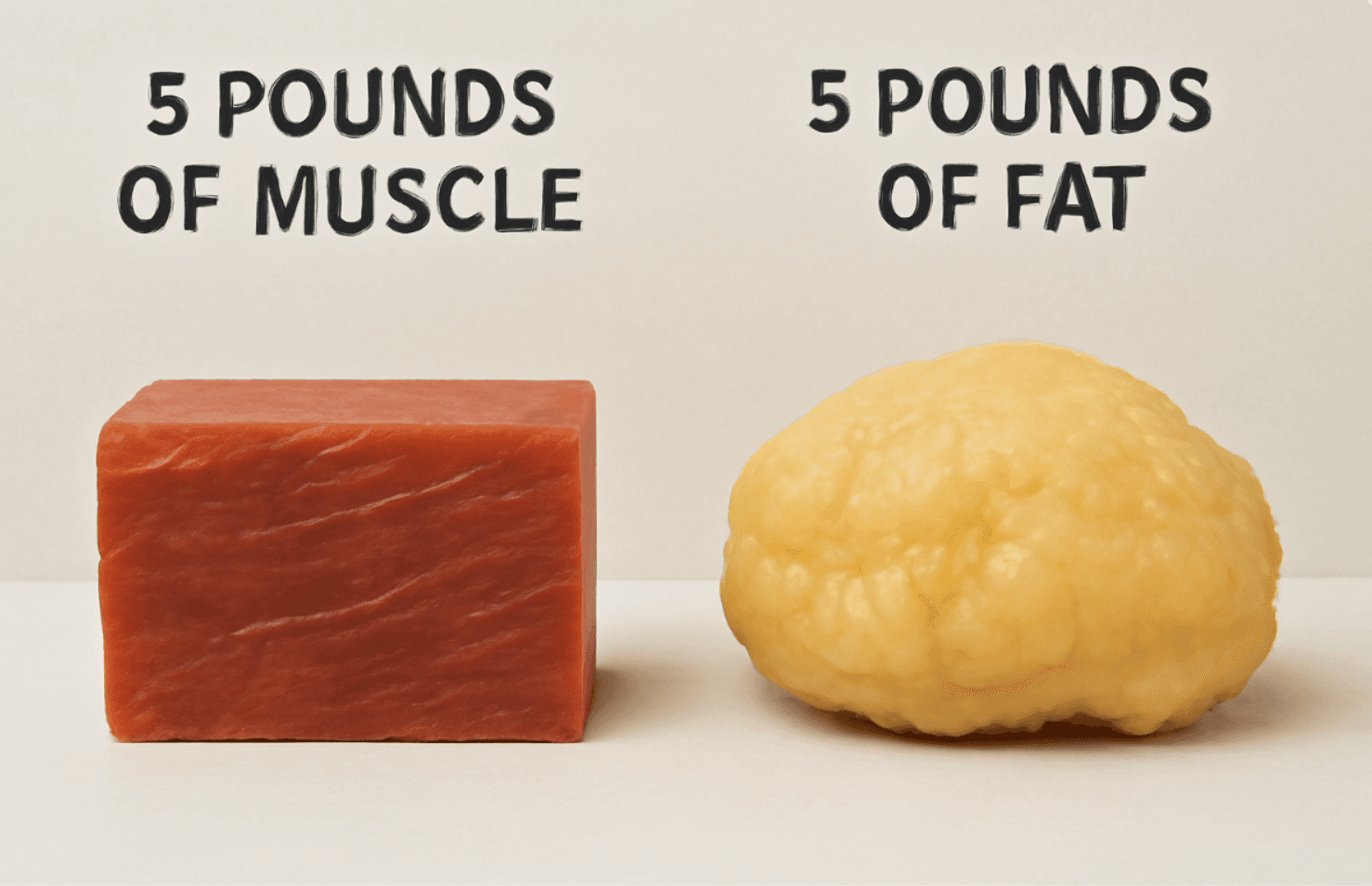
A side-by-side comparison of 5 pounds of muscle tissue (on the left) and 5 pounds of fat tissue (on the right). The muscle is a dense, reddish-brown cube, while the fat is a larger, lumpy, yellowish mass.

You’ve probably heard the phrase, “muscle weighs more than fat.” And while that’s a common belief, it’s not exactly true – a pound is a pound, whether it’s muscle or fat. What really sets them apart is density.

Muscle is denser than fat – about 18% more, to be exact. That means muscle takes up less space in your body for the same amount of weight. According to research published in American Journal of Clinical Nutrition, the density of lean tissue (like muscle) is about 1.1 g/cm³, while fat tissue is closer to 0.9 g/cm³¹.

Here’s an easy way to picture it:

  • 5 pounds of muscle might be the size of a small book

  • 5 pounds of fat could look more like a small football

This difference explains why two people can weigh the same and be the same height, but one looks lean and sculpted, while the other appears softer. That’s body composition at work.

So if you’ve started strength training and your weight hasn’t changed much (or even gone up), don’t panic. You might be burning fat and building muscle at the same time – and that’s a sign your fitness plan is working, even if the scale isn’t showing it.

Muscle vs Fat: Volume and Visual Differences

When it comes to how your body looks, muscle and fat don’t behave the same way, even if they weigh the same.  

Check this muscle vs fat weight comparison table

Characteristic

Muscle Tissue

Fat Tissue

Density

1.1 g/cm³

0.9 g/cm³

Volume (per 5 lbs)

Smaller (like a book)

Larger (like a football)

Appearance

Firm, defined

Soft, less defined

Metabolic activity

High (burns 7-10 calories/lb/day)

Low (burns 2-3 calories/lb/day)

Blood supply

Rich vascularization

Limited blood vessels

Response to training

Adaptable, grows with resistance

Reduces with caloric deficit

The visual impact of replacing fat with muscle is substantial. A person who loses 10 pounds of fat and gains 10 pounds of muscle will maintain the same scale weight but appear noticeably leaner and more toned due to the reduced volume of the muscle tissue compared to the fat it replaced.

How Muscle Affects Your Weight

When beginning a strength training program, many individuals experience an initial weight gain despite following a nutritious diet. This phenomenon often leads to frustration but represents a positive physiological adaptation.

Several factors contribute to weight changes during muscle development:

  1. Muscle protein synthesis: Strength training triggers muscle repair and growth, a process called muscle protein synthesis. Research in the Journal of Applied Physiology shows that even a single resistance training session can elevate muscle protein synthesis for up to 48 hours. 

  1. Glycogen storage: As muscles adapt to training, they store more glycogen (carbohydrates) and water. Each gram of glycogen binds approximately 3 grams of water, contributing to weight increases without fat gain.

  2. Increased bone density: Regular resistance training stimulates bone mineral density, adding to overall weight while improving skeletal health.

  3. Elevated resting metabolic rate: Muscle tissue is metabolically active, burning approximately 7-10 calories per pound daily at rest, compared to fat tissue’s 2-3 calories per pound. Just gaining 3 pounds of muscle can boost your resting metabolism by about 7%.

Consider this practical example: An individual loses 5 pounds of fat while gaining 5 pounds of muscle through a combined resistance training and nutrition program. Their scale weight remains unchanged, but their body composition has improved significantly. They appear more toned, their clothes fit differently, and their metabolic health markers have improved – all without a reduction in scale weight.

How to Know If It’s Muscle or Fat

When the number on the scale changes, how do you know whether you’ve gained muscle or added fat?

Unfortunately, most bathroom scales can’t tell you that. But there are several proven ways to track what your weight is actually made of, so you can measure true progress, not just pounds.

Body Composition Analysis:

  • Bioelectrical Impedance Analysis (BIA): Devices like the InBody 770 use multiple frequencies to measure impedance through body tissues, providing detailed body composition data. Research validates BIA as a reliable method for tracking body composition changes when used consistently.

  • Dual-Energy X-ray Absorptiometry (DEXA): Considered the gold standard for body composition assessment, DEXA scans provide precise measurements of fat mass, lean mass, and bone mineral density.

  • Skinfold Calipers: When used by trained professionals, skinfold measurements at multiple body sites can estimate body fat percentage with reasonable accuracy.

Physical Indicators:

You don’t always need a machine to notice the difference. Look for these signs of positive body composition changes:

  • Improved muscle definition and reduced circumference measurements

  • Changes in how clothing fits, particularly around the waist, hips, and thighs

  • Increased strength and endurance during physical activities

  • Enhanced recovery capacity between workouts

Functional Improvements:

Changes in body composition often go hand-in-hand with improvements in how you feel and move:

  • Increased energy levels throughout the day

  • Improved performance in daily activities and exercise

  • Better posture and movement quality

  • Enhanced sleep quality and recovery

When you track your progress with body composition tools (not just a scale) you’ll get a much clearer picture of your health and fitness. These insights help you adjust your diet and workouts based on real data, not guesswork.

Tips to Build Muscle and Lose Fat

If your goal is to gain muscle and lose fat at the same time (often called body recomposition), the right mix of training, nutrition, and recovery habits is key. Here’s how to make it happen — backed by science.

Exercise Recommendations:

  • Progressive Resistance Training: A systematic review found that progressive overload (gradually increasing weight, repetitions, or sets) is essential for continued muscle development.

  • Compound Movements: Exercises like squats, deadlifts, rows, and bench presses engage multiple muscle groups at once. These movements trigger greater hormonal responses and stimulate more growth.

  • Training Frequency: Hitting each muscle group more than once a week leads to better results. This training frequency maximizes muscle protein synthesis¹².

  • Cardiovascular Exercise: A combination of high-intensity interval training (HIIT) and moderate-intensity steady-state cardio optimizes fat loss while preserving muscle mass.

Nutritional Strategies:

  • Protein Intake: Research recommends consuming 1.6-2.2g of protein per kilogram of body weight daily to support muscle protein synthesis while in a fat loss phase. Lean meats, dairy, eggs, legumes, and protein shakes all count.

  • Energy Balance: To lose fat without losing muscle, eat 10–20% fewer calories than you burn. Extreme dieting can backfire by slowing your metabolism and breaking down muscle.

  • Nutrient Timing: Consuming protein within the pre- and post-exercise window may enhance muscle protein synthesis and recovery. But don’t overthink it: total daily intake matters most.

  • Hydration: Water is often overlooked, but it’s crucial. Dehydration can hurt performance, delay recovery, and impair muscle protein synthesis. Drink water throughout the day – not just at the gym.

Recovery Factors:

  • Sleep Quality: This study demonstrates that inadequate sleep (less than 7 hours) impairs muscle recovery and growth while promoting fat storage.

  • Stress Management: Chronic stress raises cortisol, a hormone that promotes fat gain and breaks down muscle. Practices like meditation, walking, or just unplugging can go a long way toward supporting your results.

Can You Weigh More and Be Healthier?

Absolutely – and science backs it up.

We often assume that a lower number on the scale equals better health. But that’s a misconception. What matters more than your total weight is what that weight is made of – and how your body functions.

A major study published in JAMA found that people with higher BMIs but strong cardiovascular fitness had lower mortality rates than those at a “normal” weight but poor fitness levels. In other words, being “fit but fat” can be healthier than being thin and unfit.

Another study showed that muscle mass matters, too. People with more muscle, even if they had higher body weight, had lower risk of heart disease than those with less muscle and lower weight.

Health markers that often improve with increased muscle mass, regardless of weight changes, include:

  • Insulin sensitivity and glucose regulation

  • Blood lipid profiles (cholesterol, triglycerides)

  • Blood pressure and vascular function

  • Inflammatory markers

  • Bone mineral density

  • Functional capacity and fall risk (especially in older adults)

These findings support a paradigm shift away from scale weight fixation toward a more comprehensive view of health that prioritizes body composition, metabolic function, and physical performance.

Key Takeaways

  • Muscle and fat weigh the same pound for pound, but muscle is approximately 18% more dense than fat

  • Scale weight alone is an inadequate measure of health and fitness progress

  • Body composition (the ratio of fat to lean mass) is more important than total weight

  • Visual appearance, functional capacity, and health biomarkers provide better progress indicators than weight

  • Building muscle while losing fat can result in minimal scale weight changes despite significant body composition improvements

  • Professional body composition analysis provides objective data to guide fitness and nutrition decisions

A woman is eating a healthy noodle salad with chopsticks.

InBody Blog

Aug 28, 2025

Eat to Heal: The Power of an Anti-Inflammatory Diet

Instead of always having to reach for pharmaceutical medication, imagine helping your body heal with the foods you eat. An anti-inflammatory diet can help reduce chronic pain, improve your heart health, and support a healthier, more vibrant life.

By focusing on nutrient-rich, whole foods, this type of diet targets inflammation, which contributes to the development of many chronic diseases, as well as general aches, pains, and dysfunction.

What Is an Anti-Inflammatory Diet?

An anti-inflammatory diet emphasizes foods that reduce chronic inflammation in the body, which is linked to numerous health issues like heart disease, arthritis, and diabetes. Avoiding processed foods, sugars, and trans fats is also crucial, as these can trigger inflammatory responses in the body.

What Is Inflammation?

Inflammation is the body’s natural response to injury or infection, but when it becomes chronic, it can contribute to various health conditions. While acute inflammation is protective, chronic inflammation can lead to joint pain, tissue damage, and disease.

What Are the Benefits of an Anti-Inflammatory Diet?

Consuming nutrient-dense, whole foods while minimizing ultra-processed foods has a wide range of health benefits, mainly stemming from the reduction in disease-promoting inflammation throughout the body.

Helps Reduce Chronic Pain

Foods rich in omega-3 fatty acids, like fatty fish and flaxseeds, have been shown to reduce inflammation and alleviate pain, particularly for conditions like rheumatoid arthritis and fibromyalgia. In a study in Clinical Nutrition, eating more oily fish was linked to less pain and slower pain progression over five years. Higher intake of omega-3 fatty acids from fish, like EPA and DHA, also helped reduce pain over time.

Improves Heart Health

An anti-inflammatory diet supports heart health by reducing risk factors such as high blood pressure, high cholesterol, and arterial inflammation. For example, the Mediterranean diet, which emphasizes fruits and vegetables, whole grains, and healthy fats, has been linked to a significantly lower risk of heart disease compared to the Standard American Diet, according to a study in the New England Journal of Medicine.

Supports Brain Health

Chronic inflammation is linked to cognitive decline and neurodegenerative diseases like Alzheimer’s. But an anti-inflammatory diet rich in antioxidants and omega-3 fatty acids helps protect brain cells from damage and inflammation. In fact, research in Frontiers in Aging Neuroscience has shown that foods like berries and leafy greens help reduce the risk of cognitive impairment and dementia as we age.

Boosts Immune Function

By reducing chronic inflammation, an anti-inflammatory diet helps your body respond more effectively to infections and illnesses. Foods rich in vitamin C (like citrus fruits) and zinc (found in nuts and seeds) are particularly beneficial for strengthening the immune system and enhancing vaccine effectiveness, according to a review in Frontiers in Nutrition.

Reduces the Risk of Certain Cancers

Certain foods that are part of an anti-inflammatory diet, such as cruciferous vegetables (broccoli, kale) and tomatoes, have been shown to reduce the risk of cancer. In fact, a study in Nutrition Journal suggests that adopting a diet rich in fruits, vegetables, flaxseeds, and certain nutrients can significantly lower the risk of various cancers, including breast, colorectal, and prostate cancers.

The Best Anti-Inflammatory Foods to Eat

Vibrant and healthy grain bowls alongside raw vegetables are curated on a white table.

Making smart food choices helps reduce chronic inflammation and improve your overall health. Here are some of the top foods to include in your anti-inflammatory eating plan:

Fruits and Vegetables

  • Leafy Greens: Spinach, kale, and Swiss chard are rich in vitamins, minerals, and anti-inflammatory compounds, such as flavonoids.

  • Berries: Blueberries, strawberries, and raspberries are high in antioxidants, particularly anthocyanins.

  • Tomatoes: Rich in lycopene, a powerful antioxidant, tomatoes help reduce inflammation and support heart health.

  • Cruciferous Vegetables: Broccoli, cauliflower, Brussels sprouts, and cabbage contain sulforaphane, which may help protect against certain cancers.

Healthy Fats

  • Fatty Fish: Salmon, mackerel, and sardines are loaded with omega-3s, which help lower inflammation and improve heart health.

  • Flaxseeds: Flaxseeds are excellent plant-based sources of omega-3 fatty acids.

Whole Grains

  • Brown Rice: A whole grain that offers fiber and essential nutrients, brown rice helps regulate blood sugar levels and supports digestive health.

  • Quinoa: A nutrient-dense, gluten-free grain, quinoa is high in protein, fiber, and magnesium.

  • Oats: Oats are rich in soluble fiber, which helps lower cholesterol and reduce inflammation, and antioxidants.

Nuts and Seeds

  • Almonds and Walnuts: Both nuts are high in anti-inflammatory compounds like vitamin E and polyphenols. Walnuts are also rich in omega-3 fatty acids.

  • Chia Seeds: These tiny seeds are packed with omega-3s and fiber, helping to reduce inflammation and promote digestive health.

Herbs and Spices

  • Turmeric: The active compound in turmeric, curcumin, has potent anti-inflammatory and antioxidant properties.

  • Ginger: Ginger can help reduce pain and stiffness, particularly in conditions like osteoarthritis.

  • Cinnamon: Cinnamon has been shown to help reduce inflammation and lower blood sugar levels.

Anti-Inflammatory Beverages

  • Green Tea: Green tea contains polyphenols and may help protect against chronic diseases like heart disease and cancer.

What to Avoid on an Anti-Inflammatory Diet

A close up of a young woman eating fish and chips.

Certain foods, especially those that are heavily processed or high in unhealthy fats and sugars, can increase inflammation in the body. Here’s what to avoid:

Ultra Processed Foods

Ultra-processed foods, such as packaged snacks, fast food, and ready-to-eat meals, often contain refined ingredients, preservatives, and artificial additives. They’re typically low in essential nutrients and high in unhealthy fats, sugar, and salt. Consuming them regularly can trigger inflammatory responses, disrupt gut health, and contribute to obesity, diabetes, and heart disease.

Sugary Foods and Drinks

Sugar increases insulin resistance and the production of pro-inflammatory chemicals in the body. And thus regularly consuming sugary foods and drinks, like sodas, candy, pastries, and processed snacks, can contribute to chronic inflammation and raise your risk of developing type 2 diabetes, heart disease, and metabolic syndrome.

Trans Fats and Hydrogenated Oils

Trans fats and hydrogenated oils are commonly found in margarine, packaged snacks, and fried foods. These fats are often used in processed foods to enhance shelf life and flavor, but they disrupt cellular function and contribute to cardiovascular disease and insulin resistance.

Red Meat and Processed Meats

While lean cuts of meat can be part of a balanced diet, red meat and processed meats (like bacon, sausage, and hot dogs) can contribute to inflammation when consumed in excess. Studies have shown that regular consumption of red and processed meats is linked to an increased risk of heart disease, cancer, and other chronic health issues.

How to Start an Anti-Inflammatory Diet

A mother and daughter prepare avocado toast for breakfast.

Starting to eat healthy can seem like a big shift, but it doesn’t have to be overwhelming. The key is to take it step by step, gradually incorporating anti-inflammatory foods into your routine while reducing those that contribute to inflammation. 

Step 1: Clean Up Your Pantry

Take a look at your pantry and get rid of processed snacks, sugary foods, unhealthy oils, and any items that are high in refined carbohydrates or trans fats. Replace these with whole grains, legumes, nuts, seeds, and healthy oils like olive oil.

Step 2: Plan Your Meals

Plan out your meals for the week, ensuring you include plenty of fruits, vegetables, whole grains, and healthy fats in each meal. Having a meal plan not only helps with grocery shopping but also makes it easier to prepare meals in advance.

Step 3: Start Small and Build Gradually

Don’t feel like you have to completely overhaul your diet overnight. Start by making small, manageable changes. For example, try swapping one processed snack a day for a handful of nuts or fruit. Or, replace sugary drinks with green tea or water infused with lemon. 

Step 4: Cook at Home

Cooking at home allows you to choose the ingredients and avoid processed foods that are high in sugar, salt, and unhealthy fats. Focus on preparing meals from scratch using fresh, whole ingredients. 

Step 5: Prepare for Eating Out or On-the-Go

Look up restaurant menus ahead of time to find dishes that align with your diet—grilled fish, salads with olive oil dressing, or vegetable-based soups are great options. And when you’re on the go, pack snacks like fresh fruit, nuts, or yogurt to avoid reaching for processed snacks.

Step 6: Stay Consistent

To see the long-term benefits of an anti-inflammatory diet, it’s important to make these changes a regular part of your lifestyle. Keep track of how you feel as you incorporate more anti-inflammatory foods and less inflammatory ones, noting any improvements in energy, pain levels, or mood. 

Frequently Asked Questions

Can you eat eggs on an anti-inflammatory diet?

Yes, you can eat eggs on an anti-inflammatory diet, but it’s important to consider the quality of the eggs you’re consuming. Eggs from pasture-raised chickens tend to have more omega-3  fatty acids and less pro-inflammatory omega-6 fatty acids. And moderation is key.

Is the carnivore diet anti-inflammatory?

The carnivore diet, which primarily involves eating animal products, is not typically considered an anti-inflammatory diet. While some people may experience short-term benefits, the lack of fruits and vegetables could contribute to long-term nutrient deficiencies. The high intake of red meat and saturated fats could also increase inflammation in some individuals.

How long does it take for an anti-inflammatory diet to work?

The time it takes to see the benefits of an anti-inflammatory diet varies from person to person, depending on factors like the severity of inflammation. However, many people start noticing improvements within two to four weeks of consistency. For long-term benefits, it may take several months or longer to see the full effects.

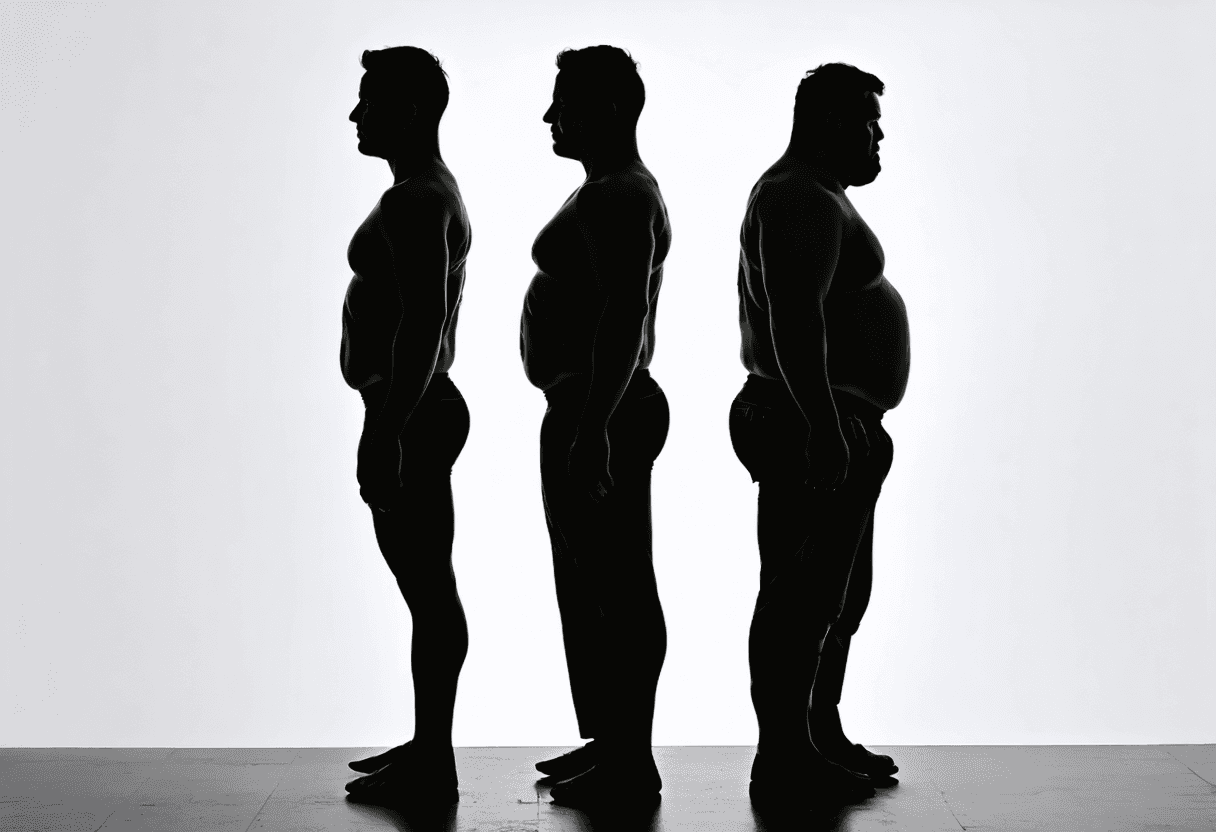
A silhouetted, full-body side profile of three different men. From left to right, their body fat percentages appear to increase, with the man on the far right being the largest and the man on the far left being the leanest.

InBody Blog

Aug 22, 2025

Body Fat Percentage Chart: A Guide to Your Health Metrics

Body fat percentage represents the proportion of fat tissue relative to your total body weight. It  provides insights that BMI alone cannot, as it reflects fat mass relative to total body weight.Understanding your body fat percentage helps establish realistic fitness goals, track progress accurately, and assess potential health risks. This comprehensive guide explores body fat percentage charts for different age groups and genders, interpretation methods, and measurement techniques to help you better understand this important health indicator.

Body Fat Percentage Chart for Men by Age

Men naturally maintain lower body fat percentages than women due to physiological differences, including hormonal composition and muscle mass distribution. The following chart presents body fat percentage ranges for men across different age groups:

Body Fat Percentage Chart for Men

Age Group

Essential Fat

Athletic/Fit

Acceptable

Obese

20–29

2–5%

6–13%

14–24%

≥25%

30–39

2–5%

6–14%

15–25%

≥26%

40–49

3–6%

7–15%

16–26%

≥27%

50–59

3–7%

8–16%

17–27%

≥28%

60+

4–8%

9–17%

18–28%

≥29%

Note the gradual increase in acceptable body fat percentages with age. This reflects natural physiological changes, including decreased muscle mass and altered metabolic rates that typically occur as men age. Research indicates that men may experience an increase in body fat percentage as they age, with the rate of change varying based on factors such as fat-free mass reduction and individual health conditions.

Body Fat Percentage Chart for Women by Age

Women require higher essential fat percentages than men to support reproductive functions and hormonal balance. The female body naturally maintains additional fat deposits, particularly in the hips, thighs, and breast tissue. Here's a comprehensive breakdown of body fat percentage ranges for women:

Body Fat Percentage Chart for Women

Age Group

Essential Fat

Athletic/Fit

Acceptable

Obese

20–29

10–13%

14–20%

21–31%

≥32%

30–39

10–14%

15–21%

22–32%

≥33%

40–49

11–15%

16–22%

23–33%

≥34%

50–59

12–16%

17–23%

24–34%

≥35%

60+

13–17%

18–24%

25–35%

≥36%

Women experience similar age-related changes in body composition as men, with hormonal shifts during menopause often accelerating fat accumulation. Studies suggest that after menopause, lower estrogen levels are linked to a shift toward abdominal and visceral fat, which is associated with increased cardiometabolic risk.

Understanding Body Fat Categories

  • Essential Fat: This represents the minimum amount of fat necessary for basic physiological health. For men, essential fat ranges from 2-5% of total body weight, while women require 10-13% for normal hormonal function, reproductive health, and vitamin absorption. Maintaining body fat below these thresholds can lead to serious health complications.

  • Athletic/Fit: Individuals in this category typically engage in regular, intense physical activity. Male athletes commonly maintain 6-13% body fat, while female athletes range from 14-20%. This level provides optimal performance balance while maintaining essential physiological functions.

  • Acceptable: This range represents healthy body fat levels for the general population. Men between 14-24% and women between 21-31% (varying by age) fall within normal parameters for good health. This range balances metabolic function with disease risk factors.

  • Obese: Body fat percentages above 25% for men and 32% for women (in the 20-29 age group) are classified as obese. These levels correlate with increased risk for cardiovascular disease, type 2 diabetes, and other metabolic disorders. According to the CDC, obesity is associated with major causes of death in the U.S., including heart disease, stroke, and type 2 diabetes, with more than 2 in 5 adults affected. 

Important Disclaimer: These charts provide general guidelines based on population averages. Individual health assessments should consider multiple factors beyond body fat percentage, including muscle mass, bone density, genetic factors, and overall fitness level. Consult healthcare professionals for personalized evaluation.

How to Interpret Your Body Fat Percentage

Understanding your body fat percentage requires context beyond simply comparing numbers to a chart. Here's how to meaningfully interpret these values:

  • Health Implications: Body fat distribution significantly impacts health outcomes. A higher visceral-to-subcutaneous fat ratio is strongly linked with increased cardiometabolic disease risk. Even within the "acceptable" range, fat distribution matters.

  • Performance Considerations: Body fat percentage norms vary by sport; endurance athletes often maintain lower levels than those in sports where buoyancy or mass can be advantageous. 

  • Setting Realistic Goals: When working toward improved body composition, aim for gradual, sustainable goals and reassess every 4–6 weeks. More aggressive approaches often lead to muscle loss and metabolic adaptation that hinders long-term success. Combine resistance training with cardiovascular exercise and proper nutrition for optimal body composition changes.

  • Age Considerations: The charts demonstrate that acceptable body fat percentages increase with age. This reflects natural physiological changes and shouldn't necessarily be viewed negatively. Focus on maintaining functional fitness and metabolic health rather than pursuing youthful body fat percentages that may be unsustainable or unhealthy at advanced ages.

How to Measure Body Fat Percentage

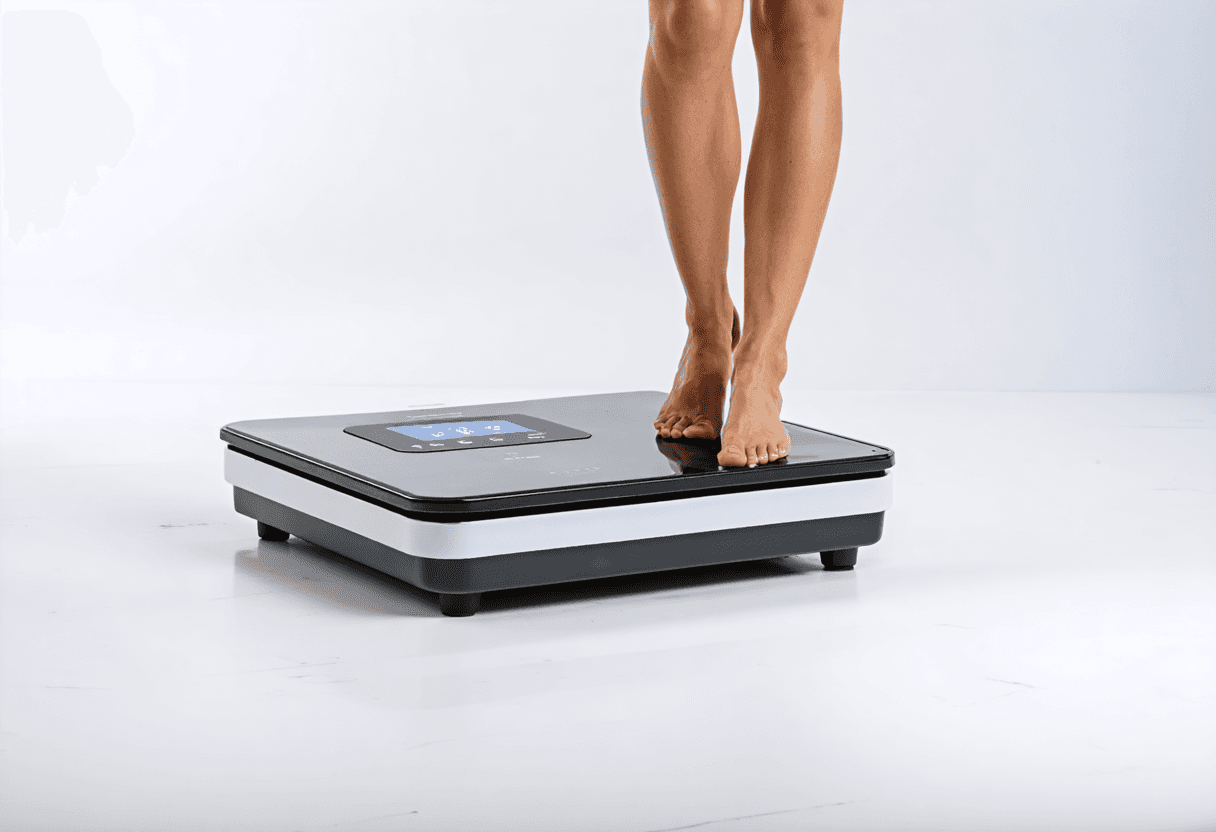
A low-angle shot of a person's bare feet and legs as they stand on a sleek, black and white electronic scale. The scale has a digital screen that is lit up.

Several methods exist for measuring body fat percentage, each with varying degrees of accuracy, accessibility, and cost:

  • Bioelectrical Impedance Analysis (BIA): Sends a low-level electrical current through the body to measure impedance. Quick and non-invasive, though accuracy can be affected by hydration levels, recent exercise, and meal timing.

  • Skinfold Calipers: Measures subcutaneous fat at specific body sites. Relatively inexpensive but requires proper technique and can vary significantly between testers.

  • Dual-Energy X-ray Absorptiometry (DEXA): Uses low-dose X-rays to differentiate between fat, muscle, and bone. Dexa is widely used as a reference method in research and clinical practice for estimating body composition, including fat, lean mass, and bone density. 

  • Hydrostatic Weighing: Based on Archimedes' principle of displacement. Highly accurate but requires specialized equipment and complete submersion in water.

  • Air Displacement Plethysmography (Bod Pod): Measures air displacement to determine body density and calculate fat percentage. Accurate and non-invasive but requires specialized equipment.

  • 3D Body Scanning: Emerging technology that creates detailed body composition models. Combines convenience with improving accuracy.

InBody  analyzers use Direct Segmental Multi-frequency Bioelectrical Impedance Analysis (DSM-BIA) to measure impedance across body segments, providing detailed fat, lean, and water distribution data. This technology measures impedance across five body segments at multiple frequencies, providing detailed composition data without relying on statistical assumptions. InBody devices are used in medical facilities, research institutions, and fitness centers worldwide for precise body composition assessment.

Final Thoughts

Body fat percentage provides valuable insight into your overall health and fitness status beyond what weight or BMI can reveal. The charts presented offer reference points for different age groups and genders, but individual health assessment should always consider multiple factors.

Regular monitoring of body fat percentage can help track progress toward fitness goals and identify potential health risks before they develop into serious conditions. However, remember that body fat percentage is just one component of a comprehensive health profile that should include cardiovascular fitness, strength, flexibility, mental wellbeing, and other biomarkers.

For the most accurate assessment, consider professional testing using advanced technologies like those offered by InBody, and work with healthcare providers to interpret results within your personal health context. By understanding your body composition, you can make more informed decisions about nutrition, exercise, and overall health management.

A Woman in Pink Workout Leggings and a Black Sports Bra Doing Squats at Home in Her Living Room

Fitness

Jul 22, 2025

How to Use Functional Fitness to Shift Focus From Aesthetics to ‘Stealth Muscle’

While many chase six-pack abs or sculpted arms, real strength comes from building muscles that help you thrive in your everyday life. We call this stealth muscle: the kind that works behind the scenes, improving your daily movement, strength, and longevity.

The way you build stealth muscle? Functional fitness. This type of training focuses on optimizing your body for real-world activities — lifting, bending, squatting, and reaching — so you can move better, feel stronger, and reduce your risk of injury.

What Is Functional Fitness?

Functional fitness is all about preparing your body to handle everyday tasks and movements. Rather than focusing on isolated exercises for aesthetic goals (think: endless biceps curls), functional fitness involves exercises that mimic real-world activities—like lifting groceries (deadlifts), bending to tie your shoes (lunges), or carrying a suitcase (farmer’s carry). 

The 4 Pillars of Functional Fitness

Functional training focuses on four key aspects of fitness, each of which plays a crucial role in creating a well-rounded and effective workout routine.

  • Mobility: Mobility refers to the ability to move your joints through their full range of motion without experiencing discomfort.

  • Stability: Stability is about maintaining control and balance during movement, particularly in your core and joints.

  • Movement involves the coordinated actions of the body’s muscles and joints to perform tasks, such as walking, reaching, or lifting.

  • Strength: Functional strength is the ability of a muscle or group of muscles to generate force for tasks that include lifting, pushing, or pulling.

How Does Functional Fitness Differ from Other Forms of Exercise?

While other forms of exercise can also improve fitness, they may not always prioritize functional movement patterns. Here’s how functional fitness compares to popular workout styles.

CrossFit

Functional fitness and CrossFit both involve compound movements, such as squats, deadlifts, and presses that mimic real-life actions, and both aim to improve strength, endurance, and overall fitness. However, CrossFit often focuses on high-intensity, time-based workouts with a competitive edge, pushing individuals to perform at maximum effort for a set duration. 

HIIT

HIIT (high-intensity interval training) and functional fitness both utilize full-body movements and aim to enhance cardiovascular health, strength, and endurance. The key difference is that HIIT is centered around high-intensity bursts of activity with short rest periods, focusing on maximizing calorie burn and improving fitness in a time-efficient way. 

Pilates

Pilates and functional fitness both prioritize core strength, flexibility, and body control to improve posture and movement quality. However, Pilates tends to focus more on low-impact, controlled movements that emphasize balance and alignment. 

Bodybuilding

Bodybuilding and functional fitness both rely on resistance-training exercises like squats, presses, and deadlifts. However, bodybuilding focuses on isolating specific muscle groups to build muscle mass for aesthetic purposes.

Muscular man performing push ups with dumbbells in the gym

What Are the Benefits of Functional Fitness?

By focusing on exercises that mimic real-life movements, functional fitness training provides a wide range of benefits. These include:

1. Improved Mobility and Flexibility

Functional fitness workouts promote joint mobility and flexibility, which are essential for maintaining ease of movement throughout daily life. Whether it’s bending down to tie your shoes or reaching for something on a high shelf, having good mobility helps you move freely and comfortably without stiffness or pain. This can be especially important as we age, helping to maintain independence and reduce the risk of falls.

2. Better Balance and Coordination

By integrating multi-joint movements that involve both the upper and lower body, functional fitness improves balance and agility. Exercises like lunges, squats, and rotational movements train your body to move as a unit, enhancing your ability to stay stable and coordinated during daily tasks, from walking to carrying groceries or playing sports.

3. Enhanced Strength for Everyday Activities

As previously mentioned, functional fitness focuses on building strength in movements that we perform daily, such as lifting, squatting, and reaching. This makes them easier to perform without added risk of strain or fatigue.

4. Reduced Risk of Injury

By improving overall movement patterns and enhancing stability, functional fitness helps reduce the risk of injury. It strengthens the muscles and joints that are responsible for supporting proper posture and alignment, which in turn lowers the likelihood of injury in both active and sedentary environments. It also emphasizes injury prevention through balanced muscle development and proper technique.

5. Improved Posture and Core Strength

A strong core is the foundation of functional fitness, and strengthening the core helps improve posture and reduce back pain. Core exercises in functional fitness train the muscles to support the spine and maintain proper alignment, leading to better posture, less discomfort, and improved athletic performance.

6. Better Mental Health

Fitness doesn't just benefit the body—it also has positive effects on mental health. Regular exercise releases endorphins, which can help reduce stress, anxiety, and depression. Plus, the sense of accomplishment and improved confidence that comes with mastering functional movements can boost mental well-being.

7. Sustainable Fitness

One of the standout benefits of functional fitness is that it’s sustainable. It’s not about extreme lifting or pushing your body to the limit—it's about gradual progress and consistency. Because the focus is on movements that support everyday tasks, functional fitness is something you can continue practicing long-term, without burning out or risking injury.

Two Women Running Together Outside With Trees and Buildings in the Background

Is Functional Training Right For You?

Functional training is incredibly versatile and can be adapted to suit people of all ages, fitness levels, and goals. But how do you know if it’s the right fit for you? You might want to consider giving it a try if any of the following apply to you:

  • If you’ve ever struggled with tasks like carrying groceries, lifting heavy boxes, or bending down without discomfort

  • You’re new to exercise or getting back into it after a break

  • You’re recovering from an injury or looking to prevent one

  • You're looking for something that will keep you active for the long haul — without the risk of burnout or injury

  • If you get bored easily or enjoy a varied workout

  • If you’re looking for results beyond aesthetics

What Are the Best Functional Fitness Exercises?

The best functional exercises to incorporate into your routine are those that focus on key movement patterns that mimic real-life actions. These include:

Push

Push exercises help build upper-body strength, specifically in the chest, shoulders, and triceps, and improve pushing movements like opening doors, pushing carts, or pushing yourself up from the floor.

  • Push-Ups: Start in a plank position with your hands slightly wider than shoulder-width apart. Lower your body to the floor, keeping your elbows at a 45-degree angle. Push yourself back up to the starting position, focusing on engaging your core and keeping your body in a straight line.

Pull

Pull exercises strengthen the upper body, particularly the back, biceps, and shoulders. These exercises improve posture, enhance pulling movements like opening a heavy drawer, and assist with lifting and carrying tasks.

  • Dumbbell Rows: With a dumbbell in each hand, bend at the hips while keeping your back flat. Pull the dumbbells toward your torso while squeezing your shoulder blades together, then lower back down.

Squat

Squats build strength in your legs, hips, and glutes, which are essential for tasks like standing up from a chair, climbing stairs, or lifting objects off the floor.

  • Squat: Stand with your feet shoulder-width apart. (Optional: Hold a dumbbell or kettlebell at chest height with both hands.) Push your hips back and bend your knees, lowering your body as if you're sitting in a chair. Keep your chest up and knees behind your toes. Stand back up.

Lunge

Lunges target the legs, glutes, and core, and help improve balance and stability. They mimic movements like walking, climbing stairs, and picking things up off the ground while maintaining balance.

  • Forward Lunge: Step one foot forward and lower your hips until both knees are at 90-degree angles. Keep your chest up and core engaged. Push through the heel of your front foot to return to standing. Alternate legs with each repetition.

Hinge

The hip hinge is crucial for building strength in the posterior chain—especially the glutes, hamstrings, and lower back. It’s essential for activities like picking up heavy objects, bending over to tie shoes, or lifting items off the floor.

  • Romanian Deadlifts: With a barbell or dumbbells in hand, stand tall with your feet hip-width apart. Hinge at the hips, pushing your glutes back as you lower the weight towards the ground, keeping your knees slightly bent. Engage your glutes and hamstrings to return to standing.

Rotation

Rotational exercises improve the flexibility and strength of your core, helping with movements like twisting to reach for something, rotating your torso during sports, or carrying heavy objects while turning.

  • Russian Twists: Sit on the ground with your knees bent and feet flat. Lean back slightly and hold a weight or medicine ball with both hands. Rotate your torso to one side, then to the other, while keeping your core engaged and feet lifted (optional).

Personal Training Session with Prowler Sled in Gym

How Do You Put Together a Functional Fitness Routine?

Creating a functional fitness routine is about designing workouts that help you improve strength, mobility, and coordination for everyday movements.

1. Start With Your Goals

Before you start planning your routine, think about your fitness goals. Are you an older adult who wants to build balance and stability? Or a runner that needs a routine to help with injury prevention? Your goals will guide the structure of your training program, helping you prioritize certain exercises or movements.

2. Focus on the 5 Key Movement Patterns

To create a balanced functional fitness routine, aim to include exercises that target these five key movement patterns (see above for a detailed explanation):

  • Push

  • Pull

  • Squat

  • Hinge

  • Rotation

3. Include Mobility and Stability Work

In addition to strength training, mobility and stability are crucial components of a functional fitness routine. You can include mobility work in your warm-up (like dynamic stretches or foam rolling) and stability work in your cool-down or as part of specific exercises (like planks or single-leg stands).

4. Add Variety

Include exercises that train in multiple planes of motion (e.g., forward, backward, side to side) and incorporate different movement types, such as low-impact bodyweight exercises or more dynamic exercises like jumping or sprinting.

5. Structure Your Routine

Here’s a simple framework for structuring your functional fitness routine:

  • Warm-Up (5 to 10 minutes): Focus on dynamic stretches or mobility drills (e.g., leg swings, hip rotations, or shoulder circles).

  • Main Workout (20 to 40 minutes): Include a combination of strength, stability, and mobility exercises. For example:

    • Start with a full-body compound exercise (e.g., squats or deadlifts).

    • Add in a pushing or pulling exercise (e.g., push-ups or rows).

    • Finish with a rotational movement and core exercise (e.g., Russian twists or planks).

  • Cool-Down (5 to 10 minutes): Focus on stretching or foam rolling to help with recovery and improve flexibility.

6. Be Consistent

The key to any successful fitness routine is consistency. Try to aim for at least two to four sessions a week, depending on your goals and fitness level. Consistency, combined with progressive overload (gradually increasing intensity or weight), will lead to noticeable improvements in strength, mobility, and overall functional ability.

7. Listen to Your Body

Finally, always listen to your body. Functional fitness should be challenging but not painful. If you feel discomfort during a movement, it may indicate that you're using improper form or pushing yourself too hard. Make adjustments, take rest days when needed, and ensure you're progressing at a pace that feels right for you.

Two young women are enjoying healthy salads for a meal.

Nutrition

Jun 24, 2025

Food as Medicine: The Benefits of Eating Healthy

The idea that food is more than just fuel for the body isn’t new. In fact, the concept of “food as medicine” has been around for centuries, dating back to ancient cultures where herbs and foods were used to treat and prevent illness. 

From Hippocrates, who famously said, “Let food be thy medicine, and medicine be thy food,” to modern-day researchers reinforcing the impact of diet on health, this philosophy continues to resonate today. As more people turn to food for its healing potential, it’s clear that a healthy diet can play a significant role in preventing and managing a variety of health conditions.

The Role of Diet in Preventing Disease

Preventive medicine is all about taking steps to reduce the risk of diseases before they happen and diet is one of the most effective tools we have for prevention. Many chronic diseases, such as heart disease, diabetes, and obesity, are heavily influenced by what we eat. 

In fact, research shows that about 80% of heart disease, stroke, and type 2 diabetes cases are preventable through lifestyle changes, including dietary adjustments. An October 2024 study in The Lancet of nearly 400 Brazilian adults and elderly people found that adhering to the EAT-Lancet diet (a plant-focused diet emphasizing whole grains, fruits, vegetables, nuts, and legumes) lowers the risk of developing chronic diseases like heart disease and diabetes

When you consistently choose nutrient-dense foods, you’re giving your body the tools it needs to function optimally, reducing inflammation, maintaining a healthy weight, and improving immune function — all of which contribute to disease prevention.

Key Nutrients for Disease Prevention

Certain nutrients in food have been shown to have powerful protective effects against various diseases. Here’s a look at some of the key nutrients that can help prevent chronic illnesses:

A colorful fruit and vegetable salad is artfully presented on a white table.

Antioxidants

Antioxidants like vitamins C and E, as well as flavonoids, are crucial for reducing oxidative stress, which is linked to the development of diseases such as cancer and cardiovascular diseases. They protect cells from damage caused by free radicals, which are unstable molecules that can contribute to increased risk of health issues during the aging process. Foods rich in antioxidants include berries, citrus fruits, leafy greens, nuts, and dark chocolate.

Omega-3 Fatty Acids

Omega-3 fatty acids, found in foods such as fatty fish (salmon and mackerel), flaxseeds, and walnuts, are well known for their heart health benefits. These healthy fats reduce inflammation, lower blood pressure, and reduce the risk of heart disease. An August 2019 review in the journal Circulation found that omega-3s play a role in lowering triglyceride levels and improving cholesterol profiles.

Fiber

Fiber is essential for digestive health, helping regulate bowel movements and prevent constipation. But its benefits don’t stop there: It also plays a role in controlling blood sugar levels and maintaining a healthy weight. High-fiber foods like whole grains, legumes, fruits, and vegetables can help lower the risk of type 2 diabetes by improving insulin sensitivity and reducing blood sugar spikes, according to a January 2018 review in The Journal of Nutrition.

Probiotics

Probiotics are beneficial bacteria that support a healthy gut microbiome, which is essential for proper digestion and immune function. Foods like yogurt, kefir, kimchi, and sauerkraut are rich in probiotics and have been linked to improved gut health and reduced inflammation. Research in Biomedicine and Pharmacotherapy suggests that a healthy gut microbiome is also associated with a reduced risk of obesity.

Vitamin D

Vitamin D is important for bone health and immune function. It helps the body absorb calcium, which is crucial for maintaining strong bones and helping prevent osteoporosis. Additionally, vitamin D has been shown to support immune health by reducing inflammation and helping to fight infections. Sun exposure, fatty fish, fortified foods, and supplements are common sources of vitamin D.

Food's Role in Managing Specific Health Conditions

Food is not only preventive but also plays a crucial role in managing various health conditions. Here’s how diet can influence specific diseases:

A man pours cooking oil into a hot frying pan.

Heart Health

A heart-healthy diet is key to reducing the risk of heart disease. The Mediterranean diet, rich in fruits, vegetables, whole grains, and healthy fats like olive oil, has been shown to reduce the risk of cardiovascular disease, according to research in The New England Journal of Medicine that looked at nearly 7,500 Spanish participants, ranging from 55 to 80 years old.

Diabetes

For people with type 2 diabetes, food is an essential part of managing the condition. A diet high in fiber, healthy fats, and lean proteins can help stabilize blood sugar levels and improve insulin sensitivity. The American Diabetes Association recommends eating foods with a low glycemic index (GI), such as whole grains, legumes, and non-starchy vegetables, to prevent blood sugar spikes.

Gut Health

Your gut health is a reflection of your overall health. A balanced diet that includes fiber, probiotics, and prebiotics (found in foods like garlic, onions, and bananas) can support a healthy gut microbiome, which in turn helps with digestion, immunity, and even mental health. Research in Infectious Medicine has shown that gut dysfunction can increase the risk of chronic conditions like Crohn’s disease, ulcerative colitis, and certain types of cancer like colon, gastric, and prostate.

Inflammation

Chronic inflammation is a key factor in many diseases, including arthritis, heart disease, and cancer. Eating anti-inflammatory foods like leafy greens, nuts, seeds, and fatty fish can help reduce chronic inflammation. A diet high in processed foods and refined sugars, on the other hand, can exacerbate inflammation. An anti-inflammatory diet can help reduce markers of inflammation and improve overall health.

How to Adopt a "Food as Medicine" Approach

Adopting a "food as medicine" approach isn’t about drastic changes or extreme diets — it’s about making better choices every day to support your health. Here are some simple tips to help you get started!

Prioritize Nutrient-Dense Foods

Focus on whole, unprocessed foods such as fruits, vegetables, whole grains, lean proteins, and healthy fats. These foods provide essential nutrients without the added sugars, unhealthy fats, and excess sodium found in many processed foods.

Three trays of chopped whole food salads are neatly displayed on a marble tabletop.

Meal Planning

Plan your meals for the week to ensure you’re getting a balanced, nutrient-dense diet. Incorporating a variety of foods and colors on your plate ensures you’re getting a wide range of vitamins, minerals, and antioxidants.

Mindful Eating

Pay attention to how your body feels when eating. Slow down, savor your meals, and listen to your hunger cues. This can help you avoid overeating and better understand how different foods affect your body.

Supplements

While food should be your primary source of nutrients, supplements can be helpful in filling gaps in your diet, particularly for nutrients like vitamin D or omega-3s. However, it’s always best to get nutrients from whole foods when possible, as they offer a variety of health benefits beyond just the vitamins and minerals they contain.

Be Mindful, Be Consistent, Be Healthier

Incorporating the “food as medicine” approach into your wellness routine is one of the most transformative ways to take control of your health. By opting for nutrient-rich, whole foods and understanding how specific nutrients support your body’s systems, you can not only help prevent chronic illnesses but also manage existing conditions more effectively. Remember, this approach isn’t about perfection — it’s about consistency and making intentional, informed choices that fuel your body. Whether you’re aiming to improve heart health, support digestion, or reduce inflammation, food can be a foundational tool in your wellness journey. Start small, stay mindful, and let every bite move you closer to better health!

A fit woman is flexing her ab muscles as she performs a curl with a dumbbell.

Fitness

Jun 3, 2025

What Body Fat Percentage Do You Need to See Abs?

Visible abdominal muscles represent a fitness milestone many aspire to achieve. While countless workout programs promise to deliver a defined midsection, the truth remains that the best way to get visible abs depends primarily on body fat percentage rather than the number of crunches performed. 

This article breaks down the body fat levels needed to see abs, what affects ab visibility, and proven strategies to help you reach your goals.

A young woman grabs her abdominal fat.

Understanding Body Fat Percentage

Body fat percentage represents the proportion of fat tissue relative to your total body weight. This measurement provides more meaningful information about body composition than weight alone or Body Mass Index (BMI). Fat in the human body serves several essential functions:

  • Essential fat (3-5% in men, 8-12% in women) is necessary for basic physiological processes, including hormone production, vitamin absorption, and temperature regulation.

  • Visceral fat surrounds internal organs and, in excess, poses significant health risks including cardiovascular disease and metabolic disorders.

  • Subcutaneous fat lies directly beneath the skin and is the primary determinant of muscle visibility.

The distribution and quantity of subcutaneous fat across the abdominal region directly impacts whether your rectus abdominis muscle (the "six-pack" muscle) will be visible. This muscle group remains present regardless of body fat percentage but only becomes apparent when the layer of fat covering it becomes sufficiently thin.

At What Body Fat Percentage Do Abs Show?

Abdominal visibility exists on a spectrum rather than appearing suddenly at a specific percentage. The progression typically follows this pattern:

  1. Initial outline: The upper abs begin to show faintly

  2. Partial definition: Upper and some middle ab definition becomes visible

  3. Complete definition: The full "six-pack" structure becomes apparent

  4. Maximum definition: Deep cuts between all abdominal segments with visible obliques

For Men

Men generally begin to see initial abdominal definition at approximately 14-15% body fat, primarily in the upper abs. This is because men typically store less fat in the upper abdominal region compared to the lower abdomen.

  • 15-17% body fat: Slight definition, mainly in upper abs

  • 12-14% body fat: Moderate definition with visible outlines of most abdominal muscles

  • 10-12% body fat: Clear six-pack definition becomes apparent

  • Below 10% body fat: Maximum definition with deep cuts between muscle segments and visible obliques

For Women

Women naturally maintain higher essential body fat percentages due to physiological differences related to reproductive health.

  • 22-24% body fat: Slight upper abdominal definition may begin to appear

  • 19-21% body fat: Moderate definition with visible outlines of upper abdominal muscles

  • 16-18% body fat: Clear abdominal definition becomes apparent

  • Below 16% body fat: Maximum definition with visible muscle separation

Important health note: Women who maintain body fat percentages below 15-16% for extended periods may experience hormonal disruptions, including menstrual irregularities and decreased bone density. Sustainable fitness should prioritize health over aesthetics.

Comparison Table: Body Fat Percentages and Ab Visibility

This table illustrates what different body fat percentages look like in terms of abdominal visibility:

Body Fat %

Men

Women

25%+

No visible abs

No visible abs

20-24%

No visible abs

Possible slight upper ab definition

15-19%

Beginning ab outline

Moderate ab definition

10-14%

Clear six-pack definition

Maximum definition (health caution)

Below 10%

Maximum definition

Not recommended (health risks)

A fit young man flexes his ab muscles.

Factors That Influence Ab Visibility

Several factors beyond simple body fat percentage affect abdominal muscle visibility:

Genetic Factors

  • Fat distribution patterns: Genetically determined patterns dictate where your body preferentially stores fat. Some individuals naturally store less fat in the abdominal region.

  • Muscle insertion points: The natural structure of your rectus abdominis, including where the muscle segments connect, varies between individuals.

  • Muscle thickness: The natural thickness of your abdominal wall influences how prominently abs will display at a given body fat percentage.

Physiological Factors

  • Muscle development: Larger, more developed abdominal muscles become visible at slightly higher body fat percentages.

  • Skin thickness: Thinner skin allows for greater muscle definition visibility.

  • Vascularity: More prominent blood vessels near the skin surface enhance definition.

Variable Factors

  • Hydration status: Water retention can temporarily obscure abdominal definition.

  • Digestive status: Bloating from food intake or digestive issues can temporarily mask definition.

  • Lighting conditions: Directional lighting significantly enhances the visibility of muscle definition.

  • Posture: Proper posture that engages the core muscles improves the appearance of abdominal definition.

Age-Related Considerations

  • Hormonal changes: Decreasing testosterone and growth hormone levels with age can make achieving low body fat more challenging.

  • Skin elasticity: Reduced collagen production with age affects how tightly skin conforms to underlying muscle.

A thin woman is having her abdominal fat measured with skinfold calipers.

How to Measure Body Fat Accurately

Tracking body fat percentage provides objective feedback on your progress toward visible abdominal muscles. Several measurement methods exist, each with varying degrees of accuracy:

Bioelectrical Impedance Analysis (BIA)

Professional-grade BIA devices like the InBody 580 or 770 use multiple frequencies to measure electrical impedance through different body segments. These devices:

  • Provide comprehensive body composition analysis beyond simple body fat percentage

  • Measure segmental lean mass to track abdominal muscle development

  • Offer consistent, reproducible results when used under standardized conditions

  • Require no technician interpretation, eliminating human error

DEXA (Dual-Energy X-ray Absorptiometry)

Considered the gold standard for body composition analysis, DEXA:

  • Uses low-dose X-rays to differentiate between bone, fat, and lean tissue

  • Provides regional body composition data

  • Offers exceptional accuracy (±1-2% error margin)

  • Requires specialized equipment and trained technicians

Skinfold Calipers

This traditional method:

  • Measures subcutaneous fat at specific body sites

  • Requires a skilled technician for accurate results

  • Shows reasonable accuracy when performed correctly

  • May be less reliable for individuals with very low or very high body fat

Navy Method

This calculation-based approach:

  • Uses measurements of neck, waist, and height (plus hip for women)

  • Requires only a tape measure

  • Provides reasonable estimates for most individuals

  • May be less accurate for athletic body types

Two young women are performing ab workouts on a basketball court.

Strategies to Lower Body Fat and Reveal Your Abs

Achieving the body fat percentage necessary for visible abs requires a comprehensive approach:

Create a Sustainable Caloric Deficit

Caloric deficit is the primary driver of fat loss:

  • Calculate your Total Daily Energy Expenditure (TDEE)

  • Create a moderate deficit of 300-500 calories per day

  • Track food intake accurately using digital food scales and nutrition apps

  • Adjust intake based on measured results rather than theoretical calculations

Optimize Protein Intake

Higher protein intake supports both fat loss and muscle preservation:

  • Consume 1.6-2.2g of protein per kilogram of body weight daily

  • Distribute protein intake throughout the day (20-40g per meal)

  • Include complete protein sources with all essential amino acids

  • Consider protein timing around workouts for optimal muscle protein synthesis

A meta-analysis published in the American Journal of Clinical Nutrition found that higher protein diets (25-30% of calories) produced greater fat loss and better preservation of lean mass compared to lower protein approaches.

Incorporate Resistance Training

Strength training preserves muscle mass during fat loss and develops the abdominal muscles:

  • Perform compound exercises that engage the core (squats, deadlifts, overhead presses)

  • Include direct abdominal training 2-3 times weekly

  • Focus on progressive overload to stimulate muscle development

  • Balance training between all abdominal regions (rectus abdominis, obliques, transverse abdominis)

Research in the Journal of Strength and Conditioning Research demonstrated that resistance training during caloric restriction preserved twice as much lean mass compared to diet alone.

Add Strategic Cardiovascular Exercise

Cardio can accelerate fat loss when appropriately implemented:

  • Incorporate 2-3 weekly sessions of High-Intensity Interval Training (HIIT)

  • Add 1-2 weekly sessions of moderate-intensity steady-state cardio (30-45 minutes)

  • Adjust cardio volume based on recovery capacity and progress

  • Consider fasted morning cardio for potential additional fat mobilization

A study in the British Journal of Sports Medicine found that HIIT produced 28.5% greater fat loss than moderate-intensity continuous training.

Manage Sleep and Stress

Often overlooked factors that significantly impact body composition:

  • Prioritize 7-9 hours of quality sleep nightly

  • Implement stress management techniques (meditation, nature exposure, social connection)

  • Monitor recovery markers (resting heart rate, perceived exertion)

  • Consider periodizing training intensity to prevent overtraining

Monitor Progress Systematically

Regular assessment provides feedback for program adjustments:

  • Track body composition changes with InBody assessments every 2-4 weeks

  • Take standardized progress photos under consistent lighting

  • Record performance metrics in key exercises

  • Adjust nutrition and training variables based on measured results

A young woman in athletic clothing takes a break from working out to drink from her water bottle.

Visible Abs Require More Than Just Crunches

Visible abdominal muscles require achieving specific body fat percentage thresholds — typically 10-12% for men and 16-19% for women — though individual variation exists due to genetics, muscle development, and fat distribution patterns.

The journey to visible abs extends beyond endless crunches; it requires systematic fat loss through proper nutrition, strategic exercise, adequate recovery, and consistent monitoring. By focusing on these evidence-based approaches and tracking progress with accurate measurement tools like InBody devices, you can develop a realistic timeline and sustainable approach to achieving your aesthetic goals.

Remember that the lowest body fat percentages may not be sustainable or healthy for everyone. Finding the balance between aesthetic goals and overall well being should remain the priority in any fitness journey.

Frequently Asked Questions

Can I get abs at 15% body fat?

For men, 15% body fat typically reveals the beginning outlines of abdominal muscles, particularly in the upper region. Complete "six-pack" definition usually requires lower body fat percentages (10-12%). For women, 15% body fat would display well-defined abdominal muscles, though this percentage falls below the recommended minimum for long-term female health.

Can you see abs at 20% body fat?

For most men, abdominal muscles are not clearly visible at 20% body fat, though individuals with exceptionally developed abdominal muscles or favorable fat distribution might show slight upper abdominal definition. For women, 20% body fat may reveal some abdominal definition, particularly in the upper region, as this percentage falls within the athletic range for females.

What does 25% body fat look like?

At 25% body fat, men typically display a softer appearance with no visible abdominal definition. This percentage represents an average body composition for adult males. For women, 25% body fat is considered within the fitness range, presenting a relatively lean appearance but without distinct abdominal muscle separation. Body shape at this percentage varies significantly based on muscle mass, fat distribution patterns, and individual genetics.

An elder couple sit on a rock overlooking a scenic beach.

Wellness

May 13, 2025

Healthspan vs. Lifespan: How to Really Get the Most Out of a Longer Life

There’s more to living a long, happy life than just the number of candles on your birthday cake — we also want to take into consideration the quality of those years. While the average national lifespan is increasing thanks to modern advances in technology and improved public health, it’s also important to consider how healthy and well we feel as we age and get into our golden years.

In this article, we’ll discuss the differences between healthspan vs. lifespan, plus explore some practical tips and tricks to help you not only live longer but also live better.

What Is Lifespan?

An older couple walk hand in hand across a city street.

“Lifespan” refers to the number of years a person lives. Lifespan has increased in the past few decades, thanks in part to improvements in healthcare like advancing medical practices, treatments for infections and illnesses, and surgical innovations. In fact, the United Nations estimated that the average global life expectancy in 2019 was 72.6 years, a huge increase from just 45.7 years in 1950. 

Interestingly, though, the United States has actually seen decreases in life expectancy over the past few years, with some researchers attributing this to declining rates of reduction in cardiovascular mortality

What Is Healthspan? 

“Healthspan,” meanwhile, refers to the number of years that a person lives in relatively good health — in other words, the years that they live free from serious illness or chronic diseases. It’s important to consider healthspan along with lifespan because it can be an important indicator of how long people can live independently, move freely, and just enjoy life without having to deal with the burden of long-term medical issues.

Why healthspan matters 

Even though lifespan has increased significantly, healthspan has not increased in the same way. Some researchers have estimated a 9-year gap between the average lifespan and average healthspan, and that people will spend an estimated 1/5th of their life dealing with a serious health issue. In other words, increasing your lifespan and living for a longer number of years does not, unfortunately, necessarily mean that those extra years will be healthy. 

So if you’re looking to improve your longevity, it’s more involved than just extending the number of years you live; it’s also about improving the quality of those years. For example, an 80-year-old who can walk, cook, and live independently has a better health span than an 80-year-old with limited mobility and who is struggling with chronic conditions like diabetes and arthritis.

Boosting Your Healthspan

Two seniors relax in chairs overlooking a picturesque lake.

Fortunately, there are plenty of evidence-based strategies that you can use to improve both your healthspan and your lifespan. 

Eat healthily 

Filling your diet with healthy, nutritious whole foods is a great first step for both maximizing your lifespan and improving your quality of life. A 2023 study suggested that following healthy longevity-associated diet patterns like eating more whole grains, nuts, and fruits, and minimizing consumption of sugar and processed meat was associated with an increased life expectancy of 10.8 -10.4 years.

Not only does a good diet support your metabolic health and manage your weight, but it can also reduce inflammation, all of which are important for long-term wellness and for protecting your body against chronic conditions that can occur later in life and impact your wellness. 

Exercise regularly 

Staying active can play a huge role in improving your lifespan. Benefits range from improved muscle strength, improved metabolism, fighting inflammation, and improving cardiovascular health — all of which can help support your body against common chronic health conditions associated with aging, like cardiovascular disease, diabetes, and sarcopenia. In addition, staying strong and building muscle can help improve your mobility and independence, both of which are important for your quality of life as you age. 

Handgrip: A Surprising Indicator of Longevity

A close up of a woman's hand gripping a free weight.

So how can you tell if you’re on the right track for healthy longevity? Besides regular doctor’s visits and health checks, handgrip strength (in other words, how hard you can squeeze something) is proving to be a surprisingly accurate predictor of longevity, strength, and overall health. 

  • One study found that weaker grip strength was correlated with an increased risk of death from cardiovascular causes, as well as an increased incidence of stroke. 

  • In adolescents, weaker grip strength was associated with insulin resistance and metabolic syndrome.

  • Grip strength is used as part of an algorithm that helps diagnose sarcopenia, or muscle wasting, which can be a serious indicator of life quality especially in older adults. 

  • Finally, a study found that poor grip strength was linked to higher mortality rates

 Because of this, testing your grip strength is a relatively simple, inexpensive, and accurate method for assessing your overall health. Handheld dynamometers like the InGrip can help you comfortably and accurately assess your grip strength and stay on top of your overall health as you age.

Quality Is Equally as Important as Quantity

While living a long life is the goal for many of us, it’s only half the battle. The real victory lies in making sure that you can spend those extra years feeling healthy, mobile, and fulfilled. Through smart nutrition, regular exercise, and paying attention to important health markers like grip strength, you can give yourself the best chance at a long and good life for years to come.

A young man is doing pull ups on a pull up bar in a gym.

Health

Apr 22, 2025

Get a Grip! Improve Your Grip Strength and Level Up Your Longevity

A strong grip isn’t just beneficial for lifting weights — it’s key to living stronger (and maybe even longer). Grip strength is the ability to hold, squeeze, or pinch objects with your hands and is an essential aspect of overall physical function. It plays a role in nearly every daily task — from carrying groceries to maintaining balance and stability. Below, we'll explore why grip strength matters and how you can improve it, including specific exercises you can do at the gym and at home.

Why Grip Strength Matters

Grip strength is more than just the ability to hold objects; it can be an indicator of your overall health. First, let’s go over the types of grip strength, the muscles involved, and the impacts on daily life

Types of Grip Strength

  • Crush Grip: closing the hand around an object (think: squeezing a stress ball)

  • Support Grip: holding an object for an extended period, like moving heavy boxes

  • Pinch Grip: holding an object like a key or coin between the thumb and fingers​

Muscles Involved in Gripping

  • Forearm Flexors: Located on the inner side of the forearm, these muscles help bend the wrist and fingers, which is essential for crush and pinch grips.​

  • Forearm Extensors: Found on the outer side of the forearm, these muscles enable the straightening of the wrist and fingers, helping open the hand during support grips.​

  • Thenar Muscles: Located at the base of the thumb, these muscles are key for movements like pinching and gripping with precision.

Benefits of a Strong Grip

  • Marker of Longevity: Grip strength has been increasingly associated with longevity, especially among older adults. A study in Clinical Interventions in Aging found that grip strength correlates with various health factors, including bone mineral density, cognitive function, and quality of life. Similarly, research in Scientific Reports found that grip strength is inversely related to all-cause mortality. 

  • Enhanced Activities of Daily Living: A strong grip helps with lots of daily tasks, such as carrying groceries, opening jars, lifting heavy bags, holding onto a bike handlebar, or even typing comfortably on a keyboard.

  • Supports Weightlifting: A powerful grip makes strength-training exercises like deadlifts and pull-ups easier by giving you better control over the weights. Plus, working on your grip strength helps prevent injuries by ensuring your hands, wrists, and forearms are all working together and staying balanced.

Two black-and-blue handgrips.

Work on Forearm Strength, Too

The forearms play a crucial role in grip strength, so don’t forget to train them directly. Exercises like wrist curls, reverse curls, and farmer’s walks will help build the forearm muscles responsible for holding and gripping. Strong forearms give your grip a solid foundation, making it easier to handle heavier weights and maintain control.

A woman in gray shorts grips a dumbbell.

Grip Strength Exercises

1. Farmer’s Walk

  1. Grab a pair of heavy dumbbells or kettlebells, hold them in each hand, and stand tall with your chest up and shoulders back. 

  2. Walk a set distance or for a specific time while maintaining a firm grip on the weights. Focus on walking steadily and keeping your posture upright.

2. Dead Hang

  1. Grab a pull-up bar with both hands (palms facing away from you) and let your body hang down. 

  2. Keep your arms slightly bent, your shoulders engaged, and hold on as long as you can.

3. Wrist Curl

  1. Sit on a bench and hold a barbell or dumbbells with your palms facing up. 

  2. Rest your forearms on your thighs with your wrists hanging off the edge. 

  3. Slowly curl your wrists upward and then lower the weight back down. 

  4. Repeat for several sets. 

 Tip: For reverse wrist curls, switch your palms to face down to target the opposite muscles in your forearms.

4. Squeezing a Tennis Ball or Grip Trainer

  1. Grab a tennis ball or a hand grip trainer and squeeze it as hard as you can for a set amount of time. 

  2. Rest for a few seconds and repeat. 

 Tip: You can do this exercise multiple times a day to improve both your grip strength and endurance. It’s also a great exercise for improving finger strength and coordination.

5. Plate Pinch

  1. Take a weight plate (start with lighter ones) in each hand and pinch them together using just your thumb and fingers. 

  2. Hold them for as long as you can, keeping your body upright.


How to Measure Grip Strength

The easiest and most accurate way to measure grip strength is with a handheld dynamometer. Our InGrip Handheld Dynamometer is a compact, easy-to-use device that measures your grip strength with precision. It uses a load cell sensor to resist wear and provide reliable readings time after time, and its adjustable roller accommodates different hand sizes to ensure a comfortable fit. Whether you’re a fitness professional, physical therapist, or just someone looking to track your progress, the InGrip provides a precise, accurate, and easy way to measure your grip strength.

Frequently Asked Questions

At what age does grip strength peak?

Grip strength typically peaks in the late 20s to early 30s and gradually declines with age. However, maintaining grip strength through regular exercise can help slow down this decline.

What causes poor grip strength?

Poor grip strength can be caused by factors like muscle weakness, nerve damage, joint issues (e.g., arthritis), or lack of exercise. Aging and health conditions, like diabetes, can also contribute to diminished grip strength.

How long does it take for grip strength to improve?

The time it takes to see improvements in grip strength varies depending on factors like consistency and intensity of training, but noticeable gains can typically be seen within four to six weeks of regular practice.

Health

Feb 2, 2026

What Is Metabolic Age and How Does It Affect Your Health?

Your metabolic age is an important indicator of how well your body is functioning compared to your actual age. While your chronological age marks the passage of time, your metabolic age reflects how efficiently your metabolism is functioning.

It’s influenced by factors like your diet, exercise, and overall health. In this article, we’ll explain what metabolic age is, how it’s calculated, and share simple tips to help you improve it for better health.

What is Metabolic Age?

Infographic of male metabolic health data displaying 1800 BMR and 35-year-old metabolic age with a needle gauge indicating average health status.

Metabolic age is a comparison between your basal metabolic rate (BMR) and the average BMR of people in your chronological age group. In simpler terms, it tells you whether your metabolism is performing like that of someone younger, older, or right around your actual age.

Your basal metabolic rate represents the number of calories your body needs to perform basic life-sustaining functions while at rest (e.g., breathing, circulating blood, producing cells, and maintaining body temperature). It's essentially your body's baseline energy expenditure, accounting for roughly 60-75% of your total daily calorie burn.

When health professionals or body composition scales calculate your metabolic age, they're measuring your BMR and comparing it against population data. If your BMR is higher than average for your age group, you'll have a lower metabolic age. If it's lower than average, your metabolic age will be higher than your chronological age.

Here's a practical example: 

Let's say you're 45 years old, but your BMR matches the average BMR of a typical 35-year-old. Your metabolic age would be 35. Conversely, if your BMR matches that of a 55-year-old, your metabolic age would reflect that higher number.

The concept emerged from research into body composition and metabolic health, particularly as scientists recognized that chronological age alone doesn't tell the full story of someone's health status. Two people born on the same day can have vastly different metabolic profiles based on their lifestyle choices, genetics, and overall health.

It's worth noting that metabolic age isn't a standardized medical diagnostic tool in the way blood pressure or cholesterol levels are. Different devices and calculations may produce slightly different results because there's no universal formula or database. But, the underlying principle remains consistent: comparing your metabolism to population averages gives you a snapshot of your metabolic health relative to your peers.

What Metabolic Age Really Means for Your Health?

Your metabolic age can be a helpful reference point for understanding metabolic health trends, but it should be interpreted alongside other health markers.

  • Research suggests metabolic health is associated with longevity and lower risk of chronic conditions.

  • When your metabolic age is lower than your chronological age, it generally suggests several positive health markers. You likely have more lean muscle mass and less body fat, particularly visceral fat. Higher muscle mass increases your BMR because muscle tissue is metabolically active, meaning it burns calories even when you're sitting on the couch.

  • A younger metabolic age also typically indicates better insulin sensitivity, which means your body efficiently processes glucose and maintains stable blood sugar levels. This is often associated with better blood sugar control and cardiometabolic markers. Studies have shown that people with better metabolic health tend to have lower inflammation markers, healthier cholesterol profiles, and better blood pressure readings.

  • On the flip side, if your metabolic age is higher than your chronological age, it may reflect patterns such as higher body fat, lower muscle mass, or both. Research has linked a higher metabolic age to greater cardiometabolic risk, including higher risk of cardiovascular disease and future cardiovascular events. This is not a diagnosis, but it can be a useful signal to review lifestyle factors like activity, nutrition, sleep, and stress.

Metabolic Age vs. Chronological Age: What's the Difference?

Chronological age is the number of years since you were born. Metabolic age, by contrast, is dynamic and changeable.

You might be chronologically 50 but metabolically 40 if you've maintained excellent fitness, preserved muscle mass, and kept your body fat in check. Alternatively, a sedentary 30-year-old with poor dietary habits might have the metabolism of someone in their 40s or 50s.

The gap between these two ages reveals something critical: biological aging doesn't proceed at the same rate for everyone.  

One significant advantage of focusing on metabolic age rather than chronological age is that it shifts attention to factors you can control. You can't change when you were born, but you absolutely can influence your metabolic health through daily choices. This perspective empowers you to take ownership of your health trajectory.

Aspect

Chronological Age

Metabolic Age

Definition

The number of years since you were born.

A measure of how efficiently your body is functioning based on metabolism.

Changeability

Fixed and unchangeable.

Dynamic and can change based on lifestyle, fitness, and health choices.

Influencing Factors

Cannot be influenced.

Can be influenced by diet, exercise, muscle mass, and body fat.

How is Metabolic Age Calculated?

Infographic showing body composition analysis for a woman, including weight tracking, body fat percentage, and muscle mass measurements on a smart scale.

The calculation of metabolic age involves several steps and requires specific body composition data. While the exact algorithms vary between devices and calculation methods, the fundamental process follows a similar pattern.

Step 1: Determining Basal Metabolic Rate (BMR)

First, your basal metabolic rate (BMR) needs to be determined. BMR is the number of calories your body needs at rest to perform basic functions like breathing and maintaining body temperature.

There are several ways to measure or estimate BMR. The gold standard is indirect calorimetry, which measures oxygen consumption and carbon dioxide production to precisely calculate energy expenditure. However, this method requires specialized equipment and is typically only available in research or clinical settings.

Step 2: Using Bioelectrical Impedance Analysis (BIA)

More commonly, bioelectrical impedance analysis (BIA) devices estimate your body composition by sending a weak electrical current through your body. Since muscle and fat conduct electricity differently, the device can estimate your percentages of muscle mass, body fat, bone density, and water content. Many modern smart scales and body composition analyzers, such as InBody devices, use this technology to provide BIA-based estimates.

Step 3: Calculating BMR Using Mathematical Formulas

Once your body composition is known, mathematical formulas calculate your BMR. Several equations exist for this purpose, including the Harris-Benedict equation, the Mifflin-St Jeor equation, and the Katch-McArdle formula. These formulas consider variables like weight, height, age, sex, and lean body mass.

For example, the revised Harris-Benedict equation calculates BMR as:

  • For men:
    BMR = 88.362 + (13.397 × weight in kg) + (4.799 × height in cm) - (5.677 × age in years)

  • For women:
    BMR = 447.593 + (9.247 × weight in kg) + (3.098 × height in cm) - (4.330 × age in years)

The Katch-McArdle formula, which incorporates lean body mass, often provides more accurate results:

  • BMR = 370 + (21.6 × lean body mass in kg)

Step 4: Comparing BMR with Age Group Databases

Once your BMR is calculated, it’s compared against a database of average BMR values for different age groups. This database typically includes BMR data collected from thousands or millions of people across various ages. The comparison reveals where your metabolism falls on the spectrum.

If your BMR equals the average BMR for 35-year-olds, your metabolic age is 35, regardless of whether you’re actually 25, 35, or 45. The device or software essentially asks: “What age group does this person’s metabolism most closely resemble?”

It’s important to understand that different manufacturers may use different reference databases and proprietary algorithms.  

Also, some limitations exist with metabolic age calculations. They don't account for factors like hormonal variations, certain medical conditions, medications, or genetic variations that affect metabolism. Two people with identical body compositions might still have different actual metabolic rates due to thyroid function, mitochondrial efficiency, or other physiological differences that the calculation doesn't capture.

How to Improve Your Metabolic Age?

Fitness and wellness lifestyle graphic depicting strength training, healthy meal preparation, and the importance of sleep for recovery.

If your metabolic age is higher than you'd like, the good news is that you have significant power to improve it. The strategies that lower metabolic age are the same ones that improve overall health:

Build and Preserve Muscle Mass

Increasing your lean muscle mass is perhaps the most effective way to lower your metabolic age. Muscle tissue burns significantly more calories at rest than fat tissue does. Estimates of tissue-specific resting metabolic rates suggest skeletal muscle uses about 13 kcal per kg per day compared with about 4.5 kcal per kg per day for adipose tissue, which is roughly 6 versus 2 kcal per pound per day. Individual metabolic rate still depends on many factors, including total lean mass and organ activity.

Resistance training can play a major role in preserving muscle and supporting metabolic health. Aim for at least two to three strength training sessions per week, targeting all major muscle groups.  

As you age, you naturally lose muscle mass in a process called sarcopenia, which can start as early as your 30s and accelerate after 50. Counteracting this requires consistent effort, but the metabolic payoff is substantial. Progressive overload, gradually increasing the weight, reps, or difficulty of your exercises, ensures continued muscle growth.

Optimize Your Nutrition

What you eat profoundly affects your body composition and metabolic health. Prioritize protein intake, as protein supports muscle maintenance and growth. The Recommended Dietary Allowance for protein is 0.8 grams per kilogram of body weight, which is about 0.36 grams per pound. Some people may benefit from higher intakes depending on activity level and goals, but individual needs vary.

Avoid excessive calorie restriction, which can actually slow your metabolism. Severe dieting triggers adaptive thermogenesis, where your body becomes more efficient (burns fewer calories) to conserve energy. Instead, if weight loss is a goal, focus on moderate and sustainable changes in energy intake that you can maintain over time.

Focus on whole, minimally processed foods that provide nutrients without excess calories from added sugars and unhealthy fats. Adequate protein, healthy fats, and complex carbohydrates provide the building blocks your body needs for optimal metabolic function.

Don't skip meals or go extremely low-calorie for extended periods. Consistent, adequate nutrition supports metabolic health better than dramatic restriction followed by overeating.

Incorporate Cardiovascular Exercise

While cardio doesn't build muscle like resistance training does, it supports overall metabolic health, improves insulin sensitivity, and helps with fat loss. High-intensity interval training (HIIT) appears particularly effective for metabolic benefits, alternating short bursts of intense effort with recovery periods.

Aim for at least 150 minutes of moderate-intensity aerobic activity or 75 minutes of vigorous activity per week, as recommended by the CDC. This supports cardiovascular health, helps maintain a healthy weight, and improves your body's ability to process nutrients efficiently.

Prioritize Quality Sleep

Sleep deprivation wreaks havoc on metabolism. Poor sleep disrupts hormones like leptin and ghrelin that regulate hunger, increases cortisol (which promotes fat storage), and reduces insulin sensitivity. Chronic sleep debt is associated with weight gain, increased body fat, and muscle loss.

Aim for 7-9 hours of quality sleep per night. Establish consistent sleep and wake times, create a dark and cool sleeping environment, and limit screen time before bed. Think of sleep as a non-negotiable pillar of metabolic health, not a luxury.

Manage Stress Effectively

Chronic stress elevates cortisol, which promotes abdominal fat accumulation and can break down muscle tissue. High cortisol also impairs insulin sensitivity and can increase appetite and cravings for high-calorie foods.

Incorporate stress management techniques that work for you, meditation, yoga, deep breathing exercises, time in nature, or engaging hobbies. The specific method matters less than finding sustainable practices that genuinely reduce your stress levels.

Stay Hydrated and Limit Alcohol

Proper hydration supports all metabolic processes. Even mild dehydration can reduce metabolic rate slightly. Water also helps with appetite regulation and supports exercise performance.

Alcohol, meanwhile, can interfere with muscle protein synthesis, adds empty calories, and can disrupt sleep and recovery. Moderation or elimination of alcohol often leads to improvements in body composition and metabolic markers.

Be Patient and Consistent

Improving metabolic age doesn't happen overnight. Significant changes in body composition typically take weeks to months of consistent effort. Focus on building sustainable habits rather than seeking quick fixes. Small, consistent improvements compound over time into dramatic transformations.

Track your progress not just through metabolic age measurements but also through how you feel, your energy levels, exercise performance, and how your clothes fit. These subjective markers often improve before the numbers change significantly.

Key Takeaways

  • Metabolic age compares your basal metabolic rate (BMR) to the average BMR of people in your chronological age group, showing whether your metabolism functions like someone younger or older.

  • Understanding what metabolic age means can help you interpret trends related to body composition and metabolic health.

  • Building and preserving muscle mass through resistance training is the most effective way to lower your metabolic age, as muscle burns significantly more calories at rest than fat.

  • Your metabolic age is dynamic and responsive to lifestyle changes like nutrition, exercise, sleep quality, and stress management, unlike your fixed chronological age.

  • A metabolic age higher than your actual age serves as a warning sign for potential health issues, while a lower metabolic age typically indicates favorable body composition and better metabolic health.

  • Consistency in healthy habits matters more than quick fixes when improving metabolic age, as significant changes in body composition and metabolic function take weeks to months of sustained effort.

Frequently Asked Questions

What does metabolic age mean?

Metabolic age compares your basal metabolic rate (BMR) to the average BMR of people in your chronological age group. It indicates whether your metabolism functions like someone younger, older, or the same as your actual age based on body composition and energy expenditure.

How can I lower my metabolic age?

You can lower your metabolic age by building muscle through resistance training, eating adequate protein, incorporating cardio exercise, getting 7-9 hours of quality sleep, managing stress effectively, and maintaining a healthy body composition with less body fat and more lean muscle mass.

What is the difference between metabolic age and chronological age?

Chronological age is simply the number of years since you were born, which advances steadily and cannot be changed. Metabolic age is a functional measure of how efficiently your body burns energy, which can be improved or worsened based on lifestyle choices and health habits.

Is metabolic age an accurate indicator of health?

Metabolic age provides useful insight into metabolic health and body composition, but it's not a standardized medical diagnostic tool. Different devices may give varying results, and it should be considered alongside other health markers like blood pressure, cholesterol, and blood sugar levels.

Can you reverse your metabolic age?

Yes, metabolic age is changeable and responsive to lifestyle interventions. By increasing lean muscle mass, improving nutrition, exercising regularly, and adopting healthy sleep and stress management habits, you can effectively lower your metabolic age over time with consistent effort.

What causes a high metabolic age?

A high metabolic age typically results from excess body fat, insufficient muscle mass, sedentary lifestyle, poor nutrition, inadequate sleep, and chronic stress. These factors reduce your basal metabolic rate, making your metabolism function like someone older than your actual age.


Woman leading yoga class in studio with students on pink mats

Health

Oct 14, 2025

Body Composition and Breast Cancer: Why Your Muscle-to-Fat Ratio Matters

When it comes to assessing your health, the number on the scale—or even your BMI—only tells part of the story. Body composition (the amount of body fat vs. muscle you have) offers a far more accurate picture of your overall health and disease risk. 

Research shows that excess fat, particularly in the abdomen, can increase the likelihood of breast cancer. A meta-analysis in Frontiers in Nutrition of nearly 8 million women found that central obesity—measured by waist circumference or waist-to-hip ratio—was associated with a higher risk of breast cancer in both pre- and postmenopausal women.

Below, we’ll explore the latest research linking body composition to breast cancer risk and practical strategies for optimizing your body composition to support long-term health and cancer prevention.

The Link Between Body Fat and Breast Cancer

Excess body fat is a known risk factor for breast cancer, especially for postmenopausal women. In fact, a meta-analysis in the British Journal of Cancer found that every 5% increase in body fat was linked to about a 15% higher risk of postmenopausal breast cancer. Researchers have identified three main contributing factors.

Inflammation

Fat tissue, particularly around the midsection (referred to as visceral fat), produces chemicals called cytokines that can cause low-level, chronic inflammation. This persistent inflammation can damage healthy cells, creating an environment that promotes the growth and survival of cancer cells, according to a review in the International Journal of Molecular Sciences.

Insulin Resistance

Being overweight or obese can also lead to insulin resistance. When the body becomes resistant to insulin, it compensates by producing more. High insulin levels can stimulate the growth of breast cancer cells and inhibit their natural death, promoting tumor development, according to research in the Journal of Clinical Oncology.

Hormonal Imbalance

Fat tissue can produce estrogen, a hormone that, when elevated, is linked to an increased risk of hormone-receptor-positive breast cancers, according to an article in Scientific Reports. This is particularly true for postmenopausal people, where fat tissue becomes the primary source of estrogen.

Muscle Mass and Breast Cancer Risk

While much attention is given to excess body fat, maintaining healthy muscle mass is equally important in reducing breast cancer risk and improving outcomes for those diagnosed. A study in Discover Oncology found that women with non-metastatic breast cancer and low muscle mass, a condition known as sarcopenia, had a significantly lower survival rate compared to those with normal muscle mass.

Additionally, low muscle mass is linked to higher levels of inflammation, which, in individuals with cancer, can speed up muscle loss and negatively impact health outcomes. On the other hand, having more muscle can help counteract inflammation caused by factors like excess body fat. 

Incorporating regular strength training exercises, such as weightlifting or resistance band workouts, can help build and maintain muscle mass. These exercises not only build physical strength but also support metabolic health and improve overall quality of life.

How Body Composition Can Guide Prevention

A Person Standing on a Weighing Scale

Monitoring your body composition is a powerful tool for assessing breast cancer risk and guiding prevention strategies. Unlike weight or BMI, which can be misleading, body composition provides a clear picture of where fat is stored and how much muscle you have, both of which influence your risk.

By establishing a baseline through a body composition scan, which you can do with an InBody body composition scale, you can track changes over time and see how lifestyle choices—like diet, exercise, and strength training—are affecting your fat and muscle levels. Regular assessments allow you to detect unhealthy trends early, adjust your exercise routine, or refine your nutrition plan to maintain a healthier balance of fat and muscle.

You can also track your waist circumference, which is measured at the navel after exhaling. For many women, a goal is less than 35 inches (88 cm).

Tracking these metrics is particularly valuable for postmenopausal people, who are at higher risk for fat-related breast cancer. Maintaining or increasing lean mass (muscle) while reducing fat mass can help lower inflammation, balance hormones, and reduce overall cancer risk.

Strategies for Healthy Body Composition

A Woman About to Carry a Barbell

By combining smart nutrition, consistent exercise, and healthy lifestyle habits, you can optimize your body composition, support your immune system, and take meaningful steps toward reducing your breast cancer risk.

In an analysis of about 180,000 women followed for many years, those who lost weight and kept it off had a lower subsequent risk of breast cancer than women whose weight stayed stable, with larger losses generally linked to larger risk reductions, according to the Journal of the National Cancer Institute.

Eat an Anti-Inflammatory Diet

Focus on eating nutrient-rich, anti-inflammatory foods such as fruits, vegetables, whole grains, and healthy fats like olive oil, nuts, and fatty fish. These foods help reduce chronic inflammation, support hormonal balance, and provide essential nutrients for overall health. 

At the same time, limit alcohol, sugary drinks, and highly processed foods, which can contribute to fat accumulation and inflammation, both linked to higher breast cancer risk.

Strength Train Regularly

A combination of resistance training and aerobic exercise is key to optimizing body composition. Resistance training builds and preserves muscle mass, which can help regulate hormones and counteract inflammation. Aerobic exercise, such as running, brisk walking, or cycling, helps reduce excess fat and improve cardiovascular health.

Aim to do at least two full-body strength-training workouts a week, as well as at least 150 minutes of moderate-intensity or 75 minutes of vigorous-intensity aerobic activity per week, according to the Physical Activity Guidelines for Americans.

Get Adequate Sleep and Manage Stress

Adequate sleep and effective stress management are often overlooked but crucial components of a healthy body composition. Poor sleep and chronic stress can disrupt hormone regulation, increase inflammation, and contribute to fat gain, all of which can raise cancer risk. 

Aim for seven to nine hours of quality sleep per night and incorporate stress-reduction practices like mindfulness, meditation, yoga, or light outdoor activity.

Determined Woman in Muddy Obstacle Race

InBody Blog

Sep 23, 2025

How to Prep for Your Next Fitness Challenge

Tackling a fitness challenge, whether it’s a marathon, a HYROX competition, or an obstacle course race, takes more than sheer determination; it requires smart preparation. From designing your training and nutrition plan to building mental resilience, the right prep can make the difference between struggling through the event and crushing it with confidence.

Here’s how to get ready for your next fitness challenge, step by step.

1. Choose the Right Fitness Challenge

The first step is choosing a challenge that aligns with your fitness level, goals, and interests. Popular options include:

  • Running-based challenges like 5Ks, 10Ks, and half or full marathons. These events test endurance, pacing, and mental stamina.

  • Functional fitness challenges such as HYROX competitions, CrossFit events, or obstacle course races. These tests combine strength, speed, endurance, and agility.

When selecting your challenge, consider your motivation: Why do you want to do this? Are you aiming to push your endurance, build functional strength, or simply have fun while testing your limits? Knowing your “why” will help you stay focused through the ups and downs of training.

2. Establish Your Baseline With Body Composition Analysis

Before you jump into intense workouts, it’s important to know where you’re starting. Tracking your body composition provides a clear picture of how your fat and muscle mass change as you train. 

One of the easiest ways to do this is by hopping on a body composition scale each week. In addition to weight, these scales measure body fat percentage and muscle mass, giving you a better snapshot of how your training is impacting your body.

3. Design Your Training Plan

A Weightlifter Holding a Barbell on His Shoulders

Designing an effective training plan is about combining running and functional fitness to prepare your body for the specific demands of your challenge. Whether you’re tackling a marathon or a HYROX-style functional fitness event, training should be balanced, structured, and tailored to your goals.

For running-focused challenges, incorporate a mix of workouts, including:

  • Interval Training: short bursts of high-intensity running followed by recovery periods to improve speed and cardiovascular capacity

  • Tempo Runs: sustained, moderate-intensity runs that teach your body to maintain a strong pace over distance

  • Long-Distance Endurance Runs: gradually increase mileage to build stamina and mental resilience

For HYROX and other fitness challenges, your training should mimic the movements you’ll face on event day. Include strength-training exercises like:

  • Pushes and Pulls: bench presses, push-ups, rows, and pull-ups

  • Squats and Lunges

  • Carries: farmer’s carries, sandbag carries, and weighted walks

  • Rowing and Sled Pushes

When building out your weekly schedule, balance high-intensity sessions with recovery days. Incorporate mobility work, stretching, and prehab exercises to reduce the risk of injury and improve overall movement quality.

4. Dial in Your Diet

Flat Lay Photography of Three Tray of Foods

Nutrition is just as important as your workouts. Your diet fuels training, aids recovery, and supports performance. 

Aim for a balanced intake of protein, carbohydrates, and healthy fats to support energy, recovery, and muscle repair. A common guideline for active adults is:

  • Protein: 1.1 to 1.7 grams per kilogram of body weight per day to repair and build muscle

  • Carbohydrates: 5 to 7 grams per kilogram of body weight per day to fuel endurance and replenish glycogen stores

  • Fats: approximately 30% of total daily calories for energy and inflammation reduction

Adjust these ratios based on your training intensity and challenge type—higher carb intake on long run days or heavy functional workouts, and slightly higher protein on strength-focused days.

And don’t forget to stay hydrated throughout training and during the event. A general guideline is to aim for half your body weight in ounces of water per day (e.g., a 150-pound person should drink about 75 ounces daily), and increase intake based on sweat loss, workout intensity, and environmental conditions.

For longer or high-intensity sessions, supplement plain water with electrolytes—sodium, potassium, and magnesium—to prevent cramping and maintain energy. Additionally, monitor your urine color: pale yellow indicates good hydration, while darker urine signals the need for more fluids.

5. Track Your Progress and Adjust Your Plan

Tracking your progress is essential for making your training as effective as possible. You can see what’s working, identify areas for improvement, and adjust your plan to keep making gains.

Wearable fitness trackers can monitor heart rate, steps, calories burned, and running metrics like pace and distance. These devices are especially useful for tracking endurance, monitoring intensity during functional workouts, and ensuring you’re hitting your training targets. Many also allow you to track sleep, which is crucial for recovery and performance.

It’s also helpful to keep a log of your workouts (either handwritten or in an app). Track exercises, sets, reps, weights, and training volume over time to make it easier to spot plateaus or imbalances, adjust intensity, and plan progressive overload.

6. Mental Preparation and Motivation

Preparing for a fitness challenge isn’t just physical; your mind plays a huge role in how well you perform. Mental preparation can help you stay focused, overcome fatigue, and push through difficult moments during training and on challenge day.

One of the most powerful tools for mental preparation is visualization. Spend a few minutes each day imagining yourself completing the challenge successfully. Picture each stage of the event, from the starting line to crossing the finish, and envision how your body moves efficiently through each task. This mental rehearsal can build confidence, reduce anxiety, and prime your body for peak performance.

7. Crush Your Fitness Challenge

Man Winning A Footrace

After weeks of training, the final week before your fitness challenge is all about fine-tuning your preparation, tapering your workouts, and dialing in your nutrition so you can perform at your best.

In the last five to seven days before your event, reduce your training volume while keeping intensity moderate. Shorter workouts, lighter weights, and decreased mileage help your muscles recover and ensure your energy stores are fully replenished. Focus on mobility, stretching, and gentle cardio to stay loose without overtaxing your body.

On challenge day, your mental state can make a huge difference. Use visualization techniques from training, focus on pacing yourself, and celebrate small milestones throughout the event. Music playlists can keep energy high, while cheering sections or training partners provide extra motivation when fatigue sets in. 

Remind yourself why you signed up and the hard work you’ve already put in—confidence and positivity can carry you through the toughest moments. You got this!

A close-up side-by-side comparison of human muscle tissue (on the left) and human fat tissue (on the right). The muscle tissue is shown in a reddish-pink color with visible fibers, while the fat tissue is depicted as a lumpy, yellowish substance with visible cell structures

InBody Blog

Sep 1, 2025

Muscle vs Fat Weight: What’s the Real Difference?

When you’re working toward health or fitness goals, it’s easy to get caught up in the number on the bathroom scale. But that number alone doesn’t tell the full story. It can’t show how much of your weight comes from muscle, fat, water, or bone, and each of those plays a very different role in how your body looks, feels, and functions.

One of the most common questions people ask is, “Does muscle weigh more than fat?” The answer reveals an important truth about density, not just weight. In this article, we’ll break down the real differences between muscle and fat, explain how they affect your weight and appearance, and show why focusing on body composition gives you a much better picture of your health than the scale ever could.

Does Muscle Weigh More Than Fat?

A side-by-side comparison of 5 pounds of muscle tissue (on the left) and 5 pounds of fat tissue (on the right). The muscle is a dense, reddish-brown cube, while the fat is a larger, lumpy, yellowish mass.

You’ve probably heard the phrase, “muscle weighs more than fat.” And while that’s a common belief, it’s not exactly true – a pound is a pound, whether it’s muscle or fat. What really sets them apart is density.

Muscle is denser than fat – about 18% more, to be exact. That means muscle takes up less space in your body for the same amount of weight. According to research published in American Journal of Clinical Nutrition, the density of lean tissue (like muscle) is about 1.1 g/cm³, while fat tissue is closer to 0.9 g/cm³¹.

Here’s an easy way to picture it:

  • 5 pounds of muscle might be the size of a small book

  • 5 pounds of fat could look more like a small football

This difference explains why two people can weigh the same and be the same height, but one looks lean and sculpted, while the other appears softer. That’s body composition at work.

So if you’ve started strength training and your weight hasn’t changed much (or even gone up), don’t panic. You might be burning fat and building muscle at the same time – and that’s a sign your fitness plan is working, even if the scale isn’t showing it.

Muscle vs Fat: Volume and Visual Differences

When it comes to how your body looks, muscle and fat don’t behave the same way, even if they weigh the same.  

Check this muscle vs fat weight comparison table

Characteristic

Muscle Tissue

Fat Tissue

Density

1.1 g/cm³

0.9 g/cm³

Volume (per 5 lbs)

Smaller (like a book)

Larger (like a football)

Appearance

Firm, defined

Soft, less defined

Metabolic activity

High (burns 7-10 calories/lb/day)

Low (burns 2-3 calories/lb/day)

Blood supply

Rich vascularization

Limited blood vessels

Response to training

Adaptable, grows with resistance

Reduces with caloric deficit

The visual impact of replacing fat with muscle is substantial. A person who loses 10 pounds of fat and gains 10 pounds of muscle will maintain the same scale weight but appear noticeably leaner and more toned due to the reduced volume of the muscle tissue compared to the fat it replaced.

How Muscle Affects Your Weight

When beginning a strength training program, many individuals experience an initial weight gain despite following a nutritious diet. This phenomenon often leads to frustration but represents a positive physiological adaptation.

Several factors contribute to weight changes during muscle development:

  1. Muscle protein synthesis: Strength training triggers muscle repair and growth, a process called muscle protein synthesis. Research in the Journal of Applied Physiology shows that even a single resistance training session can elevate muscle protein synthesis for up to 48 hours. 

  1. Glycogen storage: As muscles adapt to training, they store more glycogen (carbohydrates) and water. Each gram of glycogen binds approximately 3 grams of water, contributing to weight increases without fat gain.

  2. Increased bone density: Regular resistance training stimulates bone mineral density, adding to overall weight while improving skeletal health.

  3. Elevated resting metabolic rate: Muscle tissue is metabolically active, burning approximately 7-10 calories per pound daily at rest, compared to fat tissue’s 2-3 calories per pound. Just gaining 3 pounds of muscle can boost your resting metabolism by about 7%.

Consider this practical example: An individual loses 5 pounds of fat while gaining 5 pounds of muscle through a combined resistance training and nutrition program. Their scale weight remains unchanged, but their body composition has improved significantly. They appear more toned, their clothes fit differently, and their metabolic health markers have improved – all without a reduction in scale weight.

How to Know If It’s Muscle or Fat

When the number on the scale changes, how do you know whether you’ve gained muscle or added fat?

Unfortunately, most bathroom scales can’t tell you that. But there are several proven ways to track what your weight is actually made of, so you can measure true progress, not just pounds.

Body Composition Analysis:

  • Bioelectrical Impedance Analysis (BIA): Devices like the InBody 770 use multiple frequencies to measure impedance through body tissues, providing detailed body composition data. Research validates BIA as a reliable method for tracking body composition changes when used consistently.

  • Dual-Energy X-ray Absorptiometry (DEXA): Considered the gold standard for body composition assessment, DEXA scans provide precise measurements of fat mass, lean mass, and bone mineral density.

  • Skinfold Calipers: When used by trained professionals, skinfold measurements at multiple body sites can estimate body fat percentage with reasonable accuracy.

Physical Indicators:

You don’t always need a machine to notice the difference. Look for these signs of positive body composition changes:

  • Improved muscle definition and reduced circumference measurements

  • Changes in how clothing fits, particularly around the waist, hips, and thighs

  • Increased strength and endurance during physical activities

  • Enhanced recovery capacity between workouts

Functional Improvements:

Changes in body composition often go hand-in-hand with improvements in how you feel and move:

  • Increased energy levels throughout the day

  • Improved performance in daily activities and exercise

  • Better posture and movement quality

  • Enhanced sleep quality and recovery

When you track your progress with body composition tools (not just a scale) you’ll get a much clearer picture of your health and fitness. These insights help you adjust your diet and workouts based on real data, not guesswork.

Tips to Build Muscle and Lose Fat

If your goal is to gain muscle and lose fat at the same time (often called body recomposition), the right mix of training, nutrition, and recovery habits is key. Here’s how to make it happen — backed by science.

Exercise Recommendations:

  • Progressive Resistance Training: A systematic review found that progressive overload (gradually increasing weight, repetitions, or sets) is essential for continued muscle development.

  • Compound Movements: Exercises like squats, deadlifts, rows, and bench presses engage multiple muscle groups at once. These movements trigger greater hormonal responses and stimulate more growth.

  • Training Frequency: Hitting each muscle group more than once a week leads to better results. This training frequency maximizes muscle protein synthesis¹².

  • Cardiovascular Exercise: A combination of high-intensity interval training (HIIT) and moderate-intensity steady-state cardio optimizes fat loss while preserving muscle mass.

Nutritional Strategies:

  • Protein Intake: Research recommends consuming 1.6-2.2g of protein per kilogram of body weight daily to support muscle protein synthesis while in a fat loss phase. Lean meats, dairy, eggs, legumes, and protein shakes all count.

  • Energy Balance: To lose fat without losing muscle, eat 10–20% fewer calories than you burn. Extreme dieting can backfire by slowing your metabolism and breaking down muscle.

  • Nutrient Timing: Consuming protein within the pre- and post-exercise window may enhance muscle protein synthesis and recovery. But don’t overthink it: total daily intake matters most.

  • Hydration: Water is often overlooked, but it’s crucial. Dehydration can hurt performance, delay recovery, and impair muscle protein synthesis. Drink water throughout the day – not just at the gym.

Recovery Factors:

  • Sleep Quality: This study demonstrates that inadequate sleep (less than 7 hours) impairs muscle recovery and growth while promoting fat storage.

  • Stress Management: Chronic stress raises cortisol, a hormone that promotes fat gain and breaks down muscle. Practices like meditation, walking, or just unplugging can go a long way toward supporting your results.

Can You Weigh More and Be Healthier?

Absolutely – and science backs it up.

We often assume that a lower number on the scale equals better health. But that’s a misconception. What matters more than your total weight is what that weight is made of – and how your body functions.

A major study published in JAMA found that people with higher BMIs but strong cardiovascular fitness had lower mortality rates than those at a “normal” weight but poor fitness levels. In other words, being “fit but fat” can be healthier than being thin and unfit.

Another study showed that muscle mass matters, too. People with more muscle, even if they had higher body weight, had lower risk of heart disease than those with less muscle and lower weight.

Health markers that often improve with increased muscle mass, regardless of weight changes, include:

  • Insulin sensitivity and glucose regulation

  • Blood lipid profiles (cholesterol, triglycerides)

  • Blood pressure and vascular function

  • Inflammatory markers

  • Bone mineral density

  • Functional capacity and fall risk (especially in older adults)

These findings support a paradigm shift away from scale weight fixation toward a more comprehensive view of health that prioritizes body composition, metabolic function, and physical performance.

Key Takeaways

  • Muscle and fat weigh the same pound for pound, but muscle is approximately 18% more dense than fat

  • Scale weight alone is an inadequate measure of health and fitness progress

  • Body composition (the ratio of fat to lean mass) is more important than total weight

  • Visual appearance, functional capacity, and health biomarkers provide better progress indicators than weight

  • Building muscle while losing fat can result in minimal scale weight changes despite significant body composition improvements

  • Professional body composition analysis provides objective data to guide fitness and nutrition decisions

A woman is eating a healthy noodle salad with chopsticks.

InBody Blog

Aug 28, 2025

Eat to Heal: The Power of an Anti-Inflammatory Diet

Instead of always having to reach for pharmaceutical medication, imagine helping your body heal with the foods you eat. An anti-inflammatory diet can help reduce chronic pain, improve your heart health, and support a healthier, more vibrant life.

By focusing on nutrient-rich, whole foods, this type of diet targets inflammation, which contributes to the development of many chronic diseases, as well as general aches, pains, and dysfunction.

What Is an Anti-Inflammatory Diet?

An anti-inflammatory diet emphasizes foods that reduce chronic inflammation in the body, which is linked to numerous health issues like heart disease, arthritis, and diabetes. Avoiding processed foods, sugars, and trans fats is also crucial, as these can trigger inflammatory responses in the body.

What Is Inflammation?

Inflammation is the body’s natural response to injury or infection, but when it becomes chronic, it can contribute to various health conditions. While acute inflammation is protective, chronic inflammation can lead to joint pain, tissue damage, and disease.

What Are the Benefits of an Anti-Inflammatory Diet?

Consuming nutrient-dense, whole foods while minimizing ultra-processed foods has a wide range of health benefits, mainly stemming from the reduction in disease-promoting inflammation throughout the body.

Helps Reduce Chronic Pain

Foods rich in omega-3 fatty acids, like fatty fish and flaxseeds, have been shown to reduce inflammation and alleviate pain, particularly for conditions like rheumatoid arthritis and fibromyalgia. In a study in Clinical Nutrition, eating more oily fish was linked to less pain and slower pain progression over five years. Higher intake of omega-3 fatty acids from fish, like EPA and DHA, also helped reduce pain over time.

Improves Heart Health

An anti-inflammatory diet supports heart health by reducing risk factors such as high blood pressure, high cholesterol, and arterial inflammation. For example, the Mediterranean diet, which emphasizes fruits and vegetables, whole grains, and healthy fats, has been linked to a significantly lower risk of heart disease compared to the Standard American Diet, according to a study in the New England Journal of Medicine.

Supports Brain Health

Chronic inflammation is linked to cognitive decline and neurodegenerative diseases like Alzheimer’s. But an anti-inflammatory diet rich in antioxidants and omega-3 fatty acids helps protect brain cells from damage and inflammation. In fact, research in Frontiers in Aging Neuroscience has shown that foods like berries and leafy greens help reduce the risk of cognitive impairment and dementia as we age.

Boosts Immune Function

By reducing chronic inflammation, an anti-inflammatory diet helps your body respond more effectively to infections and illnesses. Foods rich in vitamin C (like citrus fruits) and zinc (found in nuts and seeds) are particularly beneficial for strengthening the immune system and enhancing vaccine effectiveness, according to a review in Frontiers in Nutrition.

Reduces the Risk of Certain Cancers

Certain foods that are part of an anti-inflammatory diet, such as cruciferous vegetables (broccoli, kale) and tomatoes, have been shown to reduce the risk of cancer. In fact, a study in Nutrition Journal suggests that adopting a diet rich in fruits, vegetables, flaxseeds, and certain nutrients can significantly lower the risk of various cancers, including breast, colorectal, and prostate cancers.

The Best Anti-Inflammatory Foods to Eat

Vibrant and healthy grain bowls alongside raw vegetables are curated on a white table.

Making smart food choices helps reduce chronic inflammation and improve your overall health. Here are some of the top foods to include in your anti-inflammatory eating plan:

Fruits and Vegetables

  • Leafy Greens: Spinach, kale, and Swiss chard are rich in vitamins, minerals, and anti-inflammatory compounds, such as flavonoids.

  • Berries: Blueberries, strawberries, and raspberries are high in antioxidants, particularly anthocyanins.

  • Tomatoes: Rich in lycopene, a powerful antioxidant, tomatoes help reduce inflammation and support heart health.

  • Cruciferous Vegetables: Broccoli, cauliflower, Brussels sprouts, and cabbage contain sulforaphane, which may help protect against certain cancers.

Healthy Fats

  • Fatty Fish: Salmon, mackerel, and sardines are loaded with omega-3s, which help lower inflammation and improve heart health.

  • Flaxseeds: Flaxseeds are excellent plant-based sources of omega-3 fatty acids.

Whole Grains

  • Brown Rice: A whole grain that offers fiber and essential nutrients, brown rice helps regulate blood sugar levels and supports digestive health.

  • Quinoa: A nutrient-dense, gluten-free grain, quinoa is high in protein, fiber, and magnesium.

  • Oats: Oats are rich in soluble fiber, which helps lower cholesterol and reduce inflammation, and antioxidants.

Nuts and Seeds

  • Almonds and Walnuts: Both nuts are high in anti-inflammatory compounds like vitamin E and polyphenols. Walnuts are also rich in omega-3 fatty acids.

  • Chia Seeds: These tiny seeds are packed with omega-3s and fiber, helping to reduce inflammation and promote digestive health.

Herbs and Spices

  • Turmeric: The active compound in turmeric, curcumin, has potent anti-inflammatory and antioxidant properties.

  • Ginger: Ginger can help reduce pain and stiffness, particularly in conditions like osteoarthritis.

  • Cinnamon: Cinnamon has been shown to help reduce inflammation and lower blood sugar levels.

Anti-Inflammatory Beverages

  • Green Tea: Green tea contains polyphenols and may help protect against chronic diseases like heart disease and cancer.

What to Avoid on an Anti-Inflammatory Diet

A close up of a young woman eating fish and chips.

Certain foods, especially those that are heavily processed or high in unhealthy fats and sugars, can increase inflammation in the body. Here’s what to avoid:

Ultra Processed Foods

Ultra-processed foods, such as packaged snacks, fast food, and ready-to-eat meals, often contain refined ingredients, preservatives, and artificial additives. They’re typically low in essential nutrients and high in unhealthy fats, sugar, and salt. Consuming them regularly can trigger inflammatory responses, disrupt gut health, and contribute to obesity, diabetes, and heart disease.

Sugary Foods and Drinks

Sugar increases insulin resistance and the production of pro-inflammatory chemicals in the body. And thus regularly consuming sugary foods and drinks, like sodas, candy, pastries, and processed snacks, can contribute to chronic inflammation and raise your risk of developing type 2 diabetes, heart disease, and metabolic syndrome.

Trans Fats and Hydrogenated Oils

Trans fats and hydrogenated oils are commonly found in margarine, packaged snacks, and fried foods. These fats are often used in processed foods to enhance shelf life and flavor, but they disrupt cellular function and contribute to cardiovascular disease and insulin resistance.

Red Meat and Processed Meats

While lean cuts of meat can be part of a balanced diet, red meat and processed meats (like bacon, sausage, and hot dogs) can contribute to inflammation when consumed in excess. Studies have shown that regular consumption of red and processed meats is linked to an increased risk of heart disease, cancer, and other chronic health issues.

How to Start an Anti-Inflammatory Diet

A mother and daughter prepare avocado toast for breakfast.

Starting to eat healthy can seem like a big shift, but it doesn’t have to be overwhelming. The key is to take it step by step, gradually incorporating anti-inflammatory foods into your routine while reducing those that contribute to inflammation. 

Step 1: Clean Up Your Pantry

Take a look at your pantry and get rid of processed snacks, sugary foods, unhealthy oils, and any items that are high in refined carbohydrates or trans fats. Replace these with whole grains, legumes, nuts, seeds, and healthy oils like olive oil.

Step 2: Plan Your Meals

Plan out your meals for the week, ensuring you include plenty of fruits, vegetables, whole grains, and healthy fats in each meal. Having a meal plan not only helps with grocery shopping but also makes it easier to prepare meals in advance.

Step 3: Start Small and Build Gradually

Don’t feel like you have to completely overhaul your diet overnight. Start by making small, manageable changes. For example, try swapping one processed snack a day for a handful of nuts or fruit. Or, replace sugary drinks with green tea or water infused with lemon. 

Step 4: Cook at Home

Cooking at home allows you to choose the ingredients and avoid processed foods that are high in sugar, salt, and unhealthy fats. Focus on preparing meals from scratch using fresh, whole ingredients. 

Step 5: Prepare for Eating Out or On-the-Go

Look up restaurant menus ahead of time to find dishes that align with your diet—grilled fish, salads with olive oil dressing, or vegetable-based soups are great options. And when you’re on the go, pack snacks like fresh fruit, nuts, or yogurt to avoid reaching for processed snacks.

Step 6: Stay Consistent

To see the long-term benefits of an anti-inflammatory diet, it’s important to make these changes a regular part of your lifestyle. Keep track of how you feel as you incorporate more anti-inflammatory foods and less inflammatory ones, noting any improvements in energy, pain levels, or mood. 

Frequently Asked Questions

Can you eat eggs on an anti-inflammatory diet?

Yes, you can eat eggs on an anti-inflammatory diet, but it’s important to consider the quality of the eggs you’re consuming. Eggs from pasture-raised chickens tend to have more omega-3  fatty acids and less pro-inflammatory omega-6 fatty acids. And moderation is key.

Is the carnivore diet anti-inflammatory?

The carnivore diet, which primarily involves eating animal products, is not typically considered an anti-inflammatory diet. While some people may experience short-term benefits, the lack of fruits and vegetables could contribute to long-term nutrient deficiencies. The high intake of red meat and saturated fats could also increase inflammation in some individuals.

How long does it take for an anti-inflammatory diet to work?

The time it takes to see the benefits of an anti-inflammatory diet varies from person to person, depending on factors like the severity of inflammation. However, many people start noticing improvements within two to four weeks of consistency. For long-term benefits, it may take several months or longer to see the full effects.

A silhouetted, full-body side profile of three different men. From left to right, their body fat percentages appear to increase, with the man on the far right being the largest and the man on the far left being the leanest.

InBody Blog

Aug 22, 2025

Body Fat Percentage Chart: A Guide to Your Health Metrics

Body fat percentage represents the proportion of fat tissue relative to your total body weight. It  provides insights that BMI alone cannot, as it reflects fat mass relative to total body weight.Understanding your body fat percentage helps establish realistic fitness goals, track progress accurately, and assess potential health risks. This comprehensive guide explores body fat percentage charts for different age groups and genders, interpretation methods, and measurement techniques to help you better understand this important health indicator.

Body Fat Percentage Chart for Men by Age

Men naturally maintain lower body fat percentages than women due to physiological differences, including hormonal composition and muscle mass distribution. The following chart presents body fat percentage ranges for men across different age groups:

Body Fat Percentage Chart for Men

Age Group

Essential Fat

Athletic/Fit

Acceptable

Obese

20–29

2–5%

6–13%

14–24%

≥25%

30–39

2–5%

6–14%

15–25%

≥26%

40–49

3–6%

7–15%

16–26%

≥27%

50–59

3–7%

8–16%

17–27%

≥28%

60+

4–8%

9–17%

18–28%

≥29%

Note the gradual increase in acceptable body fat percentages with age. This reflects natural physiological changes, including decreased muscle mass and altered metabolic rates that typically occur as men age. Research indicates that men may experience an increase in body fat percentage as they age, with the rate of change varying based on factors such as fat-free mass reduction and individual health conditions.

Body Fat Percentage Chart for Women by Age

Women require higher essential fat percentages than men to support reproductive functions and hormonal balance. The female body naturally maintains additional fat deposits, particularly in the hips, thighs, and breast tissue. Here's a comprehensive breakdown of body fat percentage ranges for women:

Body Fat Percentage Chart for Women

Age Group

Essential Fat

Athletic/Fit

Acceptable

Obese

20–29

10–13%

14–20%

21–31%

≥32%

30–39

10–14%

15–21%

22–32%

≥33%

40–49

11–15%

16–22%

23–33%

≥34%

50–59

12–16%

17–23%

24–34%

≥35%

60+

13–17%

18–24%

25–35%

≥36%

Women experience similar age-related changes in body composition as men, with hormonal shifts during menopause often accelerating fat accumulation. Studies suggest that after menopause, lower estrogen levels are linked to a shift toward abdominal and visceral fat, which is associated with increased cardiometabolic risk.

Understanding Body Fat Categories

  • Essential Fat: This represents the minimum amount of fat necessary for basic physiological health. For men, essential fat ranges from 2-5% of total body weight, while women require 10-13% for normal hormonal function, reproductive health, and vitamin absorption. Maintaining body fat below these thresholds can lead to serious health complications.

  • Athletic/Fit: Individuals in this category typically engage in regular, intense physical activity. Male athletes commonly maintain 6-13% body fat, while female athletes range from 14-20%. This level provides optimal performance balance while maintaining essential physiological functions.

  • Acceptable: This range represents healthy body fat levels for the general population. Men between 14-24% and women between 21-31% (varying by age) fall within normal parameters for good health. This range balances metabolic function with disease risk factors.

  • Obese: Body fat percentages above 25% for men and 32% for women (in the 20-29 age group) are classified as obese. These levels correlate with increased risk for cardiovascular disease, type 2 diabetes, and other metabolic disorders. According to the CDC, obesity is associated with major causes of death in the U.S., including heart disease, stroke, and type 2 diabetes, with more than 2 in 5 adults affected. 

Important Disclaimer: These charts provide general guidelines based on population averages. Individual health assessments should consider multiple factors beyond body fat percentage, including muscle mass, bone density, genetic factors, and overall fitness level. Consult healthcare professionals for personalized evaluation.

How to Interpret Your Body Fat Percentage

Understanding your body fat percentage requires context beyond simply comparing numbers to a chart. Here's how to meaningfully interpret these values:

  • Health Implications: Body fat distribution significantly impacts health outcomes. A higher visceral-to-subcutaneous fat ratio is strongly linked with increased cardiometabolic disease risk. Even within the "acceptable" range, fat distribution matters.

  • Performance Considerations: Body fat percentage norms vary by sport; endurance athletes often maintain lower levels than those in sports where buoyancy or mass can be advantageous. 

  • Setting Realistic Goals: When working toward improved body composition, aim for gradual, sustainable goals and reassess every 4–6 weeks. More aggressive approaches often lead to muscle loss and metabolic adaptation that hinders long-term success. Combine resistance training with cardiovascular exercise and proper nutrition for optimal body composition changes.

  • Age Considerations: The charts demonstrate that acceptable body fat percentages increase with age. This reflects natural physiological changes and shouldn't necessarily be viewed negatively. Focus on maintaining functional fitness and metabolic health rather than pursuing youthful body fat percentages that may be unsustainable or unhealthy at advanced ages.

How to Measure Body Fat Percentage

A low-angle shot of a person's bare feet and legs as they stand on a sleek, black and white electronic scale. The scale has a digital screen that is lit up.

Several methods exist for measuring body fat percentage, each with varying degrees of accuracy, accessibility, and cost:

  • Bioelectrical Impedance Analysis (BIA): Sends a low-level electrical current through the body to measure impedance. Quick and non-invasive, though accuracy can be affected by hydration levels, recent exercise, and meal timing.

  • Skinfold Calipers: Measures subcutaneous fat at specific body sites. Relatively inexpensive but requires proper technique and can vary significantly between testers.

  • Dual-Energy X-ray Absorptiometry (DEXA): Uses low-dose X-rays to differentiate between fat, muscle, and bone. Dexa is widely used as a reference method in research and clinical practice for estimating body composition, including fat, lean mass, and bone density. 

  • Hydrostatic Weighing: Based on Archimedes' principle of displacement. Highly accurate but requires specialized equipment and complete submersion in water.

  • Air Displacement Plethysmography (Bod Pod): Measures air displacement to determine body density and calculate fat percentage. Accurate and non-invasive but requires specialized equipment.

  • 3D Body Scanning: Emerging technology that creates detailed body composition models. Combines convenience with improving accuracy.

InBody  analyzers use Direct Segmental Multi-frequency Bioelectrical Impedance Analysis (DSM-BIA) to measure impedance across body segments, providing detailed fat, lean, and water distribution data. This technology measures impedance across five body segments at multiple frequencies, providing detailed composition data without relying on statistical assumptions. InBody devices are used in medical facilities, research institutions, and fitness centers worldwide for precise body composition assessment.

Final Thoughts

Body fat percentage provides valuable insight into your overall health and fitness status beyond what weight or BMI can reveal. The charts presented offer reference points for different age groups and genders, but individual health assessment should always consider multiple factors.

Regular monitoring of body fat percentage can help track progress toward fitness goals and identify potential health risks before they develop into serious conditions. However, remember that body fat percentage is just one component of a comprehensive health profile that should include cardiovascular fitness, strength, flexibility, mental wellbeing, and other biomarkers.

For the most accurate assessment, consider professional testing using advanced technologies like those offered by InBody, and work with healthcare providers to interpret results within your personal health context. By understanding your body composition, you can make more informed decisions about nutrition, exercise, and overall health management.

A white jar of creatine supplement sitting next to a glass of water on a table, with a muscular person blurred in the background.

Health

Feb 19, 2026

Does Creatine Help You Lose Weight? Fat Loss, Muscle Gain, or Just Water Weight?

Creatine is a naturally occurring compound found in muscle cells that helps produce quick energy during high-intensity exercise. It’s commonly used to improve strength, power, and workout performance. Because creatine affects body weight and muscle mass, many people wonder whether it can also support weight loss or if it simply leads to weight gain.

The answer isn't a simple yes or no, it depends on how you define "weight loss" and what you're really after. While creatine won't directly melt away fat, it can play a surprisingly supportive role in your body composition journey. Let's dig into what creatine does, how it affects your body, and whether it deserves a spot in your weight loss regimen.

What Is Creatine and How Does It Work?

A white jar of creatine supplement sitting next to a glass of water on a table, with a muscular person blurred in the background.

Creatine is a naturally occurring compound made from three amino acids: arginine, glycine, and methionine. It is produced in the liver, kidneys, and pancreas, and stored mainly in skeletal muscle. Small amounts of creatine are also obtained from foods like red meat and fish, while supplements provide a concentrated dose.

Creatine helps produce adenosine triphosphate (ATP), which is essentially your muscles' primary energy currency. When you're lifting weights, sprinting, or doing any high-intensity activity, your muscles burn through ATP quickly. Creatine phosphate steps in to rapidly regenerate ATP, giving you that extra burst of power and endurance during short, intense efforts.

When you supplement with creatine, you're essentially topping off your muscle stores (called phosphocreatine), which allows you to push harder during workouts, squeeze out extra reps, and recover faster between sets. This enhanced performance can lead to greater training adaptations over time, more muscle, more strength, and potentially better body composition.

Does Creatine Help You Lose Weight?

The short answer: not directly. Creatine isn't a fat burner, and it won't speed up your metabolism or increase calorie expenditure on its own. But that doesn't mean it's useless for weight loss, far from it.

Does Creatine Directly Burn Fat?

Creatine is mainly known for supporting short, high-intensity performance rather than acting as a direct fat-loss supplement. If you're looking for a supplement that directly torches body fat, creatine isn't it.

That said, the scale isn't the whole story. Fat loss and weight loss aren't always the same thing, and this is where creatine starts to get interesting.

How Creatine May Support Fat Loss Indirectly

While creatine doesn't burn fat directly, it can create conditions that support fat loss over time. The main mechanism is through improved workout performance. When you can lift heavier, train harder, and recover better, you're building and preserving lean muscle mass, and muscle is metabolically active tissue. The more muscle you have, the more calories you burn at rest.

Creatine also helps you maintain strength during a calorie deficit, which is critical. When you're cutting calories to lose fat, your body often sacrifices muscle along with fat. Hence, creatine helps you hold onto that hard-earned muscle, which keeps your metabolism humming and your physique looking lean and toned.

So while creatine won't show up on a list of "fat-burning supplements," it's a powerful tool for improving body composition, losing fat while maintaining or even gaining muscle. And honestly, that's what most people really want when they say they want to "lose weight."

Why Creatine Causes Weight Gain (And Why That's Not Always Bad)

Here's where things can get confusing. Some people notice a small, temporary increase on the scale when starting creatine, often related to water shifts in muscle tissue. Before you panic and toss the tub in the trash, let's talk about why this happens:

Water Retention vs. Fat Gain

Creatine pulls water into your muscle cells. This is called intracellular water retention, and it's actually a good thing. It contributes to that fuller, more pumped look your muscles get, and it may even play a role in muscle growth signaling.

This water weight is not fat gain. You're not getting softer or fluffier, you're just holding more fluid inside your muscles. Your muscle cells are essentially becoming better hydrated, which can improve performance and recovery.

The challenge is that most people step on the scale, see it creep up, and immediately think they're moving in the wrong direction. But if your goal is fat loss and improved body composition, the scale is a poor judge. You could be losing fat and gaining muscle simultaneously, and the scale might not budge, or it might even go up.

Body composition tools are especially useful, as they separate fat mass, lean muscle, and water weight instead of relying on total body weight alone. If you're tracking progress during weight loss, rely on measurements, progress photos, how your clothes fit, and how you look in the mirror. These are far better indicators of true fat loss than the number on the scale, especially when you're using creatine.

So yes, creatine will probably make you "gain weight" initially, but it's water weight in your muscles, not body fat. And that temporary bump on the scale is a small price to pay for the performance and body composition benefits you'll get in return.

Benefits of Taking Creatine During Weight Loss

A woman in athletic wear sitting on a gym floor holding a black bottle of creatine, with a dumbbell and water bottle in the foreground.

If you're cutting calories and trying to lean out, creatine can be one of your best allies. Here's why it's worth keeping in your supplement stack even when fat loss is the goal.

  • First, creatine helps preserve lean muscle mass during a calorie deficit. When you're eating less, your body looks for energy wherever it can find it, and that includes breaking down muscle tissue. Resistance training combined with creatine supplementation sends a strong signal to your body that muscle is essential and shouldn't be sacrificed.

  • Second, it keeps your strength and performance up. Dieting can leave you feeling drained and weak, which makes it harder to train intensely. Creatine helps offset some of that fatigue, so you can continue hitting your workouts hard even when your energy intake is lower.

  • Third, creatine may improve recovery. When you're in a deficit, recovery can take longer. Creatine's role in ATP regeneration and its potential anti-inflammatory effects can help you bounce back faster between sessions, which means more consistent training and better long-term results.

  • Finally, building or maintaining muscle while losing fat leads to a better overall physique. You don't just want to be smaller, you want to be leaner, stronger, and more defined. Creatine helps you achieve that by supporting muscle retention and growth, even as the fat comes off.

In short, creatine won't make you lose weight faster on the scale, but it can help you lose fat while keeping your muscle, which is the real goal.

What the Research Says About Creatine and Body Composition

The scientific literature on creatine is robust, and while most studies focus on performance and muscle gain, several have explored its effects on body composition during weight loss or training.

Creatine and Lean Body Mass Gains

One key finding: creatine supplementation combined with resistance training consistently leads to greater increases in lean body mass compared to training alone. This holds true even when people are in a calorie deficit or trying to lose weight. Essentially, creatine helps you build or preserve muscle more effectively, which improves your body composition.

A review published in the Journal of the International Society of Sports Nutrition highlighted that creatine can enhance fat-free mass gains and strength improvements, particularly when paired with a structured training program.

Creatine and Resistance Training

It's also worth noting that creatine's effects on body composition are most pronounced when you're actually training. If you're sedentary and just taking creatine, you won't see much benefit. The magic happens when you combine supplementation with consistent, progressive resistance training.

Creatine and Fat Loss

Researchers have also found that creatine doesn't negatively affect fat loss. Some people worry that the water retention will somehow interfere with fat burning, but there's no evidence to support that. Your body continues to oxidize fat for energy just fine while you're supplementing with creatine.

Bottom line from the research: creatine won't directly cause fat loss, but it's a powerful tool for improving body composition when combined with proper training and nutrition.

Potential Drawbacks and Side Effects to Consider

Creatine is widely studied and generally well tolerated, but there are still a few considerations to keep in mind.

  • Initial water retention: Creatine commonly causes temporary water retention inside muscle cells. This won’t make you gain fat, but it can slightly mask muscle definition.

  • Digestive discomfort: Some people experience mild stomach upset, bloating, or cramps, especially when taking large doses at once.

  • Scale weight confusion: Creatine can cause the number on the scale to increase due to water and muscle, not fat.  

  • Not ideal for purely aesthetic short-term goals: If your primary goal is to look as lean as possible in the short term rather than improve performance or muscle retention, creatine may not align perfectly with that objective.

How to Use Creatine Effectively for Weight Loss Goals

A bottle of creatine and a small glass of water sitting on a table, with a woman in gym clothes holding a bag blurred in the background.

If you've decided to add creatine to your weight loss plan, here's how to get the most out of it without unnecessary complications:

Recommended Dosage and Timing

  • Daily dose: Common supplemental protocols often use a consistent daily amount, and guidance can vary by individual.  

  • Loading phase: Some protocols include a short ‘loading’ period, while others skip it and still reach similar muscle creatine levels over time.

  • When to take it: For many people, consistent use tends to matter more than the exact time of day. Some suggest taking creatine post-workout with carbs and protein may slightly improve absorption, but the difference is small. The key is taking it every day, including rest days.

  • How to take it: People commonly take creatine powder mixed into a beverage, but preferences vary. It’s tasteless and generally dissolves well, though a bit of settling is normal.

If you have any medical conditions, take medications, or aren’t sure whether creatine is right for you, it’s best to check with a healthcare professional or qualified nutrition expert before starting.

Combining Creatine With Resistance Training and Nutrition

Creatine works best when it’s paired with a solid training and nutrition foundation.

  • Resistance Training: Focus on progressive resistance training (this can include weightlifting, bodyweight exercises, or any strength-focused workouts that challenge your muscles). Many strength programs use regular resistance training with progressive overload, and frequency can be adjusted to your experience and schedule.

  • Nutrition for Muscle and Fat Loss: To support muscle maintenance and recovery, make sure you’re getting enough protein. Protein needs can vary based on goals, body size, and training, and a registered dietitian can help personalize a target.

  • Hydration: Staying hydrated supports performance, recovery, and overall health. Staying well hydrated supports performance and recovery, and fluid needs vary with climate, activity level, and individual factors.

Key Takeaways

  • Creatine does not directly help you lose weight or burn fat, but it supports fat loss indirectly by improving workout performance and preserving lean muscle mass during a calorie deficit.

  • Taking creatine typically causes a 2-5 pound weight gain in the first week due to water retention in muscles, not fat gain, which is why the scale is a poor indicator of progress.

  • Combining creatine with resistance training helps you build or maintain muscle while losing fat, leading to improved body composition rather than just lower numbers on the scale.

FAQs

Does creatine lower belly fat?

No, creatine doesn't specifically target belly fat or any other area of fat. Spot reduction isn't possible through supplementation or exercise. But, by improving your workout performance and helping you build muscle, creatine can contribute to overall fat loss over time when combined with a calorie deficit and consistent training.  

Why am I losing weight on creatine?

If you're losing weight while taking creatine, it's likely due to your diet and training program, not the creatine itself. Creatine doesn't cause weight loss, it typically causes a small initial weight gain from water retention. But, if you're in a calorie deficit and training hard, you could be losing fat while maintaining or gaining muscle.  

How to tell if creatine is working?

You'll know creatine is working if you notice improvements in your training performance: more reps, heavier weights, better endurance during high-intensity efforts, and faster recovery between sets. You might also see a slight increase in body weight within the first week or two due to water retention in your muscles.  

Can you take creatine while cutting or in a calorie deficit?

Yes, creatine is highly beneficial during a calorie deficit. It helps preserve lean muscle mass, maintains strength and workout performance, and improves recovery when your body is under the stress of reduced calories and fat loss.

Will creatine make me look bloated when trying to get lean?

Creatine-related water shifts are often described as occurring within muscle tissue, but individual responses and appearance changes can vary. The slight water weight won't interfere with fat loss or long-term definition.

Health

Feb 2, 2026

What Is Metabolic Age and How Does It Affect Your Health?

Your metabolic age is an important indicator of how well your body is functioning compared to your actual age. While your chronological age marks the passage of time, your metabolic age reflects how efficiently your metabolism is functioning.

It’s influenced by factors like your diet, exercise, and overall health. In this article, we’ll explain what metabolic age is, how it’s calculated, and share simple tips to help you improve it for better health.

What is Metabolic Age?

Infographic of male metabolic health data displaying 1800 BMR and 35-year-old metabolic age with a needle gauge indicating average health status.

Metabolic age is a comparison between your basal metabolic rate (BMR) and the average BMR of people in your chronological age group. In simpler terms, it tells you whether your metabolism is performing like that of someone younger, older, or right around your actual age.

Your basal metabolic rate represents the number of calories your body needs to perform basic life-sustaining functions while at rest (e.g., breathing, circulating blood, producing cells, and maintaining body temperature). It's essentially your body's baseline energy expenditure, accounting for roughly 60-75% of your total daily calorie burn.

When health professionals or body composition scales calculate your metabolic age, they're measuring your BMR and comparing it against population data. If your BMR is higher than average for your age group, you'll have a lower metabolic age. If it's lower than average, your metabolic age will be higher than your chronological age.

Here's a practical example: 

Let's say you're 45 years old, but your BMR matches the average BMR of a typical 35-year-old. Your metabolic age would be 35. Conversely, if your BMR matches that of a 55-year-old, your metabolic age would reflect that higher number.

The concept emerged from research into body composition and metabolic health, particularly as scientists recognized that chronological age alone doesn't tell the full story of someone's health status. Two people born on the same day can have vastly different metabolic profiles based on their lifestyle choices, genetics, and overall health.

It's worth noting that metabolic age isn't a standardized medical diagnostic tool in the way blood pressure or cholesterol levels are. Different devices and calculations may produce slightly different results because there's no universal formula or database. But, the underlying principle remains consistent: comparing your metabolism to population averages gives you a snapshot of your metabolic health relative to your peers.

What Metabolic Age Really Means for Your Health?

Your metabolic age can be a helpful reference point for understanding metabolic health trends, but it should be interpreted alongside other health markers.

  • Research suggests metabolic health is associated with longevity and lower risk of chronic conditions.

  • When your metabolic age is lower than your chronological age, it generally suggests several positive health markers. You likely have more lean muscle mass and less body fat, particularly visceral fat. Higher muscle mass increases your BMR because muscle tissue is metabolically active, meaning it burns calories even when you're sitting on the couch.

  • A younger metabolic age also typically indicates better insulin sensitivity, which means your body efficiently processes glucose and maintains stable blood sugar levels. This is often associated with better blood sugar control and cardiometabolic markers. Studies have shown that people with better metabolic health tend to have lower inflammation markers, healthier cholesterol profiles, and better blood pressure readings.

  • On the flip side, if your metabolic age is higher than your chronological age, it may reflect patterns such as higher body fat, lower muscle mass, or both. Research has linked a higher metabolic age to greater cardiometabolic risk, including higher risk of cardiovascular disease and future cardiovascular events. This is not a diagnosis, but it can be a useful signal to review lifestyle factors like activity, nutrition, sleep, and stress.

Metabolic Age vs. Chronological Age: What's the Difference?

Chronological age is the number of years since you were born. Metabolic age, by contrast, is dynamic and changeable.

You might be chronologically 50 but metabolically 40 if you've maintained excellent fitness, preserved muscle mass, and kept your body fat in check. Alternatively, a sedentary 30-year-old with poor dietary habits might have the metabolism of someone in their 40s or 50s.

The gap between these two ages reveals something critical: biological aging doesn't proceed at the same rate for everyone.  

One significant advantage of focusing on metabolic age rather than chronological age is that it shifts attention to factors you can control. You can't change when you were born, but you absolutely can influence your metabolic health through daily choices. This perspective empowers you to take ownership of your health trajectory.

Aspect

Chronological Age

Metabolic Age

Definition

The number of years since you were born.

A measure of how efficiently your body is functioning based on metabolism.

Changeability

Fixed and unchangeable.

Dynamic and can change based on lifestyle, fitness, and health choices.

Influencing Factors

Cannot be influenced.

Can be influenced by diet, exercise, muscle mass, and body fat.

How is Metabolic Age Calculated?

Infographic showing body composition analysis for a woman, including weight tracking, body fat percentage, and muscle mass measurements on a smart scale.

The calculation of metabolic age involves several steps and requires specific body composition data. While the exact algorithms vary between devices and calculation methods, the fundamental process follows a similar pattern.

Step 1: Determining Basal Metabolic Rate (BMR)

First, your basal metabolic rate (BMR) needs to be determined. BMR is the number of calories your body needs at rest to perform basic functions like breathing and maintaining body temperature.

There are several ways to measure or estimate BMR. The gold standard is indirect calorimetry, which measures oxygen consumption and carbon dioxide production to precisely calculate energy expenditure. However, this method requires specialized equipment and is typically only available in research or clinical settings.

Step 2: Using Bioelectrical Impedance Analysis (BIA)

More commonly, bioelectrical impedance analysis (BIA) devices estimate your body composition by sending a weak electrical current through your body. Since muscle and fat conduct electricity differently, the device can estimate your percentages of muscle mass, body fat, bone density, and water content. Many modern smart scales and body composition analyzers, such as InBody devices, use this technology to provide BIA-based estimates.

Step 3: Calculating BMR Using Mathematical Formulas

Once your body composition is known, mathematical formulas calculate your BMR. Several equations exist for this purpose, including the Harris-Benedict equation, the Mifflin-St Jeor equation, and the Katch-McArdle formula. These formulas consider variables like weight, height, age, sex, and lean body mass.

For example, the revised Harris-Benedict equation calculates BMR as:

  • For men:
    BMR = 88.362 + (13.397 × weight in kg) + (4.799 × height in cm) - (5.677 × age in years)

  • For women:
    BMR = 447.593 + (9.247 × weight in kg) + (3.098 × height in cm) - (4.330 × age in years)

The Katch-McArdle formula, which incorporates lean body mass, often provides more accurate results:

  • BMR = 370 + (21.6 × lean body mass in kg)

Step 4: Comparing BMR with Age Group Databases

Once your BMR is calculated, it’s compared against a database of average BMR values for different age groups. This database typically includes BMR data collected from thousands or millions of people across various ages. The comparison reveals where your metabolism falls on the spectrum.

If your BMR equals the average BMR for 35-year-olds, your metabolic age is 35, regardless of whether you’re actually 25, 35, or 45. The device or software essentially asks: “What age group does this person’s metabolism most closely resemble?”

It’s important to understand that different manufacturers may use different reference databases and proprietary algorithms.  

Also, some limitations exist with metabolic age calculations. They don't account for factors like hormonal variations, certain medical conditions, medications, or genetic variations that affect metabolism. Two people with identical body compositions might still have different actual metabolic rates due to thyroid function, mitochondrial efficiency, or other physiological differences that the calculation doesn't capture.

How to Improve Your Metabolic Age?

Fitness and wellness lifestyle graphic depicting strength training, healthy meal preparation, and the importance of sleep for recovery.

If your metabolic age is higher than you'd like, the good news is that you have significant power to improve it. The strategies that lower metabolic age are the same ones that improve overall health:

Build and Preserve Muscle Mass

Increasing your lean muscle mass is perhaps the most effective way to lower your metabolic age. Muscle tissue burns significantly more calories at rest than fat tissue does. Estimates of tissue-specific resting metabolic rates suggest skeletal muscle uses about 13 kcal per kg per day compared with about 4.5 kcal per kg per day for adipose tissue, which is roughly 6 versus 2 kcal per pound per day. Individual metabolic rate still depends on many factors, including total lean mass and organ activity.

Resistance training can play a major role in preserving muscle and supporting metabolic health. Aim for at least two to three strength training sessions per week, targeting all major muscle groups.  

As you age, you naturally lose muscle mass in a process called sarcopenia, which can start as early as your 30s and accelerate after 50. Counteracting this requires consistent effort, but the metabolic payoff is substantial. Progressive overload, gradually increasing the weight, reps, or difficulty of your exercises, ensures continued muscle growth.

Optimize Your Nutrition

What you eat profoundly affects your body composition and metabolic health. Prioritize protein intake, as protein supports muscle maintenance and growth. The Recommended Dietary Allowance for protein is 0.8 grams per kilogram of body weight, which is about 0.36 grams per pound. Some people may benefit from higher intakes depending on activity level and goals, but individual needs vary.

Avoid excessive calorie restriction, which can actually slow your metabolism. Severe dieting triggers adaptive thermogenesis, where your body becomes more efficient (burns fewer calories) to conserve energy. Instead, if weight loss is a goal, focus on moderate and sustainable changes in energy intake that you can maintain over time.

Focus on whole, minimally processed foods that provide nutrients without excess calories from added sugars and unhealthy fats. Adequate protein, healthy fats, and complex carbohydrates provide the building blocks your body needs for optimal metabolic function.

Don't skip meals or go extremely low-calorie for extended periods. Consistent, adequate nutrition supports metabolic health better than dramatic restriction followed by overeating.

Incorporate Cardiovascular Exercise

While cardio doesn't build muscle like resistance training does, it supports overall metabolic health, improves insulin sensitivity, and helps with fat loss. High-intensity interval training (HIIT) appears particularly effective for metabolic benefits, alternating short bursts of intense effort with recovery periods.

Aim for at least 150 minutes of moderate-intensity aerobic activity or 75 minutes of vigorous activity per week, as recommended by the CDC. This supports cardiovascular health, helps maintain a healthy weight, and improves your body's ability to process nutrients efficiently.

Prioritize Quality Sleep

Sleep deprivation wreaks havoc on metabolism. Poor sleep disrupts hormones like leptin and ghrelin that regulate hunger, increases cortisol (which promotes fat storage), and reduces insulin sensitivity. Chronic sleep debt is associated with weight gain, increased body fat, and muscle loss.

Aim for 7-9 hours of quality sleep per night. Establish consistent sleep and wake times, create a dark and cool sleeping environment, and limit screen time before bed. Think of sleep as a non-negotiable pillar of metabolic health, not a luxury.

Manage Stress Effectively

Chronic stress elevates cortisol, which promotes abdominal fat accumulation and can break down muscle tissue. High cortisol also impairs insulin sensitivity and can increase appetite and cravings for high-calorie foods.

Incorporate stress management techniques that work for you, meditation, yoga, deep breathing exercises, time in nature, or engaging hobbies. The specific method matters less than finding sustainable practices that genuinely reduce your stress levels.

Stay Hydrated and Limit Alcohol

Proper hydration supports all metabolic processes. Even mild dehydration can reduce metabolic rate slightly. Water also helps with appetite regulation and supports exercise performance.

Alcohol, meanwhile, can interfere with muscle protein synthesis, adds empty calories, and can disrupt sleep and recovery. Moderation or elimination of alcohol often leads to improvements in body composition and metabolic markers.

Be Patient and Consistent

Improving metabolic age doesn't happen overnight. Significant changes in body composition typically take weeks to months of consistent effort. Focus on building sustainable habits rather than seeking quick fixes. Small, consistent improvements compound over time into dramatic transformations.

Track your progress not just through metabolic age measurements but also through how you feel, your energy levels, exercise performance, and how your clothes fit. These subjective markers often improve before the numbers change significantly.

Key Takeaways

  • Metabolic age compares your basal metabolic rate (BMR) to the average BMR of people in your chronological age group, showing whether your metabolism functions like someone younger or older.

  • Understanding what metabolic age means can help you interpret trends related to body composition and metabolic health.

  • Building and preserving muscle mass through resistance training is the most effective way to lower your metabolic age, as muscle burns significantly more calories at rest than fat.

  • Your metabolic age is dynamic and responsive to lifestyle changes like nutrition, exercise, sleep quality, and stress management, unlike your fixed chronological age.

  • A metabolic age higher than your actual age serves as a warning sign for potential health issues, while a lower metabolic age typically indicates favorable body composition and better metabolic health.

  • Consistency in healthy habits matters more than quick fixes when improving metabolic age, as significant changes in body composition and metabolic function take weeks to months of sustained effort.

Frequently Asked Questions

What does metabolic age mean?

Metabolic age compares your basal metabolic rate (BMR) to the average BMR of people in your chronological age group. It indicates whether your metabolism functions like someone younger, older, or the same as your actual age based on body composition and energy expenditure.

How can I lower my metabolic age?

You can lower your metabolic age by building muscle through resistance training, eating adequate protein, incorporating cardio exercise, getting 7-9 hours of quality sleep, managing stress effectively, and maintaining a healthy body composition with less body fat and more lean muscle mass.

What is the difference between metabolic age and chronological age?

Chronological age is simply the number of years since you were born, which advances steadily and cannot be changed. Metabolic age is a functional measure of how efficiently your body burns energy, which can be improved or worsened based on lifestyle choices and health habits.

Is metabolic age an accurate indicator of health?

Metabolic age provides useful insight into metabolic health and body composition, but it's not a standardized medical diagnostic tool. Different devices may give varying results, and it should be considered alongside other health markers like blood pressure, cholesterol, and blood sugar levels.

Can you reverse your metabolic age?

Yes, metabolic age is changeable and responsive to lifestyle interventions. By increasing lean muscle mass, improving nutrition, exercising regularly, and adopting healthy sleep and stress management habits, you can effectively lower your metabolic age over time with consistent effort.

What causes a high metabolic age?

A high metabolic age typically results from excess body fat, insufficient muscle mass, sedentary lifestyle, poor nutrition, inadequate sleep, and chronic stress. These factors reduce your basal metabolic rate, making your metabolism function like someone older than your actual age.

Woman leading yoga class in studio with students on pink mats

Health

Oct 14, 2025

Body Composition and Breast Cancer: Why Your Muscle-to-Fat Ratio Matters

When it comes to assessing your health, the number on the scale—or even your BMI—only tells part of the story. Body composition (the amount of body fat vs. muscle you have) offers a far more accurate picture of your overall health and disease risk. 

Research shows that excess fat, particularly in the abdomen, can increase the likelihood of breast cancer. A meta-analysis in Frontiers in Nutrition of nearly 8 million women found that central obesity—measured by waist circumference or waist-to-hip ratio—was associated with a higher risk of breast cancer in both pre- and postmenopausal women.

Below, we’ll explore the latest research linking body composition to breast cancer risk and practical strategies for optimizing your body composition to support long-term health and cancer prevention.

The Link Between Body Fat and Breast Cancer

Excess body fat is a known risk factor for breast cancer, especially for postmenopausal women. In fact, a meta-analysis in the British Journal of Cancer found that every 5% increase in body fat was linked to about a 15% higher risk of postmenopausal breast cancer. Researchers have identified three main contributing factors.

Inflammation

Fat tissue, particularly around the midsection (referred to as visceral fat), produces chemicals called cytokines that can cause low-level, chronic inflammation. This persistent inflammation can damage healthy cells, creating an environment that promotes the growth and survival of cancer cells, according to a review in the International Journal of Molecular Sciences.

Insulin Resistance

Being overweight or obese can also lead to insulin resistance. When the body becomes resistant to insulin, it compensates by producing more. High insulin levels can stimulate the growth of breast cancer cells and inhibit their natural death, promoting tumor development, according to research in the Journal of Clinical Oncology.

Hormonal Imbalance

Fat tissue can produce estrogen, a hormone that, when elevated, is linked to an increased risk of hormone-receptor-positive breast cancers, according to an article in Scientific Reports. This is particularly true for postmenopausal people, where fat tissue becomes the primary source of estrogen.

Muscle Mass and Breast Cancer Risk

While much attention is given to excess body fat, maintaining healthy muscle mass is equally important in reducing breast cancer risk and improving outcomes for those diagnosed. A study in Discover Oncology found that women with non-metastatic breast cancer and low muscle mass, a condition known as sarcopenia, had a significantly lower survival rate compared to those with normal muscle mass.

Additionally, low muscle mass is linked to higher levels of inflammation, which, in individuals with cancer, can speed up muscle loss and negatively impact health outcomes. On the other hand, having more muscle can help counteract inflammation caused by factors like excess body fat. 

Incorporating regular strength training exercises, such as weightlifting or resistance band workouts, can help build and maintain muscle mass. These exercises not only build physical strength but also support metabolic health and improve overall quality of life.

How Body Composition Can Guide Prevention

A Person Standing on a Weighing Scale

Monitoring your body composition is a powerful tool for assessing breast cancer risk and guiding prevention strategies. Unlike weight or BMI, which can be misleading, body composition provides a clear picture of where fat is stored and how much muscle you have, both of which influence your risk.

By establishing a baseline through a body composition scan, which you can do with an InBody body composition scale, you can track changes over time and see how lifestyle choices—like diet, exercise, and strength training—are affecting your fat and muscle levels. Regular assessments allow you to detect unhealthy trends early, adjust your exercise routine, or refine your nutrition plan to maintain a healthier balance of fat and muscle.

You can also track your waist circumference, which is measured at the navel after exhaling. For many women, a goal is less than 35 inches (88 cm).

Tracking these metrics is particularly valuable for postmenopausal people, who are at higher risk for fat-related breast cancer. Maintaining or increasing lean mass (muscle) while reducing fat mass can help lower inflammation, balance hormones, and reduce overall cancer risk.

Strategies for Healthy Body Composition

A Woman About to Carry a Barbell

By combining smart nutrition, consistent exercise, and healthy lifestyle habits, you can optimize your body composition, support your immune system, and take meaningful steps toward reducing your breast cancer risk.

In an analysis of about 180,000 women followed for many years, those who lost weight and kept it off had a lower subsequent risk of breast cancer than women whose weight stayed stable, with larger losses generally linked to larger risk reductions, according to the Journal of the National Cancer Institute.

Eat an Anti-Inflammatory Diet

Focus on eating nutrient-rich, anti-inflammatory foods such as fruits, vegetables, whole grains, and healthy fats like olive oil, nuts, and fatty fish. These foods help reduce chronic inflammation, support hormonal balance, and provide essential nutrients for overall health. 

At the same time, limit alcohol, sugary drinks, and highly processed foods, which can contribute to fat accumulation and inflammation, both linked to higher breast cancer risk.

Strength Train Regularly

A combination of resistance training and aerobic exercise is key to optimizing body composition. Resistance training builds and preserves muscle mass, which can help regulate hormones and counteract inflammation. Aerobic exercise, such as running, brisk walking, or cycling, helps reduce excess fat and improve cardiovascular health.

Aim to do at least two full-body strength-training workouts a week, as well as at least 150 minutes of moderate-intensity or 75 minutes of vigorous-intensity aerobic activity per week, according to the Physical Activity Guidelines for Americans.

Get Adequate Sleep and Manage Stress

Adequate sleep and effective stress management are often overlooked but crucial components of a healthy body composition. Poor sleep and chronic stress can disrupt hormone regulation, increase inflammation, and contribute to fat gain, all of which can raise cancer risk. 

Aim for seven to nine hours of quality sleep per night and incorporate stress-reduction practices like mindfulness, meditation, yoga, or light outdoor activity.

Determined Woman in Muddy Obstacle Race

InBody Blog

Sep 23, 2025

How to Prep for Your Next Fitness Challenge

Tackling a fitness challenge, whether it’s a marathon, a HYROX competition, or an obstacle course race, takes more than sheer determination; it requires smart preparation. From designing your training and nutrition plan to building mental resilience, the right prep can make the difference between struggling through the event and crushing it with confidence.

Here’s how to get ready for your next fitness challenge, step by step.

1. Choose the Right Fitness Challenge

The first step is choosing a challenge that aligns with your fitness level, goals, and interests. Popular options include:

  • Running-based challenges like 5Ks, 10Ks, and half or full marathons. These events test endurance, pacing, and mental stamina.

  • Functional fitness challenges such as HYROX competitions, CrossFit events, or obstacle course races. These tests combine strength, speed, endurance, and agility.

When selecting your challenge, consider your motivation: Why do you want to do this? Are you aiming to push your endurance, build functional strength, or simply have fun while testing your limits? Knowing your “why” will help you stay focused through the ups and downs of training.

2. Establish Your Baseline With Body Composition Analysis

Before you jump into intense workouts, it’s important to know where you’re starting. Tracking your body composition provides a clear picture of how your fat and muscle mass change as you train. 

One of the easiest ways to do this is by hopping on a body composition scale each week. In addition to weight, these scales measure body fat percentage and muscle mass, giving you a better snapshot of how your training is impacting your body.

3. Design Your Training Plan

A Weightlifter Holding a Barbell on His Shoulders

Designing an effective training plan is about combining running and functional fitness to prepare your body for the specific demands of your challenge. Whether you’re tackling a marathon or a HYROX-style functional fitness event, training should be balanced, structured, and tailored to your goals.

For running-focused challenges, incorporate a mix of workouts, including:

  • Interval Training: short bursts of high-intensity running followed by recovery periods to improve speed and cardiovascular capacity

  • Tempo Runs: sustained, moderate-intensity runs that teach your body to maintain a strong pace over distance

  • Long-Distance Endurance Runs: gradually increase mileage to build stamina and mental resilience

For HYROX and other fitness challenges, your training should mimic the movements you’ll face on event day. Include strength-training exercises like:

  • Pushes and Pulls: bench presses, push-ups, rows, and pull-ups

  • Squats and Lunges

  • Carries: farmer’s carries, sandbag carries, and weighted walks

  • Rowing and Sled Pushes

When building out your weekly schedule, balance high-intensity sessions with recovery days. Incorporate mobility work, stretching, and prehab exercises to reduce the risk of injury and improve overall movement quality.

4. Dial in Your Diet

Flat Lay Photography of Three Tray of Foods

Nutrition is just as important as your workouts. Your diet fuels training, aids recovery, and supports performance. 

Aim for a balanced intake of protein, carbohydrates, and healthy fats to support energy, recovery, and muscle repair. A common guideline for active adults is:

  • Protein: 1.1 to 1.7 grams per kilogram of body weight per day to repair and build muscle

  • Carbohydrates: 5 to 7 grams per kilogram of body weight per day to fuel endurance and replenish glycogen stores

  • Fats: approximately 30% of total daily calories for energy and inflammation reduction

Adjust these ratios based on your training intensity and challenge type—higher carb intake on long run days or heavy functional workouts, and slightly higher protein on strength-focused days.

And don’t forget to stay hydrated throughout training and during the event. A general guideline is to aim for half your body weight in ounces of water per day (e.g., a 150-pound person should drink about 75 ounces daily), and increase intake based on sweat loss, workout intensity, and environmental conditions.

For longer or high-intensity sessions, supplement plain water with electrolytes—sodium, potassium, and magnesium—to prevent cramping and maintain energy. Additionally, monitor your urine color: pale yellow indicates good hydration, while darker urine signals the need for more fluids.

5. Track Your Progress and Adjust Your Plan

Tracking your progress is essential for making your training as effective as possible. You can see what’s working, identify areas for improvement, and adjust your plan to keep making gains.

Wearable fitness trackers can monitor heart rate, steps, calories burned, and running metrics like pace and distance. These devices are especially useful for tracking endurance, monitoring intensity during functional workouts, and ensuring you’re hitting your training targets. Many also allow you to track sleep, which is crucial for recovery and performance.

It’s also helpful to keep a log of your workouts (either handwritten or in an app). Track exercises, sets, reps, weights, and training volume over time to make it easier to spot plateaus or imbalances, adjust intensity, and plan progressive overload.

6. Mental Preparation and Motivation

Preparing for a fitness challenge isn’t just physical; your mind plays a huge role in how well you perform. Mental preparation can help you stay focused, overcome fatigue, and push through difficult moments during training and on challenge day.

One of the most powerful tools for mental preparation is visualization. Spend a few minutes each day imagining yourself completing the challenge successfully. Picture each stage of the event, from the starting line to crossing the finish, and envision how your body moves efficiently through each task. This mental rehearsal can build confidence, reduce anxiety, and prime your body for peak performance.

7. Crush Your Fitness Challenge

Man Winning A Footrace

After weeks of training, the final week before your fitness challenge is all about fine-tuning your preparation, tapering your workouts, and dialing in your nutrition so you can perform at your best.

In the last five to seven days before your event, reduce your training volume while keeping intensity moderate. Shorter workouts, lighter weights, and decreased mileage help your muscles recover and ensure your energy stores are fully replenished. Focus on mobility, stretching, and gentle cardio to stay loose without overtaxing your body.

On challenge day, your mental state can make a huge difference. Use visualization techniques from training, focus on pacing yourself, and celebrate small milestones throughout the event. Music playlists can keep energy high, while cheering sections or training partners provide extra motivation when fatigue sets in. 

Remind yourself why you signed up and the hard work you’ve already put in—confidence and positivity can carry you through the toughest moments. You got this!

A close-up side-by-side comparison of human muscle tissue (on the left) and human fat tissue (on the right). The muscle tissue is shown in a reddish-pink color with visible fibers, while the fat tissue is depicted as a lumpy, yellowish substance with visible cell structures

InBody Blog

Sep 1, 2025

Muscle vs Fat Weight: What’s the Real Difference?

When you’re working toward health or fitness goals, it’s easy to get caught up in the number on the bathroom scale. But that number alone doesn’t tell the full story. It can’t show how much of your weight comes from muscle, fat, water, or bone, and each of those plays a very different role in how your body looks, feels, and functions.

One of the most common questions people ask is, “Does muscle weigh more than fat?” The answer reveals an important truth about density, not just weight. In this article, we’ll break down the real differences between muscle and fat, explain how they affect your weight and appearance, and show why focusing on body composition gives you a much better picture of your health than the scale ever could.

Does Muscle Weigh More Than Fat?

A side-by-side comparison of 5 pounds of muscle tissue (on the left) and 5 pounds of fat tissue (on the right). The muscle is a dense, reddish-brown cube, while the fat is a larger, lumpy, yellowish mass.

You’ve probably heard the phrase, “muscle weighs more than fat.” And while that’s a common belief, it’s not exactly true – a pound is a pound, whether it’s muscle or fat. What really sets them apart is density.

Muscle is denser than fat – about 18% more, to be exact. That means muscle takes up less space in your body for the same amount of weight. According to research published in American Journal of Clinical Nutrition, the density of lean tissue (like muscle) is about 1.1 g/cm³, while fat tissue is closer to 0.9 g/cm³¹.

Here’s an easy way to picture it:

  • 5 pounds of muscle might be the size of a small book

  • 5 pounds of fat could look more like a small football

This difference explains why two people can weigh the same and be the same height, but one looks lean and sculpted, while the other appears softer. That’s body composition at work.

So if you’ve started strength training and your weight hasn’t changed much (or even gone up), don’t panic. You might be burning fat and building muscle at the same time – and that’s a sign your fitness plan is working, even if the scale isn’t showing it.

Muscle vs Fat: Volume and Visual Differences

When it comes to how your body looks, muscle and fat don’t behave the same way, even if they weigh the same.  

Check this muscle vs fat weight comparison table

Characteristic

Muscle Tissue

Fat Tissue

Density

1.1 g/cm³

0.9 g/cm³

Volume (per 5 lbs)

Smaller (like a book)

Larger (like a football)

Appearance

Firm, defined

Soft, less defined

Metabolic activity

High (burns 7-10 calories/lb/day)

Low (burns 2-3 calories/lb/day)

Blood supply

Rich vascularization

Limited blood vessels

Response to training

Adaptable, grows with resistance

Reduces with caloric deficit

The visual impact of replacing fat with muscle is substantial. A person who loses 10 pounds of fat and gains 10 pounds of muscle will maintain the same scale weight but appear noticeably leaner and more toned due to the reduced volume of the muscle tissue compared to the fat it replaced.

How Muscle Affects Your Weight

When beginning a strength training program, many individuals experience an initial weight gain despite following a nutritious diet. This phenomenon often leads to frustration but represents a positive physiological adaptation.

Several factors contribute to weight changes during muscle development:

  1. Muscle protein synthesis: Strength training triggers muscle repair and growth, a process called muscle protein synthesis. Research in the Journal of Applied Physiology shows that even a single resistance training session can elevate muscle protein synthesis for up to 48 hours. 

  1. Glycogen storage: As muscles adapt to training, they store more glycogen (carbohydrates) and water. Each gram of glycogen binds approximately 3 grams of water, contributing to weight increases without fat gain.

  2. Increased bone density: Regular resistance training stimulates bone mineral density, adding to overall weight while improving skeletal health.

  3. Elevated resting metabolic rate: Muscle tissue is metabolically active, burning approximately 7-10 calories per pound daily at rest, compared to fat tissue’s 2-3 calories per pound. Just gaining 3 pounds of muscle can boost your resting metabolism by about 7%.

Consider this practical example: An individual loses 5 pounds of fat while gaining 5 pounds of muscle through a combined resistance training and nutrition program. Their scale weight remains unchanged, but their body composition has improved significantly. They appear more toned, their clothes fit differently, and their metabolic health markers have improved – all without a reduction in scale weight.

How to Know If It’s Muscle or Fat

When the number on the scale changes, how do you know whether you’ve gained muscle or added fat?

Unfortunately, most bathroom scales can’t tell you that. But there are several proven ways to track what your weight is actually made of, so you can measure true progress, not just pounds.

Body Composition Analysis:

  • Bioelectrical Impedance Analysis (BIA): Devices like the InBody 770 use multiple frequencies to measure impedance through body tissues, providing detailed body composition data. Research validates BIA as a reliable method for tracking body composition changes when used consistently.

  • Dual-Energy X-ray Absorptiometry (DEXA): Considered the gold standard for body composition assessment, DEXA scans provide precise measurements of fat mass, lean mass, and bone mineral density.

  • Skinfold Calipers: When used by trained professionals, skinfold measurements at multiple body sites can estimate body fat percentage with reasonable accuracy.

Physical Indicators:

You don’t always need a machine to notice the difference. Look for these signs of positive body composition changes:

  • Improved muscle definition and reduced circumference measurements

  • Changes in how clothing fits, particularly around the waist, hips, and thighs

  • Increased strength and endurance during physical activities

  • Enhanced recovery capacity between workouts

Functional Improvements:

Changes in body composition often go hand-in-hand with improvements in how you feel and move:

  • Increased energy levels throughout the day

  • Improved performance in daily activities and exercise

  • Better posture and movement quality

  • Enhanced sleep quality and recovery

When you track your progress with body composition tools (not just a scale) you’ll get a much clearer picture of your health and fitness. These insights help you adjust your diet and workouts based on real data, not guesswork.

Tips to Build Muscle and Lose Fat

If your goal is to gain muscle and lose fat at the same time (often called body recomposition), the right mix of training, nutrition, and recovery habits is key. Here’s how to make it happen — backed by science.

Exercise Recommendations:

  • Progressive Resistance Training: A systematic review found that progressive overload (gradually increasing weight, repetitions, or sets) is essential for continued muscle development.

  • Compound Movements: Exercises like squats, deadlifts, rows, and bench presses engage multiple muscle groups at once. These movements trigger greater hormonal responses and stimulate more growth.

  • Training Frequency: Hitting each muscle group more than once a week leads to better results. This training frequency maximizes muscle protein synthesis¹².

  • Cardiovascular Exercise: A combination of high-intensity interval training (HIIT) and moderate-intensity steady-state cardio optimizes fat loss while preserving muscle mass.

Nutritional Strategies:

  • Protein Intake: Research recommends consuming 1.6-2.2g of protein per kilogram of body weight daily to support muscle protein synthesis while in a fat loss phase. Lean meats, dairy, eggs, legumes, and protein shakes all count.

  • Energy Balance: To lose fat without losing muscle, eat 10–20% fewer calories than you burn. Extreme dieting can backfire by slowing your metabolism and breaking down muscle.

  • Nutrient Timing: Consuming protein within the pre- and post-exercise window may enhance muscle protein synthesis and recovery. But don’t overthink it: total daily intake matters most.

  • Hydration: Water is often overlooked, but it’s crucial. Dehydration can hurt performance, delay recovery, and impair muscle protein synthesis. Drink water throughout the day – not just at the gym.

Recovery Factors:

  • Sleep Quality: This study demonstrates that inadequate sleep (less than 7 hours) impairs muscle recovery and growth while promoting fat storage.

  • Stress Management: Chronic stress raises cortisol, a hormone that promotes fat gain and breaks down muscle. Practices like meditation, walking, or just unplugging can go a long way toward supporting your results.

Can You Weigh More and Be Healthier?

Absolutely – and science backs it up.

We often assume that a lower number on the scale equals better health. But that’s a misconception. What matters more than your total weight is what that weight is made of – and how your body functions.

A major study published in JAMA found that people with higher BMIs but strong cardiovascular fitness had lower mortality rates than those at a “normal” weight but poor fitness levels. In other words, being “fit but fat” can be healthier than being thin and unfit.

Another study showed that muscle mass matters, too. People with more muscle, even if they had higher body weight, had lower risk of heart disease than those with less muscle and lower weight.

Health markers that often improve with increased muscle mass, regardless of weight changes, include:

  • Insulin sensitivity and glucose regulation

  • Blood lipid profiles (cholesterol, triglycerides)

  • Blood pressure and vascular function

  • Inflammatory markers

  • Bone mineral density

  • Functional capacity and fall risk (especially in older adults)

These findings support a paradigm shift away from scale weight fixation toward a more comprehensive view of health that prioritizes body composition, metabolic function, and physical performance.

Key Takeaways

  • Muscle and fat weigh the same pound for pound, but muscle is approximately 18% more dense than fat

  • Scale weight alone is an inadequate measure of health and fitness progress

  • Body composition (the ratio of fat to lean mass) is more important than total weight

  • Visual appearance, functional capacity, and health biomarkers provide better progress indicators than weight

  • Building muscle while losing fat can result in minimal scale weight changes despite significant body composition improvements

  • Professional body composition analysis provides objective data to guide fitness and nutrition decisions

A woman is eating a healthy noodle salad with chopsticks.

InBody Blog

Aug 28, 2025

Eat to Heal: The Power of an Anti-Inflammatory Diet

Instead of always having to reach for pharmaceutical medication, imagine helping your body heal with the foods you eat. An anti-inflammatory diet can help reduce chronic pain, improve your heart health, and support a healthier, more vibrant life.

By focusing on nutrient-rich, whole foods, this type of diet targets inflammation, which contributes to the development of many chronic diseases, as well as general aches, pains, and dysfunction.

What Is an Anti-Inflammatory Diet?

An anti-inflammatory diet emphasizes foods that reduce chronic inflammation in the body, which is linked to numerous health issues like heart disease, arthritis, and diabetes. Avoiding processed foods, sugars, and trans fats is also crucial, as these can trigger inflammatory responses in the body.

What Is Inflammation?

Inflammation is the body’s natural response to injury or infection, but when it becomes chronic, it can contribute to various health conditions. While acute inflammation is protective, chronic inflammation can lead to joint pain, tissue damage, and disease.

What Are the Benefits of an Anti-Inflammatory Diet?

Consuming nutrient-dense, whole foods while minimizing ultra-processed foods has a wide range of health benefits, mainly stemming from the reduction in disease-promoting inflammation throughout the body.

Helps Reduce Chronic Pain

Foods rich in omega-3 fatty acids, like fatty fish and flaxseeds, have been shown to reduce inflammation and alleviate pain, particularly for conditions like rheumatoid arthritis and fibromyalgia. In a study in Clinical Nutrition, eating more oily fish was linked to less pain and slower pain progression over five years. Higher intake of omega-3 fatty acids from fish, like EPA and DHA, also helped reduce pain over time.

Improves Heart Health

An anti-inflammatory diet supports heart health by reducing risk factors such as high blood pressure, high cholesterol, and arterial inflammation. For example, the Mediterranean diet, which emphasizes fruits and vegetables, whole grains, and healthy fats, has been linked to a significantly lower risk of heart disease compared to the Standard American Diet, according to a study in the New England Journal of Medicine.

Supports Brain Health

Chronic inflammation is linked to cognitive decline and neurodegenerative diseases like Alzheimer’s. But an anti-inflammatory diet rich in antioxidants and omega-3 fatty acids helps protect brain cells from damage and inflammation. In fact, research in Frontiers in Aging Neuroscience has shown that foods like berries and leafy greens help reduce the risk of cognitive impairment and dementia as we age.

Boosts Immune Function

By reducing chronic inflammation, an anti-inflammatory diet helps your body respond more effectively to infections and illnesses. Foods rich in vitamin C (like citrus fruits) and zinc (found in nuts and seeds) are particularly beneficial for strengthening the immune system and enhancing vaccine effectiveness, according to a review in Frontiers in Nutrition.

Reduces the Risk of Certain Cancers

Certain foods that are part of an anti-inflammatory diet, such as cruciferous vegetables (broccoli, kale) and tomatoes, have been shown to reduce the risk of cancer. In fact, a study in Nutrition Journal suggests that adopting a diet rich in fruits, vegetables, flaxseeds, and certain nutrients can significantly lower the risk of various cancers, including breast, colorectal, and prostate cancers.

The Best Anti-Inflammatory Foods to Eat

Vibrant and healthy grain bowls alongside raw vegetables are curated on a white table.

Making smart food choices helps reduce chronic inflammation and improve your overall health. Here are some of the top foods to include in your anti-inflammatory eating plan:

Fruits and Vegetables

  • Leafy Greens: Spinach, kale, and Swiss chard are rich in vitamins, minerals, and anti-inflammatory compounds, such as flavonoids.

  • Berries: Blueberries, strawberries, and raspberries are high in antioxidants, particularly anthocyanins.

  • Tomatoes: Rich in lycopene, a powerful antioxidant, tomatoes help reduce inflammation and support heart health.

  • Cruciferous Vegetables: Broccoli, cauliflower, Brussels sprouts, and cabbage contain sulforaphane, which may help protect against certain cancers.

Healthy Fats

  • Fatty Fish: Salmon, mackerel, and sardines are loaded with omega-3s, which help lower inflammation and improve heart health.

  • Flaxseeds: Flaxseeds are excellent plant-based sources of omega-3 fatty acids.

Whole Grains

  • Brown Rice: A whole grain that offers fiber and essential nutrients, brown rice helps regulate blood sugar levels and supports digestive health.

  • Quinoa: A nutrient-dense, gluten-free grain, quinoa is high in protein, fiber, and magnesium.

  • Oats: Oats are rich in soluble fiber, which helps lower cholesterol and reduce inflammation, and antioxidants.

Nuts and Seeds

  • Almonds and Walnuts: Both nuts are high in anti-inflammatory compounds like vitamin E and polyphenols. Walnuts are also rich in omega-3 fatty acids.

  • Chia Seeds: These tiny seeds are packed with omega-3s and fiber, helping to reduce inflammation and promote digestive health.

Herbs and Spices

  • Turmeric: The active compound in turmeric, curcumin, has potent anti-inflammatory and antioxidant properties.

  • Ginger: Ginger can help reduce pain and stiffness, particularly in conditions like osteoarthritis.

  • Cinnamon: Cinnamon has been shown to help reduce inflammation and lower blood sugar levels.

Anti-Inflammatory Beverages

  • Green Tea: Green tea contains polyphenols and may help protect against chronic diseases like heart disease and cancer.

What to Avoid on an Anti-Inflammatory Diet

A close up of a young woman eating fish and chips.

Certain foods, especially those that are heavily processed or high in unhealthy fats and sugars, can increase inflammation in the body. Here’s what to avoid:

Ultra Processed Foods

Ultra-processed foods, such as packaged snacks, fast food, and ready-to-eat meals, often contain refined ingredients, preservatives, and artificial additives. They’re typically low in essential nutrients and high in unhealthy fats, sugar, and salt. Consuming them regularly can trigger inflammatory responses, disrupt gut health, and contribute to obesity, diabetes, and heart disease.

Sugary Foods and Drinks

Sugar increases insulin resistance and the production of pro-inflammatory chemicals in the body. And thus regularly consuming sugary foods and drinks, like sodas, candy, pastries, and processed snacks, can contribute to chronic inflammation and raise your risk of developing type 2 diabetes, heart disease, and metabolic syndrome.

Trans Fats and Hydrogenated Oils

Trans fats and hydrogenated oils are commonly found in margarine, packaged snacks, and fried foods. These fats are often used in processed foods to enhance shelf life and flavor, but they disrupt cellular function and contribute to cardiovascular disease and insulin resistance.

Red Meat and Processed Meats

While lean cuts of meat can be part of a balanced diet, red meat and processed meats (like bacon, sausage, and hot dogs) can contribute to inflammation when consumed in excess. Studies have shown that regular consumption of red and processed meats is linked to an increased risk of heart disease, cancer, and other chronic health issues.

How to Start an Anti-Inflammatory Diet

A mother and daughter prepare avocado toast for breakfast.

Starting to eat healthy can seem like a big shift, but it doesn’t have to be overwhelming. The key is to take it step by step, gradually incorporating anti-inflammatory foods into your routine while reducing those that contribute to inflammation. 

Step 1: Clean Up Your Pantry

Take a look at your pantry and get rid of processed snacks, sugary foods, unhealthy oils, and any items that are high in refined carbohydrates or trans fats. Replace these with whole grains, legumes, nuts, seeds, and healthy oils like olive oil.

Step 2: Plan Your Meals

Plan out your meals for the week, ensuring you include plenty of fruits, vegetables, whole grains, and healthy fats in each meal. Having a meal plan not only helps with grocery shopping but also makes it easier to prepare meals in advance.

Step 3: Start Small and Build Gradually

Don’t feel like you have to completely overhaul your diet overnight. Start by making small, manageable changes. For example, try swapping one processed snack a day for a handful of nuts or fruit. Or, replace sugary drinks with green tea or water infused with lemon. 

Step 4: Cook at Home

Cooking at home allows you to choose the ingredients and avoid processed foods that are high in sugar, salt, and unhealthy fats. Focus on preparing meals from scratch using fresh, whole ingredients. 

Step 5: Prepare for Eating Out or On-the-Go

Look up restaurant menus ahead of time to find dishes that align with your diet—grilled fish, salads with olive oil dressing, or vegetable-based soups are great options. And when you’re on the go, pack snacks like fresh fruit, nuts, or yogurt to avoid reaching for processed snacks.

Step 6: Stay Consistent

To see the long-term benefits of an anti-inflammatory diet, it’s important to make these changes a regular part of your lifestyle. Keep track of how you feel as you incorporate more anti-inflammatory foods and less inflammatory ones, noting any improvements in energy, pain levels, or mood. 

Frequently Asked Questions

Can you eat eggs on an anti-inflammatory diet?

Yes, you can eat eggs on an anti-inflammatory diet, but it’s important to consider the quality of the eggs you’re consuming. Eggs from pasture-raised chickens tend to have more omega-3  fatty acids and less pro-inflammatory omega-6 fatty acids. And moderation is key.

Is the carnivore diet anti-inflammatory?

The carnivore diet, which primarily involves eating animal products, is not typically considered an anti-inflammatory diet. While some people may experience short-term benefits, the lack of fruits and vegetables could contribute to long-term nutrient deficiencies. The high intake of red meat and saturated fats could also increase inflammation in some individuals.

How long does it take for an anti-inflammatory diet to work?

The time it takes to see the benefits of an anti-inflammatory diet varies from person to person, depending on factors like the severity of inflammation. However, many people start noticing improvements within two to four weeks of consistency. For long-term benefits, it may take several months or longer to see the full effects.

InBody Blog

Welcome to our hub for body composition content, with articles discussing fitness, nutrition, disease prevention and more of how they relate to body composition.