Product

Software

Resources

Company

Body Composition

Body Composition

Join our mailing list. We never spam.

All

Body Composition

Articles

Muscular man in a black tank top running on a treadmill in a gym.

Fitness

Mar 23, 2026

10% Body Fat: How it Looks and How to Achieve It Safely

10% body fat is often considered an elite level of fitness and leanness. It’s a goal for many fitness enthusiasts and athletes, but it requires discipline, dedication, and a comprehensive approach to diet and exercise.

In this article, we’ll explain what 10% body fat looks like, how to achieve it, and why it’s not always the best goal for everyone.

What 10% Body Fat Actually Looks Like

Before you set your sights on 10% body fat, it helps to know what you're working toward. Body fat percentage is the proportion of fat mass to total body weight, and the visual results vary significantly between men and women due to physiological differences in essential fat stores.

10% body fat on men

Shirtless, muscular man with defined abs and chest posing against a white background with his hands in his pockets.

For men, achieving 10% body fat results in a lean, defined physique with visible abs and minimal fat around the waist and thighs. Muscles are more prominent, and vascularity (visible veins) is often visible, especially around the arms and legs. Men at this body fat level typically have very low levels of fat in the chest, arms, and abdominal area.

Age Group

Essential Fat

Athletic/Fit

Acceptable

Obese

20–29

2–5%

6–13%

14–24%

≥25%

30–39

2–5%

6–14%

15–25%

≥26%

40–49

3–6%

7–15%

16–26%

≥27%

50–59

3–7%

8–16%

17–27%

≥28%

60+

4–8%

9–17%

18–28%

≥29%

10% body fat on women

For women, achieving 10% body fat is more challenging and could be potentially harmful. Women naturally carry more body fat than men (about 6-11% more on average) due to reproductive and hormonal needs, so 10% represents a significantly lower relative body fat than it does for men.

At this level, women may experience significant muscle definition, but this can come at a cost to overall health. Health risks associated with such low body fat include hormonal imbalances, menstrual irregularities, and potential long-term health complications.

It’s essential to understand that while some athletes or bodybuilders may strive for this body fat percentage temporarily, it is generally not recommended for the average woman to maintain this level of leanness.

Age Group

Essential Fat

Athletic/Fit

Acceptable

Obese

20–29

10–13%

14–20%

21–31%

≥32%

30–39

10–14%

15–21%

22–32%

≥33%

40–49

11–15%

16–22%

23–33%

≥34%

50–59

12–16%

17–23%

24–34%

≥35%

60+

13–17%

18–24%

25–35%

≥36%

Why Aim to Have 10% Body Fat?

While striving for 10% body fat may be a popular goal among athletes and fitness enthusiasts, it’s essential to weigh both the benefits and potential risks.

Health and Performance Advantages

Reaching 10% body fat offers several tangible benefits, particularly if you're involved in athletics or aesthetics-focused pursuits.

  • First, you'll likely experience improved athletic performance in activities where power-to-weight ratio matters (running, cycling, gymnastics, or martial arts).  

  • Your insulin sensitivity typically improves at lower body fat levels, which means better nutrient partitioning and more stable energy throughout the day.

  • From an aesthetic standpoint, 10% body fat showcases the muscle you've built. If you've invested time in strength training, this level of leanness reveals muscle definition and creates that coveted athletic appearance.

Potential Challenges and Drawbacks

But it's not all upside. Maintaining 10% body fat, especially for extended periods, comes with legitimate challenges you need to consider.

  • Your body naturally resists getting and staying very lean because low body fat historically signaled famine and survival threats. This means you'll likely face increased hunger, persistent thoughts about food, and potential metabolic adaptation where your body becomes more efficient at conserving energy.

  • For women especially, dropping to 10% body fat can trigger hormonal disruptions, including loss of menstrual function, decreased bone density, compromised immune function, and reduced thyroid output.

  • Men, too, may experience some testosterone decline, though typically not as dramatically. Recovery from workouts may slow, and you might notice decreased strength or performance in the gym even though looking leaner.

Nutrition Strategy for 10% Body Fat

Nutrition is the cornerstone of reaching 10% body fat. Training alone is often insufficient for achieving very low body fat levels without appropriate nutrition

Calculating Your Calorie Deficit

To lose fat, you need to consume fewer calories than you burn, creating what's called a caloric deficit.  

  1. Start by estimating your BMR (it is the number of calories your body uses at rest to power essential functions like heartbeat, breathing, and cell repair.

One of the most commonly used formulas to estimate BMR is the Mifflin–St Jeor equation:

BMR (men) = 10 × weight (kg) + 6.25 × height (cm) – 5 × age (years) + 5

BMR (women) = 10 × weight (kg) + 6.25 × height (cm) – 5 × age (years) – 161

  1. Then determine your Total Daily Energy Expenditure (TDEE), which accounts for your basal metabolic rate plus activity.  

To estimate TDEE, multiply your BMR by an activity factor:

  • Sedentary (little/no exercise): ~1.2

  • Lightly active: ~1.4

  • Moderately active: ~1.6

  • Very active: ~1.8+

  1. Once you know your maintenance calories, create a deficit of 300-500 calories daily. This typically translates to losing 0.5-1% of your body weight per week.

Don't forget to adjust as you progress. Your TDEE decreases as your body weight drops, so what started as a 500-calorie deficit might become maintenance after you've lost 15-20 pounds. Recalculate every 2-3 weeks and track trends rather than daily fluctuations.

Optimal Macronutrient Distribution

Calories determine whether you lose weight, but macronutrients (protein, carbs, and fats), influence what kind of weight you lose and how you feel during the process.

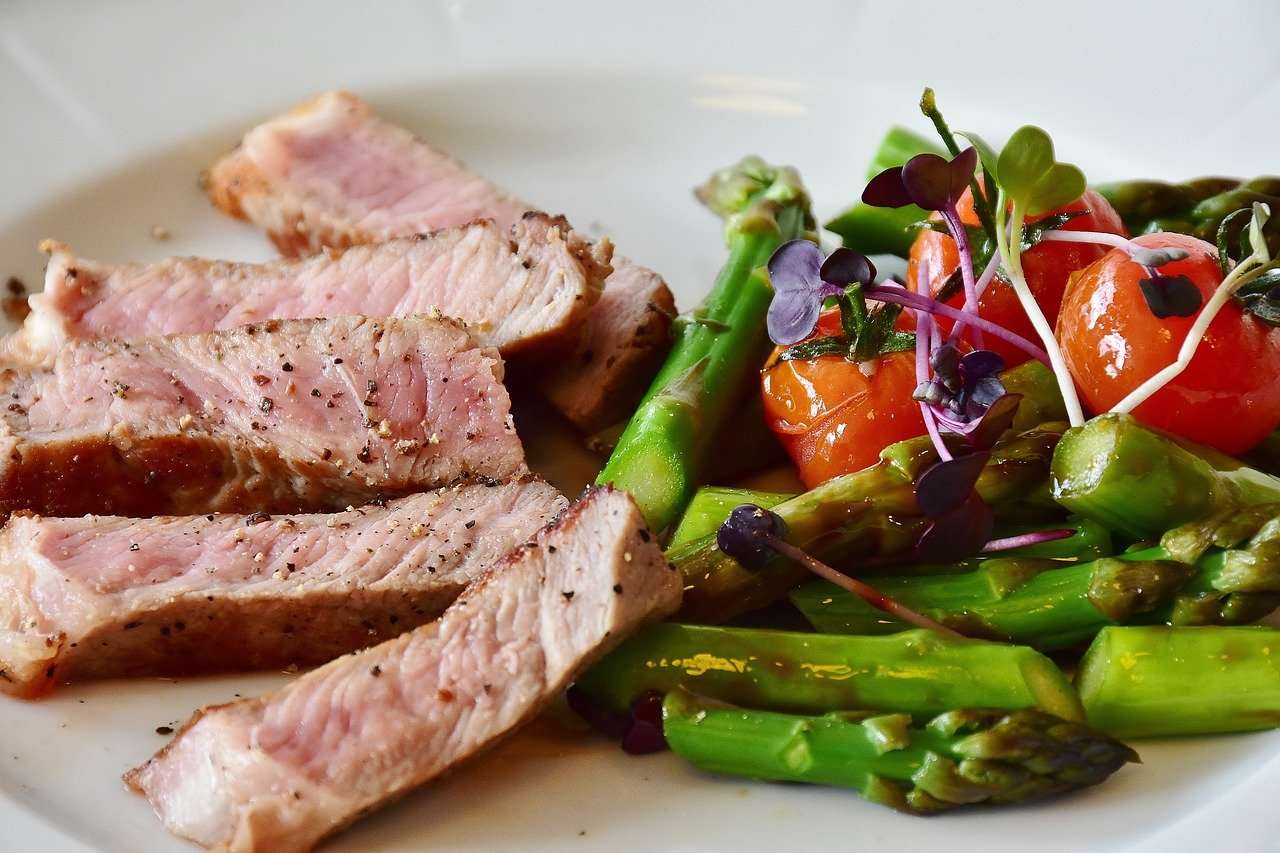
  • Adequate protein intake plays an important role in preserving lean mass during fat loss. High protein intake preserves lean muscle, keeps you fuller longer, and has a higher thermic effect than carbs or fats, meaning your body burns more calories digesting it.  

  • Carbohydrates should be strategically allocated based on your activity level and training intensity. If you're training hard with resistance work and conditioning, keep carbs moderate to fuel performance.  

  • Fats shouldn't be eliminated, even when chasing extreme leanness. Dietary fat contributes to normal hormone production, including testosterone.

Training Protocol to Reach 10% Body Fat

Your training approach while pursuing 10% body fat serves two primary purposes: preserving muscle mass during your caloric deficit and creating additional energy expenditure to support fat loss.  

Resistance Training for Muscle Preservation
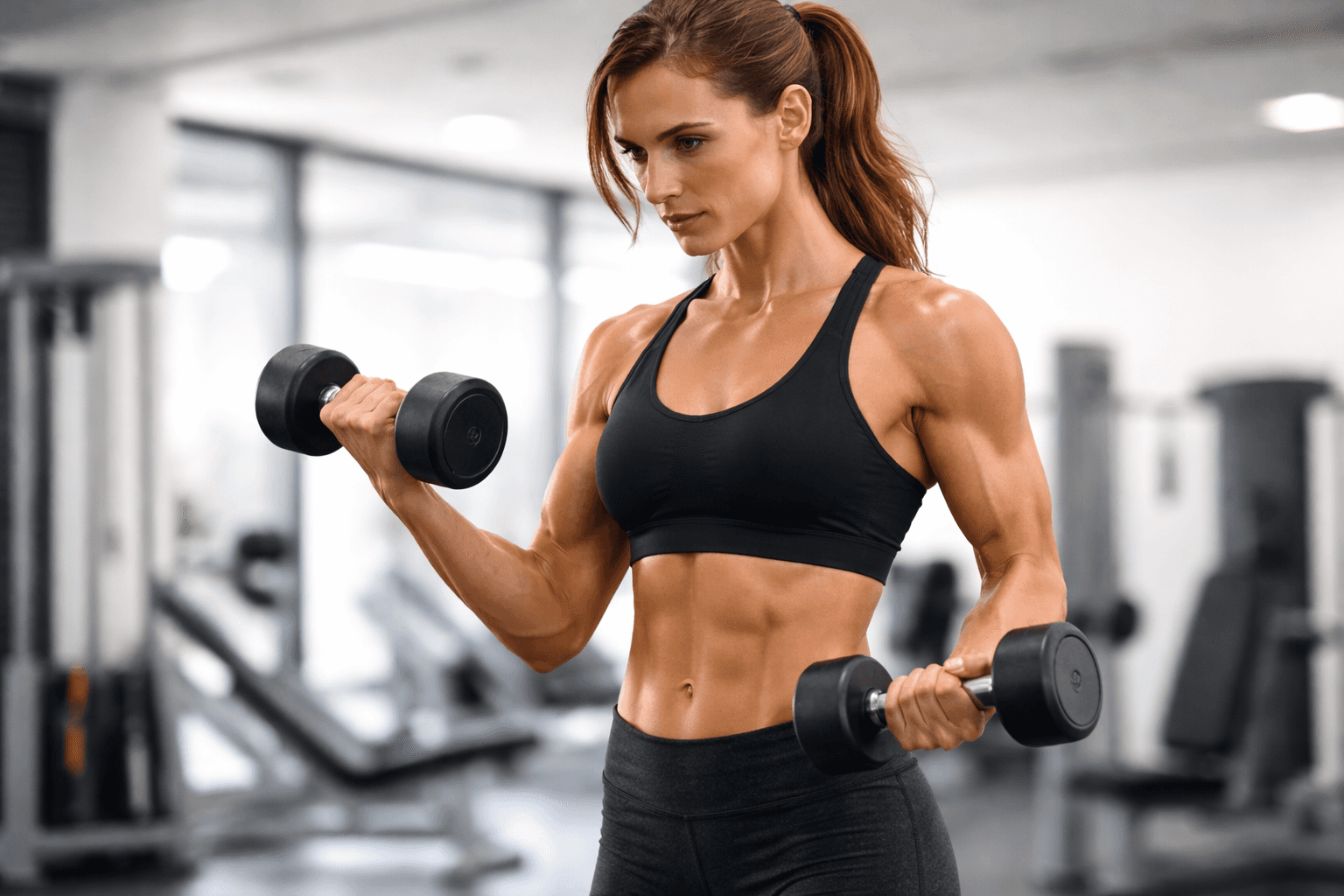
Athletic woman in a black sports bra performing dumbbell bicep curls in a gym.

When you're in a caloric deficit, your body doesn't just burn fat, it can also break down muscle tissue for energy, especially if it doesn't have a reason to keep that muscle around. Heavy resistance training provides that reason by signaling to your body that muscle is essential for performance.

Maintain training intensity even as volume might need to decrease. Focus on compound movements like squats, deadlifts, bench press, rows, and overhead presses that recruit large muscle groups and allow you to lift heavy weights.  

As you get leaner and your deficit deepens, you'll likely need to reduce training volume slightly to accommodate decreased recovery capacity. Don't add more exercises or sets thinking it'll speed up fat loss, that's a recipe for overtraining and injury. Instead, focus on maintaining your strength levels. If your lifts are holding steady or only declining slightly, you're preserving muscle well.

Cardio Strategies: HIIT vs. Steady-State

Muscular man in a black tank top running on a treadmill in a gym.

Cardio's role in reaching 10% body fat is to increase your energy expenditure and improve cardiovascular health, not to be your primary fat-loss tool. Nutrition creates the deficit: cardio supplements it.

High-Intensity Interval Training (HIIT) offers time efficiency and can preserve muscle better than excessive steady-state cardio. But, HIIT is demanding on your nervous system and joints, especially when combined with heavy lifting. If you're already training hard with weights 4-5 days weekly, too much HIIT can compromise recovery.

Steady-state cardio, walking, cycling, or light jogging is less taxing and can be performed more frequently.  

Lifestyle Factors That Impact Fat Loss

You can nail your nutrition and training, but if your lifestyle factors are off, reaching 10% body fat becomes exponentially harder, or even impossible. These variables influence hormones, recovery, adherence, and metabolic health in powerful ways.

Sleep, Recovery, and Stress Management

  • Sleep is perhaps the most underestimated factor in body composition. When you're sleep-deprived, getting less than 7 hours nightly, your body produces more cortisol and less leptin. This hormonal disaster makes fat loss incredibly difficult even when calories are controlled.

  • Recovery extends beyond sleep. Active recovery strategies like stretching, foam rolling, massage, and low-intensity movement help manage fatigue and keep you functional.  

  • Chronic stress sabotages fat loss through multiple pathways. Elevated cortisol promotes muscle breakdown, increases appetite (particularly for calorie-dense comfort foods), and encourages fat storage. If your job, relationships, or daily life are chronically stressful, prioritize stress management techniques like meditation, breathing exercises, time in nature, or therapy.

How to Accurately Measure Body Fat Percentage?

Tracking your progress requires accurate measurement methods.

InBody Body Composition

InBody body composition analysis provides precise, non-invasive, and easy-to-use measurements of body fat percentage. It’s a great tool for tracking changes over time, as it provides detailed information on body fat, lean mass, and other key metrics without the need for invasive procedures.

Device access is required, meaning you’ll need to use specific InBody devices. But there are home options available for those looking to monitor their body composition regularly at home.  

Skinfold calipers

Skinfold calipers, when used by an experienced practitioner following standardized protocols, can be reasonably accurate (within 3-5%). The quality of results depends heavily on the technician's skill and consistency. If you're using calipers, have the same person measure you each time at the same sites under similar conditions. The absolute number matters less than the trend over time.

Bioelectrical Impedance

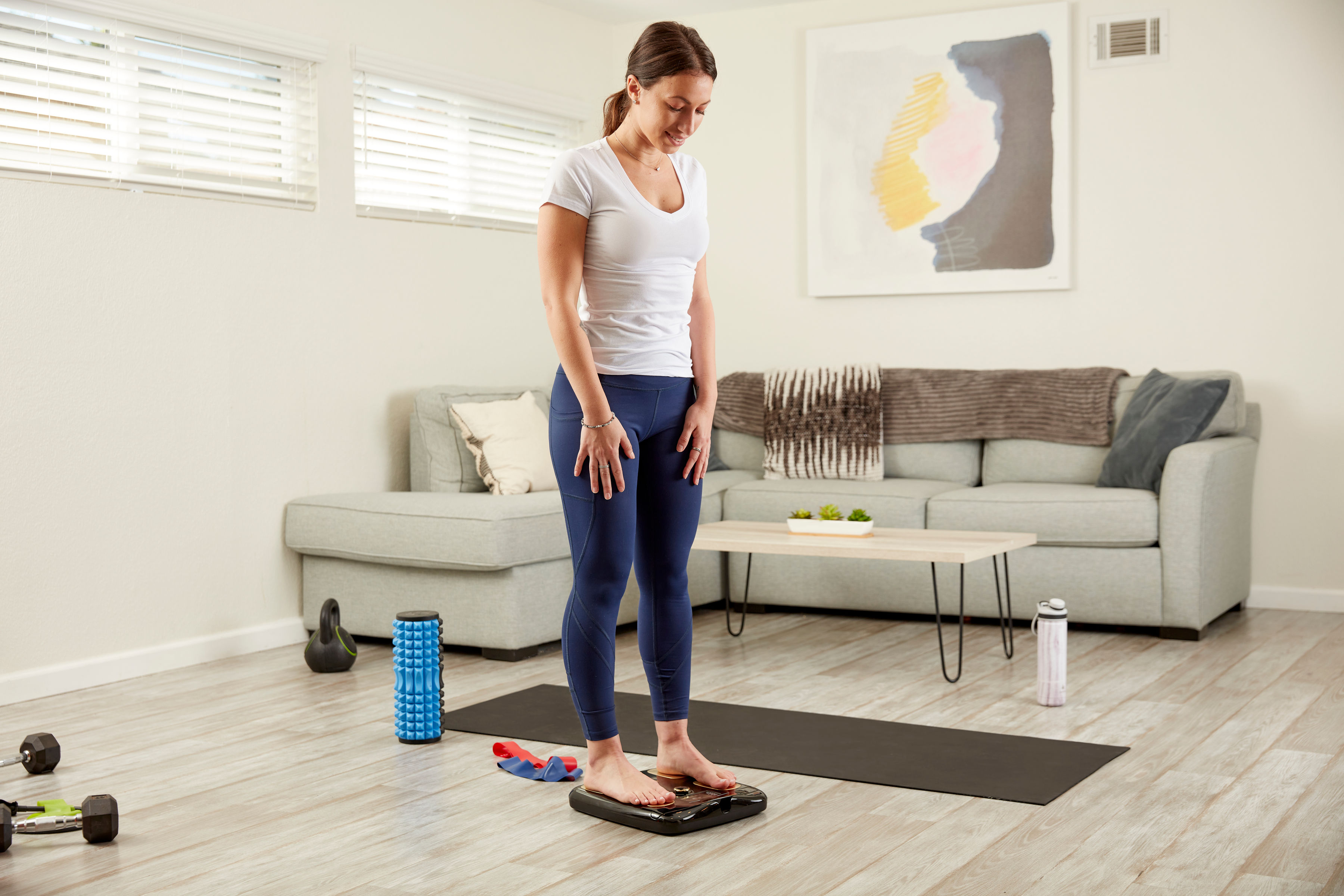
Bioelectrical impedance scales are quick and convenient. They work by sending a small electrical current through the body and measuring the resistance to estimate body fat. It’s a fast, non-invasive method that can be done in the comfort of your home.

However, this method can be affected by hydration levels, meaning your results may fluctuate depending on how hydrated you are at the time of measurement. Dehydration or recent exercise may lead to inaccurate readings, making it less reliable than other methods in some cases.

DEXA

DEXA (Dual-Energy X-ray Absorptiometry) scans provide detailed information about fat mass, lean mass, and bone density across different body regions. Accuracy is excellent, typically within 1-2%, but DEXA scans can be expensive ($75-150 per scan) and aren't always readily accessible.  

Hydrostatic weighing

Hydrostatic (underwater) weighing is another highly accurate method, measuring body density by comparing your weight on land versus submerged in water. It's accurate to within 1-3% but requires specialized facilities and can be uncomfortable if you're not comfortable being submerged.

Method

Accuracy

Pros

Cons

InBody Body Composition

High

Precise, non-invasive, easy to use

Requires device access

Skinfold Calipers

Moderate

Affordable, portable

Requires skill for accurate results

Bioelectrical Impedance

Moderate

Quick, convenient

May be affected by hydration levels

DEXA Scan

High

Accurate, detailed

Expensive, not widely available

Hydrostatic Weighing

High

Very accurate

Requires specialized equipment

Key Takeaways

  • Achieving 10 body fat requires a strategic combination of precise nutrition, resistance training, and lifestyle management rather than random workouts or restrictive diets.

  • Men at 10% body fat display visible abs and muscle definition, while women at this level are extremely lean and may experience hormonal disruptions.

  • Combining a moderate caloric deficit with sufficient protein intake supports muscle preservation during fat loss.

  • Resistance training with compound movements and strategic cardio combining HIIT and steady-state work maximizes fat loss while maintaining muscle mass.

  • Sleep quality, stress management, and recovery are important factors that directly impact your ability to reach and maintain 10 body fat.

  • Maintaining 10% body fat long-term requires sustainable habits and may not be advisable for everyone, especially women, due to potential health and hormonal consequences.

Bottom Line

Achieving 10% body fat represents a significant accomplishment that requires strategic nutrition, training, and lifestyle practices. You now understand what this level of leanness actually looks like for men and women, the advantages it offers, and the very real challenges you might face along the way.

For some individuals, 10% body fat may be a temporary goal rather than a long-term target. For others, especially male athletes, it can be maintained year-round with the right systems and mindset. And for many women, pursuing this level of leanness may not be worth the hormonal and health compromises it requires.

Whatever you decide, approach this goal with both ambition and wisdom. Push yourself, but stay connected to the bigger picture of health, performance, and living a life you actually enjoy. Your physique is just one component of who you are, make sure your pursuit of leanness enhances rather than diminishes the other areas that matter to you.


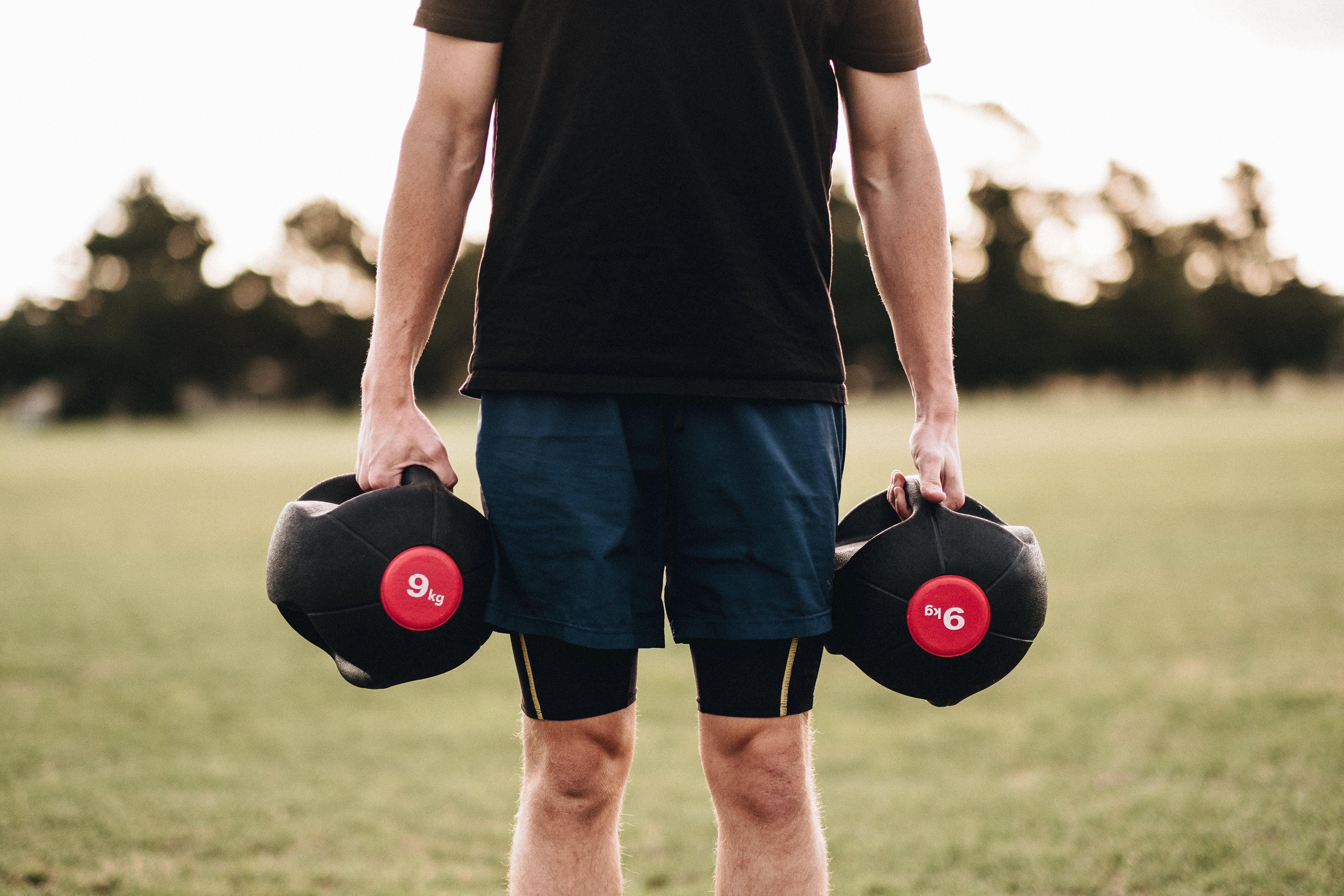
Two sets of dumbbells on gym floor.

Fitness

May 7, 2024

How Do Drop Sets Affect Your Body Composition?

If you’re tired of doing the same kinds of exercises over and over again and are looking to shake things up, try adding drop sets to the mix! Whether you’re trying to maximize your muscle growth, get a little stronger, or both, trainers and fitness enthusiasts alike encourage adding drop sets to your training regimen. These sets combine the intensity of heavy lifting with the challenge of pushing your muscles until failure, adding a difficult but rewarding twist to your workout. Read on to learn more about the science behind drop sets, including how they can affect your body composition and how to do them correctly to get the most out of each rep.  

What are drop sets? 

 width=

Drop sets are a multi-part exercise. They involve performing an exercise with a heavy weight for several reps, then immediately “dropping the weight” to a lower weight (or no weight at all), and again repeating that same exercise for a higher number of repetitions. There aren’t any hard-and-fast rules for the number of times you should perform the movement at each weight. However, many people advocate for doing your drop sets until failure — in other words, until you physically cannot do another repetition while maintaining the correct form. Take a bicep curl, for example. One drop set might look like curling:  

  • 35 pounds until failure 

  • 25 pounds until failure 

How drop sets can take your training to the next level 

 width=

Not only do drop sets shake up your usual workout format and add some challenging interest to your usual exercises, but they also let you capitalize on the benefits of both high-weight, low-rep sets and lower-weight, high-repetition sets. 

To understand how this happens, it’s helpful to understand how muscle growth (also known as muscle hypertrophy) works in the first place. 

The golden rule of muscle hypertrophy is progressive overload, which involves gradually increasing the “load” that you lift during your workout. The easiest way to do this is by gradually lifting heavier and heavier weights. Adding more weight to your exercises over time continues to challenge your muscles through the same exercises, which ultimately helps you build bigger and stronger muscles after proper rest and recovery. 

But there’s also something to be said for lifting lighter weights as long as you’re lifting them for a higher number of repetitions. Performing an exercise for a higher number of repetitions in a set can help you build muscular endurance, which has plenty of positive implications both inside and outside of the gym. 

What’s more: progressive overload doesn’t necessarily need to always look like increasing the weight that you’re lifting. It can also mean increasing the number of reps that you perform! 

This finding was highlighted in one interesting study, where participants were instructed to perform the same exercise, but in two different formats: 

  • Either performing the same number of weights while increasing the weight lifted, or   

  • Performing the exercise with the same weight throughout but increasing the number of repetitions. 

After the researchers evaluated the results, they found that the muscle growth was moderately better in the group that increased the number of reps, but the strength improvements were slightly better in the group that increased the amount of weight lifted. In other words, both high-rep and heavy-weight training led to significant improvements in strength and muscle growth, albeit in slightly different capacities! 

Some researchers also believe that training to failure can help you break through training plateaus. Research indicates that performing an exercise until you physically cannot anymore can better activate your motor units, which are the neurons and muscle fibers that need to be activated in order for your muscles to produce force and move. It also better activates the release of growth-promoting hormones, which are necessary for making gains. However, it’s also important that you’re still lifting weights that are heavy enough to be challenging so that you can reap these rewards. 

Altogether, this means that drop sets — which combine lifting heavy weights, performing a higher numbers of reps, and training until failure — can have many viable benefits in your training. It targets the need for progressive overload in multiple ways, making it a challenging yet interesting workout format that can ultimately help you reach your body composition and strength goals at once. 

When compared to traditional training sets, in which you would perform an exercise with one weight for a set number of repetitions, one of the biggest benefits of drop sets is that they’re remarkably time-efficient. One study found that both drop sets and traditional training led to significant and comparable hypertrophy results, but that the drop sets took half to one-third of the time that it took for traditional training sets to see those results! 

So if you’re looking to shake up your workouts and get an effective, time-efficient workout, adding a couple of drop sets into your workout routine is a great idea. You’ll see similar results when compared to other traditional sets, but you’ll get to challenge your body in new ways and potentially see results a little more quickly. 

Tips for adding drop sets to your training 

Select a moderate starting weight. 

Choosing the right weights for your drop set will depend on your personal strength and fitness level, but you should choose a heavier weight that is moderately challenging but still comfortable to lift. Try starting your drop set with a weight that you can perform 8-10 sets of your exercise with. Then for the “drop,” decrease that weight by about 15-30%. For example, if you’re doing dumbbell shoulder presses, your drop set might look like: 

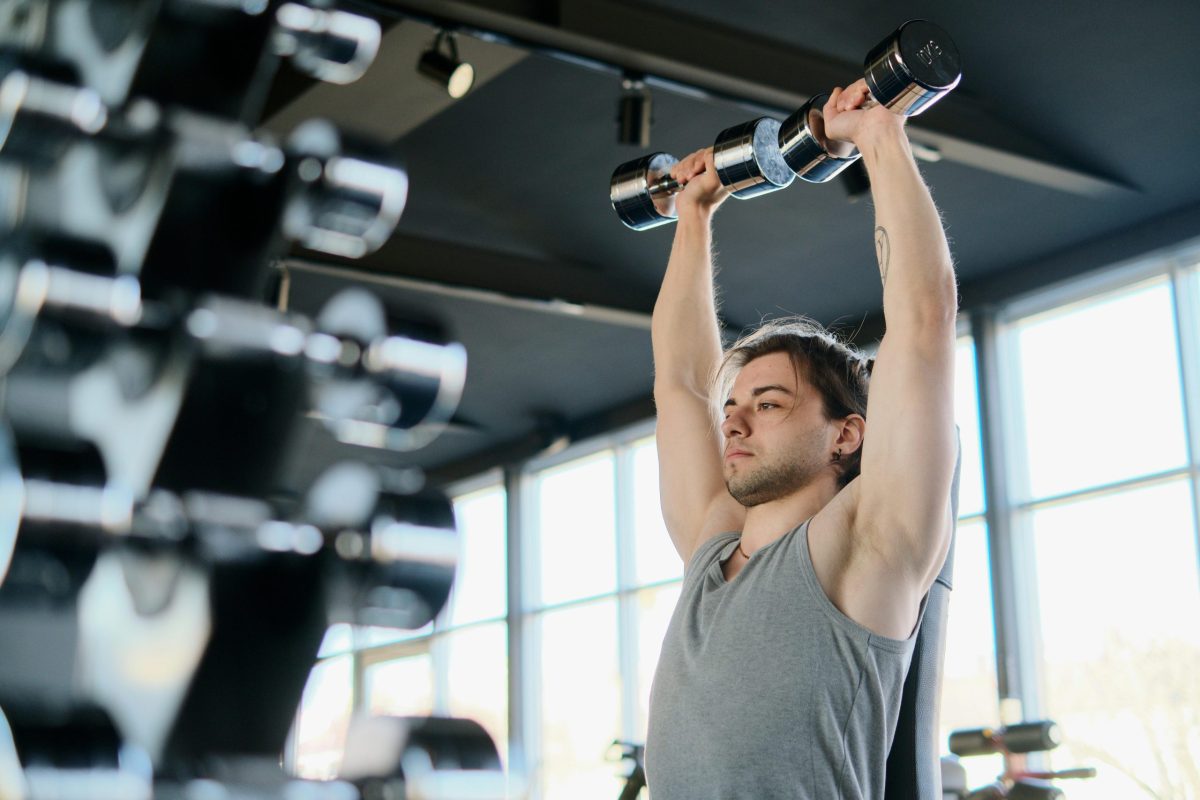
  • 8-10 sets of 35 pounds 

  • 12-15 sets of 25 pounds 

Have your weights ready to go 

When you’re performing a drop set, the exercises should be done immediately with no rest in between the different weights. As you’re setting up for your set, have your weights ready to go and within reach so you can quickly grab them without pausing. 

Stay safe.

Finally, don’t compromise your form and risk an injury! “Until failure” means that the last rep that you perform should still be done in the correct form. Listen to your body and recognize when to stop your workouts so that you don’t accidentally hurt yourself during your drop sets. This is especially important for heavy compound workouts like barbell back squats or bench presses, in which failure can be dangerous. 

Conclusion 

Drop sets allow you to lift heavy weights and challenge your muscular endurance, both of which can help you accomplish your body composition goals while saving time. To get the most out of your drop sets, choose challenging weights and work through your movements until failure. You’ll get more out of the same workouts, and often in less time than traditional workout formats might take!

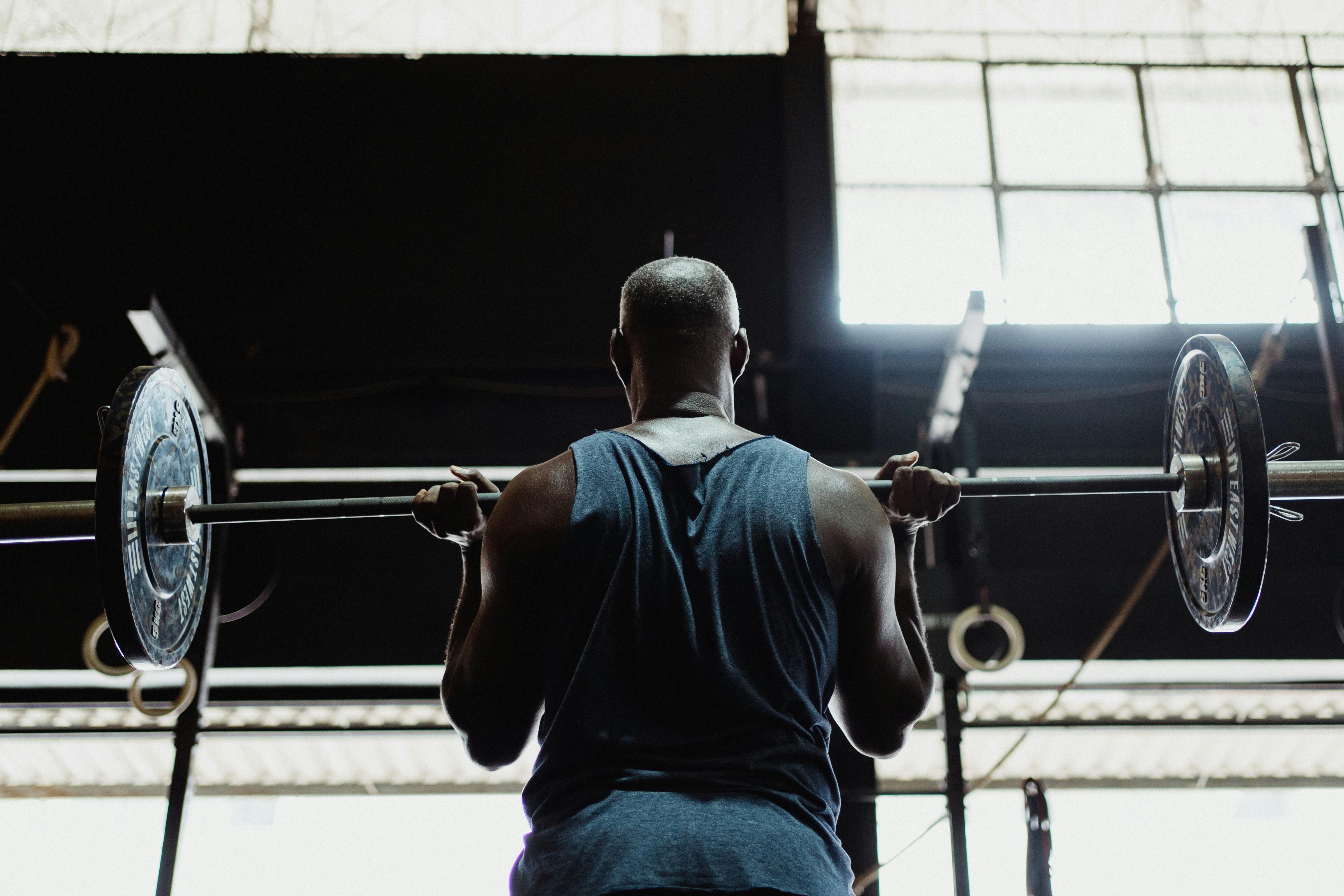
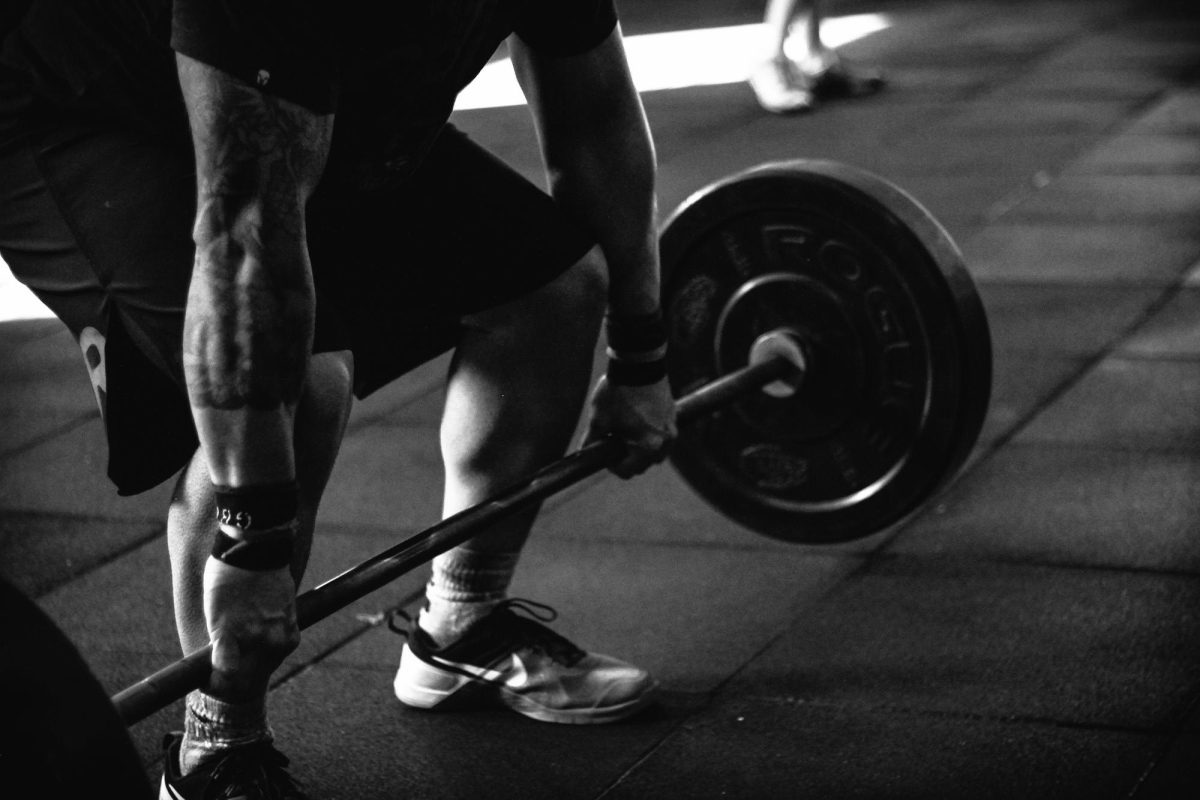
A man lifts a barbell.

Fitness

Mar 26, 2024

What Happens If You Skip Weight Lifting For A Month Or Two?

It’s happened to the best of us: no matter how dedicated you are to your lifting routine and making gains, life just gets in the way of your carefully planned training schedule. 

It might be an extended vacation, a sickness, pressing responsibilities, or just a temporary drop in motivation … but all of a sudden, you realize that you’ve been out of the gym for a month or more. 

The sad truth is that it isn’t always possible to stick to a consistent and structured workout routine

But, as inevitable as lapses in your workout routine can be, it’s still stressful to be out of the gym for long periods of time when you’re trying to improve your health. 

Skipping your lifts can leave you feeling weaker, less physically fit, or maybe even guilty that you’ve taken that time off. 

Your absence also might leave you wondering if your time away from the gym has canceled out all of the hard work and progress you’ve been working toward.   

What actually happens to your muscles when you stop working out for an extended period of time? Let’s talk about it. 

What happens to your muscles when you take a break from weight lifting? 

A man sits on a piece of strength-training equipment.

Most people don’t work out every single day. The occasional rest day is even a good thing, since it allows your body to recover and rebuild after the physical stress of your tough workout. 

But when one rest day turns into a week, then a month, or even longer, something else can happen. 

When you’re working out and training regularly, your body slowly undergoes a series of physical adaptations in response — you gain strength, build new muscle tissue, and even see some changes in your body composition. 

However, if you suddenly stop working out completely, those physical changes can be lost. This is called detraining. 

Over time, detraining can lead to a loss of the physical adaptations that your body created when you were working out regularly

But how quickly does detraining occur? Let’s discuss some of the changes that you might see in your strength, athletic performance, and body composition after a short period of detraining. 

Strength 

A man performs a deadlift.

A major concern that you might have after taking a break from your workouts is whether or not all of those increases in strength are going to be reversed. 

The good news is that your strength likely won’t be significantly impacted by a month or two of detraining

One study found that athletes were generally able to maintain their overall strength for up to four weeks of inactivity. 

The caveat: the athletes also tended to lose some power and force that were necessary for their sports. In other words, they were just about as strong as they were prior to their break, but their overall athletic performance did decline during detraining. 

A second downside to detraining is that taking a break from your exercise routine takes away from your ability to improve your fitness skills, even if you’re able to generally maintain your strength. 

Another study found that men who regularly strength-trained then detrained saw declines in performance metrics like their peak power, while men who continued with their resistance training saw no such change. 

Additionally, the men who detrained did not see any improvements in their jump height, while the men who continued their training were able to see improvements.

This effect is something to think about before taking a break, especially if you are an athlete and/or if you have specific strength or performance goals that you’d like to meet in a predetermined amount of time. 

Overall, however, you should be able to lift just about as much as you did prior to your break if you’re out of the gym for a month or two. 

Body composition

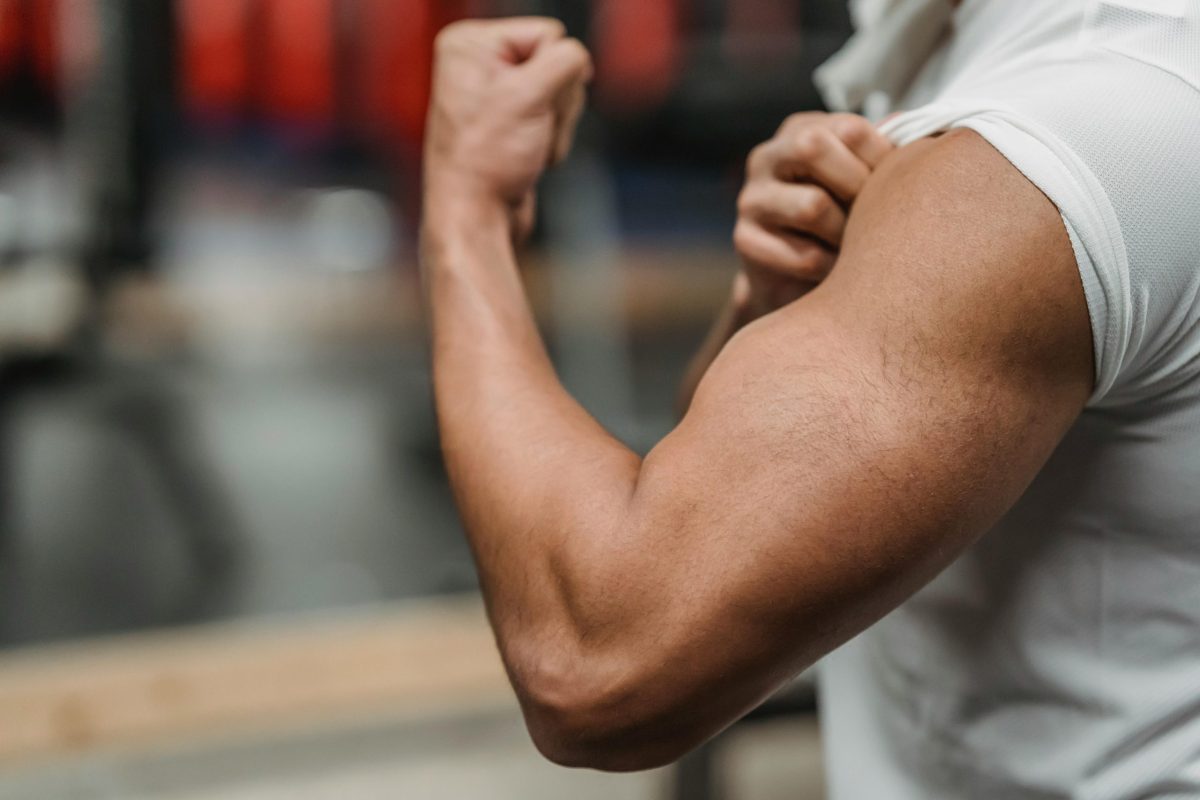
A man curls his bicep.

While your strength doesn’t seem to be too affected by a short break from weight lifting, it’s also worth considering how your body composition measurements can change through detraining. 

A good example of this is the effect that shelter-in-place orders had during the early phases of the COVID-19 pandemic. In one study, researchers evaluated the fitness of men who had previously worked out regularly but stopped due to the pandemic and its subsequent social distancing regulations. 

After an average of 45 weeks off of their regular training programs, the men in this study saw significant decreases in muscle mass, strength, and endurance, as well as increases in body fat and waist-hip ratio. 

However, this was a very long pause in their training program (averaging almost a year for most participants). What about if you’re only taking a few months off? 

Unsurprisingly, the longer you stop training, the worse the effects of detraining will be. So, if you’re only stopping your weight lifting training for a couple of months, you likely aren’t going to see huge changes (if the rest of your diet and physical activity stays about the same).

However, longer periods of detraining can affect your muscle size. A study on older adults found that muscle size didn’t change significantly after a shorter strength-training pause of three to six months. That said, the adults did see significant changes in their muscle size when their detraining periods reached longer terms of 8 to 13 months.  

The effects of muscle loss from detraining can also be seen in other forms of strength training besides weight lifting, like Pilates. 

One study evaluated the effects of three weeks of detraining on women who had done Pilates for two months. The women saw improvements in body fat percentage and visceral fat following the two months of workouts, but those percentages returned to baseline after the three weeks of no training

On the plus side, the positive effects that Pilates had on trunk fat, thigh and waist measurements, flexibility, abdominal strength, and aerobic capacity weren’t affected by the detraining period. 

But even though there does seem to be some muscle loss after certain periods of detraining, there’s some good news for lifters: the effects of detraining don’t seem to be as bad in people who lift versus people who prefer cardio

In a study that evaluated detraining effects in resistance-trained vs. endurance-trained young men, the men who lifted weights still saw gains in strength and lean muscle mass even after 24 weeks of detraining. These gains were maintained for longer than the ones seen by the endurance-trained group. 

Can you recover after a long workout break?

A man lifts a barbell.

Yes! If you get back into the gym and start your training again, the evidence indicates that you can get close to where you were before, especially if you’ve only taken a break for a month or two. 

However, some factors might cause you to take more time to fully recover from detraining. 

For example, researchers evaluated the effects of training and then detraining on older women. After detraining for 12 weeks and then retraining for another 12, the women were able to mostly recoup their fat mass and body fat improvements, but their upper and lower body strength was still somewhat lower than it had been after the first round of training. 

Another interesting study on older men found that, after 12 weeks of detraining, participants still preserved much of the strength, power, and Type 2 muscle fiber changes that happened after training, which led to fast recovery once they started working out again. 

The bottom line: as discouraging as it might be to be forced by life events to take several weeks off from your workout routine, it doesn’t have to mean that you’re starting from scratch

Once you get back into the gym and into a consistent workout routine, you’ll start getting back in the groove sooner rather than later (even if some things take a little longer to improve, like your body composition). 
Conclusion

Taking a few months off from strength training can feel scary, but rest assured that you likely won’t lose all of your gains after just a month or two of no training. During your extended break, find ways to stay active where you can and focus on eating a good diet. This will help you recover more quickly after your break from weight lifting.

Get updates worth your time.

5,000,000+ users

Get updates worth
your time.

5,000,000+ users