Product

Software

Resources

Company

Nutrition

Nutrition

Join our mailing list. We never spam.

All

Nutrition

Articles

Muscular man in a black tank top running on a treadmill in a gym.

Fitness

Mar 23, 2026

10% Body Fat: How it Looks and How to Achieve It Safely

10% body fat is often considered an elite level of fitness and leanness. It’s a goal for many fitness enthusiasts and athletes, but it requires discipline, dedication, and a comprehensive approach to diet and exercise.

In this article, we’ll explain what 10% body fat looks like, how to achieve it, and why it’s not always the best goal for everyone.

What 10% Body Fat Actually Looks Like

Before you set your sights on 10% body fat, it helps to know what you're working toward. Body fat percentage is the proportion of fat mass to total body weight, and the visual results vary significantly between men and women due to physiological differences in essential fat stores.

10% body fat on men

Shirtless, muscular man with defined abs and chest posing against a white background with his hands in his pockets.

For men, achieving 10% body fat results in a lean, defined physique with visible abs and minimal fat around the waist and thighs. Muscles are more prominent, and vascularity (visible veins) is often visible, especially around the arms and legs. Men at this body fat level typically have very low levels of fat in the chest, arms, and abdominal area.

Age Group

Essential Fat

Athletic/Fit

Acceptable

Obese

20–29

2–5%

6–13%

14–24%

≥25%

30–39

2–5%

6–14%

15–25%

≥26%

40–49

3–6%

7–15%

16–26%

≥27%

50–59

3–7%

8–16%

17–27%

≥28%

60+

4–8%

9–17%

18–28%

≥29%

10% body fat on women

For women, achieving 10% body fat is more challenging and could be potentially harmful. Women naturally carry more body fat than men (about 6-11% more on average) due to reproductive and hormonal needs, so 10% represents a significantly lower relative body fat than it does for men.

At this level, women may experience significant muscle definition, but this can come at a cost to overall health. Health risks associated with such low body fat include hormonal imbalances, menstrual irregularities, and potential long-term health complications.

It’s essential to understand that while some athletes or bodybuilders may strive for this body fat percentage temporarily, it is generally not recommended for the average woman to maintain this level of leanness.

Age Group

Essential Fat

Athletic/Fit

Acceptable

Obese

20–29

10–13%

14–20%

21–31%

≥32%

30–39

10–14%

15–21%

22–32%

≥33%

40–49

11–15%

16–22%

23–33%

≥34%

50–59

12–16%

17–23%

24–34%

≥35%

60+

13–17%

18–24%

25–35%

≥36%

Why Aim to Have 10% Body Fat?

While striving for 10% body fat may be a popular goal among athletes and fitness enthusiasts, it’s essential to weigh both the benefits and potential risks.

Health and Performance Advantages

Reaching 10% body fat offers several tangible benefits, particularly if you're involved in athletics or aesthetics-focused pursuits.

  • First, you'll likely experience improved athletic performance in activities where power-to-weight ratio matters (running, cycling, gymnastics, or martial arts).  

  • Your insulin sensitivity typically improves at lower body fat levels, which means better nutrient partitioning and more stable energy throughout the day.

  • From an aesthetic standpoint, 10% body fat showcases the muscle you've built. If you've invested time in strength training, this level of leanness reveals muscle definition and creates that coveted athletic appearance.

Potential Challenges and Drawbacks

But it's not all upside. Maintaining 10% body fat, especially for extended periods, comes with legitimate challenges you need to consider.

  • Your body naturally resists getting and staying very lean because low body fat historically signaled famine and survival threats. This means you'll likely face increased hunger, persistent thoughts about food, and potential metabolic adaptation where your body becomes more efficient at conserving energy.

  • For women especially, dropping to 10% body fat can trigger hormonal disruptions, including loss of menstrual function, decreased bone density, compromised immune function, and reduced thyroid output.

  • Men, too, may experience some testosterone decline, though typically not as dramatically. Recovery from workouts may slow, and you might notice decreased strength or performance in the gym even though looking leaner.

Nutrition Strategy for 10% Body Fat

Nutrition is the cornerstone of reaching 10% body fat. Training alone is often insufficient for achieving very low body fat levels without appropriate nutrition

Calculating Your Calorie Deficit

To lose fat, you need to consume fewer calories than you burn, creating what's called a caloric deficit.  

  1. Start by estimating your BMR (it is the number of calories your body uses at rest to power essential functions like heartbeat, breathing, and cell repair.

One of the most commonly used formulas to estimate BMR is the Mifflin–St Jeor equation:

BMR (men) = 10 × weight (kg) + 6.25 × height (cm) – 5 × age (years) + 5

BMR (women) = 10 × weight (kg) + 6.25 × height (cm) – 5 × age (years) – 161

  1. Then determine your Total Daily Energy Expenditure (TDEE), which accounts for your basal metabolic rate plus activity.  

To estimate TDEE, multiply your BMR by an activity factor:

  • Sedentary (little/no exercise): ~1.2

  • Lightly active: ~1.4

  • Moderately active: ~1.6

  • Very active: ~1.8+

  1. Once you know your maintenance calories, create a deficit of 300-500 calories daily. This typically translates to losing 0.5-1% of your body weight per week.

Don't forget to adjust as you progress. Your TDEE decreases as your body weight drops, so what started as a 500-calorie deficit might become maintenance after you've lost 15-20 pounds. Recalculate every 2-3 weeks and track trends rather than daily fluctuations.

Optimal Macronutrient Distribution

Calories determine whether you lose weight, but macronutrients (protein, carbs, and fats), influence what kind of weight you lose and how you feel during the process.

  • Adequate protein intake plays an important role in preserving lean mass during fat loss. High protein intake preserves lean muscle, keeps you fuller longer, and has a higher thermic effect than carbs or fats, meaning your body burns more calories digesting it.  

  • Carbohydrates should be strategically allocated based on your activity level and training intensity. If you're training hard with resistance work and conditioning, keep carbs moderate to fuel performance.  

  • Fats shouldn't be eliminated, even when chasing extreme leanness. Dietary fat contributes to normal hormone production, including testosterone.

Training Protocol to Reach 10% Body Fat

Your training approach while pursuing 10% body fat serves two primary purposes: preserving muscle mass during your caloric deficit and creating additional energy expenditure to support fat loss.  

Resistance Training for Muscle Preservation

Athletic woman in a black sports bra performing dumbbell bicep curls in a gym.

When you're in a caloric deficit, your body doesn't just burn fat, it can also break down muscle tissue for energy, especially if it doesn't have a reason to keep that muscle around. Heavy resistance training provides that reason by signaling to your body that muscle is essential for performance.

Maintain training intensity even as volume might need to decrease. Focus on compound movements like squats, deadlifts, bench press, rows, and overhead presses that recruit large muscle groups and allow you to lift heavy weights.  

As you get leaner and your deficit deepens, you'll likely need to reduce training volume slightly to accommodate decreased recovery capacity. Don't add more exercises or sets thinking it'll speed up fat loss, that's a recipe for overtraining and injury. Instead, focus on maintaining your strength levels. If your lifts are holding steady or only declining slightly, you're preserving muscle well.

Cardio Strategies: HIIT vs. Steady-State

Muscular man in a black tank top running on a treadmill in a gym.

Cardio's role in reaching 10% body fat is to increase your energy expenditure and improve cardiovascular health, not to be your primary fat-loss tool. Nutrition creates the deficit: cardio supplements it.

High-Intensity Interval Training (HIIT) offers time efficiency and can preserve muscle better than excessive steady-state cardio. But, HIIT is demanding on your nervous system and joints, especially when combined with heavy lifting. If you're already training hard with weights 4-5 days weekly, too much HIIT can compromise recovery.

Steady-state cardio, walking, cycling, or light jogging is less taxing and can be performed more frequently.  

Lifestyle Factors That Impact Fat Loss

You can nail your nutrition and training, but if your lifestyle factors are off, reaching 10% body fat becomes exponentially harder, or even impossible. These variables influence hormones, recovery, adherence, and metabolic health in powerful ways.

Sleep, Recovery, and Stress Management

  • Sleep is perhaps the most underestimated factor in body composition. When you're sleep-deprived, getting less than 7 hours nightly, your body produces more cortisol and less leptin. This hormonal disaster makes fat loss incredibly difficult even when calories are controlled.

  • Recovery extends beyond sleep. Active recovery strategies like stretching, foam rolling, massage, and low-intensity movement help manage fatigue and keep you functional.  

  • Chronic stress sabotages fat loss through multiple pathways. Elevated cortisol promotes muscle breakdown, increases appetite (particularly for calorie-dense comfort foods), and encourages fat storage. If your job, relationships, or daily life are chronically stressful, prioritize stress management techniques like meditation, breathing exercises, time in nature, or therapy.

How to Accurately Measure Body Fat Percentage?

Tracking your progress requires accurate measurement methods.

InBody Body Composition

InBody body composition analysis provides precise, non-invasive, and easy-to-use measurements of body fat percentage. It’s a great tool for tracking changes over time, as it provides detailed information on body fat, lean mass, and other key metrics without the need for invasive procedures.

Device access is required, meaning you’ll need to use specific InBody devices. But there are home options available for those looking to monitor their body composition regularly at home.  

Skinfold calipers

Skinfold calipers, when used by an experienced practitioner following standardized protocols, can be reasonably accurate (within 3-5%). The quality of results depends heavily on the technician's skill and consistency. If you're using calipers, have the same person measure you each time at the same sites under similar conditions. The absolute number matters less than the trend over time.

Bioelectrical Impedance

Bioelectrical impedance scales are quick and convenient. They work by sending a small electrical current through the body and measuring the resistance to estimate body fat. It’s a fast, non-invasive method that can be done in the comfort of your home.

However, this method can be affected by hydration levels, meaning your results may fluctuate depending on how hydrated you are at the time of measurement. Dehydration or recent exercise may lead to inaccurate readings, making it less reliable than other methods in some cases.

DEXA

DEXA (Dual-Energy X-ray Absorptiometry) scans provide detailed information about fat mass, lean mass, and bone density across different body regions. Accuracy is excellent, typically within 1-2%, but DEXA scans can be expensive ($75-150 per scan) and aren't always readily accessible.  

Hydrostatic weighing

Hydrostatic (underwater) weighing is another highly accurate method, measuring body density by comparing your weight on land versus submerged in water. It's accurate to within 1-3% but requires specialized facilities and can be uncomfortable if you're not comfortable being submerged.

Method

Accuracy

Pros

Cons

InBody Body Composition

High

Precise, non-invasive, easy to use

Requires device access

Skinfold Calipers

Moderate

Affordable, portable

Requires skill for accurate results

Bioelectrical Impedance

Moderate

Quick, convenient

May be affected by hydration levels

DEXA Scan

High

Accurate, detailed

Expensive, not widely available

Hydrostatic Weighing

High

Very accurate

Requires specialized equipment

Key Takeaways

  • Achieving 10 body fat requires a strategic combination of precise nutrition, resistance training, and lifestyle management rather than random workouts or restrictive diets.

  • Men at 10% body fat display visible abs and muscle definition, while women at this level are extremely lean and may experience hormonal disruptions.

  • Combining a moderate caloric deficit with sufficient protein intake supports muscle preservation during fat loss.

  • Resistance training with compound movements and strategic cardio combining HIIT and steady-state work maximizes fat loss while maintaining muscle mass.

  • Sleep quality, stress management, and recovery are important factors that directly impact your ability to reach and maintain 10 body fat.

  • Maintaining 10% body fat long-term requires sustainable habits and may not be advisable for everyone, especially women, due to potential health and hormonal consequences.

Bottom Line

Achieving 10% body fat represents a significant accomplishment that requires strategic nutrition, training, and lifestyle practices. You now understand what this level of leanness actually looks like for men and women, the advantages it offers, and the very real challenges you might face along the way.

For some individuals, 10% body fat may be a temporary goal rather than a long-term target. For others, especially male athletes, it can be maintained year-round with the right systems and mindset. And for many women, pursuing this level of leanness may not be worth the hormonal and health compromises it requires.

Whatever you decide, approach this goal with both ambition and wisdom. Push yourself, but stay connected to the bigger picture of health, performance, and living a life you actually enjoy. Your physique is just one component of who you are, make sure your pursuit of leanness enhances rather than diminishes the other areas that matter to you.


Two young women are enjoying healthy salads for a meal.

Nutrition

Jun 24, 2025

Food as Medicine: The Benefits of Eating Healthy

The idea that food is more than just fuel for the body isn’t new. In fact, the concept of “food as medicine” has been around for centuries, dating back to ancient cultures where herbs and foods were used to treat and prevent illness. 

From Hippocrates, who famously said, “Let food be thy medicine, and medicine be thy food,” to modern-day researchers reinforcing the impact of diet on health, this philosophy continues to resonate today. As more people turn to food for its healing potential, it’s clear that a healthy diet can play a significant role in preventing and managing a variety of health conditions.

The Role of Diet in Preventing Disease

Preventive medicine is all about taking steps to reduce the risk of diseases before they happen and diet is one of the most effective tools we have for prevention. Many chronic diseases, such as heart disease, diabetes, and obesity, are heavily influenced by what we eat. 

In fact, research shows that about 80% of heart disease, stroke, and type 2 diabetes cases are preventable through lifestyle changes, including dietary adjustments. An October 2024 study in The Lancet of nearly 400 Brazilian adults and elderly people found that adhering to the EAT-Lancet diet (a plant-focused diet emphasizing whole grains, fruits, vegetables, nuts, and legumes) lowers the risk of developing chronic diseases like heart disease and diabetes

When you consistently choose nutrient-dense foods, you’re giving your body the tools it needs to function optimally, reducing inflammation, maintaining a healthy weight, and improving immune function — all of which contribute to disease prevention.

Key Nutrients for Disease Prevention

Certain nutrients in food have been shown to have powerful protective effects against various diseases. Here’s a look at some of the key nutrients that can help prevent chronic illnesses:

A colorful fruit and vegetable salad is artfully presented on a white table.

Antioxidants

Antioxidants like vitamins C and E, as well as flavonoids, are crucial for reducing oxidative stress, which is linked to the development of diseases such as cancer and cardiovascular diseases. They protect cells from damage caused by free radicals, which are unstable molecules that can contribute to increased risk of health issues during the aging process. Foods rich in antioxidants include berries, citrus fruits, leafy greens, nuts, and dark chocolate.

Omega-3 Fatty Acids

Omega-3 fatty acids, found in foods such as fatty fish (salmon and mackerel), flaxseeds, and walnuts, are well known for their heart health benefits. These healthy fats reduce inflammation, lower blood pressure, and reduce the risk of heart disease. An August 2019 review in the journal Circulation found that omega-3s play a role in lowering triglyceride levels and improving cholesterol profiles.

Fiber

Fiber is essential for digestive health, helping regulate bowel movements and prevent constipation. But its benefits don’t stop there: It also plays a role in controlling blood sugar levels and maintaining a healthy weight. High-fiber foods like whole grains, legumes, fruits, and vegetables can help lower the risk of type 2 diabetes by improving insulin sensitivity and reducing blood sugar spikes, according to a January 2018 review in The Journal of Nutrition.

Probiotics

Probiotics are beneficial bacteria that support a healthy gut microbiome, which is essential for proper digestion and immune function. Foods like yogurt, kefir, kimchi, and sauerkraut are rich in probiotics and have been linked to improved gut health and reduced inflammation. Research in Biomedicine and Pharmacotherapy suggests that a healthy gut microbiome is also associated with a reduced risk of obesity.

Vitamin D

Vitamin D is important for bone health and immune function. It helps the body absorb calcium, which is crucial for maintaining strong bones and helping prevent osteoporosis. Additionally, vitamin D has been shown to support immune health by reducing inflammation and helping to fight infections. Sun exposure, fatty fish, fortified foods, and supplements are common sources of vitamin D.

Food's Role in Managing Specific Health Conditions

Food is not only preventive but also plays a crucial role in managing various health conditions. Here’s how diet can influence specific diseases:

A man pours cooking oil into a hot frying pan.

Heart Health

A heart-healthy diet is key to reducing the risk of heart disease. The Mediterranean diet, rich in fruits, vegetables, whole grains, and healthy fats like olive oil, has been shown to reduce the risk of cardiovascular disease, according to research in The New England Journal of Medicine that looked at nearly 7,500 Spanish participants, ranging from 55 to 80 years old.

Diabetes

For people with type 2 diabetes, food is an essential part of managing the condition. A diet high in fiber, healthy fats, and lean proteins can help stabilize blood sugar levels and improve insulin sensitivity. The American Diabetes Association recommends eating foods with a low glycemic index (GI), such as whole grains, legumes, and non-starchy vegetables, to prevent blood sugar spikes.

Gut Health

Your gut health is a reflection of your overall health. A balanced diet that includes fiber, probiotics, and prebiotics (found in foods like garlic, onions, and bananas) can support a healthy gut microbiome, which in turn helps with digestion, immunity, and even mental health. Research in Infectious Medicine has shown that gut dysfunction can increase the risk of chronic conditions like Crohn’s disease, ulcerative colitis, and certain types of cancer like colon, gastric, and prostate.

Inflammation

Chronic inflammation is a key factor in many diseases, including arthritis, heart disease, and cancer. Eating anti-inflammatory foods like leafy greens, nuts, seeds, and fatty fish can help reduce chronic inflammation. A diet high in processed foods and refined sugars, on the other hand, can exacerbate inflammation. An anti-inflammatory diet can help reduce markers of inflammation and improve overall health.

How to Adopt a "Food as Medicine" Approach

Adopting a "food as medicine" approach isn’t about drastic changes or extreme diets — it’s about making better choices every day to support your health. Here are some simple tips to help you get started!

Prioritize Nutrient-Dense Foods

Focus on whole, unprocessed foods such as fruits, vegetables, whole grains, lean proteins, and healthy fats. These foods provide essential nutrients without the added sugars, unhealthy fats, and excess sodium found in many processed foods.

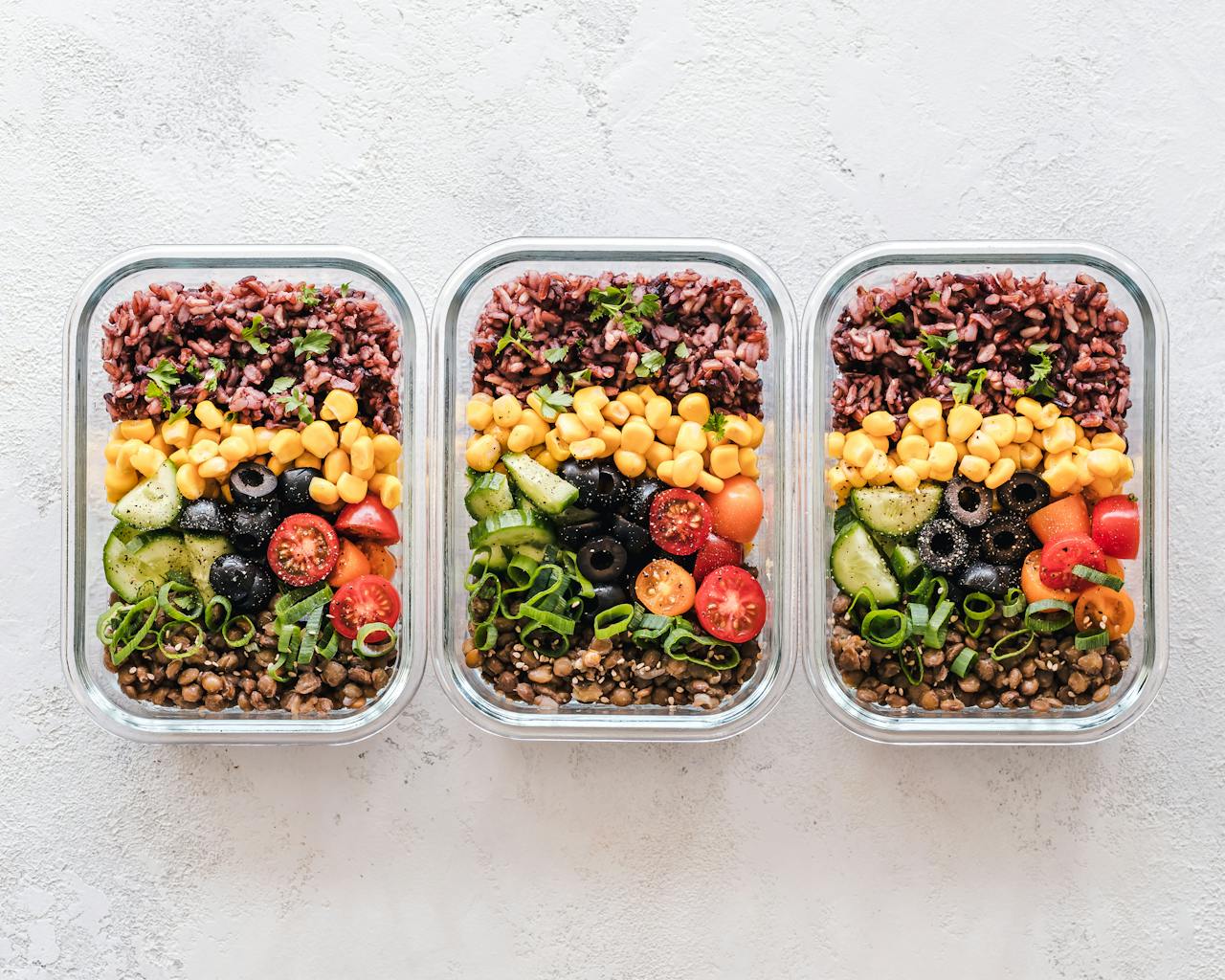
Three trays of chopped whole food salads are neatly displayed on a marble tabletop.

Meal Planning

Plan your meals for the week to ensure you’re getting a balanced, nutrient-dense diet. Incorporating a variety of foods and colors on your plate ensures you’re getting a wide range of vitamins, minerals, and antioxidants.

Mindful Eating

Pay attention to how your body feels when eating. Slow down, savor your meals, and listen to your hunger cues. This can help you avoid overeating and better understand how different foods affect your body.

Supplements

While food should be your primary source of nutrients, supplements can be helpful in filling gaps in your diet, particularly for nutrients like vitamin D or omega-3s. However, it’s always best to get nutrients from whole foods when possible, as they offer a variety of health benefits beyond just the vitamins and minerals they contain.

Be Mindful, Be Consistent, Be Healthier

Incorporating the “food as medicine” approach into your wellness routine is one of the most transformative ways to take control of your health. By opting for nutrient-rich, whole foods and understanding how specific nutrients support your body’s systems, you can not only help prevent chronic illnesses but also manage existing conditions more effectively. Remember, this approach isn’t about perfection — it’s about consistency and making intentional, informed choices that fuel your body. Whether you’re aiming to improve heart health, support digestion, or reduce inflammation, food can be a foundational tool in your wellness journey. Start small, stay mindful, and let every bite move you closer to better health!

Close up of a mason jar filled with soy meat.

Nutrition

Nov 19, 2024

Alternative Proteins: Are They Worth Chewing Over?

Protein is one of the most important macronutrients of a healthy diet, acting as the “building blocks” for all our tissues. Over the past few years, there has been an increasing interest in using other protein sources besides the usual meats, legumes, and supplements.

Whether you’re interested in finding new ways to build muscle, are trying to eat a diet emphasizing plant-based foods, or are simply curious about all those new alternative “meats” hitting the shelves, you may have wondered about alternative protein sources. But what exactly are alternative proteins, and should they have a place in your diet?


What Are Alternative Proteins? 

A close up of a burger with plant-based meat, lettuce, tomatoes, and other veggies.

“Traditional” protein sources typically include animal and plant-based foods like meat, poultry, beans, and legumes. These foods are often rich in amino acids, the compounds that make up protein molecules. On the other hand, the term “alternative proteins” encompasses a wide range of natural and manufactured protein sources that are less commonly seen and used in the food market. Some of the most common alternative proteins include:  

  • Plant-based meat alternatives: Perhaps the most ubiquitous and familiar, these protein sources are often made with plant-based foods like soy, peas, or lentils. They’re often made to substitute common meat products like burgers and sausages. 

  • Insects: While insects are generally not used as a protein source in many Western countries, more and more interest is being generated in their use as a high-protein, low-resource meat alternative. 

  • Lab-grown meats: Also known as “cultured” or “cell-based” meat, lab-grown meats are grown from cells in a controlled lab environment to bypass traditional farming methods. 

  • Fungal proteins: Finally, fungal protein (aka “mycoprotein”) is produced using fungus and can act as a plant-based protein source.


Reasons to Consider Alternative Proteins 

A close up of hands holding green grains and flowers that comprise a heart shape.

Increased Sustainability 

One of the biggest reasons many people look for different protein sources is due to sustainability concerns. While meat may be one of our primary protein sources today, animal agriculture is also extremely taxing on the environment and requires tons of land and resources. The process of raising livestock and using them as a food source generates enormous amounts of greenhouse gas emissions and can also contribute to deforestation and water use.  

As a result, more and more eco-conscious consumers are looking to alternative proteins as a potential solution. This is especially relevant when looking at plant-based alternative proteins since plants generally require fewer resources to grow. One paper concluded that plant-based protein alternatives were more environmentally sustainable than animal products, with more favorable impacts on factors like water and land use and greenhouse gas emissions

Even insects may be a more sustainable protein source than traditional animal products. Some researchers estimate that raising insects for food can be 12 to 25 times more efficient than animal products, requiring far less space and generating less waste than traditional agriculture practices.

Potential Nutrition Improvement  

There are also potential benefits that may come with eating less meat and following a plant-based diet that focuses on nutrient-rich plant sources. Eating a diverse diet of plant foods can provide health-protective nutrients like fiber, vitamins, and minerals.

It can also be a heart-healthier option since there are often lower levels of saturated fats in the absence of animal proteins. Together, these benefits may contribute to better general health.

For example, one large cohort study evaluated the diets of 36,825 adults over 15 years and subsequent mortality. They found that eating more high-quality plant-based foods was associated with lower all-cause mortality. As a result, increasing your consumption of nutrient-dense plant-based foods may have long-term health benefits.

Mycoprotein, a protein made from funguses and commonly sold by the name brand Quorn, is a good example of a plant-based protein that may have certain health advantages over meat. Mycoprotein is high in both protein and fiber while also boasting low levels of cholesterol and sugar, making it a heart-healthy choice when compared to traditional protein sources like beef or pork.

Challenges With Alternative Proteins

A scientist in a lab coat, mask, and gloves manipulates a specimen with an eye dropper.

Nutrition Gaps Compared to Traditional Protein

Though alternative protein products are often made with plant-based foods, this in and of itself does not necessarily mean that all alternative proteins on the market are automatically healthier than traditional sources. In fact, many of these products actually showed poorer nutritional value when compared to their traditional choices. 

One potential reason this may happen is due to the protein quality. Protein quality refers to the amino acid profiles of your protein sources. Animal proteins are “complete” proteins, meaning they contain all nine essential amino acids needed for muscle growth and repair.

Meanwhile, plant-based protein sources are often “incomplete,” which means that they need to be combined with other sources to give your muscles all the tools they need for optimum growth. If you rely solely on plant-based alternatives, it’s important to check where the protein in your product is coming from and to consider whether or not you need to combine it with other complementary protein sources to get the most out of your diet. 

And what if you’re specifically looking for products to improve your body composition via muscle growth? There’s evidence to say that there isn’t much of a difference between plant and animal protein sources for absolute lean muscle mass or strength, but that there is a slight improvement in percent lean mass when protein is coming from animal sources. Ultimately, you’ll want to make sure that you are getting enough total protein from your diet and that those protein sources provide all the amino acids you need to reach your goals.

Potential Ultra-Processing 

Finally, it’s also well worth noting that many of the available alternative proteins on the market fall into the “ultra-processed” category. Many plant-based “meats” go through several rounds of heavy processing. While this processing can help achieve the right taste and texture, it can also alter the product’s nutrition content. Many ultra-processed foods also contain additives like sodium, preservatives, and artificial ingredients, potentially making them less nutritious than whole-food options. 

For example, one 2023 study found that alternative plant-based “meat” products tended to have higher sodium content than their meat counterparts (up to 7.9 times higher!) as well as lower protein digestibility.

The Bottom Line: Are Alternative Protein Sources Worth Trying?  

Possibly! Adding a few alternative protein sources may be a good way to increase your protein intake, especially if you’re not eating traditional protein sources like meat for health and/or sustainability reasons.

However, it’s also important to keep in mind the processing levels and overall nutritional profile of the products you choose. As a general rule, whole food sources like beans, nuts, and grains often provide better overall nutrition than highly processed options. Read labels carefully and evaluate nutrition content to decide if and how these alternatives can fit into your health and diet goals.


Get updates worth your time.

5,000,000+ users

Get updates worth
your time.

5,000,000+ users