February 19, 2026
Creatine is a naturally occurring compound found in muscle cells that helps produce quick energy during high-intensity exercise. It’s commonly used to improve strength, power, and workout performance. Because creatine affects body weight and muscle mass, many people wonder whether it can also support weight loss or if it simply leads to weight gain.
The answer isn't a simple yes or no, it depends on how you define "weight loss" and what you're really after. While creatine won't directly melt away fat, it can play a surprisingly supportive role in your body composition journey. Let's dig into what creatine does, how it affects your body, and whether it deserves a spot in your weight loss regimen.
What Is Creatine and How Does It Work?
Creatine is a naturally occurring compound made from three amino acids: arginine, glycine, and methionine. It is produced in the liver, kidneys, and pancreas, and stored mainly in skeletal muscle. Small amounts of creatine are also obtained from foods like red meat and fish, while supplements provide a concentrated dose.
Creatine helps produce adenosine triphosphate (ATP), which is essentially your muscles' primary energy currency. When you're lifting weights, sprinting, or doing any high-intensity activity, your muscles burn through ATP quickly. Creatine phosphate steps in to rapidly regenerate ATP, giving you that extra burst of power and endurance during short, intense efforts.
When you supplement with creatine, you're essentially topping off your muscle stores (called phosphocreatine), which allows you to push harder during workouts, squeeze out extra reps, and recover faster between sets. This enhanced performance can lead to greater training adaptations over time, more muscle, more strength, and potentially better body composition.
Does Creatine Help You Lose Weight?
The short answer: not directly. Creatine isn't a fat burner, and it won't speed up your metabolism or increase calorie expenditure on its own. But that doesn't mean it's useless for weight loss, far from it.
Does Creatine Directly Burn Fat?
Creatine is mainly known for supporting short, high-intensity performance rather than acting as a direct fat-loss supplement. If you're looking for a supplement that directly torches body fat, creatine isn't it.
That said, the scale isn't the whole story. Fat loss and weight loss aren't always the same thing, and this is where creatine starts to get interesting.
How Creatine May Support Fat Loss Indirectly
While creatine doesn't burn fat directly, it can create conditions that support fat loss over time. The main mechanism is through improved workout performance. When you can lift heavier, train harder, and recover better, you're building and preserving lean muscle mass, and muscle is metabolically active tissue. The more muscle you have, the more calories you burn at rest.
Creatine also helps you maintain strength during a calorie deficit, which is critical. When you're cutting calories to lose fat, your body often sacrifices muscle along with fat. Hence, creatine helps you hold onto that hard-earned muscle, which keeps your metabolism humming and your physique looking lean and toned.
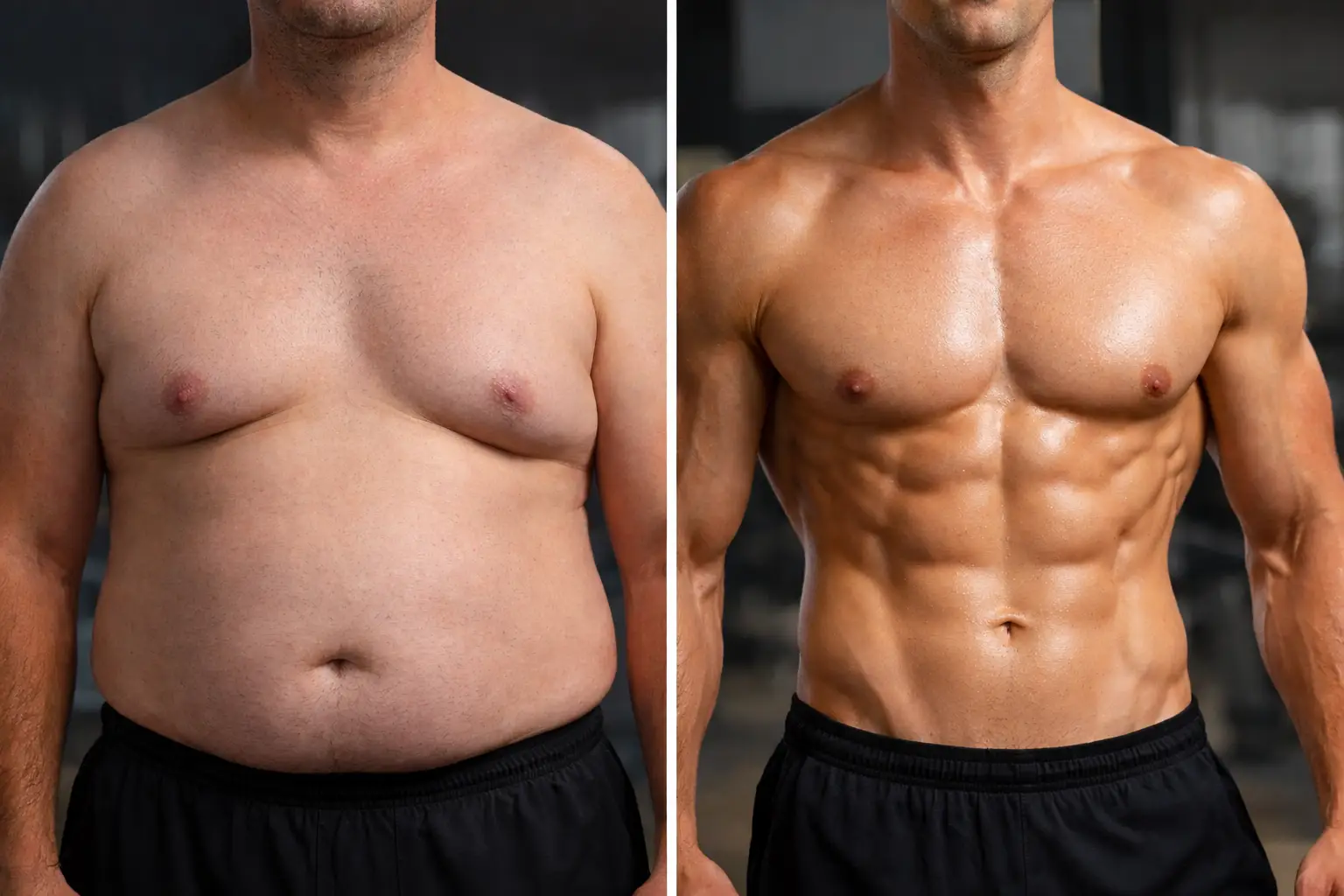
So while creatine won't show up on a list of "fat-burning supplements," it's a powerful tool for improving body composition, losing fat while maintaining or even gaining muscle. And honestly, that's what most people really want when they say they want to "lose weight."
Why Creatine Causes Weight Gain (And Why That's Not Always Bad)
Here's where things can get confusing. Some people notice a small, temporary increase on the scale when starting creatine, often related to water shifts in muscle tissue. Before you panic and toss the tub in the trash, let's talk about why this happens:
Water Retention vs. Fat Gain
Creatine pulls water into your muscle cells. This is called intracellular water retention, and it's actually a good thing. It contributes to that fuller, more pumped look your muscles get, and it may even play a role in muscle growth signaling.
This water weight is not fat gain. You're not getting softer or fluffier, you're just holding more fluid inside your muscles. Your muscle cells are essentially becoming better hydrated, which can improve performance and recovery.
The challenge is that most people step on the scale, see it creep up, and immediately think they're moving in the wrong direction. But if your goal is fat loss and improved body composition, the scale is a poor judge. You could be losing fat and gaining muscle simultaneously, and the scale might not budge, or it might even go up.
Body composition tools are especially useful, as they separate fat mass, lean muscle, and water weight instead of relying on total body weight alone. If you're tracking progress during weight loss, rely on measurements, progress photos, how your clothes fit, and how you look in the mirror. These are far better indicators of true fat loss than the number on the scale, especially when you're using creatine.
So yes, creatine will probably make you "gain weight" initially, but it's water weight in your muscles, not body fat. And that temporary bump on the scale is a small price to pay for the performance and body composition benefits you'll get in return.
Benefits of Taking Creatine During Weight Loss
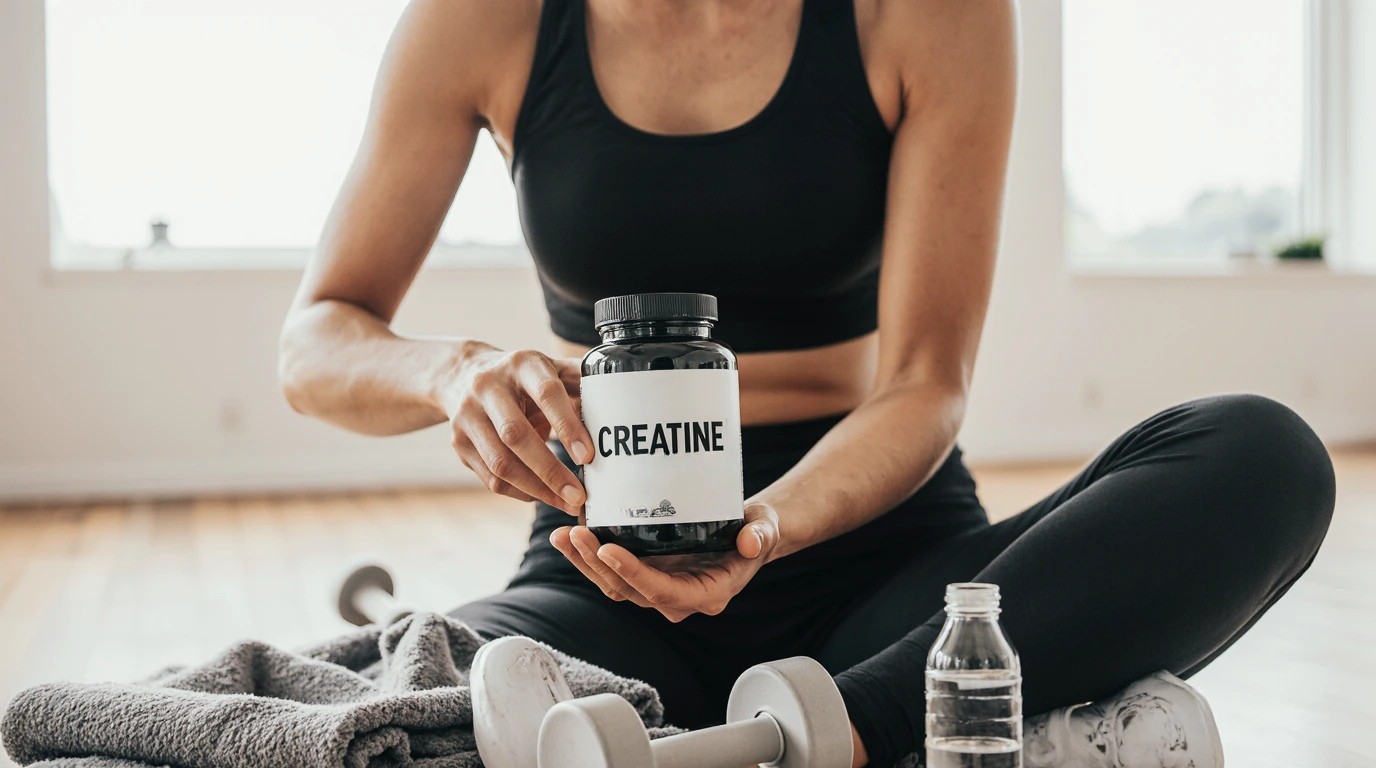
If you're cutting calories and trying to lean out, creatine can be one of your best allies. Here's why it's worth keeping in your supplement stack even when fat loss is the goal.
First, creatine helps preserve lean muscle mass during a calorie deficit. When you're eating less, your body looks for energy wherever it can find it, and that includes breaking down muscle tissue. Resistance training combined with creatine supplementation sends a strong signal to your body that muscle is essential and shouldn't be sacrificed.
Second, it keeps your strength and performance up. Dieting can leave you feeling drained and weak, which makes it harder to train intensely. Creatine helps offset some of that fatigue, so you can continue hitting your workouts hard even when your energy intake is lower.
Third, creatine may improve recovery. When you're in a deficit, recovery can take longer. Creatine's role in ATP regeneration and its potential anti-inflammatory effects can help you bounce back faster between sessions, which means more consistent training and better long-term results.
Finally, building or maintaining muscle while losing fat leads to a better overall physique. You don't just want to be smaller, you want to be leaner, stronger, and more defined. Creatine helps you achieve that by supporting muscle retention and growth, even as the fat comes off.
In short, creatine won't make you lose weight faster on the scale, but it can help you lose fat while keeping your muscle, which is the real goal.
What the Research Says About Creatine and Body Composition
The scientific literature on creatine is robust, and while most studies focus on performance and muscle gain, several have explored its effects on body composition during weight loss or training.
Creatine and Lean Body Mass Gains
One key finding: creatine supplementation combined with resistance training consistently leads to greater increases in lean body mass compared to training alone. This holds true even when people are in a calorie deficit or trying to lose weight. Essentially, creatine helps you build or preserve muscle more effectively, which improves your body composition.
A review published in the Journal of the International Society of Sports Nutrition highlighted that creatine can enhance fat-free mass gains and strength improvements, particularly when paired with a structured training program.
Creatine and Resistance Training
It's also worth noting that creatine's effects on body composition are most pronounced when you're actually training. If you're sedentary and just taking creatine, you won't see much benefit. The magic happens when you combine supplementation with consistent, progressive resistance training.
Creatine and Fat Loss
Researchers have also found that creatine doesn't negatively affect fat loss. Some people worry that the water retention will somehow interfere with fat burning, but there's no evidence to support that. Your body continues to oxidize fat for energy just fine while you're supplementing with creatine.
Bottom line from the research: creatine won't directly cause fat loss, but it's a powerful tool for improving body composition when combined with proper training and nutrition.
Potential Drawbacks and Side Effects to Consider
Creatine is widely studied and generally well tolerated, but there are still a few considerations to keep in mind.
Initial water retention: Creatine commonly causes temporary water retention inside muscle cells. This won’t make you gain fat, but it can slightly mask muscle definition.
Digestive discomfort: Some people experience mild stomach upset, bloating, or cramps, especially when taking large doses at once.
Scale weight confusion: Creatine can cause the number on the scale to increase due to water and muscle, not fat.
Not ideal for purely aesthetic short-term goals: If your primary goal is to look as lean as possible in the short term rather than improve performance or muscle retention, creatine may not align perfectly with that objective.
How to Use Creatine Effectively for Weight Loss Goals
If you've decided to add creatine to your weight loss plan, here's how to get the most out of it without unnecessary complications:
Recommended Dosage and Timing
Daily dose: Common supplemental protocols often use a consistent daily amount, and guidance can vary by individual.
Loading phase: Some protocols include a short ‘loading’ period, while others skip it and still reach similar muscle creatine levels over time.
When to take it: For many people, consistent use tends to matter more than the exact time of day. Some suggest taking creatine post-workout with carbs and protein may slightly improve absorption, but the difference is small. The key is taking it every day, including rest days.
How to take it: People commonly take creatine powder mixed into a beverage, but preferences vary. It’s tasteless and generally dissolves well, though a bit of settling is normal.
If you have any medical conditions, take medications, or aren’t sure whether creatine is right for you, it’s best to check with a healthcare professional or qualified nutrition expert before starting.
Combining Creatine With Resistance Training and Nutrition
Creatine works best when it’s paired with a solid training and nutrition foundation.
Resistance Training: Focus on progressive resistance training (this can include weightlifting, bodyweight exercises, or any strength-focused workouts that challenge your muscles). Many strength programs use regular resistance training with progressive overload, and frequency can be adjusted to your experience and schedule.
Nutrition for Muscle and Fat Loss: To support muscle maintenance and recovery, make sure you’re getting enough protein. Protein needs can vary based on goals, body size, and training, and a registered dietitian can help personalize a target.
Hydration: Staying hydrated supports performance, recovery, and overall health. Staying well hydrated supports performance and recovery, and fluid needs vary with climate, activity level, and individual factors.
Key Takeaways
Creatine does not directly help you lose weight or burn fat, but it supports fat loss indirectly by improving workout performance and preserving lean muscle mass during a calorie deficit.
Taking creatine typically causes a 2-5 pound weight gain in the first week due to water retention in muscles, not fat gain, which is why the scale is a poor indicator of progress.
Combining creatine with resistance training helps you build or maintain muscle while losing fat, leading to improved body composition rather than just lower numbers on the scale.
FAQs
Does creatine lower belly fat?
No, creatine doesn't specifically target belly fat or any other area of fat. Spot reduction isn't possible through supplementation or exercise. But, by improving your workout performance and helping you build muscle, creatine can contribute to overall fat loss over time when combined with a calorie deficit and consistent training.
Why am I losing weight on creatine?
If you're losing weight while taking creatine, it's likely due to your diet and training program, not the creatine itself. Creatine doesn't cause weight loss, it typically causes a small initial weight gain from water retention. But, if you're in a calorie deficit and training hard, you could be losing fat while maintaining or gaining muscle.
How to tell if creatine is working?
You'll know creatine is working if you notice improvements in your training performance: more reps, heavier weights, better endurance during high-intensity efforts, and faster recovery between sets. You might also see a slight increase in body weight within the first week or two due to water retention in your muscles.
Can you take creatine while cutting or in a calorie deficit?
Yes, creatine is highly beneficial during a calorie deficit. It helps preserve lean muscle mass, maintains strength and workout performance, and improves recovery when your body is under the stress of reduced calories and fat loss.
Will creatine make me look bloated when trying to get lean?
Creatine-related water shifts are often described as occurring within muscle tissue, but individual responses and appearance changes can vary. The slight water weight won't interfere with fat loss or long-term definition.