Medical

Medical

Join our mailing list. We never spam.

Medical

Medical

Join our mailing list. We never spam.

Medical

Medical

Join our mailing list. We never spam.

All articles tagged

"

Medical

"

A white jar of creatine supplement sitting next to a glass of water on a table, with a muscular person blurred in the background.

Health

Feb 19, 2026

Does Creatine Help You Lose Weight? Fat Loss, Muscle Gain, or Just Water Weight?

Creatine is a naturally occurring compound found in muscle cells that helps produce quick energy during high-intensity exercise. It’s commonly used to improve strength, power, and workout performance. Because creatine affects body weight and muscle mass, many people wonder whether it can also support weight loss or if it simply leads to weight gain.

The answer isn't a simple yes or no, it depends on how you define "weight loss" and what you're really after. While creatine won't directly melt away fat, it can play a surprisingly supportive role in your body composition journey. Let's dig into what creatine does, how it affects your body, and whether it deserves a spot in your weight loss regimen.

What Is Creatine and How Does It Work?
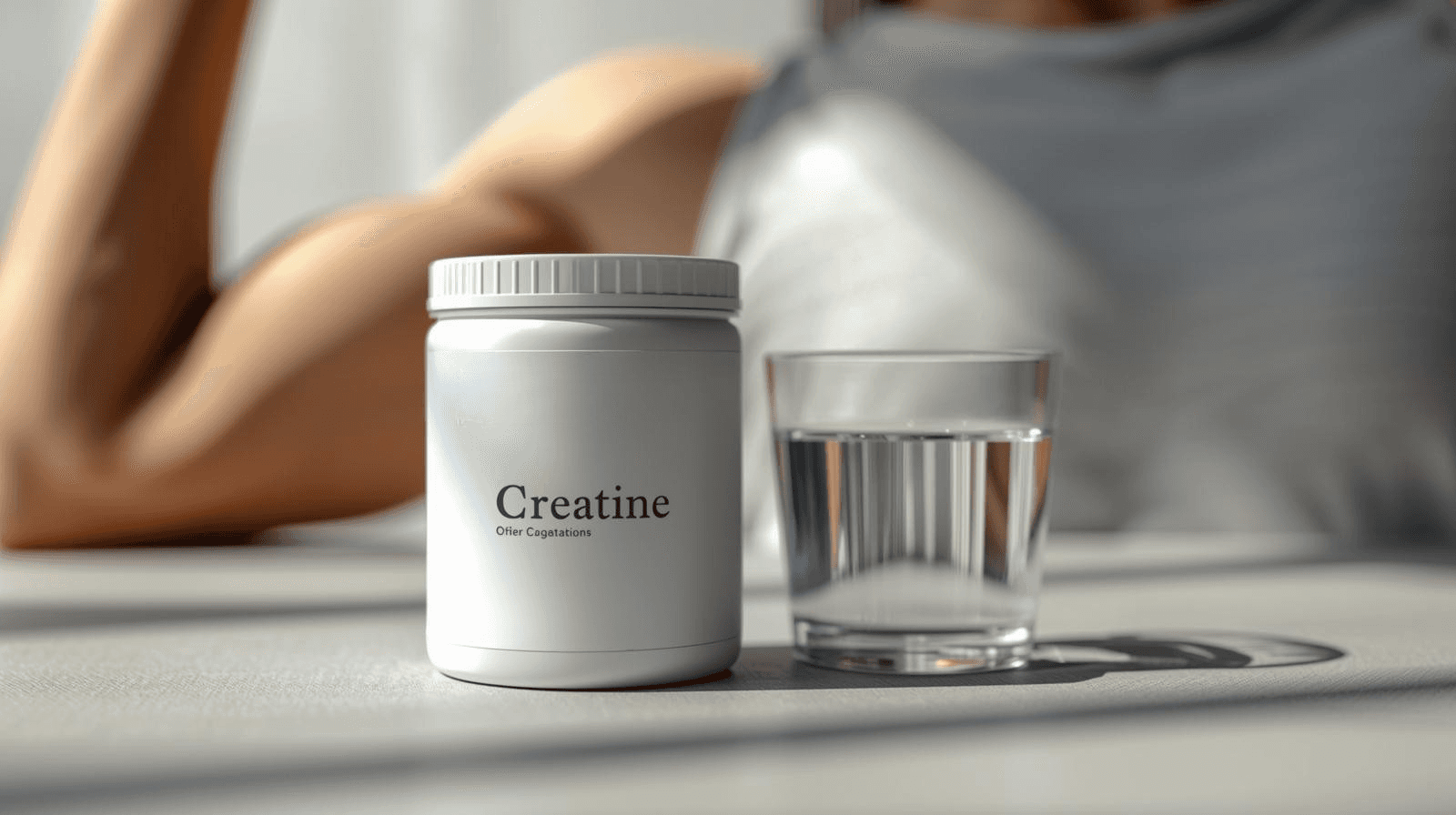
A white jar of creatine supplement sitting next to a glass of water on a table, with a muscular person blurred in the background.

Creatine is a naturally occurring compound made from three amino acids: arginine, glycine, and methionine. It is produced in the liver, kidneys, and pancreas, and stored mainly in skeletal muscle. Small amounts of creatine are also obtained from foods like red meat and fish, while supplements provide a concentrated dose.

Creatine helps produce adenosine triphosphate (ATP), which is essentially your muscles' primary energy currency. When you're lifting weights, sprinting, or doing any high-intensity activity, your muscles burn through ATP quickly. Creatine phosphate steps in to rapidly regenerate ATP, giving you that extra burst of power and endurance during short, intense efforts.

When you supplement with creatine, you're essentially topping off your muscle stores (called phosphocreatine), which allows you to push harder during workouts, squeeze out extra reps, and recover faster between sets. This enhanced performance can lead to greater training adaptations over time, more muscle, more strength, and potentially better body composition.

Does Creatine Help You Lose Weight?

The short answer: not directly. Creatine isn't a fat burner, and it won't speed up your metabolism or increase calorie expenditure on its own. But that doesn't mean it's useless for weight loss, far from it.

Does Creatine Directly Burn Fat?

Creatine is mainly known for supporting short, high-intensity performance rather than acting as a direct fat-loss supplement. If you're looking for a supplement that directly torches body fat, creatine isn't it.

That said, the scale isn't the whole story. Fat loss and weight loss aren't always the same thing, and this is where creatine starts to get interesting.

How Creatine May Support Fat Loss Indirectly

While creatine doesn't burn fat directly, it can create conditions that support fat loss over time. The main mechanism is through improved workout performance. When you can lift heavier, train harder, and recover better, you're building and preserving lean muscle mass, and muscle is metabolically active tissue. The more muscle you have, the more calories you burn at rest.

Creatine also helps you maintain strength during a calorie deficit, which is critical. When you're cutting calories to lose fat, your body often sacrifices muscle along with fat. Hence, creatine helps you hold onto that hard-earned muscle, which keeps your metabolism humming and your physique looking lean and toned.

So while creatine won't show up on a list of "fat-burning supplements," it's a powerful tool for improving body composition, losing fat while maintaining or even gaining muscle. And honestly, that's what most people really want when they say they want to "lose weight."

Why Creatine Causes Weight Gain (And Why That's Not Always Bad)

Here's where things can get confusing. Some people notice a small, temporary increase on the scale when starting creatine, often related to water shifts in muscle tissue. Before you panic and toss the tub in the trash, let's talk about why this happens:

Water Retention vs. Fat Gain

Creatine pulls water into your muscle cells. This is called intracellular water retention, and it's actually a good thing. It contributes to that fuller, more pumped look your muscles get, and it may even play a role in muscle growth signaling.

This water weight is not fat gain. You're not getting softer or fluffier, you're just holding more fluid inside your muscles. Your muscle cells are essentially becoming better hydrated, which can improve performance and recovery.

The challenge is that most people step on the scale, see it creep up, and immediately think they're moving in the wrong direction. But if your goal is fat loss and improved body composition, the scale is a poor judge. You could be losing fat and gaining muscle simultaneously, and the scale might not budge, or it might even go up.

Body composition tools are especially useful, as they separate fat mass, lean muscle, and water weight instead of relying on total body weight alone. If you're tracking progress during weight loss, rely on measurements, progress photos, how your clothes fit, and how you look in the mirror. These are far better indicators of true fat loss than the number on the scale, especially when you're using creatine.

So yes, creatine will probably make you "gain weight" initially, but it's water weight in your muscles, not body fat. And that temporary bump on the scale is a small price to pay for the performance and body composition benefits you'll get in return.

Benefits of Taking Creatine During Weight Loss
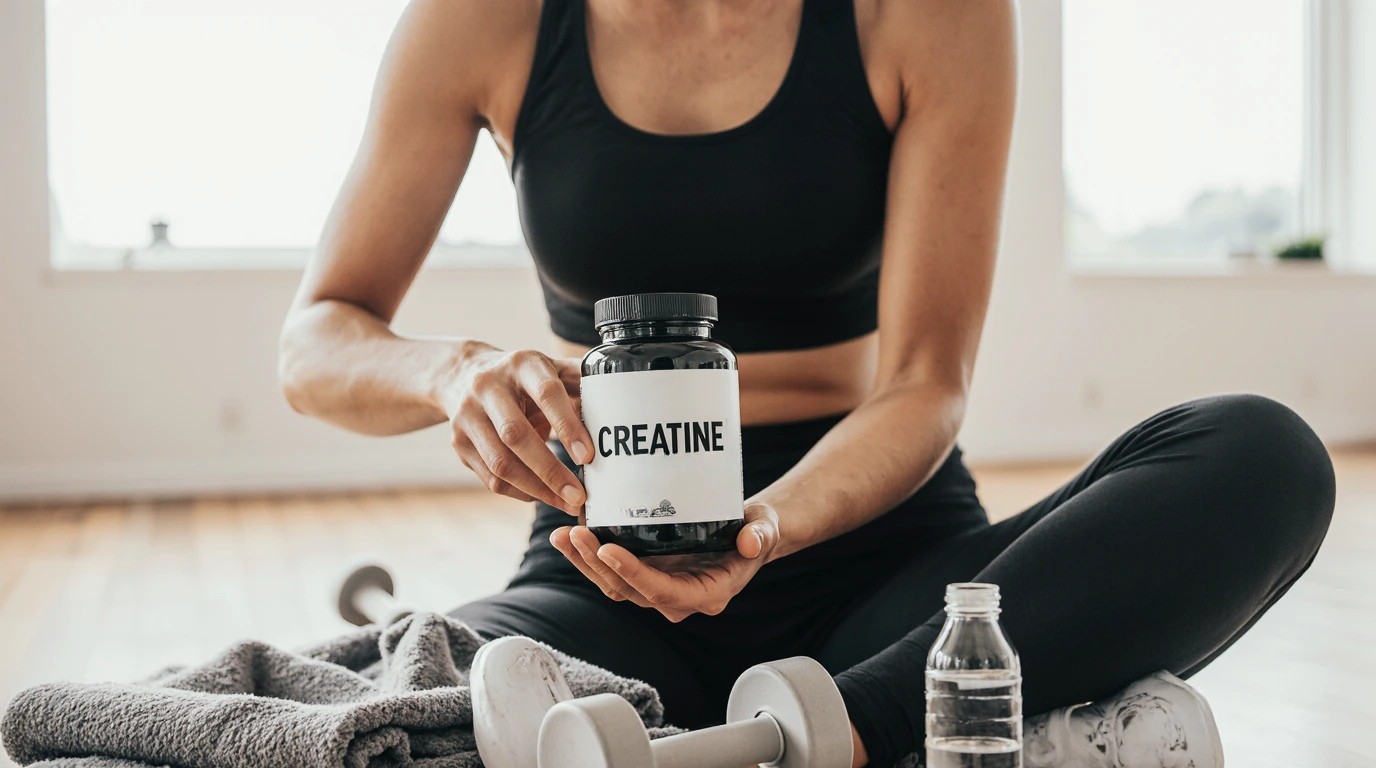
A woman in athletic wear sitting on a gym floor holding a black bottle of creatine, with a dumbbell and water bottle in the foreground.

If you're cutting calories and trying to lean out, creatine can be one of your best allies. Here's why it's worth keeping in your supplement stack even when fat loss is the goal.

  • First, creatine helps preserve lean muscle mass during a calorie deficit. When you're eating less, your body looks for energy wherever it can find it, and that includes breaking down muscle tissue. Resistance training combined with creatine supplementation sends a strong signal to your body that muscle is essential and shouldn't be sacrificed.

  • Second, it keeps your strength and performance up. Dieting can leave you feeling drained and weak, which makes it harder to train intensely. Creatine helps offset some of that fatigue, so you can continue hitting your workouts hard even when your energy intake is lower.

  • Third, creatine may improve recovery. When you're in a deficit, recovery can take longer. Creatine's role in ATP regeneration and its potential anti-inflammatory effects can help you bounce back faster between sessions, which means more consistent training and better long-term results.

  • Finally, building or maintaining muscle while losing fat leads to a better overall physique. You don't just want to be smaller, you want to be leaner, stronger, and more defined. Creatine helps you achieve that by supporting muscle retention and growth, even as the fat comes off.

In short, creatine won't make you lose weight faster on the scale, but it can help you lose fat while keeping your muscle, which is the real goal.

What the Research Says About Creatine and Body Composition

The scientific literature on creatine is robust, and while most studies focus on performance and muscle gain, several have explored its effects on body composition during weight loss or training.

Creatine and Lean Body Mass Gains

One key finding: creatine supplementation combined with resistance training consistently leads to greater increases in lean body mass compared to training alone. This holds true even when people are in a calorie deficit or trying to lose weight. Essentially, creatine helps you build or preserve muscle more effectively, which improves your body composition.

A review published in the Journal of the International Society of Sports Nutrition highlighted that creatine can enhance fat-free mass gains and strength improvements, particularly when paired with a structured training program.

Creatine and Resistance Training

It's also worth noting that creatine's effects on body composition are most pronounced when you're actually training. If you're sedentary and just taking creatine, you won't see much benefit. The magic happens when you combine supplementation with consistent, progressive resistance training.

Creatine and Fat Loss

Researchers have also found that creatine doesn't negatively affect fat loss. Some people worry that the water retention will somehow interfere with fat burning, but there's no evidence to support that. Your body continues to oxidize fat for energy just fine while you're supplementing with creatine.

Bottom line from the research: creatine won't directly cause fat loss, but it's a powerful tool for improving body composition when combined with proper training and nutrition.

Potential Drawbacks and Side Effects to Consider

Creatine is widely studied and generally well tolerated, but there are still a few considerations to keep in mind.

  • Initial water retention: Creatine commonly causes temporary water retention inside muscle cells. This won’t make you gain fat, but it can slightly mask muscle definition.

  • Digestive discomfort: Some people experience mild stomach upset, bloating, or cramps, especially when taking large doses at once.

  • Scale weight confusion: Creatine can cause the number on the scale to increase due to water and muscle, not fat.  

  • Not ideal for purely aesthetic short-term goals: If your primary goal is to look as lean as possible in the short term rather than improve performance or muscle retention, creatine may not align perfectly with that objective.

How to Use Creatine Effectively for Weight Loss Goals
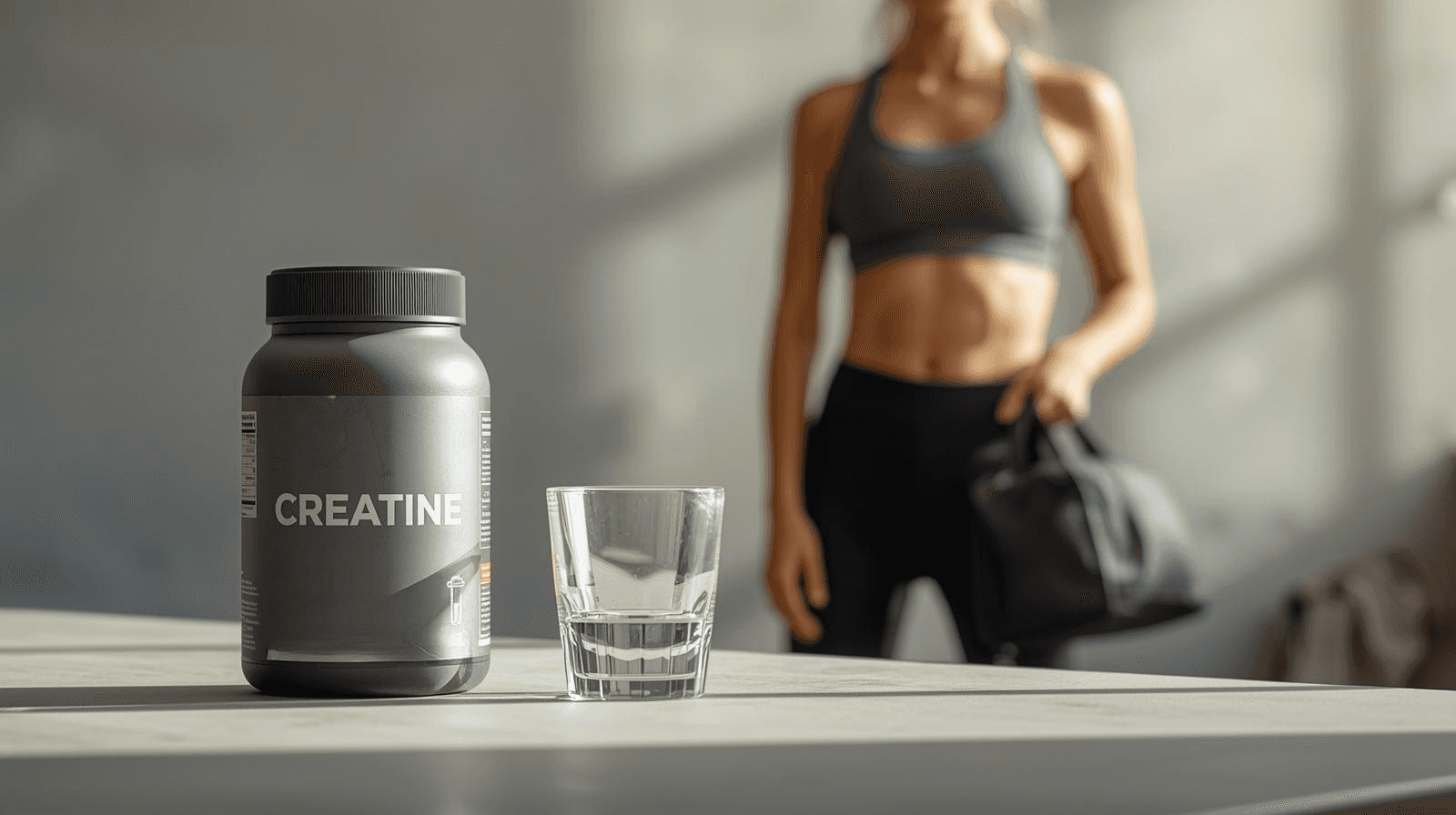
A bottle of creatine and a small glass of water sitting on a table, with a woman in gym clothes holding a bag blurred in the background.

If you've decided to add creatine to your weight loss plan, here's how to get the most out of it without unnecessary complications:

Recommended Dosage and Timing

  • Daily dose: Common supplemental protocols often use a consistent daily amount, and guidance can vary by individual.  

  • Loading phase: Some protocols include a short ‘loading’ period, while others skip it and still reach similar muscle creatine levels over time.

  • When to take it: For many people, consistent use tends to matter more than the exact time of day. Some suggest taking creatine post-workout with carbs and protein may slightly improve absorption, but the difference is small. The key is taking it every day, including rest days.

  • How to take it: People commonly take creatine powder mixed into a beverage, but preferences vary. It’s tasteless and generally dissolves well, though a bit of settling is normal.

If you have any medical conditions, take medications, or aren’t sure whether creatine is right for you, it’s best to check with a healthcare professional or qualified nutrition expert before starting.

Combining Creatine With Resistance Training and Nutrition

Creatine works best when it’s paired with a solid training and nutrition foundation.

  • Resistance Training: Focus on progressive resistance training (this can include weightlifting, bodyweight exercises, or any strength-focused workouts that challenge your muscles). Many strength programs use regular resistance training with progressive overload, and frequency can be adjusted to your experience and schedule.

  • Nutrition for Muscle and Fat Loss: To support muscle maintenance and recovery, make sure you’re getting enough protein. Protein needs can vary based on goals, body size, and training, and a registered dietitian can help personalize a target.

  • Hydration: Staying hydrated supports performance, recovery, and overall health. Staying well hydrated supports performance and recovery, and fluid needs vary with climate, activity level, and individual factors.

Key Takeaways

  • Creatine does not directly help you lose weight or burn fat, but it supports fat loss indirectly by improving workout performance and preserving lean muscle mass during a calorie deficit.

  • Taking creatine typically causes a 2-5 pound weight gain in the first week due to water retention in muscles, not fat gain, which is why the scale is a poor indicator of progress.

  • Combining creatine with resistance training helps you build or maintain muscle while losing fat, leading to improved body composition rather than just lower numbers on the scale.

FAQs

Does creatine lower belly fat?

No, creatine doesn't specifically target belly fat or any other area of fat. Spot reduction isn't possible through supplementation or exercise. But, by improving your workout performance and helping you build muscle, creatine can contribute to overall fat loss over time when combined with a calorie deficit and consistent training.  

Why am I losing weight on creatine?

If you're losing weight while taking creatine, it's likely due to your diet and training program, not the creatine itself. Creatine doesn't cause weight loss, it typically causes a small initial weight gain from water retention. But, if you're in a calorie deficit and training hard, you could be losing fat while maintaining or gaining muscle.  

How to tell if creatine is working?

You'll know creatine is working if you notice improvements in your training performance: more reps, heavier weights, better endurance during high-intensity efforts, and faster recovery between sets. You might also see a slight increase in body weight within the first week or two due to water retention in your muscles.  

Can you take creatine while cutting or in a calorie deficit?

Yes, creatine is highly beneficial during a calorie deficit. It helps preserve lean muscle mass, maintains strength and workout performance, and improves recovery when your body is under the stress of reduced calories and fat loss.

Will creatine make me look bloated when trying to get lean?

Creatine-related water shifts are often described as occurring within muscle tissue, but individual responses and appearance changes can vary. The slight water weight won't interfere with fat loss or long-term definition.


Adrienne Youdim thumbnail

Medical Field

Feb 7, 2019

How Dr. Youdim Uses InBody to Overcome the Challenges of Obesity

Disclaimer: InBody devices should be used as an adjunct for clinical decision making and are not intended to diagnose or treat any diseases.


Dr. Adrienne Youdim is a board-certified internal medicine physician and a nutrition specialist and an obesity medicine specialist. Her educational background makes her uniquely qualified to address different aspects of care at her practice.  Previously, Dr. Youdim was the director of the center for weight loss at a nationally ranked hospital in Los Angeles. For over 8 years she used InBody with patients at this facility. When she transitioned to her own private practice, InBody was one of her first purchases.

Her goal with the InBody was to give patients better goals to focus on than weight, monitor progression to body composition, and to use the Result Sheet as a teaching tool to inspire lifestyle changes.  

Building a Therapeutic Bond

Weight loss is a challenge for both the practitioner and the patient. The American Medical Association defines obesity as a chronic disease. Physicians recognize that there are many factors behind obesity including underlying medical conditions, genetics, and environment. But there still exists a stigma that obesity results from laziness and apathy. The negative feelings connected to an obesity diagnosis, like guilt and remorse, can be a barrier to both compliance and commitment.

To help them achieve their goals, Dr. Youdim tries to form a therapeutic relationship with every patient.

She counsels all the patients and addresses every aspect of their care herself. During visits, Dr. Youdim tries to allay her patient’s concerns and fears about treatment while managing expectations. She will dedicate a portion of each session on education and uses the InBody Result Sheet as one of her teaching tools. Dr.Youdim wants her patients to understand that their struggle with weight is physiologic and with the right treatment plan it can be treated.

“Having numbers you can rely on helps validate that obesity is not a failure of character, but it is a medical condition we can treat.”

When It Comes to Treatment, Data is King

For Dr. Youdim, consistent monitoring helps the practitioner stay on top of key metrics and it helps the patient trust the process. It is why InBody and the comprehensive Result Sheet it produces, was a great fit from the beginning.

“Using the InBody helps us achieve that weight loss goal and ensuring, to the best of our ability, that they are not losing muscle in the process. The InBody is a helpful tool for me as a clinician and as an educational piece for my patients.”

InBody helps her achieve her two objectives:

  1. Shift the patient’s focus from weight loss to fat loss and muscle maintenance.

  2. Monitor her patient’s weight loss to make sure they’re not losing too much muscle.

Dr. Youdim tests her patients on the InBody during the initial consultation and then every subsequent visit. The initial consultation will include an extensive overview of the result sheet. She will then revisit parts of the Result Sheet or its entirety during future visits.

For her, InBody testing is helpful to stay on top of trends and make timely adjustments.    

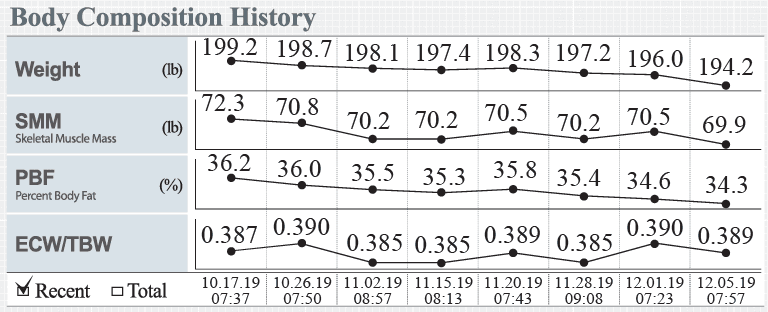
 “Over time, when we get enough measurements, we can see that trajectory whether they’re gaining muscle mass, which is rare in a weight loss program, but, more importantly, if they are losing muscle mass.

A feature that Dr. Youdim track on every visit is muscle mass and body fat. Her initial prescription for the patient will base their protein requirement off their lean body mass, which is often 2-3 times their lean mass. The purpose of the high protein requirement is to help maintain muscle.

During subsequent visits, she often finds that patients are not exercising enough or meeting those protein requirements. Tracking lean muscle mass is an objective way to show to patients why he or she needs to fulfill those requirements.

“You can provide the counseling to the patient as to how much activity they need or how much protein they need to consume, but that objective measurement of change in lean muscle mass, and therefore change in percent body fat, really helps to augment the message and the treatment plan.”

Teaching Patients to Be Kind to Themselves

A message that Dr. Youdim stresses to all her patients is that nobody is perfect all the time. Dietary compliance is a struggle for everybody, and emotions play a factor.  When her patients are falling short of their goals, it can be stressful. There’s often already frustration from past failures, and setbacks can lead to a patient giving up.

Dr. Youdim uses this opportunity as a teaching moment. She will compare a patient’s daily caloric intake to Basal Metabolic Rate (using this number to calculate Total Daily Energy Expenditure).

Together, Dr. Youdim and the patient can see what changes need to be made to the dietary restriction and then monitor body fat and lean body mass as a gauge of progress. These numbers can help simplify a difficult process.  Patients understand why they aren’t getting the results they want to see and they get a clear path forward.  

Wrapping it up

It’s almost a cliche to say at this point but obesity is a significant medical problem in the United States and around the world. The evidence is clear that weight management is key to preventing many chronic medical conditions that are on the rise.

To help reverse this epidemic, it will take empathetic health professionals like Dr. Youdim who can use a variety of different strategies and tools to help motivate their patients.

“My goal is to help individuals create lifestyle changes that will prevent disease and improve the quality of their life. When you give people objective information and data, they’re more likely to make changes based on the information.”

premise health screenshot

Medical Field

Dec 10, 2018

How a Physician is Using InBody to Inspire His Patients to Make Lifestyle Changes

Disclaimer: InBody devices should be used as an adjunct for clinical decision making and are not intended to diagnose or treat any diseases.

Dr. Anuruddh Kumar Misra is a board-certified physician specializing in internal medicine and sports medicine and is a medical director at Premise Health in San Francisco. He also serves as a consultant to MLB teams and has had previous experience working with the NFL.

As a medical student, Dr. Misra felt that there was too much focus on disease treatment instead of disease prevention. He wanted his practice to not only treat the sick but show them how to improve their health through lifestyle changes. That is why he decided to take on a subspecialty of Sports Medicine after his residency in Internal medicine. During his sports medicine fellowship, Dr. Misra gained expertise in exercise physiology, nutritional dietary practices, and exercise prescription.

Today at Premise Health San Francisco, he uses his well-rounded knowledge base to optimize the health of his patients. InBody has helped Dr. Misra elevate the patient visit by allowing him to give objective, instant feedback , and personalized recommendations. Patients leave his clinic feeling empowered and motivated to improve their health.    

Sparking an Honest Conversation About Health

“How do I optimize an individual’s baseline of health?”

That’s the question Dr. Misra runs through before each appointment with a patient. In his San Francisco practice, Dr. Misra wants to go beyond reactive medicine and practice preventative healthcare. With his expertise in fitness, nutrition, and internal medicine, Dr. Misra is uniquely qualified to provide his patients with a comprehensive course of action that will improve their lives. The first step in that process is to begin an honest conversation about health.  

The problem is that most patients don’t visit a doctor unless there is something wrong. Patients don’t treat their primary care provider as a source for preventive care.  

One issue in a traditional preventive health exam, which should be a great way to build a relationship with your doctor, is that a lack of immediate significant feedback exists.

During a typical exam, a doctor may order a variety of blood tests and other screenings, check your vitals, and calculate your BMI. The blood tests and screenings require repeated visits– time that many working adults and students don’t have. If you don’t a need for these tests, the only information you may get from your visit is your BMI.

For a patient who is overweight or obese, BMI is not going to reveal anything new. On the flip side, patients have both a normal weight and BMI may have hidden health risks such as excess visceral fat, increased risk of cardiovascular disease, and more due to BMI’s inability to distinguish between muscle and fat.

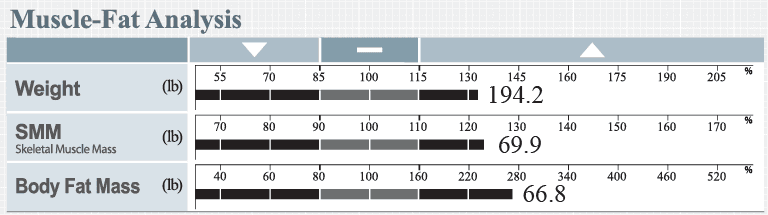
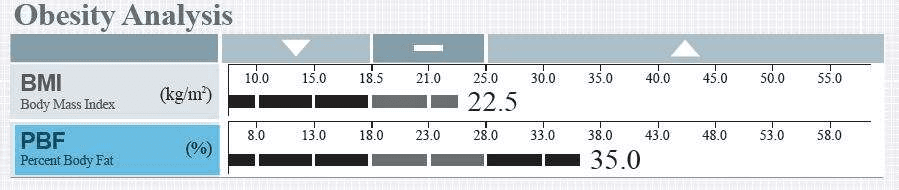
InBody Result Sheet displays an individual with a normal BMI of 22.5 but an elevated body fat percentage of 35%

Instead of relying on BMI to direct patient health, Dr. Misra wanted to incorporate body composition analysis to relay relevant health information and guidance his patients otherwise wouldn’t have access to: muscle mass measurements, body fat percentage, basal metabolic rate, and body water analysis. On the advice of a trusted colleague, he decided to try InBody. The overwhelming response from his patients became an “a-ha” moment and confirmed that

Dr. Misra and his staff decided to invite patients to try the InBody device as part of a wellness challenge. The response was incredibly encouraging. As the team was testing and interpreting results for the high volume of patients, it became obvious to him that he was making a difference in these patients’ health because InBody documented the actual health improvements patients were making.

After an InBody Test and consultation, a patient leaves Dr. Misra’s clinic with a detailed assessment of their health standing, specific areas to work on, and personalized recommendations on how to improve.  

In an area like downtown San Francisco, where people have come to expect cutting-edge technology and innovation, InBody is a tool that helps his clinic go the extra mile to guide and improve the health of his patients.

“It’s very fast. It’s non-invasive … and it gives you very specific data points where you can immediately give feedback to people about what they need to pay attention to. [InBody] is something I find ideal as I have a high-volume, busy practice.”

Using Body Composition Analysis to Combat Insulin Resistance

Today, Dr. Misra has patients who look forward to their InBody results. They feel comfortable admitting “Doc, I haven’t been that good over the last three or four months. I know this isn’t gonna look good. But I gotta know where I’m really at.”

Dr. Misra uses the InBody Result sheet to give very refined, targeted recommendations based on different data points. He finds that most of his patients can benefit from at least one of three interventions: modifying their baseline nutrition, improving their exercise prescription, and optimizing their metabolic profile with intermittent fasting. Each intervention requires a lot of dedication from the patient, but body composition analysis helps Dr. Misra motivate them to follow his protocol.

“Someone may not be too keen on fasting. They may not like lifting weights. They may not want to change their diet. But if I’m able to motivate them based on InBody results, and the plethora of other medical data points I have, now I’ll get them doing what they wanted to achieve and that is very powerful.”

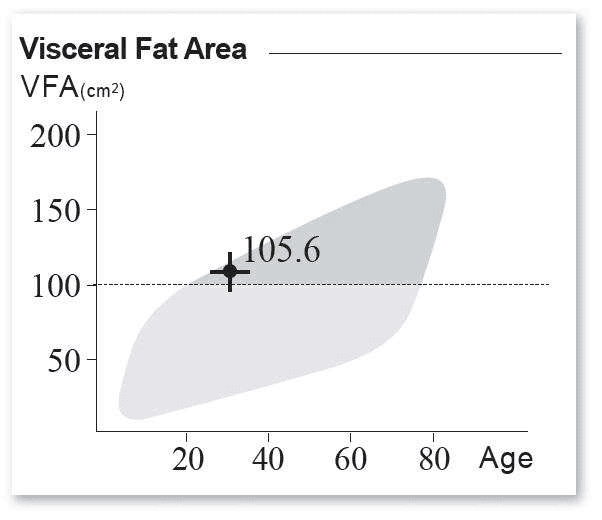
The section of the result sheet that Dr. Misra find the most actionable is the visceral fat score, which has a direct correlation to “insulin resistance”, a precursor to prediabetes. The higher the score the higher the risk of developing insulin resistance.

A Visceral Fat Score over 10 cm² increases an individual’s risk for developing metabolic disorders.

When Dr. Misra sees a patient with an elevated score, his first course of action is to learn what their dietary practices are. What do they eat? How often do they eat?

In many patient cases, Dr. Misra likes to recommend monitored intermittent fasting because he believes that intermittent fasting is the single, most powerful therapeutic metabolic intervention a physician can do for a patient.

In between lab work, Dr.Misra will also test his patients on the InBody to track and monitor progress while they are on this program.  

“I don’t need to keep on checking labs on people if I can document progress in a different way. If I’m able to show a progressive decrease in the visceral fat score over the course of three to six months I am even able to reduce their lab draws. InBody becomes a great tool to give patient feedback and it helps the practitioner optimize their patient’s internal medicine issues”.

InBody has been a helpful tool to show patients that they aren’t necessarily stuck on a path that will end in medication. Patients can see the work they put in to improve their body composition translates to real health benefits.

“We’re taught in medical school and in post-doctoral education that diabetes is pretty much a one-way street. You’re a diabetic. It’s a life sentence and you’re gonna be on medication for life.  That just not the case.”

Through program design and careful monitoring, Dr. Misra has even been able to successfully liberate patients from their insulin medication. InBody plays a critical role in that process, acting as a patient’s GPS as they follow Dr. Misra’s roadmap for a healthier life.    

Building Trust and Improving Patient Care

Technology can help enhance patient care, but trust in a patient-doctor relationship remains one of the most important factors for an effective treatment plan. One study found that nearly two-thirds of patients with high levels of trust follow their doctor’s treatment plan.

The tools a doctor uses must be fundamentally reliable because trust itself is a non-negotiable entity. Dr. Misra trusts the InBody to monitor his own health, so he confidently recommends it to his patients. I say, “Look, I check this about once a month to keep track of my personal goals and fitness things that I have in mind, and I encourage you to do it too.”  

At the end of the day, it is up to the patient to take control and be accountable for their health. However, because of knowledge gaps, a patient may be too scared to bother the doctor with follow-up questions. Dr. Misra has found that starting a conversation around body composition – losing body fat and gaining muscle- is something that is relatable, helps build that conversation, and makes a patient a partner in being responsible for their lifestyle choices. When a patient is motivated to take responsibility and make changes, the rewards are endless.  

“It saves the patient from morbidity. It saves them money. It saves them time. It reduces their cost to their insurance plan. It reduces the cost to their employer. I mean it’s a universal win where the most important stakeholder – the patient – is the one who benefits the most.”

A white jar of creatine supplement sitting next to a glass of water on a table, with a muscular person blurred in the background.

Health

Feb 19, 2026

Does Creatine Help You Lose Weight? Fat Loss, Muscle Gain, or Just Water Weight?

Creatine is a naturally occurring compound found in muscle cells that helps produce quick energy during high-intensity exercise. It’s commonly used to improve strength, power, and workout performance. Because creatine affects body weight and muscle mass, many people wonder whether it can also support weight loss or if it simply leads to weight gain.

The answer isn't a simple yes or no, it depends on how you define "weight loss" and what you're really after. While creatine won't directly melt away fat, it can play a surprisingly supportive role in your body composition journey. Let's dig into what creatine does, how it affects your body, and whether it deserves a spot in your weight loss regimen.

What Is Creatine and How Does It Work?

A white jar of creatine supplement sitting next to a glass of water on a table, with a muscular person blurred in the background.

Creatine is a naturally occurring compound made from three amino acids: arginine, glycine, and methionine. It is produced in the liver, kidneys, and pancreas, and stored mainly in skeletal muscle. Small amounts of creatine are also obtained from foods like red meat and fish, while supplements provide a concentrated dose.

Creatine helps produce adenosine triphosphate (ATP), which is essentially your muscles' primary energy currency. When you're lifting weights, sprinting, or doing any high-intensity activity, your muscles burn through ATP quickly. Creatine phosphate steps in to rapidly regenerate ATP, giving you that extra burst of power and endurance during short, intense efforts.

When you supplement with creatine, you're essentially topping off your muscle stores (called phosphocreatine), which allows you to push harder during workouts, squeeze out extra reps, and recover faster between sets. This enhanced performance can lead to greater training adaptations over time, more muscle, more strength, and potentially better body composition.

Does Creatine Help You Lose Weight?

The short answer: not directly. Creatine isn't a fat burner, and it won't speed up your metabolism or increase calorie expenditure on its own. But that doesn't mean it's useless for weight loss, far from it.

Does Creatine Directly Burn Fat?

Creatine is mainly known for supporting short, high-intensity performance rather than acting as a direct fat-loss supplement. If you're looking for a supplement that directly torches body fat, creatine isn't it.

That said, the scale isn't the whole story. Fat loss and weight loss aren't always the same thing, and this is where creatine starts to get interesting.

How Creatine May Support Fat Loss Indirectly

While creatine doesn't burn fat directly, it can create conditions that support fat loss over time. The main mechanism is through improved workout performance. When you can lift heavier, train harder, and recover better, you're building and preserving lean muscle mass, and muscle is metabolically active tissue. The more muscle you have, the more calories you burn at rest.

Creatine also helps you maintain strength during a calorie deficit, which is critical. When you're cutting calories to lose fat, your body often sacrifices muscle along with fat. Hence, creatine helps you hold onto that hard-earned muscle, which keeps your metabolism humming and your physique looking lean and toned.

So while creatine won't show up on a list of "fat-burning supplements," it's a powerful tool for improving body composition, losing fat while maintaining or even gaining muscle. And honestly, that's what most people really want when they say they want to "lose weight."

Why Creatine Causes Weight Gain (And Why That's Not Always Bad)

Here's where things can get confusing. Some people notice a small, temporary increase on the scale when starting creatine, often related to water shifts in muscle tissue. Before you panic and toss the tub in the trash, let's talk about why this happens:

Water Retention vs. Fat Gain

Creatine pulls water into your muscle cells. This is called intracellular water retention, and it's actually a good thing. It contributes to that fuller, more pumped look your muscles get, and it may even play a role in muscle growth signaling.

This water weight is not fat gain. You're not getting softer or fluffier, you're just holding more fluid inside your muscles. Your muscle cells are essentially becoming better hydrated, which can improve performance and recovery.

The challenge is that most people step on the scale, see it creep up, and immediately think they're moving in the wrong direction. But if your goal is fat loss and improved body composition, the scale is a poor judge. You could be losing fat and gaining muscle simultaneously, and the scale might not budge, or it might even go up.

Body composition tools are especially useful, as they separate fat mass, lean muscle, and water weight instead of relying on total body weight alone. If you're tracking progress during weight loss, rely on measurements, progress photos, how your clothes fit, and how you look in the mirror. These are far better indicators of true fat loss than the number on the scale, especially when you're using creatine.

So yes, creatine will probably make you "gain weight" initially, but it's water weight in your muscles, not body fat. And that temporary bump on the scale is a small price to pay for the performance and body composition benefits you'll get in return.

Benefits of Taking Creatine During Weight Loss

A woman in athletic wear sitting on a gym floor holding a black bottle of creatine, with a dumbbell and water bottle in the foreground.

If you're cutting calories and trying to lean out, creatine can be one of your best allies. Here's why it's worth keeping in your supplement stack even when fat loss is the goal.

  • First, creatine helps preserve lean muscle mass during a calorie deficit. When you're eating less, your body looks for energy wherever it can find it, and that includes breaking down muscle tissue. Resistance training combined with creatine supplementation sends a strong signal to your body that muscle is essential and shouldn't be sacrificed.

  • Second, it keeps your strength and performance up. Dieting can leave you feeling drained and weak, which makes it harder to train intensely. Creatine helps offset some of that fatigue, so you can continue hitting your workouts hard even when your energy intake is lower.

  • Third, creatine may improve recovery. When you're in a deficit, recovery can take longer. Creatine's role in ATP regeneration and its potential anti-inflammatory effects can help you bounce back faster between sessions, which means more consistent training and better long-term results.

  • Finally, building or maintaining muscle while losing fat leads to a better overall physique. You don't just want to be smaller, you want to be leaner, stronger, and more defined. Creatine helps you achieve that by supporting muscle retention and growth, even as the fat comes off.

In short, creatine won't make you lose weight faster on the scale, but it can help you lose fat while keeping your muscle, which is the real goal.

What the Research Says About Creatine and Body Composition

The scientific literature on creatine is robust, and while most studies focus on performance and muscle gain, several have explored its effects on body composition during weight loss or training.

Creatine and Lean Body Mass Gains

One key finding: creatine supplementation combined with resistance training consistently leads to greater increases in lean body mass compared to training alone. This holds true even when people are in a calorie deficit or trying to lose weight. Essentially, creatine helps you build or preserve muscle more effectively, which improves your body composition.

A review published in the Journal of the International Society of Sports Nutrition highlighted that creatine can enhance fat-free mass gains and strength improvements, particularly when paired with a structured training program.

Creatine and Resistance Training

It's also worth noting that creatine's effects on body composition are most pronounced when you're actually training. If you're sedentary and just taking creatine, you won't see much benefit. The magic happens when you combine supplementation with consistent, progressive resistance training.

Creatine and Fat Loss

Researchers have also found that creatine doesn't negatively affect fat loss. Some people worry that the water retention will somehow interfere with fat burning, but there's no evidence to support that. Your body continues to oxidize fat for energy just fine while you're supplementing with creatine.

Bottom line from the research: creatine won't directly cause fat loss, but it's a powerful tool for improving body composition when combined with proper training and nutrition.

Potential Drawbacks and Side Effects to Consider

Creatine is widely studied and generally well tolerated, but there are still a few considerations to keep in mind.

  • Initial water retention: Creatine commonly causes temporary water retention inside muscle cells. This won’t make you gain fat, but it can slightly mask muscle definition.

  • Digestive discomfort: Some people experience mild stomach upset, bloating, or cramps, especially when taking large doses at once.

  • Scale weight confusion: Creatine can cause the number on the scale to increase due to water and muscle, not fat.  

  • Not ideal for purely aesthetic short-term goals: If your primary goal is to look as lean as possible in the short term rather than improve performance or muscle retention, creatine may not align perfectly with that objective.

How to Use Creatine Effectively for Weight Loss Goals

A bottle of creatine and a small glass of water sitting on a table, with a woman in gym clothes holding a bag blurred in the background.

If you've decided to add creatine to your weight loss plan, here's how to get the most out of it without unnecessary complications:

Recommended Dosage and Timing

  • Daily dose: Common supplemental protocols often use a consistent daily amount, and guidance can vary by individual.  

  • Loading phase: Some protocols include a short ‘loading’ period, while others skip it and still reach similar muscle creatine levels over time.

  • When to take it: For many people, consistent use tends to matter more than the exact time of day. Some suggest taking creatine post-workout with carbs and protein may slightly improve absorption, but the difference is small. The key is taking it every day, including rest days.

  • How to take it: People commonly take creatine powder mixed into a beverage, but preferences vary. It’s tasteless and generally dissolves well, though a bit of settling is normal.

If you have any medical conditions, take medications, or aren’t sure whether creatine is right for you, it’s best to check with a healthcare professional or qualified nutrition expert before starting.

Combining Creatine With Resistance Training and Nutrition

Creatine works best when it’s paired with a solid training and nutrition foundation.

  • Resistance Training: Focus on progressive resistance training (this can include weightlifting, bodyweight exercises, or any strength-focused workouts that challenge your muscles). Many strength programs use regular resistance training with progressive overload, and frequency can be adjusted to your experience and schedule.

  • Nutrition for Muscle and Fat Loss: To support muscle maintenance and recovery, make sure you’re getting enough protein. Protein needs can vary based on goals, body size, and training, and a registered dietitian can help personalize a target.

  • Hydration: Staying hydrated supports performance, recovery, and overall health. Staying well hydrated supports performance and recovery, and fluid needs vary with climate, activity level, and individual factors.

Key Takeaways

  • Creatine does not directly help you lose weight or burn fat, but it supports fat loss indirectly by improving workout performance and preserving lean muscle mass during a calorie deficit.

  • Taking creatine typically causes a 2-5 pound weight gain in the first week due to water retention in muscles, not fat gain, which is why the scale is a poor indicator of progress.

  • Combining creatine with resistance training helps you build or maintain muscle while losing fat, leading to improved body composition rather than just lower numbers on the scale.

FAQs

Does creatine lower belly fat?

No, creatine doesn't specifically target belly fat or any other area of fat. Spot reduction isn't possible through supplementation or exercise. But, by improving your workout performance and helping you build muscle, creatine can contribute to overall fat loss over time when combined with a calorie deficit and consistent training.  

Why am I losing weight on creatine?

If you're losing weight while taking creatine, it's likely due to your diet and training program, not the creatine itself. Creatine doesn't cause weight loss, it typically causes a small initial weight gain from water retention. But, if you're in a calorie deficit and training hard, you could be losing fat while maintaining or gaining muscle.  

How to tell if creatine is working?

You'll know creatine is working if you notice improvements in your training performance: more reps, heavier weights, better endurance during high-intensity efforts, and faster recovery between sets. You might also see a slight increase in body weight within the first week or two due to water retention in your muscles.  

Can you take creatine while cutting or in a calorie deficit?

Yes, creatine is highly beneficial during a calorie deficit. It helps preserve lean muscle mass, maintains strength and workout performance, and improves recovery when your body is under the stress of reduced calories and fat loss.

Will creatine make me look bloated when trying to get lean?

Creatine-related water shifts are often described as occurring within muscle tissue, but individual responses and appearance changes can vary. The slight water weight won't interfere with fat loss or long-term definition.
Adrienne Youdim thumbnail

Medical Field

Feb 7, 2019

How Dr. Youdim Uses InBody to Overcome the Challenges of Obesity

Disclaimer: InBody devices should be used as an adjunct for clinical decision making and are not intended to diagnose or treat any diseases.


Dr. Adrienne Youdim is a board-certified internal medicine physician and a nutrition specialist and an obesity medicine specialist. Her educational background makes her uniquely qualified to address different aspects of care at her practice.  Previously, Dr. Youdim was the director of the center for weight loss at a nationally ranked hospital in Los Angeles. For over 8 years she used InBody with patients at this facility. When she transitioned to her own private practice, InBody was one of her first purchases.

Her goal with the InBody was to give patients better goals to focus on than weight, monitor progression to body composition, and to use the Result Sheet as a teaching tool to inspire lifestyle changes.  

Building a Therapeutic Bond

Weight loss is a challenge for both the practitioner and the patient. The American Medical Association defines obesity as a chronic disease. Physicians recognize that there are many factors behind obesity including underlying medical conditions, genetics, and environment. But there still exists a stigma that obesity results from laziness and apathy. The negative feelings connected to an obesity diagnosis, like guilt and remorse, can be a barrier to both compliance and commitment.

To help them achieve their goals, Dr. Youdim tries to form a therapeutic relationship with every patient.

She counsels all the patients and addresses every aspect of their care herself. During visits, Dr. Youdim tries to allay her patient’s concerns and fears about treatment while managing expectations. She will dedicate a portion of each session on education and uses the InBody Result Sheet as one of her teaching tools. Dr.Youdim wants her patients to understand that their struggle with weight is physiologic and with the right treatment plan it can be treated.

“Having numbers you can rely on helps validate that obesity is not a failure of character, but it is a medical condition we can treat.”

When It Comes to Treatment, Data is King

For Dr. Youdim, consistent monitoring helps the practitioner stay on top of key metrics and it helps the patient trust the process. It is why InBody and the comprehensive Result Sheet it produces, was a great fit from the beginning.

“Using the InBody helps us achieve that weight loss goal and ensuring, to the best of our ability, that they are not losing muscle in the process. The InBody is a helpful tool for me as a clinician and as an educational piece for my patients.”

InBody helps her achieve her two objectives:

  1. Shift the patient’s focus from weight loss to fat loss and muscle maintenance.

  2. Monitor her patient’s weight loss to make sure they’re not losing too much muscle.

Dr. Youdim tests her patients on the InBody during the initial consultation and then every subsequent visit. The initial consultation will include an extensive overview of the result sheet. She will then revisit parts of the Result Sheet or its entirety during future visits.

For her, InBody testing is helpful to stay on top of trends and make timely adjustments.    

 “Over time, when we get enough measurements, we can see that trajectory whether they’re gaining muscle mass, which is rare in a weight loss program, but, more importantly, if they are losing muscle mass.

A feature that Dr. Youdim track on every visit is muscle mass and body fat. Her initial prescription for the patient will base their protein requirement off their lean body mass, which is often 2-3 times their lean mass. The purpose of the high protein requirement is to help maintain muscle.

During subsequent visits, she often finds that patients are not exercising enough or meeting those protein requirements. Tracking lean muscle mass is an objective way to show to patients why he or she needs to fulfill those requirements.

“You can provide the counseling to the patient as to how much activity they need or how much protein they need to consume, but that objective measurement of change in lean muscle mass, and therefore change in percent body fat, really helps to augment the message and the treatment plan.”

Teaching Patients to Be Kind to Themselves

A message that Dr. Youdim stresses to all her patients is that nobody is perfect all the time. Dietary compliance is a struggle for everybody, and emotions play a factor.  When her patients are falling short of their goals, it can be stressful. There’s often already frustration from past failures, and setbacks can lead to a patient giving up.

Dr. Youdim uses this opportunity as a teaching moment. She will compare a patient’s daily caloric intake to Basal Metabolic Rate (using this number to calculate Total Daily Energy Expenditure).

Together, Dr. Youdim and the patient can see what changes need to be made to the dietary restriction and then monitor body fat and lean body mass as a gauge of progress. These numbers can help simplify a difficult process.  Patients understand why they aren’t getting the results they want to see and they get a clear path forward.  

Wrapping it up

It’s almost a cliche to say at this point but obesity is a significant medical problem in the United States and around the world. The evidence is clear that weight management is key to preventing many chronic medical conditions that are on the rise.

To help reverse this epidemic, it will take empathetic health professionals like Dr. Youdim who can use a variety of different strategies and tools to help motivate their patients.

“My goal is to help individuals create lifestyle changes that will prevent disease and improve the quality of their life. When you give people objective information and data, they’re more likely to make changes based on the information.”

premise health screenshot

Medical Field

Dec 10, 2018

How a Physician is Using InBody to Inspire His Patients to Make Lifestyle Changes

Disclaimer: InBody devices should be used as an adjunct for clinical decision making and are not intended to diagnose or treat any diseases.

Dr. Anuruddh Kumar Misra is a board-certified physician specializing in internal medicine and sports medicine and is a medical director at Premise Health in San Francisco. He also serves as a consultant to MLB teams and has had previous experience working with the NFL.

As a medical student, Dr. Misra felt that there was too much focus on disease treatment instead of disease prevention. He wanted his practice to not only treat the sick but show them how to improve their health through lifestyle changes. That is why he decided to take on a subspecialty of Sports Medicine after his residency in Internal medicine. During his sports medicine fellowship, Dr. Misra gained expertise in exercise physiology, nutritional dietary practices, and exercise prescription.

Today at Premise Health San Francisco, he uses his well-rounded knowledge base to optimize the health of his patients. InBody has helped Dr. Misra elevate the patient visit by allowing him to give objective, instant feedback , and personalized recommendations. Patients leave his clinic feeling empowered and motivated to improve their health.    

Sparking an Honest Conversation About Health

“How do I optimize an individual’s baseline of health?”

That’s the question Dr. Misra runs through before each appointment with a patient. In his San Francisco practice, Dr. Misra wants to go beyond reactive medicine and practice preventative healthcare. With his expertise in fitness, nutrition, and internal medicine, Dr. Misra is uniquely qualified to provide his patients with a comprehensive course of action that will improve their lives. The first step in that process is to begin an honest conversation about health.  

The problem is that most patients don’t visit a doctor unless there is something wrong. Patients don’t treat their primary care provider as a source for preventive care.  

One issue in a traditional preventive health exam, which should be a great way to build a relationship with your doctor, is that a lack of immediate significant feedback exists.

During a typical exam, a doctor may order a variety of blood tests and other screenings, check your vitals, and calculate your BMI. The blood tests and screenings require repeated visits– time that many working adults and students don’t have. If you don’t a need for these tests, the only information you may get from your visit is your BMI.

For a patient who is overweight or obese, BMI is not going to reveal anything new. On the flip side, patients have both a normal weight and BMI may have hidden health risks such as excess visceral fat, increased risk of cardiovascular disease, and more due to BMI’s inability to distinguish between muscle and fat.

InBody Result Sheet displays an individual with a normal BMI of 22.5 but an elevated body fat percentage of 35%

Instead of relying on BMI to direct patient health, Dr. Misra wanted to incorporate body composition analysis to relay relevant health information and guidance his patients otherwise wouldn’t have access to: muscle mass measurements, body fat percentage, basal metabolic rate, and body water analysis. On the advice of a trusted colleague, he decided to try InBody. The overwhelming response from his patients became an “a-ha” moment and confirmed that

Dr. Misra and his staff decided to invite patients to try the InBody device as part of a wellness challenge. The response was incredibly encouraging. As the team was testing and interpreting results for the high volume of patients, it became obvious to him that he was making a difference in these patients’ health because InBody documented the actual health improvements patients were making.

After an InBody Test and consultation, a patient leaves Dr. Misra’s clinic with a detailed assessment of their health standing, specific areas to work on, and personalized recommendations on how to improve.  

In an area like downtown San Francisco, where people have come to expect cutting-edge technology and innovation, InBody is a tool that helps his clinic go the extra mile to guide and improve the health of his patients.

“It’s very fast. It’s non-invasive … and it gives you very specific data points where you can immediately give feedback to people about what they need to pay attention to. [InBody] is something I find ideal as I have a high-volume, busy practice.”

Using Body Composition Analysis to Combat Insulin Resistance

Today, Dr. Misra has patients who look forward to their InBody results. They feel comfortable admitting “Doc, I haven’t been that good over the last three or four months. I know this isn’t gonna look good. But I gotta know where I’m really at.”

Dr. Misra uses the InBody Result sheet to give very refined, targeted recommendations based on different data points. He finds that most of his patients can benefit from at least one of three interventions: modifying their baseline nutrition, improving their exercise prescription, and optimizing their metabolic profile with intermittent fasting. Each intervention requires a lot of dedication from the patient, but body composition analysis helps Dr. Misra motivate them to follow his protocol.

“Someone may not be too keen on fasting. They may not like lifting weights. They may not want to change their diet. But if I’m able to motivate them based on InBody results, and the plethora of other medical data points I have, now I’ll get them doing what they wanted to achieve and that is very powerful.”

The section of the result sheet that Dr. Misra find the most actionable is the visceral fat score, which has a direct correlation to “insulin resistance”, a precursor to prediabetes. The higher the score the higher the risk of developing insulin resistance.

A Visceral Fat Score over 10 cm² increases an individual’s risk for developing metabolic disorders.

When Dr. Misra sees a patient with an elevated score, his first course of action is to learn what their dietary practices are. What do they eat? How often do they eat?

In many patient cases, Dr. Misra likes to recommend monitored intermittent fasting because he believes that intermittent fasting is the single, most powerful therapeutic metabolic intervention a physician can do for a patient.

In between lab work, Dr.Misra will also test his patients on the InBody to track and monitor progress while they are on this program.  

“I don’t need to keep on checking labs on people if I can document progress in a different way. If I’m able to show a progressive decrease in the visceral fat score over the course of three to six months I am even able to reduce their lab draws. InBody becomes a great tool to give patient feedback and it helps the practitioner optimize their patient’s internal medicine issues”.

InBody has been a helpful tool to show patients that they aren’t necessarily stuck on a path that will end in medication. Patients can see the work they put in to improve their body composition translates to real health benefits.

“We’re taught in medical school and in post-doctoral education that diabetes is pretty much a one-way street. You’re a diabetic. It’s a life sentence and you’re gonna be on medication for life.  That just not the case.”

Through program design and careful monitoring, Dr. Misra has even been able to successfully liberate patients from their insulin medication. InBody plays a critical role in that process, acting as a patient’s GPS as they follow Dr. Misra’s roadmap for a healthier life.    

Building Trust and Improving Patient Care

Technology can help enhance patient care, but trust in a patient-doctor relationship remains one of the most important factors for an effective treatment plan. One study found that nearly two-thirds of patients with high levels of trust follow their doctor’s treatment plan.

The tools a doctor uses must be fundamentally reliable because trust itself is a non-negotiable entity. Dr. Misra trusts the InBody to monitor his own health, so he confidently recommends it to his patients. I say, “Look, I check this about once a month to keep track of my personal goals and fitness things that I have in mind, and I encourage you to do it too.”  

At the end of the day, it is up to the patient to take control and be accountable for their health. However, because of knowledge gaps, a patient may be too scared to bother the doctor with follow-up questions. Dr. Misra has found that starting a conversation around body composition – losing body fat and gaining muscle- is something that is relatable, helps build that conversation, and makes a patient a partner in being responsible for their lifestyle choices. When a patient is motivated to take responsibility and make changes, the rewards are endless.  

“It saves the patient from morbidity. It saves them money. It saves them time. It reduces their cost to their insurance plan. It reduces the cost to their employer. I mean it’s a universal win where the most important stakeholder – the patient – is the one who benefits the most.”

A white jar of creatine supplement sitting next to a glass of water on a table, with a muscular person blurred in the background.

Health

Feb 19, 2026

Does Creatine Help You Lose Weight? Fat Loss, Muscle Gain, or Just Water Weight?

Creatine is a naturally occurring compound found in muscle cells that helps produce quick energy during high-intensity exercise. It’s commonly used to improve strength, power, and workout performance. Because creatine affects body weight and muscle mass, many people wonder whether it can also support weight loss or if it simply leads to weight gain.

The answer isn't a simple yes or no, it depends on how you define "weight loss" and what you're really after. While creatine won't directly melt away fat, it can play a surprisingly supportive role in your body composition journey. Let's dig into what creatine does, how it affects your body, and whether it deserves a spot in your weight loss regimen.

What Is Creatine and How Does It Work?

A white jar of creatine supplement sitting next to a glass of water on a table, with a muscular person blurred in the background.

Creatine is a naturally occurring compound made from three amino acids: arginine, glycine, and methionine. It is produced in the liver, kidneys, and pancreas, and stored mainly in skeletal muscle. Small amounts of creatine are also obtained from foods like red meat and fish, while supplements provide a concentrated dose.

Creatine helps produce adenosine triphosphate (ATP), which is essentially your muscles' primary energy currency. When you're lifting weights, sprinting, or doing any high-intensity activity, your muscles burn through ATP quickly. Creatine phosphate steps in to rapidly regenerate ATP, giving you that extra burst of power and endurance during short, intense efforts.

When you supplement with creatine, you're essentially topping off your muscle stores (called phosphocreatine), which allows you to push harder during workouts, squeeze out extra reps, and recover faster between sets. This enhanced performance can lead to greater training adaptations over time, more muscle, more strength, and potentially better body composition.

Does Creatine Help You Lose Weight?

The short answer: not directly. Creatine isn't a fat burner, and it won't speed up your metabolism or increase calorie expenditure on its own. But that doesn't mean it's useless for weight loss, far from it.

Does Creatine Directly Burn Fat?

Creatine is mainly known for supporting short, high-intensity performance rather than acting as a direct fat-loss supplement. If you're looking for a supplement that directly torches body fat, creatine isn't it.

That said, the scale isn't the whole story. Fat loss and weight loss aren't always the same thing, and this is where creatine starts to get interesting.

How Creatine May Support Fat Loss Indirectly

While creatine doesn't burn fat directly, it can create conditions that support fat loss over time. The main mechanism is through improved workout performance. When you can lift heavier, train harder, and recover better, you're building and preserving lean muscle mass, and muscle is metabolically active tissue. The more muscle you have, the more calories you burn at rest.

Creatine also helps you maintain strength during a calorie deficit, which is critical. When you're cutting calories to lose fat, your body often sacrifices muscle along with fat. Hence, creatine helps you hold onto that hard-earned muscle, which keeps your metabolism humming and your physique looking lean and toned.

So while creatine won't show up on a list of "fat-burning supplements," it's a powerful tool for improving body composition, losing fat while maintaining or even gaining muscle. And honestly, that's what most people really want when they say they want to "lose weight."

Why Creatine Causes Weight Gain (And Why That's Not Always Bad)

Here's where things can get confusing. Some people notice a small, temporary increase on the scale when starting creatine, often related to water shifts in muscle tissue. Before you panic and toss the tub in the trash, let's talk about why this happens:

Water Retention vs. Fat Gain

Creatine pulls water into your muscle cells. This is called intracellular water retention, and it's actually a good thing. It contributes to that fuller, more pumped look your muscles get, and it may even play a role in muscle growth signaling.

This water weight is not fat gain. You're not getting softer or fluffier, you're just holding more fluid inside your muscles. Your muscle cells are essentially becoming better hydrated, which can improve performance and recovery.

The challenge is that most people step on the scale, see it creep up, and immediately think they're moving in the wrong direction. But if your goal is fat loss and improved body composition, the scale is a poor judge. You could be losing fat and gaining muscle simultaneously, and the scale might not budge, or it might even go up.

Body composition tools are especially useful, as they separate fat mass, lean muscle, and water weight instead of relying on total body weight alone. If you're tracking progress during weight loss, rely on measurements, progress photos, how your clothes fit, and how you look in the mirror. These are far better indicators of true fat loss than the number on the scale, especially when you're using creatine.

So yes, creatine will probably make you "gain weight" initially, but it's water weight in your muscles, not body fat. And that temporary bump on the scale is a small price to pay for the performance and body composition benefits you'll get in return.

Benefits of Taking Creatine During Weight Loss

A woman in athletic wear sitting on a gym floor holding a black bottle of creatine, with a dumbbell and water bottle in the foreground.

If you're cutting calories and trying to lean out, creatine can be one of your best allies. Here's why it's worth keeping in your supplement stack even when fat loss is the goal.

  • First, creatine helps preserve lean muscle mass during a calorie deficit. When you're eating less, your body looks for energy wherever it can find it, and that includes breaking down muscle tissue. Resistance training combined with creatine supplementation sends a strong signal to your body that muscle is essential and shouldn't be sacrificed.

  • Second, it keeps your strength and performance up. Dieting can leave you feeling drained and weak, which makes it harder to train intensely. Creatine helps offset some of that fatigue, so you can continue hitting your workouts hard even when your energy intake is lower.

  • Third, creatine may improve recovery. When you're in a deficit, recovery can take longer. Creatine's role in ATP regeneration and its potential anti-inflammatory effects can help you bounce back faster between sessions, which means more consistent training and better long-term results.

  • Finally, building or maintaining muscle while losing fat leads to a better overall physique. You don't just want to be smaller, you want to be leaner, stronger, and more defined. Creatine helps you achieve that by supporting muscle retention and growth, even as the fat comes off.

In short, creatine won't make you lose weight faster on the scale, but it can help you lose fat while keeping your muscle, which is the real goal.

What the Research Says About Creatine and Body Composition

The scientific literature on creatine is robust, and while most studies focus on performance and muscle gain, several have explored its effects on body composition during weight loss or training.

Creatine and Lean Body Mass Gains

One key finding: creatine supplementation combined with resistance training consistently leads to greater increases in lean body mass compared to training alone. This holds true even when people are in a calorie deficit or trying to lose weight. Essentially, creatine helps you build or preserve muscle more effectively, which improves your body composition.

A review published in the Journal of the International Society of Sports Nutrition highlighted that creatine can enhance fat-free mass gains and strength improvements, particularly when paired with a structured training program.

Creatine and Resistance Training

It's also worth noting that creatine's effects on body composition are most pronounced when you're actually training. If you're sedentary and just taking creatine, you won't see much benefit. The magic happens when you combine supplementation with consistent, progressive resistance training.

Creatine and Fat Loss

Researchers have also found that creatine doesn't negatively affect fat loss. Some people worry that the water retention will somehow interfere with fat burning, but there's no evidence to support that. Your body continues to oxidize fat for energy just fine while you're supplementing with creatine.

Bottom line from the research: creatine won't directly cause fat loss, but it's a powerful tool for improving body composition when combined with proper training and nutrition.

Potential Drawbacks and Side Effects to Consider

Creatine is widely studied and generally well tolerated, but there are still a few considerations to keep in mind.

  • Initial water retention: Creatine commonly causes temporary water retention inside muscle cells. This won’t make you gain fat, but it can slightly mask muscle definition.

  • Digestive discomfort: Some people experience mild stomach upset, bloating, or cramps, especially when taking large doses at once.

  • Scale weight confusion: Creatine can cause the number on the scale to increase due to water and muscle, not fat.  

  • Not ideal for purely aesthetic short-term goals: If your primary goal is to look as lean as possible in the short term rather than improve performance or muscle retention, creatine may not align perfectly with that objective.

How to Use Creatine Effectively for Weight Loss Goals

A bottle of creatine and a small glass of water sitting on a table, with a woman in gym clothes holding a bag blurred in the background.

If you've decided to add creatine to your weight loss plan, here's how to get the most out of it without unnecessary complications:

Recommended Dosage and Timing

  • Daily dose: Common supplemental protocols often use a consistent daily amount, and guidance can vary by individual.  

  • Loading phase: Some protocols include a short ‘loading’ period, while others skip it and still reach similar muscle creatine levels over time.

  • When to take it: For many people, consistent use tends to matter more than the exact time of day. Some suggest taking creatine post-workout with carbs and protein may slightly improve absorption, but the difference is small. The key is taking it every day, including rest days.

  • How to take it: People commonly take creatine powder mixed into a beverage, but preferences vary. It’s tasteless and generally dissolves well, though a bit of settling is normal.

If you have any medical conditions, take medications, or aren’t sure whether creatine is right for you, it’s best to check with a healthcare professional or qualified nutrition expert before starting.

Combining Creatine With Resistance Training and Nutrition

Creatine works best when it’s paired with a solid training and nutrition foundation.

  • Resistance Training: Focus on progressive resistance training (this can include weightlifting, bodyweight exercises, or any strength-focused workouts that challenge your muscles). Many strength programs use regular resistance training with progressive overload, and frequency can be adjusted to your experience and schedule.

  • Nutrition for Muscle and Fat Loss: To support muscle maintenance and recovery, make sure you’re getting enough protein. Protein needs can vary based on goals, body size, and training, and a registered dietitian can help personalize a target.

  • Hydration: Staying hydrated supports performance, recovery, and overall health. Staying well hydrated supports performance and recovery, and fluid needs vary with climate, activity level, and individual factors.

Key Takeaways

  • Creatine does not directly help you lose weight or burn fat, but it supports fat loss indirectly by improving workout performance and preserving lean muscle mass during a calorie deficit.

  • Taking creatine typically causes a 2-5 pound weight gain in the first week due to water retention in muscles, not fat gain, which is why the scale is a poor indicator of progress.

  • Combining creatine with resistance training helps you build or maintain muscle while losing fat, leading to improved body composition rather than just lower numbers on the scale.

FAQs

Does creatine lower belly fat?

No, creatine doesn't specifically target belly fat or any other area of fat. Spot reduction isn't possible through supplementation or exercise. But, by improving your workout performance and helping you build muscle, creatine can contribute to overall fat loss over time when combined with a calorie deficit and consistent training.  

Why am I losing weight on creatine?

If you're losing weight while taking creatine, it's likely due to your diet and training program, not the creatine itself. Creatine doesn't cause weight loss, it typically causes a small initial weight gain from water retention. But, if you're in a calorie deficit and training hard, you could be losing fat while maintaining or gaining muscle.  

How to tell if creatine is working?

You'll know creatine is working if you notice improvements in your training performance: more reps, heavier weights, better endurance during high-intensity efforts, and faster recovery between sets. You might also see a slight increase in body weight within the first week or two due to water retention in your muscles.  

Can you take creatine while cutting or in a calorie deficit?

Yes, creatine is highly beneficial during a calorie deficit. It helps preserve lean muscle mass, maintains strength and workout performance, and improves recovery when your body is under the stress of reduced calories and fat loss.

Will creatine make me look bloated when trying to get lean?

Creatine-related water shifts are often described as occurring within muscle tissue, but individual responses and appearance changes can vary. The slight water weight won't interfere with fat loss or long-term definition.
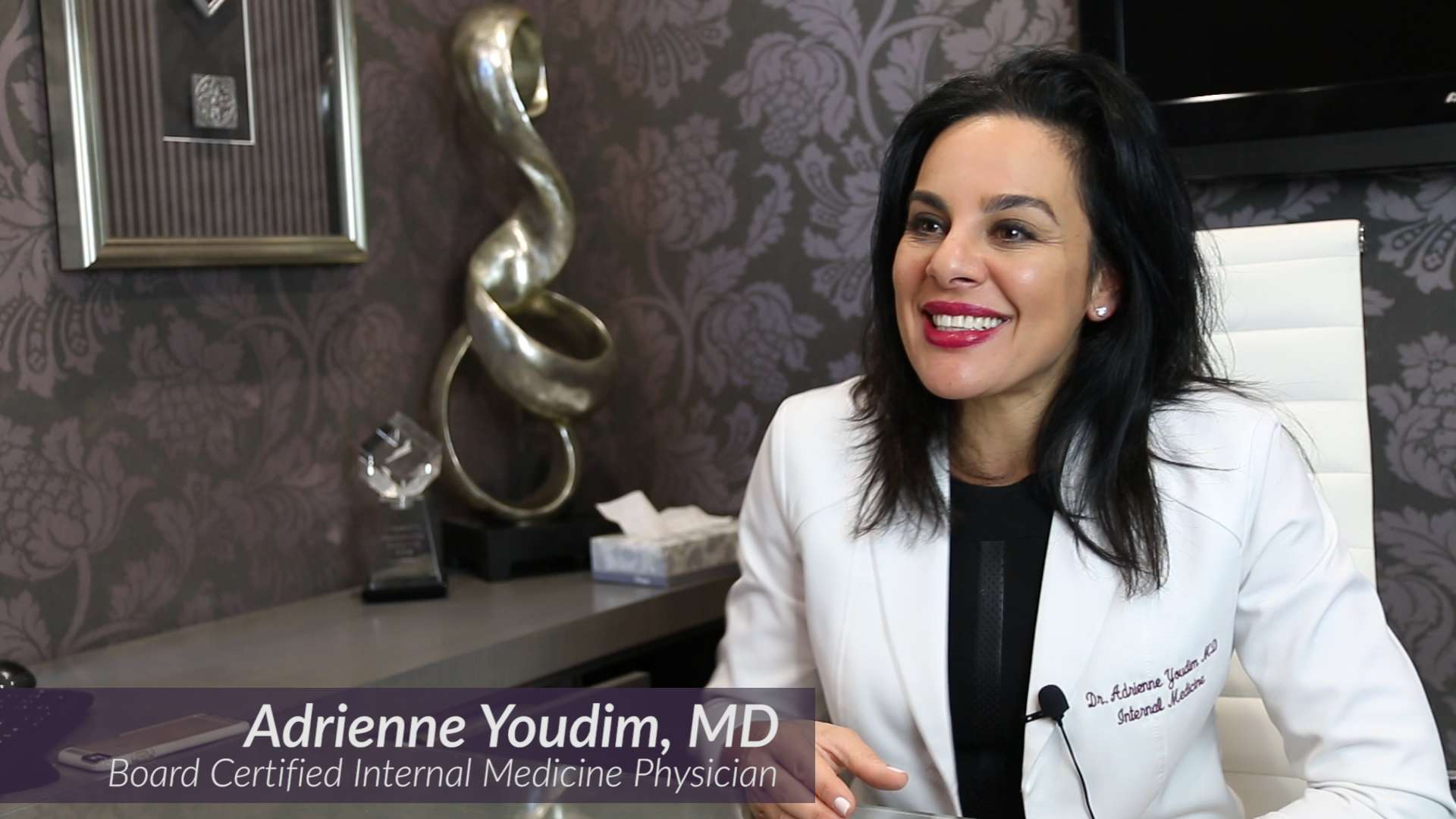
Adrienne Youdim thumbnail

Medical Field

Feb 7, 2019

How Dr. Youdim Uses InBody to Overcome the Challenges of Obesity

Disclaimer: InBody devices should be used as an adjunct for clinical decision making and are not intended to diagnose or treat any diseases.


Dr. Adrienne Youdim is a board-certified internal medicine physician and a nutrition specialist and an obesity medicine specialist. Her educational background makes her uniquely qualified to address different aspects of care at her practice.  Previously, Dr. Youdim was the director of the center for weight loss at a nationally ranked hospital in Los Angeles. For over 8 years she used InBody with patients at this facility. When she transitioned to her own private practice, InBody was one of her first purchases.

Her goal with the InBody was to give patients better goals to focus on than weight, monitor progression to body composition, and to use the Result Sheet as a teaching tool to inspire lifestyle changes.  

Building a Therapeutic Bond

Weight loss is a challenge for both the practitioner and the patient. The American Medical Association defines obesity as a chronic disease. Physicians recognize that there are many factors behind obesity including underlying medical conditions, genetics, and environment. But there still exists a stigma that obesity results from laziness and apathy. The negative feelings connected to an obesity diagnosis, like guilt and remorse, can be a barrier to both compliance and commitment.

To help them achieve their goals, Dr. Youdim tries to form a therapeutic relationship with every patient.

She counsels all the patients and addresses every aspect of their care herself. During visits, Dr. Youdim tries to allay her patient’s concerns and fears about treatment while managing expectations. She will dedicate a portion of each session on education and uses the InBody Result Sheet as one of her teaching tools. Dr.Youdim wants her patients to understand that their struggle with weight is physiologic and with the right treatment plan it can be treated.

“Having numbers you can rely on helps validate that obesity is not a failure of character, but it is a medical condition we can treat.”

When It Comes to Treatment, Data is King

For Dr. Youdim, consistent monitoring helps the practitioner stay on top of key metrics and it helps the patient trust the process. It is why InBody and the comprehensive Result Sheet it produces, was a great fit from the beginning.

“Using the InBody helps us achieve that weight loss goal and ensuring, to the best of our ability, that they are not losing muscle in the process. The InBody is a helpful tool for me as a clinician and as an educational piece for my patients.”

InBody helps her achieve her two objectives:

  1. Shift the patient’s focus from weight loss to fat loss and muscle maintenance.

  2. Monitor her patient’s weight loss to make sure they’re not losing too much muscle.

Dr. Youdim tests her patients on the InBody during the initial consultation and then every subsequent visit. The initial consultation will include an extensive overview of the result sheet. She will then revisit parts of the Result Sheet or its entirety during future visits.

For her, InBody testing is helpful to stay on top of trends and make timely adjustments.    

 “Over time, when we get enough measurements, we can see that trajectory whether they’re gaining muscle mass, which is rare in a weight loss program, but, more importantly, if they are losing muscle mass.

A feature that Dr. Youdim track on every visit is muscle mass and body fat. Her initial prescription for the patient will base their protein requirement off their lean body mass, which is often 2-3 times their lean mass. The purpose of the high protein requirement is to help maintain muscle.

During subsequent visits, she often finds that patients are not exercising enough or meeting those protein requirements. Tracking lean muscle mass is an objective way to show to patients why he or she needs to fulfill those requirements.

“You can provide the counseling to the patient as to how much activity they need or how much protein they need to consume, but that objective measurement of change in lean muscle mass, and therefore change in percent body fat, really helps to augment the message and the treatment plan.”

Teaching Patients to Be Kind to Themselves

A message that Dr. Youdim stresses to all her patients is that nobody is perfect all the time. Dietary compliance is a struggle for everybody, and emotions play a factor.  When her patients are falling short of their goals, it can be stressful. There’s often already frustration from past failures, and setbacks can lead to a patient giving up.

Dr. Youdim uses this opportunity as a teaching moment. She will compare a patient’s daily caloric intake to Basal Metabolic Rate (using this number to calculate Total Daily Energy Expenditure).

Together, Dr. Youdim and the patient can see what changes need to be made to the dietary restriction and then monitor body fat and lean body mass as a gauge of progress. These numbers can help simplify a difficult process.  Patients understand why they aren’t getting the results they want to see and they get a clear path forward.  

Wrapping it up

It’s almost a cliche to say at this point but obesity is a significant medical problem in the United States and around the world. The evidence is clear that weight management is key to preventing many chronic medical conditions that are on the rise.

To help reverse this epidemic, it will take empathetic health professionals like Dr. Youdim who can use a variety of different strategies and tools to help motivate their patients.

“My goal is to help individuals create lifestyle changes that will prevent disease and improve the quality of their life. When you give people objective information and data, they’re more likely to make changes based on the information.”

premise health screenshot

Medical Field

Dec 10, 2018

How a Physician is Using InBody to Inspire His Patients to Make Lifestyle Changes

Disclaimer: InBody devices should be used as an adjunct for clinical decision making and are not intended to diagnose or treat any diseases.

Dr. Anuruddh Kumar Misra is a board-certified physician specializing in internal medicine and sports medicine and is a medical director at Premise Health in San Francisco. He also serves as a consultant to MLB teams and has had previous experience working with the NFL.

As a medical student, Dr. Misra felt that there was too much focus on disease treatment instead of disease prevention. He wanted his practice to not only treat the sick but show them how to improve their health through lifestyle changes. That is why he decided to take on a subspecialty of Sports Medicine after his residency in Internal medicine. During his sports medicine fellowship, Dr. Misra gained expertise in exercise physiology, nutritional dietary practices, and exercise prescription.

Today at Premise Health San Francisco, he uses his well-rounded knowledge base to optimize the health of his patients. InBody has helped Dr. Misra elevate the patient visit by allowing him to give objective, instant feedback , and personalized recommendations. Patients leave his clinic feeling empowered and motivated to improve their health.    

Sparking an Honest Conversation About Health

“How do I optimize an individual’s baseline of health?”

That’s the question Dr. Misra runs through before each appointment with a patient. In his San Francisco practice, Dr. Misra wants to go beyond reactive medicine and practice preventative healthcare. With his expertise in fitness, nutrition, and internal medicine, Dr. Misra is uniquely qualified to provide his patients with a comprehensive course of action that will improve their lives. The first step in that process is to begin an honest conversation about health.  

The problem is that most patients don’t visit a doctor unless there is something wrong. Patients don’t treat their primary care provider as a source for preventive care.  

One issue in a traditional preventive health exam, which should be a great way to build a relationship with your doctor, is that a lack of immediate significant feedback exists.

During a typical exam, a doctor may order a variety of blood tests and other screenings, check your vitals, and calculate your BMI. The blood tests and screenings require repeated visits– time that many working adults and students don’t have. If you don’t a need for these tests, the only information you may get from your visit is your BMI.

For a patient who is overweight or obese, BMI is not going to reveal anything new. On the flip side, patients have both a normal weight and BMI may have hidden health risks such as excess visceral fat, increased risk of cardiovascular disease, and more due to BMI’s inability to distinguish between muscle and fat.

InBody Result Sheet displays an individual with a normal BMI of 22.5 but an elevated body fat percentage of 35%

Instead of relying on BMI to direct patient health, Dr. Misra wanted to incorporate body composition analysis to relay relevant health information and guidance his patients otherwise wouldn’t have access to: muscle mass measurements, body fat percentage, basal metabolic rate, and body water analysis. On the advice of a trusted colleague, he decided to try InBody. The overwhelming response from his patients became an “a-ha” moment and confirmed that

Dr. Misra and his staff decided to invite patients to try the InBody device as part of a wellness challenge. The response was incredibly encouraging. As the team was testing and interpreting results for the high volume of patients, it became obvious to him that he was making a difference in these patients’ health because InBody documented the actual health improvements patients were making.

After an InBody Test and consultation, a patient leaves Dr. Misra’s clinic with a detailed assessment of their health standing, specific areas to work on, and personalized recommendations on how to improve.  

In an area like downtown San Francisco, where people have come to expect cutting-edge technology and innovation, InBody is a tool that helps his clinic go the extra mile to guide and improve the health of his patients.

“It’s very fast. It’s non-invasive … and it gives you very specific data points where you can immediately give feedback to people about what they need to pay attention to. [InBody] is something I find ideal as I have a high-volume, busy practice.”

Using Body Composition Analysis to Combat Insulin Resistance

Today, Dr. Misra has patients who look forward to their InBody results. They feel comfortable admitting “Doc, I haven’t been that good over the last three or four months. I know this isn’t gonna look good. But I gotta know where I’m really at.”

Dr. Misra uses the InBody Result sheet to give very refined, targeted recommendations based on different data points. He finds that most of his patients can benefit from at least one of three interventions: modifying their baseline nutrition, improving their exercise prescription, and optimizing their metabolic profile with intermittent fasting. Each intervention requires a lot of dedication from the patient, but body composition analysis helps Dr. Misra motivate them to follow his protocol.

“Someone may not be too keen on fasting. They may not like lifting weights. They may not want to change their diet. But if I’m able to motivate them based on InBody results, and the plethora of other medical data points I have, now I’ll get them doing what they wanted to achieve and that is very powerful.”

The section of the result sheet that Dr. Misra find the most actionable is the visceral fat score, which has a direct correlation to “insulin resistance”, a precursor to prediabetes. The higher the score the higher the risk of developing insulin resistance.

A Visceral Fat Score over 10 cm² increases an individual’s risk for developing metabolic disorders.

When Dr. Misra sees a patient with an elevated score, his first course of action is to learn what their dietary practices are. What do they eat? How often do they eat?

In many patient cases, Dr. Misra likes to recommend monitored intermittent fasting because he believes that intermittent fasting is the single, most powerful therapeutic metabolic intervention a physician can do for a patient.

In between lab work, Dr.Misra will also test his patients on the InBody to track and monitor progress while they are on this program.  

“I don’t need to keep on checking labs on people if I can document progress in a different way. If I’m able to show a progressive decrease in the visceral fat score over the course of three to six months I am even able to reduce their lab draws. InBody becomes a great tool to give patient feedback and it helps the practitioner optimize their patient’s internal medicine issues”.

InBody has been a helpful tool to show patients that they aren’t necessarily stuck on a path that will end in medication. Patients can see the work they put in to improve their body composition translates to real health benefits.

“We’re taught in medical school and in post-doctoral education that diabetes is pretty much a one-way street. You’re a diabetic. It’s a life sentence and you’re gonna be on medication for life.  That just not the case.”

Through program design and careful monitoring, Dr. Misra has even been able to successfully liberate patients from their insulin medication. InBody plays a critical role in that process, acting as a patient’s GPS as they follow Dr. Misra’s roadmap for a healthier life.    

Building Trust and Improving Patient Care

Technology can help enhance patient care, but trust in a patient-doctor relationship remains one of the most important factors for an effective treatment plan. One study found that nearly two-thirds of patients with high levels of trust follow their doctor’s treatment plan.

The tools a doctor uses must be fundamentally reliable because trust itself is a non-negotiable entity. Dr. Misra trusts the InBody to monitor his own health, so he confidently recommends it to his patients. I say, “Look, I check this about once a month to keep track of my personal goals and fitness things that I have in mind, and I encourage you to do it too.”  

At the end of the day, it is up to the patient to take control and be accountable for their health. However, because of knowledge gaps, a patient may be too scared to bother the doctor with follow-up questions. Dr. Misra has found that starting a conversation around body composition – losing body fat and gaining muscle- is something that is relatable, helps build that conversation, and makes a patient a partner in being responsible for their lifestyle choices. When a patient is motivated to take responsibility and make changes, the rewards are endless.  

“It saves the patient from morbidity. It saves them money. It saves them time. It reduces their cost to their insurance plan. It reduces the cost to their employer. I mean it’s a universal win where the most important stakeholder – the patient – is the one who benefits the most.”

Get updates worth your time.

5,000,000+ users

Get updates worth
your time.

5,000,000+ users

Get updates worth
your time.

5,000,000+ users

Product

Software

Resources

Company