Weight

Weight

Join our mailing list. We never spam.

Weight

Weight

Join our mailing list. We never spam.

Weight

Weight

Join our mailing list. We never spam.

All articles tagged

"

Weight

"

A side-by-side comparison of a man's torso showing a body transformation from overweight to muscular and shredded.

Health

Feb 19, 2026

How to Lose Chest Fat Effectively? Backed by Clinical Studies

Chest fat is one of the most common trouble spots for men (and sometimes women), and it can feel stubborn no matter how many push-ups you do.

Here's what science actually tells us: you can't spot-reduce fat from just your chest. But that doesn't mean you're stuck with it. With the right combination of diet, exercise, and lifestyle tweaks, you can reduce overall body fat and sculpt a leaner, more defined chest.

This guide will walk you through everything you need to know, from understanding why fat accumulates in your chest to actionable strategies that actually work.

Understanding Chest Fat: Causes and Types

Before you start tackling chest fat, it helps to understand what's going on beneath the surface. Chest fat doesn't show up randomly, it's influenced by genetics, hormones, lifestyle, and sometimes underlying health conditions. Knowing the root cause can help you choose the most effective approach.

Why Fat Accumulates in the Chest Area?

Your body stores fat in different places based on factors you can't fully control.

  • Genetics play a huge role, some people naturally store more fat in their chest, belly, or thighs.Some research suggests genetics can influence where the body tends to store fat. Genome-wide association studies have pinpointed over 460 genetic locations related to how and where your body stores fat, with some people naturally storing more in their chest, while others accumulate it in their belly or thighs.

  • Hormones are another major player. Higher levels of estrogen relative to testosterone can encourage fat storage in the chest, particularly in men. This hormonal imbalance might result from aging, obesity, certain medications, or health conditions.

  • Beyond that, lifestyle habits matter. A diet high in processed foods, sugar, and unhealthy fats can lead to overall weight gain, and your chest might be one of the places where that extra fat shows up.

  • Lack of physical activity compounds the issue, as your body burns fewer calories and loses muscle mass over time.

What Causes Chest Fat in Males?

For men specifically, chest fat often ties back to testosterone levels. As you age, testosterone naturally declines while estrogen can increase, especially if you're carrying excess body fat, since fat tissue can convert testosterone into estrogen. This creates a feedback loop: more fat leads to more estrogen, which encourages more fat storage in the chest.

Primary causes of male chest fat:

  • Obesity and being overweight are the most straightforward causes. When your calorie intake exceeds what you burn, your body stores the surplus as fat. The chest is a common depot, particularly if you're genetically predisposed to store fat there.

  • Alcohol consumption, especially heavy drinking, can also interfere with hormone balance and contribute to chest fat accumulation.

  • Certain medications, like steroids, anti-androgens, or treatments for prostate conditions, can affect hormone levels and lead to increased chest fat. If you've recently started a new medication and noticed changes, it's worth discussing with your doctor.

Chest Fat vs. Gynecomastia

An anatomical diagram comparing chest fat (soft adipose tissue) on the left with gynecomastia (firm glandular tissue) on the right, highlighting the difference between soft, uniform fat and a firm, distinct mass.

Not all chest enlargement is the same:

  • Chest fat is exactly what it sounds like: adipose tissue stored in the pectoral area. It's soft, and you can pinch it between your fingers.

  • Gynecomastia, on the other hand, is the development of actual glandular breast tissue in men. It feels firmer, sometimes rubbery, and is usually centered around the nipple.

Gynecomastia is caused by hormonal imbalances, often an excess of estrogen or a deficiency in testosterone. It can occur during puberty, in older age, or due to medications, health conditions (like liver or kidney disease), or substance use. Unlike chest fat, which responds to diet and exercise, gynecomastia often requires medical treatment or surgery to correct.

Approximately 65% of men between ages 50-80 experience gynecomastia, while 50-60% of adolescent boys develop it during puberty (though 75% of those cases resolve within two years). For adults with persistent gynecomastia, 25% of cases are idiopathic, meaning no specific cause can be identified.

Chest fullness can come from fat tissue, glandular tissue (gynecomastia), or a combination of both. Because it can be hard to tell the difference on your own, consider talking with a healthcare professional if you notice persistent changes, pain, a firm lump, or nipple discharge.

Feature

Chest Fat

Gynecomastia

Tissue type

Fat (adipose tissue)

Glandular breast tissue

Texture

Soft, squishy

Firm or rubbery

Pinch test

Easily pinched between fingers

Feels like a disc or lump under the nipple

Location

Spread across the chest

Usually centered behind the nipple

Main cause

Overall body fat gain

Hormonal imbalance (estrogen/testosterone)

Common triggers

Diet, inactivity, weight gain

Puberty, aging, medications, health conditions

Response to diet & exercise

Yes

Usually no

Need for medical treatment

No

Often yes

Typical solutions

Fat loss, strength training

Medical evaluation, hormone treatment, or surgery

How to Get Rid of Chest Fat: Evidence-Based Strategies

Now for the strategies that work. Remember, you can't target fat loss in just one area. But by reducing your overall body fat percentage through diet, exercise, and smart lifestyle choices, you'll eventually see results:

The Role of Diet in Reducing Chest Fat

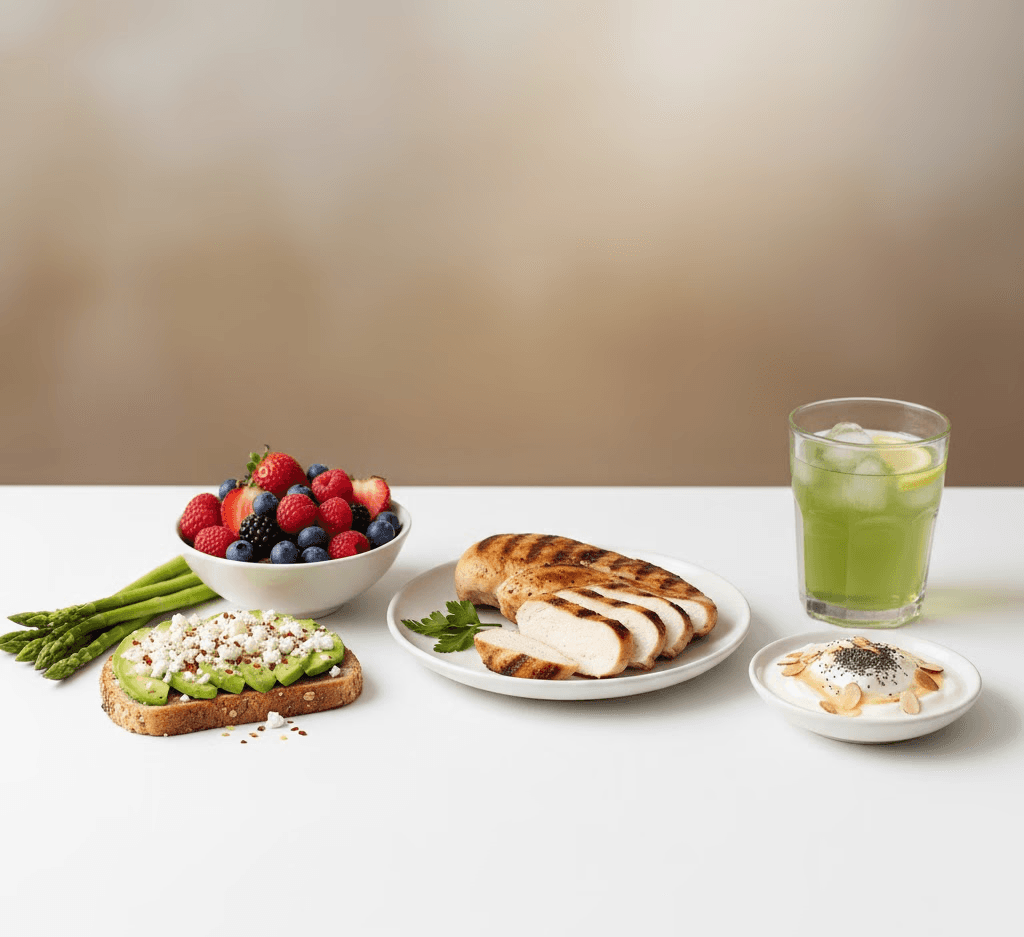
A healthy meal spread featuring grilled chicken breast, avocado toast with feta, a bowl of mixed berries, asparagus, yogurt with almonds, and a glass of iced green tea with lemon.

You can't out-exercise a bad diet. If you're serious about losing chest fat, your eating habits need attention first. In general, fat loss occurs when energy intake is lower than energy expenditure over time. That typically involves an overall pattern where intake is lower than what the body uses.

But it's not just about calories. The quality of your food matters, too. Diets high in refined carbs and sugar can spike insulin levels, which encourages fat storage. Many people find that prioritizing minimally processed, nutrient-dense foods can support satiety and overall nutrition during weight loss. According to clinical studies on weight loss, this deficit should result in 0.5-1 kg of weight loss weekly.

Focus on:

  • Lean proteins (chicken breast, turkey, fish, tofu)

  • Vegetables (especially leafy greens and cruciferous veggies)

  • Whole grains (oats, brown rice, whole wheat)

  • Healthy fats (avocado, nuts, olive oil)

  • Fruits in moderation (berries are great for antioxidants)

  • Plenty of water (often overlooked but crucial)

Some people choose to reduce:

  • Sugary drinks and sodas (empty calories that spike insulin)

  • Processed snacks and fast food (high in trans fats and sodium)

  • Alcohol (it disrupts hormone balance and adds calories)

  • Refined carbs (white bread, pastries, sugary cereals)

  • Fried foods (loaded with unhealthy fats)

Consistency beats perfection. You don't need to eat perfectly 100% of the time, but your overall pattern should lean toward nutrient-rich, whole foods most days.

Effective Exercises to Target the Chest

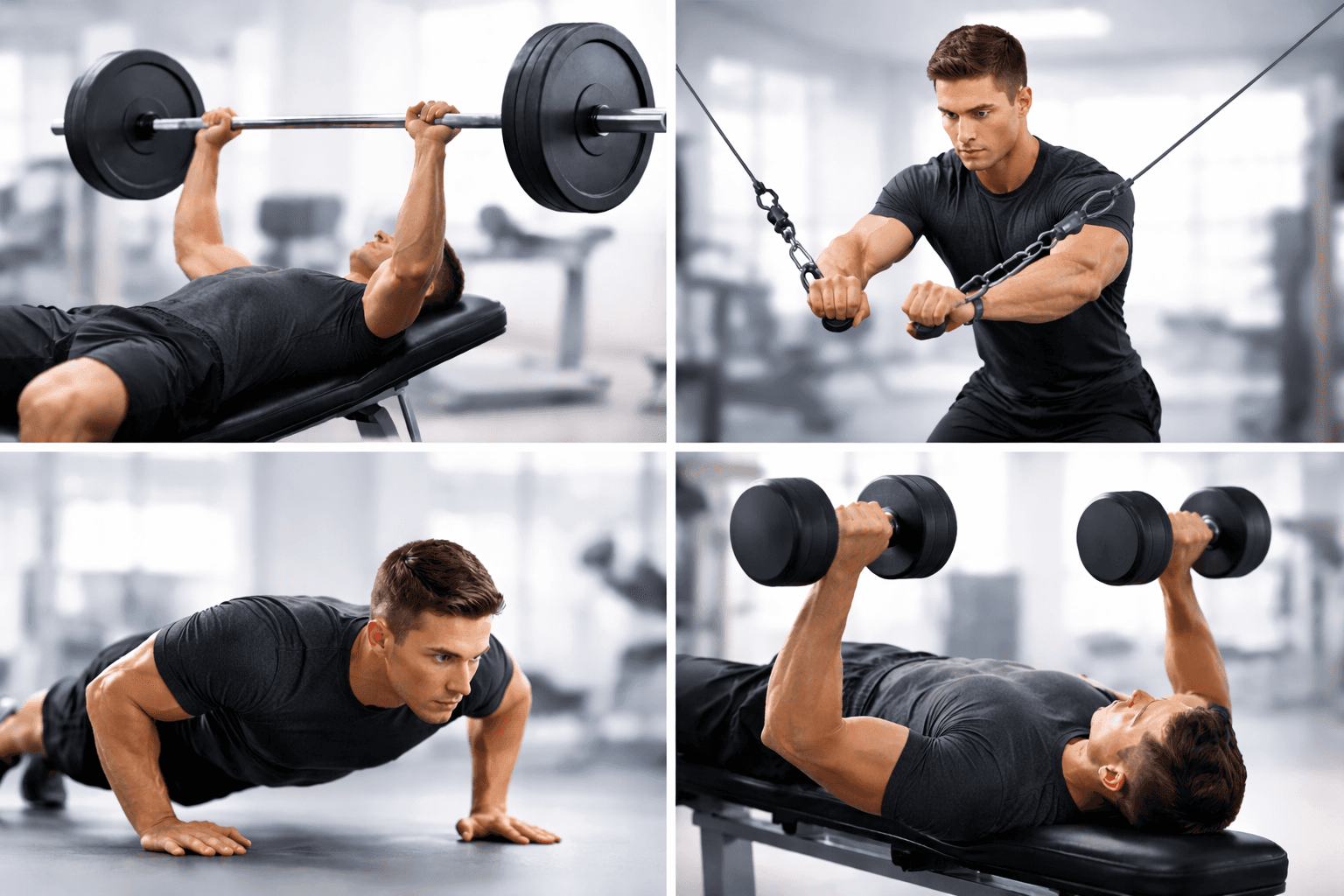
A four-image collage of a man performing chest exercises in a gym, including barbell bench press, cable crossovers, push-ups, and dumbbell chest press.

Exercise is the second pillar. While you can't spot-reduce fat, you can build muscle in your chest to create a firmer, more defined appearance as you lose fat overall. A combination of strength training and cardio will give you the best results.

Strength Training Exercises for Chest Definition

Building your pectoral muscles won't directly burn the fat sitting on top, but it will improve the shape and appearance of your chest. Plus, muscle tissue burns more calories at rest than fat does, so increasing your muscle mass boosts your metabolism.

Here are some of the most effective chest exercises:

  • Push-ups: The classic. They work your entire chest, shoulders, and triceps.Different push-up variations can shift which muscles feel most challenged.

  • Bench press: A staple for building chest mass and strength. Bench press can be performed with different equipment and angles depending on experience and access.

  • Dumbbell flyes: Great for stretching and contracting the pectoral muscles. Go slow and controlled.

  • Dips: Targets the lower chest and triceps. Lean forward slightly to emphasize the chest.

  • Cable crossovers: Excellent for isolating the chest and achieving a good squeeze at the peak contraction.

Many programs include regular chest-focused strength work, and sets, reps, and load can be adjusted to goals, experience, and recovery. Don't neglect other muscle groups, balanced training supports overall fat loss and prevents injury.

Cardio Workouts for Overall Fat Reduction

Cardio can increase energy expenditure and support fat loss, especially when combined with nutrition and strength training. You don't need to run marathons, consistent, moderate-intensity cardio combined with some high-intensity intervals works well.

  • Steady-state cardio: Moderate-intensity activities like jogging, cycling, swimming, or brisk walking can support overall activity levels, and the amount can be adapted to your schedule and fitness level.

  • High-Intensity Interval Training (HIIT): Short bursts of intense effort followed by rest periods. HIIT can be a time-efficient way to increase effort, and some people experience a short-term increase in post-exercise energy expenditure. Think sprints, jump rope, or circuit training.

  • Incline walking: If high-impact exercise isn't your thing, walking on an incline is surprisingly effective for fat loss and easier on your joints.

The best cardio is the one you'll actually do. Pick something you enjoy, or mix it up to keep things interesting!

Lifestyle Changes That Support Chest Fat Loss

A three-panel collage of a man showing a healthy daily routine: jogging outdoors in the sun, sleeping soundly in a dark room with a crescent moon visible outside, and practicing seated meditation with his eyes closed.

Diet and exercise are critical, but your daily habits can either accelerate or sabotage your progress. Here are some lifestyle factors that often get overlooked:

  • Sleep: Poor sleep messes with hunger hormones (ghrelin and leptin), increases cravings, and lowers testosterone. Many health organizations recommend adequate sleep, and individual needs can vary.

  • Stress management: Chronic stress elevates cortisol, a hormone that promotes fat storage, especially around the midsection and chest. Some people find practices like meditation, breathing exercises, or yoga helpful for stress management

  • Limit alcohol: Alcohol is high in empty calories and can lower testosterone while raising estrogen. Cutting back can make a noticeable difference.

  • Stay hydrated: Water supports metabolism, helps control appetite, and keeps your workouts effective. Hydration needs vary with activity level, climate, and individual factors.

  • Be patient and consistent: Fat loss takes time, and chest fat might be one of the last areas to lean out. Sustainable progress often takes time, and consistency over weeks can matter more than day-to-day fluctuations. Track your progress with photos and measurements, not just the scale.

When to Consider Medical Evaluation?

Sometimes, chest fat isn't just about diet and exercise. If you've been following a solid plan for several months without seeing any improvement, or if your chest has a firm, glandular feel rather than soft fat, it's time to talk to a doctor.

As mentioned earlier, gynecomastia involves actual breast tissue growth and won't respond to lifestyle changes alone. A healthcare professional can evaluate symptoms and may recommend lab work based on your history and exam. Imbalances in any of these can contribute to chest fat or gynecomastia.

If gynecomastia is diagnosed, a clinician can discuss management options based on the cause and severity.

Don't ignore persistent or worsening chest enlargement, especially if it's accompanied by pain, nipple discharge, or lumps. While rare, these can be signs of more serious conditions that need prompt evaluation.

Key Takeaways

  • Spot-reducing chest fat is impossible, but you can lose chest fat by reducing overall body fat through a calorie deficit, proper nutrition, and consistent exercise.

  • Combine strength training exercises like push-ups, bench press, and dumbbell flyes with cardio workouts to build chest muscle and burn fat effectively.

  • Prioritize a diet rich in lean protein, healthy fats, and whole grains while avoiding sugary drinks, processed foods, and excess alcohol to support fat loss.

  • Lifestyle factors like getting 7-9 hours of sleep, managing stress, and staying hydrated play a crucial role in reducing chest fat and balancing hormones.

  • If chest enlargement feels firm rather than soft or doesn't improve after months of effort, consult a doctor to rule out gynecomastia or hormonal imbalances.

Bottom Line

Losing chest fat isn't about doing a hundred push-ups a day or cutting out all carbs. It's about creating a sustainable calorie deficit through smart eating, combining strength training with cardio, and supporting your efforts with healthy lifestyle habits. You can't spot-reduce fat, but you can reduce your overall body fat percentage, and eventually, your chest will follow.

Be patient with yourself. Results won't happen overnight, and chest fat is often one of the last areas to slim down. Track your progress with measurements and photos, not just the scale. If you want a more objective way to monitor body fat changes, tools like InBody scans can help you see shifts in fat mass and lean tissue over time.  

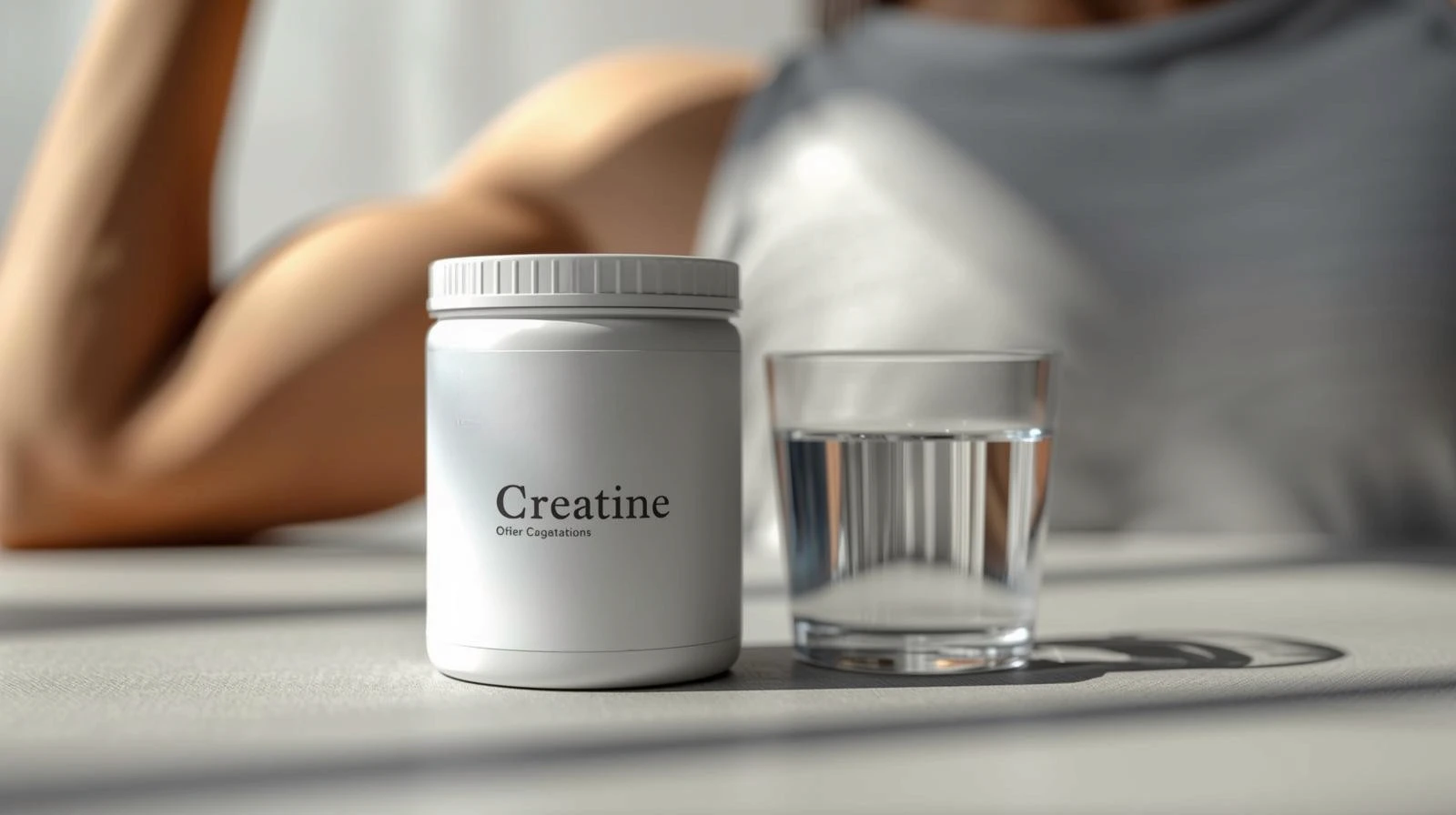
A white jar of creatine supplement sitting next to a glass of water on a table, with a muscular person blurred in the background.

Health

Feb 19, 2026

Does Creatine Help You Lose Weight? Fat Loss, Muscle Gain, or Just Water Weight?

Creatine is a naturally occurring compound found in muscle cells that helps produce quick energy during high-intensity exercise. It’s commonly used to improve strength, power, and workout performance. Because creatine affects body weight and muscle mass, many people wonder whether it can also support weight loss or if it simply leads to weight gain.

The answer isn't a simple yes or no, it depends on how you define "weight loss" and what you're really after. While creatine won't directly melt away fat, it can play a surprisingly supportive role in your body composition journey. Let's dig into what creatine does, how it affects your body, and whether it deserves a spot in your weight loss regimen.

What Is Creatine and How Does It Work?
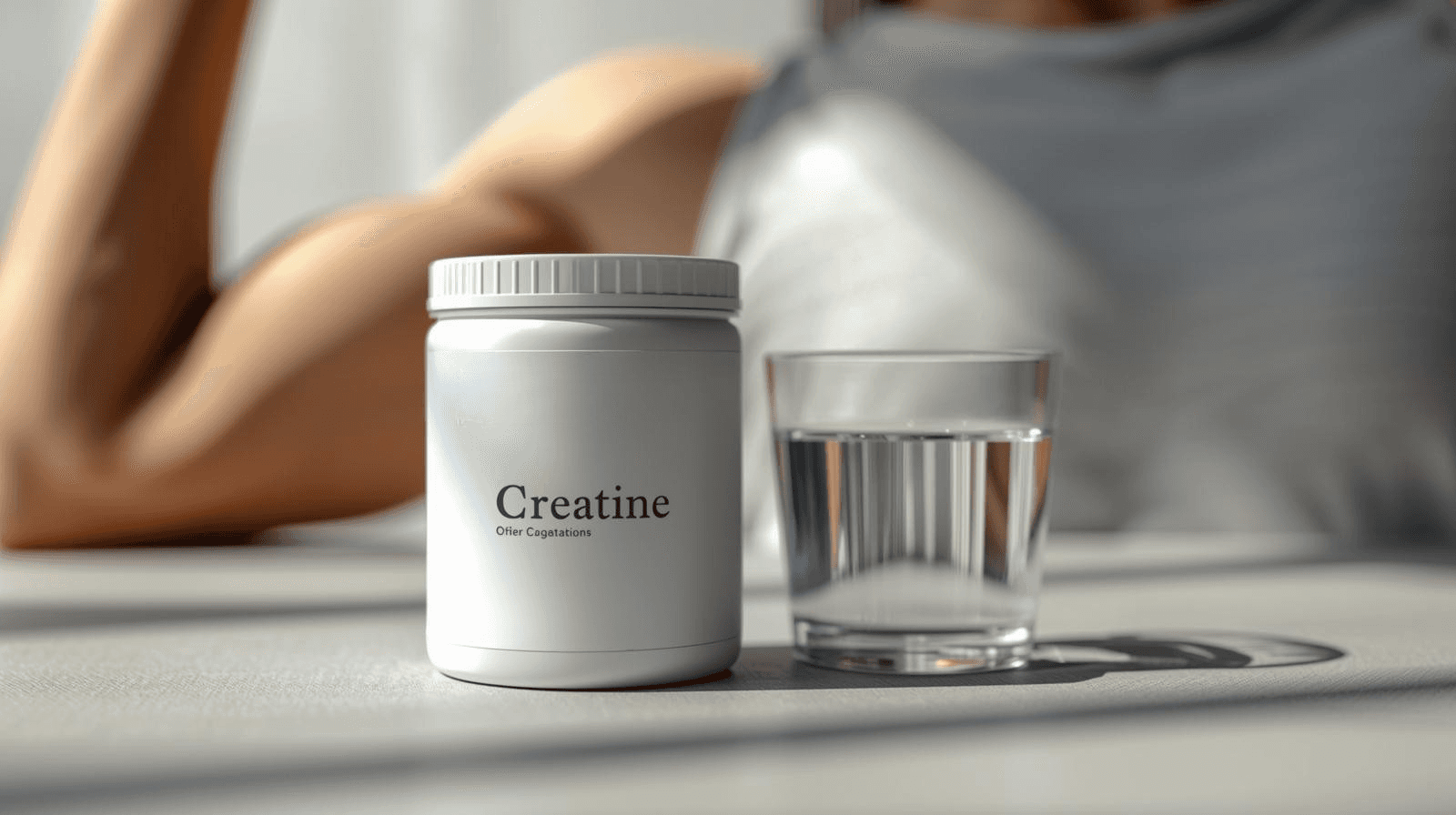
A white jar of creatine supplement sitting next to a glass of water on a table, with a muscular person blurred in the background.

Creatine is a naturally occurring compound made from three amino acids: arginine, glycine, and methionine. It is produced in the liver, kidneys, and pancreas, and stored mainly in skeletal muscle. Small amounts of creatine are also obtained from foods like red meat and fish, while supplements provide a concentrated dose.

Creatine helps produce adenosine triphosphate (ATP), which is essentially your muscles' primary energy currency. When you're lifting weights, sprinting, or doing any high-intensity activity, your muscles burn through ATP quickly. Creatine phosphate steps in to rapidly regenerate ATP, giving you that extra burst of power and endurance during short, intense efforts.

When you supplement with creatine, you're essentially topping off your muscle stores (called phosphocreatine), which allows you to push harder during workouts, squeeze out extra reps, and recover faster between sets. This enhanced performance can lead to greater training adaptations over time, more muscle, more strength, and potentially better body composition.

Does Creatine Help You Lose Weight?

The short answer: not directly. Creatine isn't a fat burner, and it won't speed up your metabolism or increase calorie expenditure on its own. But that doesn't mean it's useless for weight loss, far from it.

Does Creatine Directly Burn Fat?

Creatine is mainly known for supporting short, high-intensity performance rather than acting as a direct fat-loss supplement. If you're looking for a supplement that directly torches body fat, creatine isn't it.

That said, the scale isn't the whole story. Fat loss and weight loss aren't always the same thing, and this is where creatine starts to get interesting.

How Creatine May Support Fat Loss Indirectly

While creatine doesn't burn fat directly, it can create conditions that support fat loss over time. The main mechanism is through improved workout performance. When you can lift heavier, train harder, and recover better, you're building and preserving lean muscle mass, and muscle is metabolically active tissue. The more muscle you have, the more calories you burn at rest.

Creatine also helps you maintain strength during a calorie deficit, which is critical. When you're cutting calories to lose fat, your body often sacrifices muscle along with fat. Hence, creatine helps you hold onto that hard-earned muscle, which keeps your metabolism humming and your physique looking lean and toned.

So while creatine won't show up on a list of "fat-burning supplements," it's a powerful tool for improving body composition, losing fat while maintaining or even gaining muscle. And honestly, that's what most people really want when they say they want to "lose weight."

Why Creatine Causes Weight Gain (And Why That's Not Always Bad)

Here's where things can get confusing. Some people notice a small, temporary increase on the scale when starting creatine, often related to water shifts in muscle tissue. Before you panic and toss the tub in the trash, let's talk about why this happens:

Water Retention vs. Fat Gain

Creatine pulls water into your muscle cells. This is called intracellular water retention, and it's actually a good thing. It contributes to that fuller, more pumped look your muscles get, and it may even play a role in muscle growth signaling.

This water weight is not fat gain. You're not getting softer or fluffier, you're just holding more fluid inside your muscles. Your muscle cells are essentially becoming better hydrated, which can improve performance and recovery.

The challenge is that most people step on the scale, see it creep up, and immediately think they're moving in the wrong direction. But if your goal is fat loss and improved body composition, the scale is a poor judge. You could be losing fat and gaining muscle simultaneously, and the scale might not budge, or it might even go up.

Body composition tools are especially useful, as they separate fat mass, lean muscle, and water weight instead of relying on total body weight alone. If you're tracking progress during weight loss, rely on measurements, progress photos, how your clothes fit, and how you look in the mirror. These are far better indicators of true fat loss than the number on the scale, especially when you're using creatine.

So yes, creatine will probably make you "gain weight" initially, but it's water weight in your muscles, not body fat. And that temporary bump on the scale is a small price to pay for the performance and body composition benefits you'll get in return.

Benefits of Taking Creatine During Weight Loss
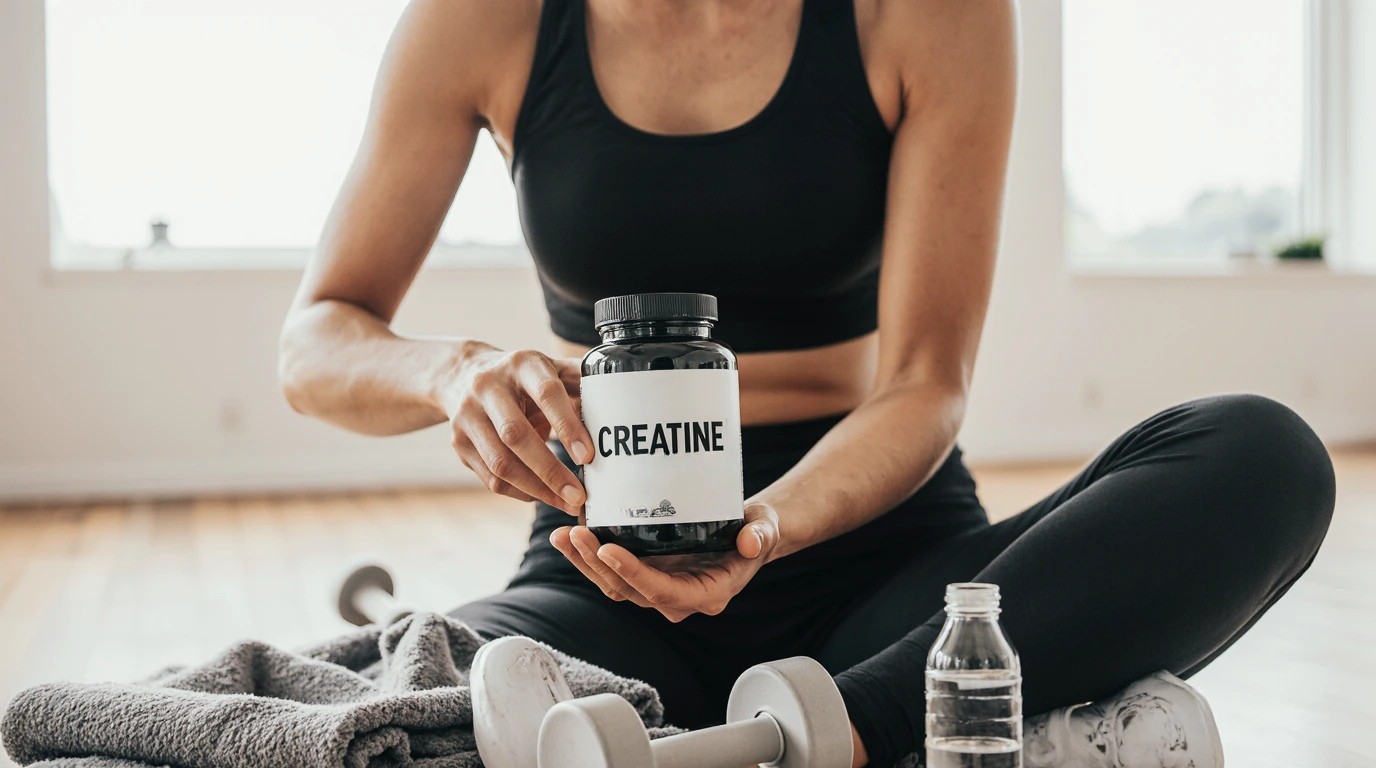
A woman in athletic wear sitting on a gym floor holding a black bottle of creatine, with a dumbbell and water bottle in the foreground.

If you're cutting calories and trying to lean out, creatine can be one of your best allies. Here's why it's worth keeping in your supplement stack even when fat loss is the goal.

  • First, creatine helps preserve lean muscle mass during a calorie deficit. When you're eating less, your body looks for energy wherever it can find it, and that includes breaking down muscle tissue. Resistance training combined with creatine supplementation sends a strong signal to your body that muscle is essential and shouldn't be sacrificed.

  • Second, it keeps your strength and performance up. Dieting can leave you feeling drained and weak, which makes it harder to train intensely. Creatine helps offset some of that fatigue, so you can continue hitting your workouts hard even when your energy intake is lower.

  • Third, creatine may improve recovery. When you're in a deficit, recovery can take longer. Creatine's role in ATP regeneration and its potential anti-inflammatory effects can help you bounce back faster between sessions, which means more consistent training and better long-term results.

  • Finally, building or maintaining muscle while losing fat leads to a better overall physique. You don't just want to be smaller, you want to be leaner, stronger, and more defined. Creatine helps you achieve that by supporting muscle retention and growth, even as the fat comes off.

In short, creatine won't make you lose weight faster on the scale, but it can help you lose fat while keeping your muscle, which is the real goal.

What the Research Says About Creatine and Body Composition

The scientific literature on creatine is robust, and while most studies focus on performance and muscle gain, several have explored its effects on body composition during weight loss or training.

Creatine and Lean Body Mass Gains

One key finding: creatine supplementation combined with resistance training consistently leads to greater increases in lean body mass compared to training alone. This holds true even when people are in a calorie deficit or trying to lose weight. Essentially, creatine helps you build or preserve muscle more effectively, which improves your body composition.

A review published in the Journal of the International Society of Sports Nutrition highlighted that creatine can enhance fat-free mass gains and strength improvements, particularly when paired with a structured training program.

Creatine and Resistance Training

It's also worth noting that creatine's effects on body composition are most pronounced when you're actually training. If you're sedentary and just taking creatine, you won't see much benefit. The magic happens when you combine supplementation with consistent, progressive resistance training.

Creatine and Fat Loss

Researchers have also found that creatine doesn't negatively affect fat loss. Some people worry that the water retention will somehow interfere with fat burning, but there's no evidence to support that. Your body continues to oxidize fat for energy just fine while you're supplementing with creatine.

Bottom line from the research: creatine won't directly cause fat loss, but it's a powerful tool for improving body composition when combined with proper training and nutrition.

Potential Drawbacks and Side Effects to Consider

Creatine is widely studied and generally well tolerated, but there are still a few considerations to keep in mind.

  • Initial water retention: Creatine commonly causes temporary water retention inside muscle cells. This won’t make you gain fat, but it can slightly mask muscle definition.

  • Digestive discomfort: Some people experience mild stomach upset, bloating, or cramps, especially when taking large doses at once.

  • Scale weight confusion: Creatine can cause the number on the scale to increase due to water and muscle, not fat.  

  • Not ideal for purely aesthetic short-term goals: If your primary goal is to look as lean as possible in the short term rather than improve performance or muscle retention, creatine may not align perfectly with that objective.

How to Use Creatine Effectively for Weight Loss Goals
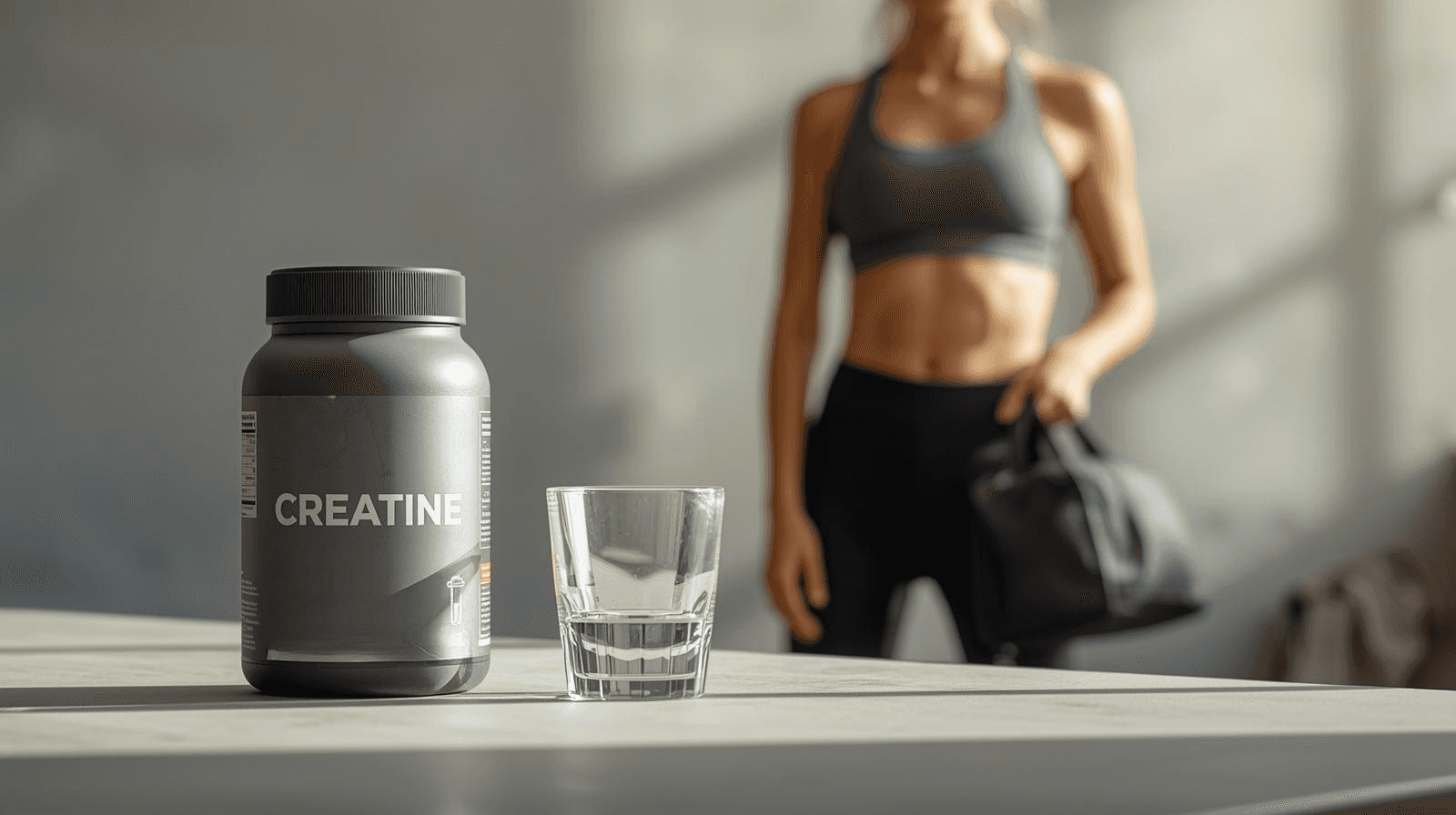
A bottle of creatine and a small glass of water sitting on a table, with a woman in gym clothes holding a bag blurred in the background.

If you've decided to add creatine to your weight loss plan, here's how to get the most out of it without unnecessary complications:

Recommended Dosage and Timing

  • Daily dose: Common supplemental protocols often use a consistent daily amount, and guidance can vary by individual.  

  • Loading phase: Some protocols include a short ‘loading’ period, while others skip it and still reach similar muscle creatine levels over time.

  • When to take it: For many people, consistent use tends to matter more than the exact time of day. Some suggest taking creatine post-workout with carbs and protein may slightly improve absorption, but the difference is small. The key is taking it every day, including rest days.

  • How to take it: People commonly take creatine powder mixed into a beverage, but preferences vary. It’s tasteless and generally dissolves well, though a bit of settling is normal.

If you have any medical conditions, take medications, or aren’t sure whether creatine is right for you, it’s best to check with a healthcare professional or qualified nutrition expert before starting.

Combining Creatine With Resistance Training and Nutrition

Creatine works best when it’s paired with a solid training and nutrition foundation.

  • Resistance Training: Focus on progressive resistance training (this can include weightlifting, bodyweight exercises, or any strength-focused workouts that challenge your muscles). Many strength programs use regular resistance training with progressive overload, and frequency can be adjusted to your experience and schedule.

  • Nutrition for Muscle and Fat Loss: To support muscle maintenance and recovery, make sure you’re getting enough protein. Protein needs can vary based on goals, body size, and training, and a registered dietitian can help personalize a target.

  • Hydration: Staying hydrated supports performance, recovery, and overall health. Staying well hydrated supports performance and recovery, and fluid needs vary with climate, activity level, and individual factors.

Key Takeaways

  • Creatine does not directly help you lose weight or burn fat, but it supports fat loss indirectly by improving workout performance and preserving lean muscle mass during a calorie deficit.

  • Taking creatine typically causes a 2-5 pound weight gain in the first week due to water retention in muscles, not fat gain, which is why the scale is a poor indicator of progress.

  • Combining creatine with resistance training helps you build or maintain muscle while losing fat, leading to improved body composition rather than just lower numbers on the scale.

FAQs

Does creatine lower belly fat?

No, creatine doesn't specifically target belly fat or any other area of fat. Spot reduction isn't possible through supplementation or exercise. But, by improving your workout performance and helping you build muscle, creatine can contribute to overall fat loss over time when combined with a calorie deficit and consistent training.  

Why am I losing weight on creatine?

If you're losing weight while taking creatine, it's likely due to your diet and training program, not the creatine itself. Creatine doesn't cause weight loss, it typically causes a small initial weight gain from water retention. But, if you're in a calorie deficit and training hard, you could be losing fat while maintaining or gaining muscle.  

How to tell if creatine is working?

You'll know creatine is working if you notice improvements in your training performance: more reps, heavier weights, better endurance during high-intensity efforts, and faster recovery between sets. You might also see a slight increase in body weight within the first week or two due to water retention in your muscles.  

Can you take creatine while cutting or in a calorie deficit?

Yes, creatine is highly beneficial during a calorie deficit. It helps preserve lean muscle mass, maintains strength and workout performance, and improves recovery when your body is under the stress of reduced calories and fat loss.

Will creatine make me look bloated when trying to get lean?

Creatine-related water shifts are often described as occurring within muscle tissue, but individual responses and appearance changes can vary. The slight water weight won't interfere with fat loss or long-term definition.


Person's feet standing on digital bathroom scale displaying word 'DIET'

Health

Nov 19, 2018

Does Your Body Weight Have a "Set Point"?

Editor’s Note: This post was updated on November 18, 2018, for accuracy and comprehensiveness. It was originally published on February 1, 2017.

Anyone who has ever attempted to lose weight or gain lean body mass knows what it feels like to hit a plateau. Maybe you’re a hard gainer who put on a few pounds of muscle only to see your gains disappear a few months later. Or perhaps you busted your butt to lose few pounds, hit a plateau, before slowly reverting back to where you started. Regardless, it’s frustrating.

In this article, we’ll discuss one of the main reasons this happens and what you can do about it. It’s called body weight set point theory, which is the idea that your body weight range is predetermined. We’ll look at whether set points truly exist; how they’re established, if they do exist; what kind of control you have, if any; and what this all means to your future health and body composition goals.

Let’s begin.

Is Set Point Theory Real?

Set Point theory suggests that your body weight is regulated at a predetermined or “preferred” range. While there are conflicting opinions on whether “set points” really do exist, the bulk of research seems to suggest that set point theory is legit. This means your body will always “settle” within a certain range. That may explain that no matter how hard some people try, that always seem to hit a certain plateau and their progress stops.

So if that’s the case, is it possible to change your natural weight range?

Can You Change Your Set Point Range?

First, it’s important to understand how your body weight is determined and how that plays a role in your set point range.

Your body weight is determined by three things:

  1. Genes

  2. Environment (diet and exercise)

  3. Epigenetic effects (hormones)

In other words, a variety of factors like genes, hormones, exercise frequency, nutrition, and other physiological mechanisms help determine your body’s weight range.

Let’s look at each one of these in more detail.

1. The role of genetics on body weight set points

It’s all genetics.”

I’m sure you can think of at least one friend or family member who has used this as an excuse not to take care of their health and make lifestyle changes.

Here’s the thing though: genetics play a role in how your body weight is determined … but they’re not your destiny.

Yes, there are genetic factors that can predispose people to a certain body weight set point range. However, researchers have found that “bad genes” are unlikely to explain the rapid rise of obesity rates around the globe.

According to a review of several studies that looked at the link between genetics and obesity, “Moving from genetic predisposition to obesity itself generally requires some change in diet, lifestyle, or other environmental factors.”

The bottom line is this: high-calorie intake from an unhealthy diet and not genetics is usually the explanation for your body type. Yes, you can counteract your genetically predisposed body weight ranges through lifestyle changes –  controlling your calorie intake, choosing nutrient-rich foods, and exercising.

2. The role of environmental factors on body weight set points

As mentioned, there are two environmental factors that help determine your body’s set points: what you eat and how much you move.

Exercise

It’s not surprising that exercise play a role in determining your body’s set points.

Human physiology follows the first law of thermodynamics, which states that energy can be transformed from one form to another, but cannot be created or destroyed. In other words, your body has a natural “energy balance”. What you eat and drink = “energy in” and what you burn = “energy out.”

Generally speaking, if you consume more calories than you burn, over time you will gain weight. If you consume less calories than you burn, you will lose weight (although it’s not always so black and white though, as many have experienced).

As noted above, you can offset certain genetic markers of obesity through lifestyle changes like adjusting your exercise frequency.

Exercise, and particularly strength training, is the best method for reducing body fat. And the more you exercise, the more you may be able to change your body weight set point due to decreases in body fat levels and increases in lean body mass.

Diet

a plate of salad with some cheese

What you eat is another critical component that helps determine your body weight set point. As discussed, your energy input and output over time heavily influence your body weight set point.

While strenuous exercise is the best strategy for reducing body fat, adjusting your calorie intake is the most effective method for preventing weight gain and increasing your set point range.

Unfortunately, regulation of body weight is asymmetric, which means it’s much easier to gain weight and keep it on than it is to lose weight and keep it off. Most of us have experienced this at some point: the more weight you lose, the harder your body works to resist that change. It can feel like you’re getting “pulled back” to your old weight with the slightest slip-up.

However, there are several strategies you can employ to combat this, depending on your health goals.

Research shows that adaptive metabolic changes do not explain the tendency of weight-reduced persons to regain weight. In other words, people who lose weight are not “predisposed” to future weight gain. They just fail to:

1.) make the right types of changes to their diet and exercise habits, and
2.) do it long enough to change their body weight set points.

In obese individuals, consistent, structured changes over time appear to be the best method for preventing weight gain and changing your body weight set point. So just like achieving any goal, building habits is the key to success.

woman and man jogging by the shore

One study estimated that obese individuals who change their energy balance by 100 calories per day (either by eating less or exercising more) can prevent future weight gain. Another study found that maintaining lost body weight is more likely to be achieved if energy intake over the course of 2 years is around 170 kcal/day lower than before.

The National Weight Control Registry also gives us insight into what it takes to lose weight and keep it off (and thus lower your body weight set point). The Registry tracks over 10,000 people whose members have lost an average of 66 lbs and kept it off for 5.5 years.

To maintain their weight loss, members engage in the following habits:

  • 78% eat breakfast every day

  • 75% weigh themselves at least once a week

  • 62% watch less than 10 hours of TV per week

  • 90% exercise, on average, about 1 hour per day

Moreover, weight loss maintenance gets easier over time. Research shows that after you successfully maintain weight loss for at least 2 years, the chance of longer-term success greatly increases.

What Diet Changes Should You Make?

These days we’re inundated with information about diet changes you should make to lose weight/gain muscle/keep weight off/etc.

We’ll stay off the fad bandwagon and say this about what it takes to maintain your body weight set point range: the best “diet” for maintaining a lower body weight range is one that promotes a healthy balance between energy intake and output.

So what does that mean, specifically?

Despite the low carb, high fat craze, research shows that high-fat diets can encourage overeating and obesity rates tend to be higher among high-fat dieters. That’s not to say that fat makes you fat. It simply means that for people who want to lose weight and keep it off, eating a lot of fat can lead to a higher body weight set point.

Make high protein, high fiber, lower fat, plant-based foods the focal point of your diet to maintain a lower body weight set point range.

To maintain body composition and set point weight range after increasing your lean body mass, strength training and consuming enough calories (particularly from protein) are key.

3. The role of hormones on body weight set point

genetics represented by confetti

Your hormones are another factor that affects your body weight set point. For example:

  • Research shows that higher testosterone levels can help you maintain lean body mass.

  • Leptin, commonly known as the “satiety hormone” or “fat hormone”, plays a role in helping you maintain body weight set point range.

  • Higher levels of cortisol, the “stress hormone” are associated with fat accumulation in your body.

The good news is, you can improve your hormone profile by:

  1. Getting enough sleep. Sleep disorders have been shown to disrupt hormone levels.

  2. Eating a fiber-rich, protein-rich diet low in saturated fat. There is evidence that this type of diet may help boost your serotonin levels, popularly known as the happiness hormone.

  3. Working out regularly, especially resistance exercises, has been shown to increase anabolic hormones.

  4. Finding ways to manage stress.

Conclusion

Current evidence seems to suggest that the set point theory is the real deal. Your natural weight range is a combination of your genes, hormones, and diet and exercise activity. Here’s the good news: research shows you can, in fact, change your set point through lifestyle changes. As most of us have experienced though, it’s not an easy thing to break through this plateau.

Although you may have felt (or currently feel) “stuck” at a certain weight, research shows that the key is building habits like making good nutrition choices, exercising frequently, managing stress, and getting enough sleep.

More specifically, eating foods high in fiber and protein seems to help, as does strength training (the more muscle, the easier it is to get and stay lean).

Setting body composition goals can play an important role. It’s one of the most accurate ways to gauge where you stand health-wise because it’s measurable. And just like they say in the business world, what gets measured gets improved. Now that you have the knowledge, let’s see much progress you can make.

***

Scott Christ is a health and wellness entrepreneur, writer, and website strategy consultant. He’s also the creator of the world’s healthiest plant-based protein powder.

A side-by-side comparison of a man's torso showing a body transformation from overweight to muscular and shredded.

Health

Feb 19, 2026

How to Lose Chest Fat Effectively? Backed by Clinical Studies

Chest fat is one of the most common trouble spots for men (and sometimes women), and it can feel stubborn no matter how many push-ups you do.

Here's what science actually tells us: you can't spot-reduce fat from just your chest. But that doesn't mean you're stuck with it. With the right combination of diet, exercise, and lifestyle tweaks, you can reduce overall body fat and sculpt a leaner, more defined chest.

This guide will walk you through everything you need to know, from understanding why fat accumulates in your chest to actionable strategies that actually work.

Understanding Chest Fat: Causes and Types

Before you start tackling chest fat, it helps to understand what's going on beneath the surface. Chest fat doesn't show up randomly, it's influenced by genetics, hormones, lifestyle, and sometimes underlying health conditions. Knowing the root cause can help you choose the most effective approach.

Why Fat Accumulates in the Chest Area?

Your body stores fat in different places based on factors you can't fully control.

  • Genetics play a huge role, some people naturally store more fat in their chest, belly, or thighs.Some research suggests genetics can influence where the body tends to store fat. Genome-wide association studies have pinpointed over 460 genetic locations related to how and where your body stores fat, with some people naturally storing more in their chest, while others accumulate it in their belly or thighs.

  • Hormones are another major player. Higher levels of estrogen relative to testosterone can encourage fat storage in the chest, particularly in men. This hormonal imbalance might result from aging, obesity, certain medications, or health conditions.

  • Beyond that, lifestyle habits matter. A diet high in processed foods, sugar, and unhealthy fats can lead to overall weight gain, and your chest might be one of the places where that extra fat shows up.

  • Lack of physical activity compounds the issue, as your body burns fewer calories and loses muscle mass over time.

What Causes Chest Fat in Males?

For men specifically, chest fat often ties back to testosterone levels. As you age, testosterone naturally declines while estrogen can increase, especially if you're carrying excess body fat, since fat tissue can convert testosterone into estrogen. This creates a feedback loop: more fat leads to more estrogen, which encourages more fat storage in the chest.

Primary causes of male chest fat:

  • Obesity and being overweight are the most straightforward causes. When your calorie intake exceeds what you burn, your body stores the surplus as fat. The chest is a common depot, particularly if you're genetically predisposed to store fat there.

  • Alcohol consumption, especially heavy drinking, can also interfere with hormone balance and contribute to chest fat accumulation.

  • Certain medications, like steroids, anti-androgens, or treatments for prostate conditions, can affect hormone levels and lead to increased chest fat. If you've recently started a new medication and noticed changes, it's worth discussing with your doctor.

Chest Fat vs. Gynecomastia

An anatomical diagram comparing chest fat (soft adipose tissue) on the left with gynecomastia (firm glandular tissue) on the right, highlighting the difference between soft, uniform fat and a firm, distinct mass.

Not all chest enlargement is the same:

  • Chest fat is exactly what it sounds like: adipose tissue stored in the pectoral area. It's soft, and you can pinch it between your fingers.

  • Gynecomastia, on the other hand, is the development of actual glandular breast tissue in men. It feels firmer, sometimes rubbery, and is usually centered around the nipple.

Gynecomastia is caused by hormonal imbalances, often an excess of estrogen or a deficiency in testosterone. It can occur during puberty, in older age, or due to medications, health conditions (like liver or kidney disease), or substance use. Unlike chest fat, which responds to diet and exercise, gynecomastia often requires medical treatment or surgery to correct.

Approximately 65% of men between ages 50-80 experience gynecomastia, while 50-60% of adolescent boys develop it during puberty (though 75% of those cases resolve within two years). For adults with persistent gynecomastia, 25% of cases are idiopathic, meaning no specific cause can be identified.

Chest fullness can come from fat tissue, glandular tissue (gynecomastia), or a combination of both. Because it can be hard to tell the difference on your own, consider talking with a healthcare professional if you notice persistent changes, pain, a firm lump, or nipple discharge.

Feature

Chest Fat

Gynecomastia

Tissue type

Fat (adipose tissue)

Glandular breast tissue

Texture

Soft, squishy

Firm or rubbery

Pinch test

Easily pinched between fingers

Feels like a disc or lump under the nipple

Location

Spread across the chest

Usually centered behind the nipple

Main cause

Overall body fat gain

Hormonal imbalance (estrogen/testosterone)

Common triggers

Diet, inactivity, weight gain

Puberty, aging, medications, health conditions

Response to diet & exercise

Yes

Usually no

Need for medical treatment

No

Often yes

Typical solutions

Fat loss, strength training

Medical evaluation, hormone treatment, or surgery

How to Get Rid of Chest Fat: Evidence-Based Strategies

Now for the strategies that work. Remember, you can't target fat loss in just one area. But by reducing your overall body fat percentage through diet, exercise, and smart lifestyle choices, you'll eventually see results:

The Role of Diet in Reducing Chest Fat

A healthy meal spread featuring grilled chicken breast, avocado toast with feta, a bowl of mixed berries, asparagus, yogurt with almonds, and a glass of iced green tea with lemon.

You can't out-exercise a bad diet. If you're serious about losing chest fat, your eating habits need attention first. In general, fat loss occurs when energy intake is lower than energy expenditure over time. That typically involves an overall pattern where intake is lower than what the body uses.

But it's not just about calories. The quality of your food matters, too. Diets high in refined carbs and sugar can spike insulin levels, which encourages fat storage. Many people find that prioritizing minimally processed, nutrient-dense foods can support satiety and overall nutrition during weight loss. According to clinical studies on weight loss, this deficit should result in 0.5-1 kg of weight loss weekly.

Focus on:

  • Lean proteins (chicken breast, turkey, fish, tofu)

  • Vegetables (especially leafy greens and cruciferous veggies)

  • Whole grains (oats, brown rice, whole wheat)

  • Healthy fats (avocado, nuts, olive oil)

  • Fruits in moderation (berries are great for antioxidants)

  • Plenty of water (often overlooked but crucial)

Some people choose to reduce:

  • Sugary drinks and sodas (empty calories that spike insulin)

  • Processed snacks and fast food (high in trans fats and sodium)

  • Alcohol (it disrupts hormone balance and adds calories)

  • Refined carbs (white bread, pastries, sugary cereals)

  • Fried foods (loaded with unhealthy fats)

Consistency beats perfection. You don't need to eat perfectly 100% of the time, but your overall pattern should lean toward nutrient-rich, whole foods most days.

Effective Exercises to Target the Chest

A four-image collage of a man performing chest exercises in a gym, including barbell bench press, cable crossovers, push-ups, and dumbbell chest press.

Exercise is the second pillar. While you can't spot-reduce fat, you can build muscle in your chest to create a firmer, more defined appearance as you lose fat overall. A combination of strength training and cardio will give you the best results.

Strength Training Exercises for Chest Definition

Building your pectoral muscles won't directly burn the fat sitting on top, but it will improve the shape and appearance of your chest. Plus, muscle tissue burns more calories at rest than fat does, so increasing your muscle mass boosts your metabolism.

Here are some of the most effective chest exercises:

  • Push-ups: The classic. They work your entire chest, shoulders, and triceps.Different push-up variations can shift which muscles feel most challenged.

  • Bench press: A staple for building chest mass and strength. Bench press can be performed with different equipment and angles depending on experience and access.

  • Dumbbell flyes: Great for stretching and contracting the pectoral muscles. Go slow and controlled.

  • Dips: Targets the lower chest and triceps. Lean forward slightly to emphasize the chest.

  • Cable crossovers: Excellent for isolating the chest and achieving a good squeeze at the peak contraction.

Many programs include regular chest-focused strength work, and sets, reps, and load can be adjusted to goals, experience, and recovery. Don't neglect other muscle groups, balanced training supports overall fat loss and prevents injury.

Cardio Workouts for Overall Fat Reduction

Cardio can increase energy expenditure and support fat loss, especially when combined with nutrition and strength training. You don't need to run marathons, consistent, moderate-intensity cardio combined with some high-intensity intervals works well.

  • Steady-state cardio: Moderate-intensity activities like jogging, cycling, swimming, or brisk walking can support overall activity levels, and the amount can be adapted to your schedule and fitness level.

  • High-Intensity Interval Training (HIIT): Short bursts of intense effort followed by rest periods. HIIT can be a time-efficient way to increase effort, and some people experience a short-term increase in post-exercise energy expenditure. Think sprints, jump rope, or circuit training.

  • Incline walking: If high-impact exercise isn't your thing, walking on an incline is surprisingly effective for fat loss and easier on your joints.

The best cardio is the one you'll actually do. Pick something you enjoy, or mix it up to keep things interesting!

Lifestyle Changes That Support Chest Fat Loss

A three-panel collage of a man showing a healthy daily routine: jogging outdoors in the sun, sleeping soundly in a dark room with a crescent moon visible outside, and practicing seated meditation with his eyes closed.

Diet and exercise are critical, but your daily habits can either accelerate or sabotage your progress. Here are some lifestyle factors that often get overlooked:

  • Sleep: Poor sleep messes with hunger hormones (ghrelin and leptin), increases cravings, and lowers testosterone. Many health organizations recommend adequate sleep, and individual needs can vary.

  • Stress management: Chronic stress elevates cortisol, a hormone that promotes fat storage, especially around the midsection and chest. Some people find practices like meditation, breathing exercises, or yoga helpful for stress management

  • Limit alcohol: Alcohol is high in empty calories and can lower testosterone while raising estrogen. Cutting back can make a noticeable difference.

  • Stay hydrated: Water supports metabolism, helps control appetite, and keeps your workouts effective. Hydration needs vary with activity level, climate, and individual factors.

  • Be patient and consistent: Fat loss takes time, and chest fat might be one of the last areas to lean out. Sustainable progress often takes time, and consistency over weeks can matter more than day-to-day fluctuations. Track your progress with photos and measurements, not just the scale.

When to Consider Medical Evaluation?

Sometimes, chest fat isn't just about diet and exercise. If you've been following a solid plan for several months without seeing any improvement, or if your chest has a firm, glandular feel rather than soft fat, it's time to talk to a doctor.

As mentioned earlier, gynecomastia involves actual breast tissue growth and won't respond to lifestyle changes alone. A healthcare professional can evaluate symptoms and may recommend lab work based on your history and exam. Imbalances in any of these can contribute to chest fat or gynecomastia.

If gynecomastia is diagnosed, a clinician can discuss management options based on the cause and severity.

Don't ignore persistent or worsening chest enlargement, especially if it's accompanied by pain, nipple discharge, or lumps. While rare, these can be signs of more serious conditions that need prompt evaluation.

Key Takeaways

  • Spot-reducing chest fat is impossible, but you can lose chest fat by reducing overall body fat through a calorie deficit, proper nutrition, and consistent exercise.

  • Combine strength training exercises like push-ups, bench press, and dumbbell flyes with cardio workouts to build chest muscle and burn fat effectively.

  • Prioritize a diet rich in lean protein, healthy fats, and whole grains while avoiding sugary drinks, processed foods, and excess alcohol to support fat loss.

  • Lifestyle factors like getting 7-9 hours of sleep, managing stress, and staying hydrated play a crucial role in reducing chest fat and balancing hormones.

  • If chest enlargement feels firm rather than soft or doesn't improve after months of effort, consult a doctor to rule out gynecomastia or hormonal imbalances.

Bottom Line

Losing chest fat isn't about doing a hundred push-ups a day or cutting out all carbs. It's about creating a sustainable calorie deficit through smart eating, combining strength training with cardio, and supporting your efforts with healthy lifestyle habits. You can't spot-reduce fat, but you can reduce your overall body fat percentage, and eventually, your chest will follow.

Be patient with yourself. Results won't happen overnight, and chest fat is often one of the last areas to slim down. Track your progress with measurements and photos, not just the scale. If you want a more objective way to monitor body fat changes, tools like InBody scans can help you see shifts in fat mass and lean tissue over time.  

A white jar of creatine supplement sitting next to a glass of water on a table, with a muscular person blurred in the background.

Health

Feb 19, 2026

Does Creatine Help You Lose Weight? Fat Loss, Muscle Gain, or Just Water Weight?

Creatine is a naturally occurring compound found in muscle cells that helps produce quick energy during high-intensity exercise. It’s commonly used to improve strength, power, and workout performance. Because creatine affects body weight and muscle mass, many people wonder whether it can also support weight loss or if it simply leads to weight gain.

The answer isn't a simple yes or no, it depends on how you define "weight loss" and what you're really after. While creatine won't directly melt away fat, it can play a surprisingly supportive role in your body composition journey. Let's dig into what creatine does, how it affects your body, and whether it deserves a spot in your weight loss regimen.

What Is Creatine and How Does It Work?

A white jar of creatine supplement sitting next to a glass of water on a table, with a muscular person blurred in the background.

Creatine is a naturally occurring compound made from three amino acids: arginine, glycine, and methionine. It is produced in the liver, kidneys, and pancreas, and stored mainly in skeletal muscle. Small amounts of creatine are also obtained from foods like red meat and fish, while supplements provide a concentrated dose.

Creatine helps produce adenosine triphosphate (ATP), which is essentially your muscles' primary energy currency. When you're lifting weights, sprinting, or doing any high-intensity activity, your muscles burn through ATP quickly. Creatine phosphate steps in to rapidly regenerate ATP, giving you that extra burst of power and endurance during short, intense efforts.

When you supplement with creatine, you're essentially topping off your muscle stores (called phosphocreatine), which allows you to push harder during workouts, squeeze out extra reps, and recover faster between sets. This enhanced performance can lead to greater training adaptations over time, more muscle, more strength, and potentially better body composition.

Does Creatine Help You Lose Weight?

The short answer: not directly. Creatine isn't a fat burner, and it won't speed up your metabolism or increase calorie expenditure on its own. But that doesn't mean it's useless for weight loss, far from it.

Does Creatine Directly Burn Fat?

Creatine is mainly known for supporting short, high-intensity performance rather than acting as a direct fat-loss supplement. If you're looking for a supplement that directly torches body fat, creatine isn't it.

That said, the scale isn't the whole story. Fat loss and weight loss aren't always the same thing, and this is where creatine starts to get interesting.

How Creatine May Support Fat Loss Indirectly

While creatine doesn't burn fat directly, it can create conditions that support fat loss over time. The main mechanism is through improved workout performance. When you can lift heavier, train harder, and recover better, you're building and preserving lean muscle mass, and muscle is metabolically active tissue. The more muscle you have, the more calories you burn at rest.

Creatine also helps you maintain strength during a calorie deficit, which is critical. When you're cutting calories to lose fat, your body often sacrifices muscle along with fat. Hence, creatine helps you hold onto that hard-earned muscle, which keeps your metabolism humming and your physique looking lean and toned.

So while creatine won't show up on a list of "fat-burning supplements," it's a powerful tool for improving body composition, losing fat while maintaining or even gaining muscle. And honestly, that's what most people really want when they say they want to "lose weight."

Why Creatine Causes Weight Gain (And Why That's Not Always Bad)

Here's where things can get confusing. Some people notice a small, temporary increase on the scale when starting creatine, often related to water shifts in muscle tissue. Before you panic and toss the tub in the trash, let's talk about why this happens:

Water Retention vs. Fat Gain

Creatine pulls water into your muscle cells. This is called intracellular water retention, and it's actually a good thing. It contributes to that fuller, more pumped look your muscles get, and it may even play a role in muscle growth signaling.

This water weight is not fat gain. You're not getting softer or fluffier, you're just holding more fluid inside your muscles. Your muscle cells are essentially becoming better hydrated, which can improve performance and recovery.

The challenge is that most people step on the scale, see it creep up, and immediately think they're moving in the wrong direction. But if your goal is fat loss and improved body composition, the scale is a poor judge. You could be losing fat and gaining muscle simultaneously, and the scale might not budge, or it might even go up.

Body composition tools are especially useful, as they separate fat mass, lean muscle, and water weight instead of relying on total body weight alone. If you're tracking progress during weight loss, rely on measurements, progress photos, how your clothes fit, and how you look in the mirror. These are far better indicators of true fat loss than the number on the scale, especially when you're using creatine.

So yes, creatine will probably make you "gain weight" initially, but it's water weight in your muscles, not body fat. And that temporary bump on the scale is a small price to pay for the performance and body composition benefits you'll get in return.

Benefits of Taking Creatine During Weight Loss

A woman in athletic wear sitting on a gym floor holding a black bottle of creatine, with a dumbbell and water bottle in the foreground.

If you're cutting calories and trying to lean out, creatine can be one of your best allies. Here's why it's worth keeping in your supplement stack even when fat loss is the goal.

  • First, creatine helps preserve lean muscle mass during a calorie deficit. When you're eating less, your body looks for energy wherever it can find it, and that includes breaking down muscle tissue. Resistance training combined with creatine supplementation sends a strong signal to your body that muscle is essential and shouldn't be sacrificed.

  • Second, it keeps your strength and performance up. Dieting can leave you feeling drained and weak, which makes it harder to train intensely. Creatine helps offset some of that fatigue, so you can continue hitting your workouts hard even when your energy intake is lower.

  • Third, creatine may improve recovery. When you're in a deficit, recovery can take longer. Creatine's role in ATP regeneration and its potential anti-inflammatory effects can help you bounce back faster between sessions, which means more consistent training and better long-term results.

  • Finally, building or maintaining muscle while losing fat leads to a better overall physique. You don't just want to be smaller, you want to be leaner, stronger, and more defined. Creatine helps you achieve that by supporting muscle retention and growth, even as the fat comes off.

In short, creatine won't make you lose weight faster on the scale, but it can help you lose fat while keeping your muscle, which is the real goal.

What the Research Says About Creatine and Body Composition

The scientific literature on creatine is robust, and while most studies focus on performance and muscle gain, several have explored its effects on body composition during weight loss or training.

Creatine and Lean Body Mass Gains

One key finding: creatine supplementation combined with resistance training consistently leads to greater increases in lean body mass compared to training alone. This holds true even when people are in a calorie deficit or trying to lose weight. Essentially, creatine helps you build or preserve muscle more effectively, which improves your body composition.

A review published in the Journal of the International Society of Sports Nutrition highlighted that creatine can enhance fat-free mass gains and strength improvements, particularly when paired with a structured training program.

Creatine and Resistance Training

It's also worth noting that creatine's effects on body composition are most pronounced when you're actually training. If you're sedentary and just taking creatine, you won't see much benefit. The magic happens when you combine supplementation with consistent, progressive resistance training.

Creatine and Fat Loss

Researchers have also found that creatine doesn't negatively affect fat loss. Some people worry that the water retention will somehow interfere with fat burning, but there's no evidence to support that. Your body continues to oxidize fat for energy just fine while you're supplementing with creatine.

Bottom line from the research: creatine won't directly cause fat loss, but it's a powerful tool for improving body composition when combined with proper training and nutrition.

Potential Drawbacks and Side Effects to Consider

Creatine is widely studied and generally well tolerated, but there are still a few considerations to keep in mind.

  • Initial water retention: Creatine commonly causes temporary water retention inside muscle cells. This won’t make you gain fat, but it can slightly mask muscle definition.

  • Digestive discomfort: Some people experience mild stomach upset, bloating, or cramps, especially when taking large doses at once.

  • Scale weight confusion: Creatine can cause the number on the scale to increase due to water and muscle, not fat.  

  • Not ideal for purely aesthetic short-term goals: If your primary goal is to look as lean as possible in the short term rather than improve performance or muscle retention, creatine may not align perfectly with that objective.

How to Use Creatine Effectively for Weight Loss Goals

A bottle of creatine and a small glass of water sitting on a table, with a woman in gym clothes holding a bag blurred in the background.

If you've decided to add creatine to your weight loss plan, here's how to get the most out of it without unnecessary complications:

Recommended Dosage and Timing

  • Daily dose: Common supplemental protocols often use a consistent daily amount, and guidance can vary by individual.  

  • Loading phase: Some protocols include a short ‘loading’ period, while others skip it and still reach similar muscle creatine levels over time.

  • When to take it: For many people, consistent use tends to matter more than the exact time of day. Some suggest taking creatine post-workout with carbs and protein may slightly improve absorption, but the difference is small. The key is taking it every day, including rest days.

  • How to take it: People commonly take creatine powder mixed into a beverage, but preferences vary. It’s tasteless and generally dissolves well, though a bit of settling is normal.

If you have any medical conditions, take medications, or aren’t sure whether creatine is right for you, it’s best to check with a healthcare professional or qualified nutrition expert before starting.

Combining Creatine With Resistance Training and Nutrition

Creatine works best when it’s paired with a solid training and nutrition foundation.

  • Resistance Training: Focus on progressive resistance training (this can include weightlifting, bodyweight exercises, or any strength-focused workouts that challenge your muscles). Many strength programs use regular resistance training with progressive overload, and frequency can be adjusted to your experience and schedule.

  • Nutrition for Muscle and Fat Loss: To support muscle maintenance and recovery, make sure you’re getting enough protein. Protein needs can vary based on goals, body size, and training, and a registered dietitian can help personalize a target.

  • Hydration: Staying hydrated supports performance, recovery, and overall health. Staying well hydrated supports performance and recovery, and fluid needs vary with climate, activity level, and individual factors.

Key Takeaways

  • Creatine does not directly help you lose weight or burn fat, but it supports fat loss indirectly by improving workout performance and preserving lean muscle mass during a calorie deficit.

  • Taking creatine typically causes a 2-5 pound weight gain in the first week due to water retention in muscles, not fat gain, which is why the scale is a poor indicator of progress.

  • Combining creatine with resistance training helps you build or maintain muscle while losing fat, leading to improved body composition rather than just lower numbers on the scale.

FAQs

Does creatine lower belly fat?

No, creatine doesn't specifically target belly fat or any other area of fat. Spot reduction isn't possible through supplementation or exercise. But, by improving your workout performance and helping you build muscle, creatine can contribute to overall fat loss over time when combined with a calorie deficit and consistent training.  

Why am I losing weight on creatine?

If you're losing weight while taking creatine, it's likely due to your diet and training program, not the creatine itself. Creatine doesn't cause weight loss, it typically causes a small initial weight gain from water retention. But, if you're in a calorie deficit and training hard, you could be losing fat while maintaining or gaining muscle.  

How to tell if creatine is working?

You'll know creatine is working if you notice improvements in your training performance: more reps, heavier weights, better endurance during high-intensity efforts, and faster recovery between sets. You might also see a slight increase in body weight within the first week or two due to water retention in your muscles.  

Can you take creatine while cutting or in a calorie deficit?

Yes, creatine is highly beneficial during a calorie deficit. It helps preserve lean muscle mass, maintains strength and workout performance, and improves recovery when your body is under the stress of reduced calories and fat loss.

Will creatine make me look bloated when trying to get lean?

Creatine-related water shifts are often described as occurring within muscle tissue, but individual responses and appearance changes can vary. The slight water weight won't interfere with fat loss or long-term definition.
Person's feet standing on digital bathroom scale displaying word 'DIET'

Health

Nov 19, 2018

Does Your Body Weight Have a "Set Point"?

Editor’s Note: This post was updated on November 18, 2018, for accuracy and comprehensiveness. It was originally published on February 1, 2017.

Anyone who has ever attempted to lose weight or gain lean body mass knows what it feels like to hit a plateau. Maybe you’re a hard gainer who put on a few pounds of muscle only to see your gains disappear a few months later. Or perhaps you busted your butt to lose few pounds, hit a plateau, before slowly reverting back to where you started. Regardless, it’s frustrating.

In this article, we’ll discuss one of the main reasons this happens and what you can do about it. It’s called body weight set point theory, which is the idea that your body weight range is predetermined. We’ll look at whether set points truly exist; how they’re established, if they do exist; what kind of control you have, if any; and what this all means to your future health and body composition goals.

Let’s begin.

Is Set Point Theory Real?

Set Point theory suggests that your body weight is regulated at a predetermined or “preferred” range. While there are conflicting opinions on whether “set points” really do exist, the bulk of research seems to suggest that set point theory is legit. This means your body will always “settle” within a certain range. That may explain that no matter how hard some people try, that always seem to hit a certain plateau and their progress stops.

So if that’s the case, is it possible to change your natural weight range?

Can You Change Your Set Point Range?

First, it’s important to understand how your body weight is determined and how that plays a role in your set point range.

Your body weight is determined by three things:

  1. Genes

  2. Environment (diet and exercise)

  3. Epigenetic effects (hormones)

In other words, a variety of factors like genes, hormones, exercise frequency, nutrition, and other physiological mechanisms help determine your body’s weight range.

Let’s look at each one of these in more detail.

1. The role of genetics on body weight set points

It’s all genetics.”

I’m sure you can think of at least one friend or family member who has used this as an excuse not to take care of their health and make lifestyle changes.

Here’s the thing though: genetics play a role in how your body weight is determined … but they’re not your destiny.

Yes, there are genetic factors that can predispose people to a certain body weight set point range. However, researchers have found that “bad genes” are unlikely to explain the rapid rise of obesity rates around the globe.

According to a review of several studies that looked at the link between genetics and obesity, “Moving from genetic predisposition to obesity itself generally requires some change in diet, lifestyle, or other environmental factors.”

The bottom line is this: high-calorie intake from an unhealthy diet and not genetics is usually the explanation for your body type. Yes, you can counteract your genetically predisposed body weight ranges through lifestyle changes –  controlling your calorie intake, choosing nutrient-rich foods, and exercising.

2. The role of environmental factors on body weight set points

As mentioned, there are two environmental factors that help determine your body’s set points: what you eat and how much you move.

Exercise

It’s not surprising that exercise play a role in determining your body’s set points.

Human physiology follows the first law of thermodynamics, which states that energy can be transformed from one form to another, but cannot be created or destroyed. In other words, your body has a natural “energy balance”. What you eat and drink = “energy in” and what you burn = “energy out.”

Generally speaking, if you consume more calories than you burn, over time you will gain weight. If you consume less calories than you burn, you will lose weight (although it’s not always so black and white though, as many have experienced).

As noted above, you can offset certain genetic markers of obesity through lifestyle changes like adjusting your exercise frequency.

Exercise, and particularly strength training, is the best method for reducing body fat. And the more you exercise, the more you may be able to change your body weight set point due to decreases in body fat levels and increases in lean body mass.

Diet

a plate of salad with some cheese

What you eat is another critical component that helps determine your body weight set point. As discussed, your energy input and output over time heavily influence your body weight set point.

While strenuous exercise is the best strategy for reducing body fat, adjusting your calorie intake is the most effective method for preventing weight gain and increasing your set point range.

Unfortunately, regulation of body weight is asymmetric, which means it’s much easier to gain weight and keep it on than it is to lose weight and keep it off. Most of us have experienced this at some point: the more weight you lose, the harder your body works to resist that change. It can feel like you’re getting “pulled back” to your old weight with the slightest slip-up.

However, there are several strategies you can employ to combat this, depending on your health goals.

Research shows that adaptive metabolic changes do not explain the tendency of weight-reduced persons to regain weight. In other words, people who lose weight are not “predisposed” to future weight gain. They just fail to:

1.) make the right types of changes to their diet and exercise habits, and
2.) do it long enough to change their body weight set points.

In obese individuals, consistent, structured changes over time appear to be the best method for preventing weight gain and changing your body weight set point. So just like achieving any goal, building habits is the key to success.

woman and man jogging by the shore

One study estimated that obese individuals who change their energy balance by 100 calories per day (either by eating less or exercising more) can prevent future weight gain. Another study found that maintaining lost body weight is more likely to be achieved if energy intake over the course of 2 years is around 170 kcal/day lower than before.

The National Weight Control Registry also gives us insight into what it takes to lose weight and keep it off (and thus lower your body weight set point). The Registry tracks over 10,000 people whose members have lost an average of 66 lbs and kept it off for 5.5 years.

To maintain their weight loss, members engage in the following habits:

  • 78% eat breakfast every day

  • 75% weigh themselves at least once a week

  • 62% watch less than 10 hours of TV per week

  • 90% exercise, on average, about 1 hour per day

Moreover, weight loss maintenance gets easier over time. Research shows that after you successfully maintain weight loss for at least 2 years, the chance of longer-term success greatly increases.

What Diet Changes Should You Make?

These days we’re inundated with information about diet changes you should make to lose weight/gain muscle/keep weight off/etc.

We’ll stay off the fad bandwagon and say this about what it takes to maintain your body weight set point range: the best “diet” for maintaining a lower body weight range is one that promotes a healthy balance between energy intake and output.

So what does that mean, specifically?

Despite the low carb, high fat craze, research shows that high-fat diets can encourage overeating and obesity rates tend to be higher among high-fat dieters. That’s not to say that fat makes you fat. It simply means that for people who want to lose weight and keep it off, eating a lot of fat can lead to a higher body weight set point.

Make high protein, high fiber, lower fat, plant-based foods the focal point of your diet to maintain a lower body weight set point range.

To maintain body composition and set point weight range after increasing your lean body mass, strength training and consuming enough calories (particularly from protein) are key.

3. The role of hormones on body weight set point

genetics represented by confetti

Your hormones are another factor that affects your body weight set point. For example:

  • Research shows that higher testosterone levels can help you maintain lean body mass.

  • Leptin, commonly known as the “satiety hormone” or “fat hormone”, plays a role in helping you maintain body weight set point range.

  • Higher levels of cortisol, the “stress hormone” are associated with fat accumulation in your body.

The good news is, you can improve your hormone profile by:

  1. Getting enough sleep. Sleep disorders have been shown to disrupt hormone levels.

  2. Eating a fiber-rich, protein-rich diet low in saturated fat. There is evidence that this type of diet may help boost your serotonin levels, popularly known as the happiness hormone.

  3. Working out regularly, especially resistance exercises, has been shown to increase anabolic hormones.

  4. Finding ways to manage stress.

Conclusion

Current evidence seems to suggest that the set point theory is the real deal. Your natural weight range is a combination of your genes, hormones, and diet and exercise activity. Here’s the good news: research shows you can, in fact, change your set point through lifestyle changes. As most of us have experienced though, it’s not an easy thing to break through this plateau.

Although you may have felt (or currently feel) “stuck” at a certain weight, research shows that the key is building habits like making good nutrition choices, exercising frequently, managing stress, and getting enough sleep.

More specifically, eating foods high in fiber and protein seems to help, as does strength training (the more muscle, the easier it is to get and stay lean).

Setting body composition goals can play an important role. It’s one of the most accurate ways to gauge where you stand health-wise because it’s measurable. And just like they say in the business world, what gets measured gets improved. Now that you have the knowledge, let’s see much progress you can make.

***

Scott Christ is a health and wellness entrepreneur, writer, and website strategy consultant. He’s also the creator of the world’s healthiest plant-based protein powder.

A side-by-side comparison of a man's torso showing a body transformation from overweight to muscular and shredded.

Health

Feb 19, 2026

How to Lose Chest Fat Effectively? Backed by Clinical Studies

Chest fat is one of the most common trouble spots for men (and sometimes women), and it can feel stubborn no matter how many push-ups you do.

Here's what science actually tells us: you can't spot-reduce fat from just your chest. But that doesn't mean you're stuck with it. With the right combination of diet, exercise, and lifestyle tweaks, you can reduce overall body fat and sculpt a leaner, more defined chest.

This guide will walk you through everything you need to know, from understanding why fat accumulates in your chest to actionable strategies that actually work.

Understanding Chest Fat: Causes and Types

Before you start tackling chest fat, it helps to understand what's going on beneath the surface. Chest fat doesn't show up randomly, it's influenced by genetics, hormones, lifestyle, and sometimes underlying health conditions. Knowing the root cause can help you choose the most effective approach.

Why Fat Accumulates in the Chest Area?

Your body stores fat in different places based on factors you can't fully control.

  • Genetics play a huge role, some people naturally store more fat in their chest, belly, or thighs.Some research suggests genetics can influence where the body tends to store fat. Genome-wide association studies have pinpointed over 460 genetic locations related to how and where your body stores fat, with some people naturally storing more in their chest, while others accumulate it in their belly or thighs.

  • Hormones are another major player. Higher levels of estrogen relative to testosterone can encourage fat storage in the chest, particularly in men. This hormonal imbalance might result from aging, obesity, certain medications, or health conditions.

  • Beyond that, lifestyle habits matter. A diet high in processed foods, sugar, and unhealthy fats can lead to overall weight gain, and your chest might be one of the places where that extra fat shows up.

  • Lack of physical activity compounds the issue, as your body burns fewer calories and loses muscle mass over time.

What Causes Chest Fat in Males?

For men specifically, chest fat often ties back to testosterone levels. As you age, testosterone naturally declines while estrogen can increase, especially if you're carrying excess body fat, since fat tissue can convert testosterone into estrogen. This creates a feedback loop: more fat leads to more estrogen, which encourages more fat storage in the chest.

Primary causes of male chest fat:

  • Obesity and being overweight are the most straightforward causes. When your calorie intake exceeds what you burn, your body stores the surplus as fat. The chest is a common depot, particularly if you're genetically predisposed to store fat there.

  • Alcohol consumption, especially heavy drinking, can also interfere with hormone balance and contribute to chest fat accumulation.

  • Certain medications, like steroids, anti-androgens, or treatments for prostate conditions, can affect hormone levels and lead to increased chest fat. If you've recently started a new medication and noticed changes, it's worth discussing with your doctor.

Chest Fat vs. Gynecomastia

An anatomical diagram comparing chest fat (soft adipose tissue) on the left with gynecomastia (firm glandular tissue) on the right, highlighting the difference between soft, uniform fat and a firm, distinct mass.

Not all chest enlargement is the same:

  • Chest fat is exactly what it sounds like: adipose tissue stored in the pectoral area. It's soft, and you can pinch it between your fingers.

  • Gynecomastia, on the other hand, is the development of actual glandular breast tissue in men. It feels firmer, sometimes rubbery, and is usually centered around the nipple.

Gynecomastia is caused by hormonal imbalances, often an excess of estrogen or a deficiency in testosterone. It can occur during puberty, in older age, or due to medications, health conditions (like liver or kidney disease), or substance use. Unlike chest fat, which responds to diet and exercise, gynecomastia often requires medical treatment or surgery to correct.

Approximately 65% of men between ages 50-80 experience gynecomastia, while 50-60% of adolescent boys develop it during puberty (though 75% of those cases resolve within two years). For adults with persistent gynecomastia, 25% of cases are idiopathic, meaning no specific cause can be identified.

Chest fullness can come from fat tissue, glandular tissue (gynecomastia), or a combination of both. Because it can be hard to tell the difference on your own, consider talking with a healthcare professional if you notice persistent changes, pain, a firm lump, or nipple discharge.

Feature

Chest Fat

Gynecomastia

Tissue type

Fat (adipose tissue)

Glandular breast tissue

Texture

Soft, squishy

Firm or rubbery

Pinch test

Easily pinched between fingers

Feels like a disc or lump under the nipple

Location

Spread across the chest

Usually centered behind the nipple

Main cause

Overall body fat gain

Hormonal imbalance (estrogen/testosterone)

Common triggers

Diet, inactivity, weight gain

Puberty, aging, medications, health conditions

Response to diet & exercise

Yes

Usually no

Need for medical treatment

No

Often yes

Typical solutions

Fat loss, strength training

Medical evaluation, hormone treatment, or surgery

How to Get Rid of Chest Fat: Evidence-Based Strategies

Now for the strategies that work. Remember, you can't target fat loss in just one area. But by reducing your overall body fat percentage through diet, exercise, and smart lifestyle choices, you'll eventually see results:

The Role of Diet in Reducing Chest Fat

A healthy meal spread featuring grilled chicken breast, avocado toast with feta, a bowl of mixed berries, asparagus, yogurt with almonds, and a glass of iced green tea with lemon.

You can't out-exercise a bad diet. If you're serious about losing chest fat, your eating habits need attention first. In general, fat loss occurs when energy intake is lower than energy expenditure over time. That typically involves an overall pattern where intake is lower than what the body uses.

But it's not just about calories. The quality of your food matters, too. Diets high in refined carbs and sugar can spike insulin levels, which encourages fat storage. Many people find that prioritizing minimally processed, nutrient-dense foods can support satiety and overall nutrition during weight loss. According to clinical studies on weight loss, this deficit should result in 0.5-1 kg of weight loss weekly.

Focus on:

  • Lean proteins (chicken breast, turkey, fish, tofu)

  • Vegetables (especially leafy greens and cruciferous veggies)

  • Whole grains (oats, brown rice, whole wheat)

  • Healthy fats (avocado, nuts, olive oil)

  • Fruits in moderation (berries are great for antioxidants)

  • Plenty of water (often overlooked but crucial)

Some people choose to reduce:

  • Sugary drinks and sodas (empty calories that spike insulin)

  • Processed snacks and fast food (high in trans fats and sodium)

  • Alcohol (it disrupts hormone balance and adds calories)

  • Refined carbs (white bread, pastries, sugary cereals)

  • Fried foods (loaded with unhealthy fats)

Consistency beats perfection. You don't need to eat perfectly 100% of the time, but your overall pattern should lean toward nutrient-rich, whole foods most days.

Effective Exercises to Target the Chest

A four-image collage of a man performing chest exercises in a gym, including barbell bench press, cable crossovers, push-ups, and dumbbell chest press.

Exercise is the second pillar. While you can't spot-reduce fat, you can build muscle in your chest to create a firmer, more defined appearance as you lose fat overall. A combination of strength training and cardio will give you the best results.

Strength Training Exercises for Chest Definition

Building your pectoral muscles won't directly burn the fat sitting on top, but it will improve the shape and appearance of your chest. Plus, muscle tissue burns more calories at rest than fat does, so increasing your muscle mass boosts your metabolism.

Here are some of the most effective chest exercises:

  • Push-ups: The classic. They work your entire chest, shoulders, and triceps.Different push-up variations can shift which muscles feel most challenged.

  • Bench press: A staple for building chest mass and strength. Bench press can be performed with different equipment and angles depending on experience and access.

  • Dumbbell flyes: Great for stretching and contracting the pectoral muscles. Go slow and controlled.

  • Dips: Targets the lower chest and triceps. Lean forward slightly to emphasize the chest.

  • Cable crossovers: Excellent for isolating the chest and achieving a good squeeze at the peak contraction.

Many programs include regular chest-focused strength work, and sets, reps, and load can be adjusted to goals, experience, and recovery. Don't neglect other muscle groups, balanced training supports overall fat loss and prevents injury.

Cardio Workouts for Overall Fat Reduction

Cardio can increase energy expenditure and support fat loss, especially when combined with nutrition and strength training. You don't need to run marathons, consistent, moderate-intensity cardio combined with some high-intensity intervals works well.

  • Steady-state cardio: Moderate-intensity activities like jogging, cycling, swimming, or brisk walking can support overall activity levels, and the amount can be adapted to your schedule and fitness level.

  • High-Intensity Interval Training (HIIT): Short bursts of intense effort followed by rest periods. HIIT can be a time-efficient way to increase effort, and some people experience a short-term increase in post-exercise energy expenditure. Think sprints, jump rope, or circuit training.

  • Incline walking: If high-impact exercise isn't your thing, walking on an incline is surprisingly effective for fat loss and easier on your joints.

The best cardio is the one you'll actually do. Pick something you enjoy, or mix it up to keep things interesting!

Lifestyle Changes That Support Chest Fat Loss

A three-panel collage of a man showing a healthy daily routine: jogging outdoors in the sun, sleeping soundly in a dark room with a crescent moon visible outside, and practicing seated meditation with his eyes closed.

Diet and exercise are critical, but your daily habits can either accelerate or sabotage your progress. Here are some lifestyle factors that often get overlooked:

  • Sleep: Poor sleep messes with hunger hormones (ghrelin and leptin), increases cravings, and lowers testosterone. Many health organizations recommend adequate sleep, and individual needs can vary.

  • Stress management: Chronic stress elevates cortisol, a hormone that promotes fat storage, especially around the midsection and chest. Some people find practices like meditation, breathing exercises, or yoga helpful for stress management

  • Limit alcohol: Alcohol is high in empty calories and can lower testosterone while raising estrogen. Cutting back can make a noticeable difference.

  • Stay hydrated: Water supports metabolism, helps control appetite, and keeps your workouts effective. Hydration needs vary with activity level, climate, and individual factors.

  • Be patient and consistent: Fat loss takes time, and chest fat might be one of the last areas to lean out. Sustainable progress often takes time, and consistency over weeks can matter more than day-to-day fluctuations. Track your progress with photos and measurements, not just the scale.

When to Consider Medical Evaluation?

Sometimes, chest fat isn't just about diet and exercise. If you've been following a solid plan for several months without seeing any improvement, or if your chest has a firm, glandular feel rather than soft fat, it's time to talk to a doctor.

As mentioned earlier, gynecomastia involves actual breast tissue growth and won't respond to lifestyle changes alone. A healthcare professional can evaluate symptoms and may recommend lab work based on your history and exam. Imbalances in any of these can contribute to chest fat or gynecomastia.

If gynecomastia is diagnosed, a clinician can discuss management options based on the cause and severity.

Don't ignore persistent or worsening chest enlargement, especially if it's accompanied by pain, nipple discharge, or lumps. While rare, these can be signs of more serious conditions that need prompt evaluation.

Key Takeaways

  • Spot-reducing chest fat is impossible, but you can lose chest fat by reducing overall body fat through a calorie deficit, proper nutrition, and consistent exercise.

  • Combine strength training exercises like push-ups, bench press, and dumbbell flyes with cardio workouts to build chest muscle and burn fat effectively.

  • Prioritize a diet rich in lean protein, healthy fats, and whole grains while avoiding sugary drinks, processed foods, and excess alcohol to support fat loss.

  • Lifestyle factors like getting 7-9 hours of sleep, managing stress, and staying hydrated play a crucial role in reducing chest fat and balancing hormones.

  • If chest enlargement feels firm rather than soft or doesn't improve after months of effort, consult a doctor to rule out gynecomastia or hormonal imbalances.

Bottom Line

Losing chest fat isn't about doing a hundred push-ups a day or cutting out all carbs. It's about creating a sustainable calorie deficit through smart eating, combining strength training with cardio, and supporting your efforts with healthy lifestyle habits. You can't spot-reduce fat, but you can reduce your overall body fat percentage, and eventually, your chest will follow.

Be patient with yourself. Results won't happen overnight, and chest fat is often one of the last areas to slim down. Track your progress with measurements and photos, not just the scale. If you want a more objective way to monitor body fat changes, tools like InBody scans can help you see shifts in fat mass and lean tissue over time.  

A white jar of creatine supplement sitting next to a glass of water on a table, with a muscular person blurred in the background.

Health

Feb 19, 2026

Does Creatine Help You Lose Weight? Fat Loss, Muscle Gain, or Just Water Weight?

Creatine is a naturally occurring compound found in muscle cells that helps produce quick energy during high-intensity exercise. It’s commonly used to improve strength, power, and workout performance. Because creatine affects body weight and muscle mass, many people wonder whether it can also support weight loss or if it simply leads to weight gain.

The answer isn't a simple yes or no, it depends on how you define "weight loss" and what you're really after. While creatine won't directly melt away fat, it can play a surprisingly supportive role in your body composition journey. Let's dig into what creatine does, how it affects your body, and whether it deserves a spot in your weight loss regimen.

What Is Creatine and How Does It Work?

A white jar of creatine supplement sitting next to a glass of water on a table, with a muscular person blurred in the background.

Creatine is a naturally occurring compound made from three amino acids: arginine, glycine, and methionine. It is produced in the liver, kidneys, and pancreas, and stored mainly in skeletal muscle. Small amounts of creatine are also obtained from foods like red meat and fish, while supplements provide a concentrated dose.

Creatine helps produce adenosine triphosphate (ATP), which is essentially your muscles' primary energy currency. When you're lifting weights, sprinting, or doing any high-intensity activity, your muscles burn through ATP quickly. Creatine phosphate steps in to rapidly regenerate ATP, giving you that extra burst of power and endurance during short, intense efforts.

When you supplement with creatine, you're essentially topping off your muscle stores (called phosphocreatine), which allows you to push harder during workouts, squeeze out extra reps, and recover faster between sets. This enhanced performance can lead to greater training adaptations over time, more muscle, more strength, and potentially better body composition.

Does Creatine Help You Lose Weight?

The short answer: not directly. Creatine isn't a fat burner, and it won't speed up your metabolism or increase calorie expenditure on its own. But that doesn't mean it's useless for weight loss, far from it.

Does Creatine Directly Burn Fat?

Creatine is mainly known for supporting short, high-intensity performance rather than acting as a direct fat-loss supplement. If you're looking for a supplement that directly torches body fat, creatine isn't it.

That said, the scale isn't the whole story. Fat loss and weight loss aren't always the same thing, and this is where creatine starts to get interesting.

How Creatine May Support Fat Loss Indirectly

While creatine doesn't burn fat directly, it can create conditions that support fat loss over time. The main mechanism is through improved workout performance. When you can lift heavier, train harder, and recover better, you're building and preserving lean muscle mass, and muscle is metabolically active tissue. The more muscle you have, the more calories you burn at rest.

Creatine also helps you maintain strength during a calorie deficit, which is critical. When you're cutting calories to lose fat, your body often sacrifices muscle along with fat. Hence, creatine helps you hold onto that hard-earned muscle, which keeps your metabolism humming and your physique looking lean and toned.

So while creatine won't show up on a list of "fat-burning supplements," it's a powerful tool for improving body composition, losing fat while maintaining or even gaining muscle. And honestly, that's what most people really want when they say they want to "lose weight."

Why Creatine Causes Weight Gain (And Why That's Not Always Bad)

Here's where things can get confusing. Some people notice a small, temporary increase on the scale when starting creatine, often related to water shifts in muscle tissue. Before you panic and toss the tub in the trash, let's talk about why this happens:

Water Retention vs. Fat Gain

Creatine pulls water into your muscle cells. This is called intracellular water retention, and it's actually a good thing. It contributes to that fuller, more pumped look your muscles get, and it may even play a role in muscle growth signaling.

This water weight is not fat gain. You're not getting softer or fluffier, you're just holding more fluid inside your muscles. Your muscle cells are essentially becoming better hydrated, which can improve performance and recovery.

The challenge is that most people step on the scale, see it creep up, and immediately think they're moving in the wrong direction. But if your goal is fat loss and improved body composition, the scale is a poor judge. You could be losing fat and gaining muscle simultaneously, and the scale might not budge, or it might even go up.

Body composition tools are especially useful, as they separate fat mass, lean muscle, and water weight instead of relying on total body weight alone. If you're tracking progress during weight loss, rely on measurements, progress photos, how your clothes fit, and how you look in the mirror. These are far better indicators of true fat loss than the number on the scale, especially when you're using creatine.

So yes, creatine will probably make you "gain weight" initially, but it's water weight in your muscles, not body fat. And that temporary bump on the scale is a small price to pay for the performance and body composition benefits you'll get in return.

Benefits of Taking Creatine During Weight Loss

A woman in athletic wear sitting on a gym floor holding a black bottle of creatine, with a dumbbell and water bottle in the foreground.

If you're cutting calories and trying to lean out, creatine can be one of your best allies. Here's why it's worth keeping in your supplement stack even when fat loss is the goal.

  • First, creatine helps preserve lean muscle mass during a calorie deficit. When you're eating less, your body looks for energy wherever it can find it, and that includes breaking down muscle tissue. Resistance training combined with creatine supplementation sends a strong signal to your body that muscle is essential and shouldn't be sacrificed.

  • Second, it keeps your strength and performance up. Dieting can leave you feeling drained and weak, which makes it harder to train intensely. Creatine helps offset some of that fatigue, so you can continue hitting your workouts hard even when your energy intake is lower.

  • Third, creatine may improve recovery. When you're in a deficit, recovery can take longer. Creatine's role in ATP regeneration and its potential anti-inflammatory effects can help you bounce back faster between sessions, which means more consistent training and better long-term results.

  • Finally, building or maintaining muscle while losing fat leads to a better overall physique. You don't just want to be smaller, you want to be leaner, stronger, and more defined. Creatine helps you achieve that by supporting muscle retention and growth, even as the fat comes off.

In short, creatine won't make you lose weight faster on the scale, but it can help you lose fat while keeping your muscle, which is the real goal.

What the Research Says About Creatine and Body Composition

The scientific literature on creatine is robust, and while most studies focus on performance and muscle gain, several have explored its effects on body composition during weight loss or training.

Creatine and Lean Body Mass Gains

One key finding: creatine supplementation combined with resistance training consistently leads to greater increases in lean body mass compared to training alone. This holds true even when people are in a calorie deficit or trying to lose weight. Essentially, creatine helps you build or preserve muscle more effectively, which improves your body composition.

A review published in the Journal of the International Society of Sports Nutrition highlighted that creatine can enhance fat-free mass gains and strength improvements, particularly when paired with a structured training program.

Creatine and Resistance Training

It's also worth noting that creatine's effects on body composition are most pronounced when you're actually training. If you're sedentary and just taking creatine, you won't see much benefit. The magic happens when you combine supplementation with consistent, progressive resistance training.

Creatine and Fat Loss

Researchers have also found that creatine doesn't negatively affect fat loss. Some people worry that the water retention will somehow interfere with fat burning, but there's no evidence to support that. Your body continues to oxidize fat for energy just fine while you're supplementing with creatine.

Bottom line from the research: creatine won't directly cause fat loss, but it's a powerful tool for improving body composition when combined with proper training and nutrition.

Potential Drawbacks and Side Effects to Consider

Creatine is widely studied and generally well tolerated, but there are still a few considerations to keep in mind.

  • Initial water retention: Creatine commonly causes temporary water retention inside muscle cells. This won’t make you gain fat, but it can slightly mask muscle definition.

  • Digestive discomfort: Some people experience mild stomach upset, bloating, or cramps, especially when taking large doses at once.

  • Scale weight confusion: Creatine can cause the number on the scale to increase due to water and muscle, not fat.  

  • Not ideal for purely aesthetic short-term goals: If your primary goal is to look as lean as possible in the short term rather than improve performance or muscle retention, creatine may not align perfectly with that objective.

How to Use Creatine Effectively for Weight Loss Goals

A bottle of creatine and a small glass of water sitting on a table, with a woman in gym clothes holding a bag blurred in the background.

If you've decided to add creatine to your weight loss plan, here's how to get the most out of it without unnecessary complications:

Recommended Dosage and Timing

  • Daily dose: Common supplemental protocols often use a consistent daily amount, and guidance can vary by individual.  

  • Loading phase: Some protocols include a short ‘loading’ period, while others skip it and still reach similar muscle creatine levels over time.

  • When to take it: For many people, consistent use tends to matter more than the exact time of day. Some suggest taking creatine post-workout with carbs and protein may slightly improve absorption, but the difference is small. The key is taking it every day, including rest days.

  • How to take it: People commonly take creatine powder mixed into a beverage, but preferences vary. It’s tasteless and generally dissolves well, though a bit of settling is normal.

If you have any medical conditions, take medications, or aren’t sure whether creatine is right for you, it’s best to check with a healthcare professional or qualified nutrition expert before starting.

Combining Creatine With Resistance Training and Nutrition

Creatine works best when it’s paired with a solid training and nutrition foundation.

  • Resistance Training: Focus on progressive resistance training (this can include weightlifting, bodyweight exercises, or any strength-focused workouts that challenge your muscles). Many strength programs use regular resistance training with progressive overload, and frequency can be adjusted to your experience and schedule.

  • Nutrition for Muscle and Fat Loss: To support muscle maintenance and recovery, make sure you’re getting enough protein. Protein needs can vary based on goals, body size, and training, and a registered dietitian can help personalize a target.

  • Hydration: Staying hydrated supports performance, recovery, and overall health. Staying well hydrated supports performance and recovery, and fluid needs vary with climate, activity level, and individual factors.

Key Takeaways

  • Creatine does not directly help you lose weight or burn fat, but it supports fat loss indirectly by improving workout performance and preserving lean muscle mass during a calorie deficit.

  • Taking creatine typically causes a 2-5 pound weight gain in the first week due to water retention in muscles, not fat gain, which is why the scale is a poor indicator of progress.

  • Combining creatine with resistance training helps you build or maintain muscle while losing fat, leading to improved body composition rather than just lower numbers on the scale.

FAQs

Does creatine lower belly fat?

No, creatine doesn't specifically target belly fat or any other area of fat. Spot reduction isn't possible through supplementation or exercise. But, by improving your workout performance and helping you build muscle, creatine can contribute to overall fat loss over time when combined with a calorie deficit and consistent training.  

Why am I losing weight on creatine?

If you're losing weight while taking creatine, it's likely due to your diet and training program, not the creatine itself. Creatine doesn't cause weight loss, it typically causes a small initial weight gain from water retention. But, if you're in a calorie deficit and training hard, you could be losing fat while maintaining or gaining muscle.  

How to tell if creatine is working?

You'll know creatine is working if you notice improvements in your training performance: more reps, heavier weights, better endurance during high-intensity efforts, and faster recovery between sets. You might also see a slight increase in body weight within the first week or two due to water retention in your muscles.  

Can you take creatine while cutting or in a calorie deficit?

Yes, creatine is highly beneficial during a calorie deficit. It helps preserve lean muscle mass, maintains strength and workout performance, and improves recovery when your body is under the stress of reduced calories and fat loss.

Will creatine make me look bloated when trying to get lean?

Creatine-related water shifts are often described as occurring within muscle tissue, but individual responses and appearance changes can vary. The slight water weight won't interfere with fat loss or long-term definition.
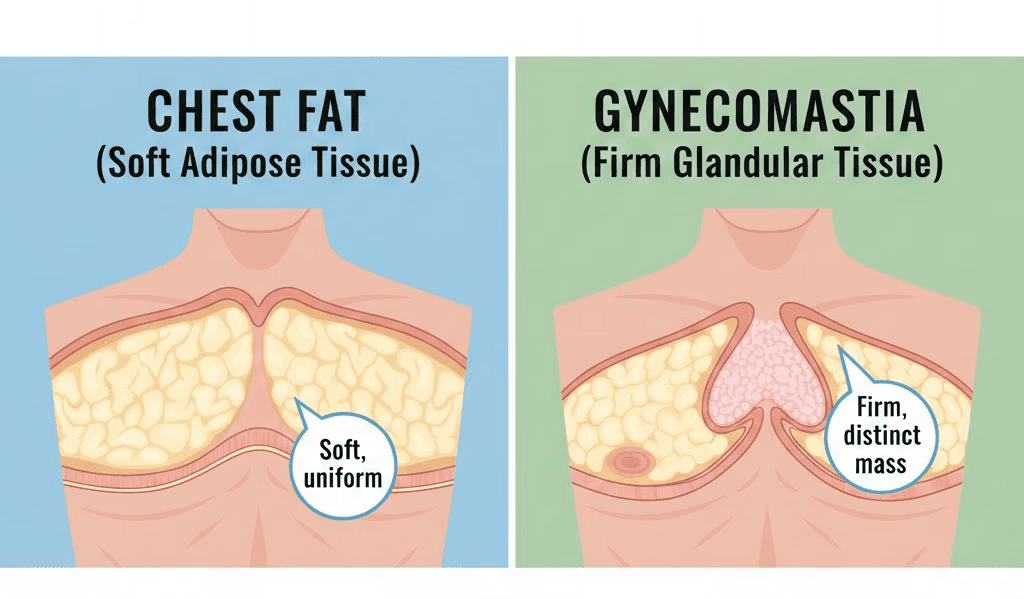
Person's feet standing on digital bathroom scale displaying word 'DIET'

Health

Nov 19, 2018

Does Your Body Weight Have a "Set Point"?

Editor’s Note: This post was updated on November 18, 2018, for accuracy and comprehensiveness. It was originally published on February 1, 2017.

Anyone who has ever attempted to lose weight or gain lean body mass knows what it feels like to hit a plateau. Maybe you’re a hard gainer who put on a few pounds of muscle only to see your gains disappear a few months later. Or perhaps you busted your butt to lose few pounds, hit a plateau, before slowly reverting back to where you started. Regardless, it’s frustrating.

In this article, we’ll discuss one of the main reasons this happens and what you can do about it. It’s called body weight set point theory, which is the idea that your body weight range is predetermined. We’ll look at whether set points truly exist; how they’re established, if they do exist; what kind of control you have, if any; and what this all means to your future health and body composition goals.

Let’s begin.

Is Set Point Theory Real?

Set Point theory suggests that your body weight is regulated at a predetermined or “preferred” range. While there are conflicting opinions on whether “set points” really do exist, the bulk of research seems to suggest that set point theory is legit. This means your body will always “settle” within a certain range. That may explain that no matter how hard some people try, that always seem to hit a certain plateau and their progress stops.

So if that’s the case, is it possible to change your natural weight range?

Can You Change Your Set Point Range?

First, it’s important to understand how your body weight is determined and how that plays a role in your set point range.

Your body weight is determined by three things:

  1. Genes

  2. Environment (diet and exercise)

  3. Epigenetic effects (hormones)

In other words, a variety of factors like genes, hormones, exercise frequency, nutrition, and other physiological mechanisms help determine your body’s weight range.

Let’s look at each one of these in more detail.

1. The role of genetics on body weight set points

It’s all genetics.”

I’m sure you can think of at least one friend or family member who has used this as an excuse not to take care of their health and make lifestyle changes.

Here’s the thing though: genetics play a role in how your body weight is determined … but they’re not your destiny.

Yes, there are genetic factors that can predispose people to a certain body weight set point range. However, researchers have found that “bad genes” are unlikely to explain the rapid rise of obesity rates around the globe.

According to a review of several studies that looked at the link between genetics and obesity, “Moving from genetic predisposition to obesity itself generally requires some change in diet, lifestyle, or other environmental factors.”

The bottom line is this: high-calorie intake from an unhealthy diet and not genetics is usually the explanation for your body type. Yes, you can counteract your genetically predisposed body weight ranges through lifestyle changes –  controlling your calorie intake, choosing nutrient-rich foods, and exercising.

2. The role of environmental factors on body weight set points

As mentioned, there are two environmental factors that help determine your body’s set points: what you eat and how much you move.

Exercise

It’s not surprising that exercise play a role in determining your body’s set points.

Human physiology follows the first law of thermodynamics, which states that energy can be transformed from one form to another, but cannot be created or destroyed. In other words, your body has a natural “energy balance”. What you eat and drink = “energy in” and what you burn = “energy out.”

Generally speaking, if you consume more calories than you burn, over time you will gain weight. If you consume less calories than you burn, you will lose weight (although it’s not always so black and white though, as many have experienced).

As noted above, you can offset certain genetic markers of obesity through lifestyle changes like adjusting your exercise frequency.

Exercise, and particularly strength training, is the best method for reducing body fat. And the more you exercise, the more you may be able to change your body weight set point due to decreases in body fat levels and increases in lean body mass.

Diet

a plate of salad with some cheese

What you eat is another critical component that helps determine your body weight set point. As discussed, your energy input and output over time heavily influence your body weight set point.

While strenuous exercise is the best strategy for reducing body fat, adjusting your calorie intake is the most effective method for preventing weight gain and increasing your set point range.

Unfortunately, regulation of body weight is asymmetric, which means it’s much easier to gain weight and keep it on than it is to lose weight and keep it off. Most of us have experienced this at some point: the more weight you lose, the harder your body works to resist that change. It can feel like you’re getting “pulled back” to your old weight with the slightest slip-up.

However, there are several strategies you can employ to combat this, depending on your health goals.

Research shows that adaptive metabolic changes do not explain the tendency of weight-reduced persons to regain weight. In other words, people who lose weight are not “predisposed” to future weight gain. They just fail to:

1.) make the right types of changes to their diet and exercise habits, and
2.) do it long enough to change their body weight set points.

In obese individuals, consistent, structured changes over time appear to be the best method for preventing weight gain and changing your body weight set point. So just like achieving any goal, building habits is the key to success.

woman and man jogging by the shore

One study estimated that obese individuals who change their energy balance by 100 calories per day (either by eating less or exercising more) can prevent future weight gain. Another study found that maintaining lost body weight is more likely to be achieved if energy intake over the course of 2 years is around 170 kcal/day lower than before.

The National Weight Control Registry also gives us insight into what it takes to lose weight and keep it off (and thus lower your body weight set point). The Registry tracks over 10,000 people whose members have lost an average of 66 lbs and kept it off for 5.5 years.

To maintain their weight loss, members engage in the following habits:

  • 78% eat breakfast every day

  • 75% weigh themselves at least once a week

  • 62% watch less than 10 hours of TV per week

  • 90% exercise, on average, about 1 hour per day

Moreover, weight loss maintenance gets easier over time. Research shows that after you successfully maintain weight loss for at least 2 years, the chance of longer-term success greatly increases.

What Diet Changes Should You Make?

These days we’re inundated with information about diet changes you should make to lose weight/gain muscle/keep weight off/etc.

We’ll stay off the fad bandwagon and say this about what it takes to maintain your body weight set point range: the best “diet” for maintaining a lower body weight range is one that promotes a healthy balance between energy intake and output.

So what does that mean, specifically?

Despite the low carb, high fat craze, research shows that high-fat diets can encourage overeating and obesity rates tend to be higher among high-fat dieters. That’s not to say that fat makes you fat. It simply means that for people who want to lose weight and keep it off, eating a lot of fat can lead to a higher body weight set point.

Make high protein, high fiber, lower fat, plant-based foods the focal point of your diet to maintain a lower body weight set point range.

To maintain body composition and set point weight range after increasing your lean body mass, strength training and consuming enough calories (particularly from protein) are key.

3. The role of hormones on body weight set point

genetics represented by confetti

Your hormones are another factor that affects your body weight set point. For example:

  • Research shows that higher testosterone levels can help you maintain lean body mass.

  • Leptin, commonly known as the “satiety hormone” or “fat hormone”, plays a role in helping you maintain body weight set point range.

  • Higher levels of cortisol, the “stress hormone” are associated with fat accumulation in your body.

The good news is, you can improve your hormone profile by:

  1. Getting enough sleep. Sleep disorders have been shown to disrupt hormone levels.

  2. Eating a fiber-rich, protein-rich diet low in saturated fat. There is evidence that this type of diet may help boost your serotonin levels, popularly known as the happiness hormone.

  3. Working out regularly, especially resistance exercises, has been shown to increase anabolic hormones.

  4. Finding ways to manage stress.

Conclusion

Current evidence seems to suggest that the set point theory is the real deal. Your natural weight range is a combination of your genes, hormones, and diet and exercise activity. Here’s the good news: research shows you can, in fact, change your set point through lifestyle changes. As most of us have experienced though, it’s not an easy thing to break through this plateau.

Although you may have felt (or currently feel) “stuck” at a certain weight, research shows that the key is building habits like making good nutrition choices, exercising frequently, managing stress, and getting enough sleep.

More specifically, eating foods high in fiber and protein seems to help, as does strength training (the more muscle, the easier it is to get and stay lean).

Setting body composition goals can play an important role. It’s one of the most accurate ways to gauge where you stand health-wise because it’s measurable. And just like they say in the business world, what gets measured gets improved. Now that you have the knowledge, let’s see much progress you can make.

***

Scott Christ is a health and wellness entrepreneur, writer, and website strategy consultant. He’s also the creator of the world’s healthiest plant-based protein powder.

Get updates worth your time.

5,000,000+ users

Get updates worth
your time.

5,000,000+ users

Get updates worth
your time.

5,000,000+ users

Product

Software

Resources

Company