September 11, 2018
Editor’s Note: This post was updated on December 18, 2025, for accuracy and comprehensiveness. It was originally published on August 1, 2017.
You may go a few days without exercise and then realize several weeks have passed without a workout. You trained hard, built momentum, and then unexpected events or schedule changes interrupted your routine.
How fast do you lose fitness progress, and how much damage is done? The short answer: your body adapts quickly to training and to the lack of it.
Cardio fades faster than strength, but not everything vanishes overnight, and a smart return can protect your progress. Here's what actually changes inside your body week by week, what influences the speed of those changes, and how to manage a break so you come back strong.
What Happens to Your Body When You Stop Working Out?
According to the American Council on Exercise (ACE), training recovery is a critical component of an exercise program, and for most people, this consists of one to three days of rest depending on intensity of the activity.
However, if you go beyond a week without activity, you begin to experience the effects of “detraining” (also called deconditioning), a phenomenon in which you lose the beneficial effects of training. As opposed to rest and recovery, detraining is an extended rest interval that results in reduced physical fitness.
Here's what typically shifts, and roughly how fast it can happen:
Aerobic Capacity
When you stop working out, your cardiovascular system begins to lose its efficiency. Aerobic exercise improves your heart’s ability to pump blood and increases your body’s ability to utilize oxygen, known as VO2 max. VO2 max can begin to drop significantly within just two to four weeks of detraining.
This decline is attributed to decreased blood volume and reduced cardiac output, which are direct consequences of stopping exercise. A study found that most of the aerobic capacity gained through exercise over two to three months is lost within two to four weeks.
After a few weeks, even everyday activities like climbing stairs or walking briskly may leave you winded as your body is no longer as efficient at delivering oxygen to your muscles.
Muscle Strength
Muscles rely on regular exercise to maintain strength, endurance, and size. When you stop working out, muscle mass begins to decrease, and strength declines. A detraining period of 12 weeks results in decreased muscle mass and muscular strength, although the muscles can return to pre-training levels. The good news is that retraining can occur more quickly as a result of a concept known as “muscle memory”.
By the end of a month without exercise, everyday activities like lifting heavy groceries or carrying boxes might feel more difficult, and your muscles may fatigue more quickly.
Blood Pressure
Lowered blood pressure is a well-known benefit of regular exercise. In fact, exercise is a medically accepted lifestyle change to treat hypertension. When you stop exercising, especially if you’ve been using physical activity to manage hypertension, blood pressure can begin to rise.
A study that looked at the blood pressure responses in a group of prehypertensive men saw a decrease in blood pressure during a six month period of training, and a rise in blood pressure after just two weeks of inactivity.
Of course, stopping your exercise routine does not mean you will have high blood pressure.
However, if you already have hypertension, it is important to realize you may need to consult with your doctor if you’ve been using exercise to lower your blood pressure and you anticipate a period without exercise.
Blood Sugar
Normally, your blood glucose rises after you eat, then drops as your muscles and other tissues absorb the sugar needed for energy. Exercise is an effective way to lower blood glucose levels, but if you stop working out, your blood sugar levels may remain elevated after a meal.
A study showed that after just three days of inactivity, insulin sensitivity and glucose tolerance started to decline in healthy adults. Blood glucose levels remained higher after meals, which increases the risk of developing type 2 diabetes over time. This effect happens because the muscles are no longer as active in absorbing glucose from the bloodstream.
Within a few days of no exercise, you might find that your energy dips, especially after meals, and your body is less efficient at processing the food you consume.
Fat Mass
When you stop working out, your metabolism slows down, which can lead to an increase in fat mass. This is largely due to the loss of muscle mass, which is responsible for a large portion of your body’s calorie-burning potential.
Studies have shown that after just three to four weeks of detraining, individuals begin to experience weight gain and increased fat accumulation.
Glycogen and insulin sensitivity
One of the first changes that occur when you stop exercising is a decrease in muscle glycogen storage. Glycogen is the primary fuel source for muscles during exercise, and when you stop working out, the amount of glycogen stored in your muscles begins to decrease.
Additionally, your body’s insulin sensitivity drops within just a few days of inactivity. Three days of detraining reduced muscle glycogen by 25% and insulin sensitivity by 10-20%. These changes affect your ability to store and utilize carbohydrates efficiently, making heavy carb meals feel “heavier” and affecting your overall energy levels.
Mobility and movement quality
Without regular movement and stretching, your muscles and joints begin to lose their flexibility. A lack of range-of-motion exercises causes muscle tightness, especially in areas like the hips, hamstrings, and back.
Just two weeks of inactivity led to reduced flexibility and range of motion in the lower body, particularly in the hips and knees. The decline in mobility can affect posture and the ease of movement, making you more prone to injury when you resume exercise.
Within two to four weeks of no exercise, you may start to feel stiffer, especially in your hips and lower back, and you might find it harder to perform movements that require flexibility, such as bending or twisting.
What Happens When You Stop Working Out: Key Takeaways
Important: detraining isn't linear or identical for everyone. Your background, current stress, sleep, and nutrition all affect the pace. And the adaptations don't vanish in a puff of smoke: they fade on a spectrum and come back faster than they were built the first time.
Fitness Aspect | What Happens | Timeline for Change |
Aerobic Capacity | VO2 max declines due to reduced blood volume and cardiac output. | 2-4 weeks |
Muscle Strength | Muscle mass and strength decrease. Muscle memory helps you regain strength more quickly after retraining. | 4 weeks |
Blood Pressure | Blood pressure begins to rise, especially if you’ve used exercise to manage hypertension. | 2 weeks |
Blood Sugar | Insulin sensitivity and glucose tolerance decline. Blood glucose levels remain higher after meals. | 3 days |
Fat Mass | Loss of muscle mass slows metabolism and increases fat accumulation, leading to weight gain. | 3-4 weeks |
Glycogen & Insulin Sensitivity | Muscle glycogen storage decreases, and insulin sensitivity drops, affecting carbohydrate metabolism. | 3 days |
Mobility & Movement Quality | Reduced flexibility, especially in hips, hamstrings, and lower back. Increased stiffness and decreased range of motion. | 2-4 weeks |
What Happens to Your Body After a 1-Week Break?
A week off is usually more friend than foe.
What you'll likely notice:
Cardio: You might feel a small dip in endurance due to reduced plasma volume, so the first run or ride can feel oddly tough. This often normalizes within a few sessions.
Strength: Minimal change. If anything, you may feel fresher because fatigue dissipates. Heavy lifts can feel slightly awkward from lost groove, not lost muscle.
Muscle size: No meaningful atrophy in one week. Glycogen may drop if you also reduce carbs, making muscles look a bit flatter, not smaller.
Mobility and joints: If you've been nursing nagging aches, a short break can help reset inflammation. Keep some light mobility so you don't stiffen up.
Weight: Scale weight may fluctuate from changes in glycogen and water, not fat gain.
How to return after one week:
Do a "primer" session: 70–80% of your usual volume and intensity for 1–3 workouts.
For cardio, hold back the first interval day: build into it with steady work and strides.
For lifting, use the same loads with fewer sets, or lighter loads with normal sets, to groove technique.
What Happens to Your Body After a 1-Month Break?
Around the 3–4 week mark, detraining becomes more noticeable, especially for endurance.
What typically changes by a month:
Endurance and VO2 max: A common range is a 10–14% drop in VO2 max without training over 3–4 weeks. Tempo paces feel like threshold: threshold feels like a race. Heart rate climbs sooner, and recovery between hard efforts slows.
Lactate threshold and economy: You lose some efficiency. The same pace can feel sloppy or energetically expensive.
Strength and muscle: Neural sharpness fades, and you may see a modest strength drop (often in the 5–10% ballpark for compound lifts). Hypertrophy takes longer to disappear, but reduced muscle protein synthesis and activity can start trimming size, especially if protein and total calories were low during the break.
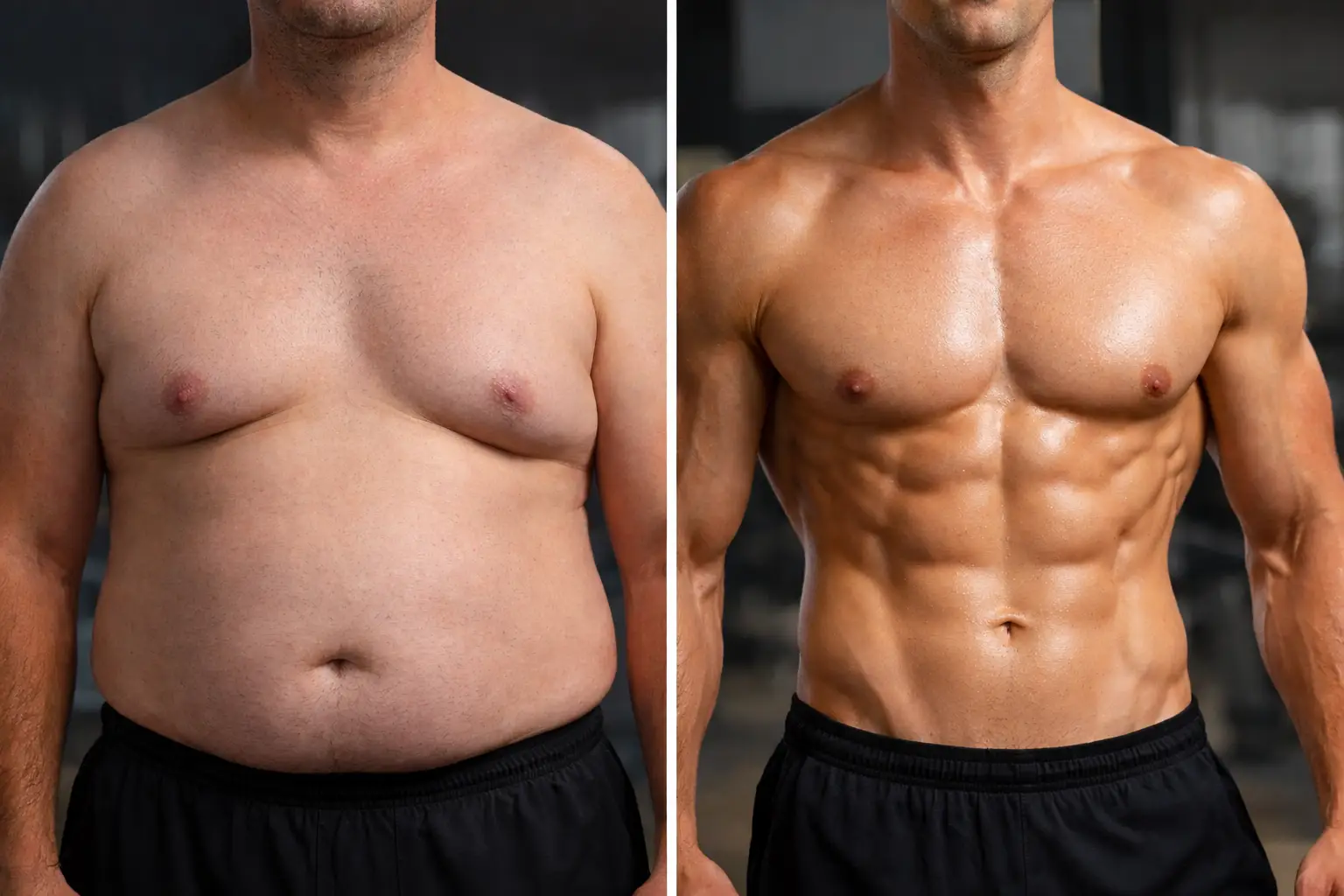
Body composition: Without training, a slight calorie surplus can lead to fat gain while glycogen and water shifts make muscles look smaller. It's common to look "softer," even if total weight change is modest.
What you'll feel on return:
Higher RPE at familiar paces and loads.
More pronounced DOMS in the first week back (especially if you jump right into previous volumes).
Technique drift: Bar path, foot strike, and posture might need a quick recalibration.
Factors That Impact Your Fitness Loss
The extent of fitness loss you experience depends on several variables, including the length of your exercise layoff, your age, and your level of fitness.
Duration of Inactivity
The length of time you remain inactive is the most significant factor in how quickly your fitness will decline. While short periods of rest, such as a few days to a week, generally allow for recovery, anything beyond that can lead to noticeable detraining effects.
A study concluded that just a fourteen-day break significantly reduces cardiovascular endurance, lean muscle mass, and insulin sensitivity.
Type of Exercise and Training Level
The type of exercise you were doing before stopping also plays a role in how quickly fitness declines. If you were engaged in high-intensity interval training (HIIT), weightlifting, or endurance sports, the loss of cardiovascular capacity and muscle mass will often be more noticeable in the first few weeks of detraining.
On the other hand, someone who was regularly engaging in low-impact activities, such as walking or yoga, may experience slower declines in fitness. The more specialized and intense your training, the faster you might notice a reduction in performance when you stop.
Age and Fitness Level
Age is a crucial factor in how quickly fitness declines. Research shows that older individuals, especially those over 40, tend to lose muscle mass and strength more rapidly than younger individuals when they stop exercising.
This is due to a natural decline in muscle protein synthesis and hormonal changes associated with aging, which slow down the recovery and rebuilding process. On the flip side, younger individuals with a higher fitness baseline may notice fewer declines, as their bodies are more adaptable and able to retain muscle and cardiovascular gains for longer periods of time.
Nutrition and Diet
Your diet plays an important role in how well you maintain fitness levels during periods of inactivity. A well-balanced diet with adequate protein intake can help preserve muscle mass, even when you stop exercising.
Conversely, poor nutrition or calorie surplus, especially in the absence of exercise, can accelerate fat gain and metabolic slowdown. Consuming sufficient protein helps to maintain muscle health and can even mitigate some of the negative effects of detraining, while a poor diet may lead to increased fat mass and slower metabolic rates.
Genetics and Muscle Memory
Genetic factors also influence how your body responds to a period of detraining. Some individuals are naturally predisposed to maintain muscle mass and cardiovascular health for longer periods of time, even without consistent exercise.
On the other hand, some people may experience quicker declines due to genetics. However, the concept of muscle memory helps those who return to exercise after a period of inactivity regain their previous fitness levels much faster.
How to Manage a Break in Your Training
The best way to stop fitness losses is to not abandon exercise in the first place. That doesn’t mean you should never skip a workout. Honor your body with needed rest and recovery. If you train hard, taking a break will help improve your muscle development and aerobic fitness and help you avoid overtraining syndrome.
But if you’re injured or very ill, you absolutely should rest. Life can get in the way of your normal fitness routine, but that doesn’t mean it’s the end of the world. Take time to rest and recover, and get back on it when you’re feeling better.
Here are some tips to help minimize the negative consequences of abandoning your workout schedule if you aren’t forced to completely stop exercising for an extended time:
Crosstrain or try “light” activity that’s not part of your usual regimen, such as yoga, walking, or bike rides.
Try a chair workout or add stairs to your daily routine.
Scale back your workout schedule if time is the issue. Try just 1-2 sessions per week, break your workout into several shorter sessions, or incorporate a few sessions of high-intensity interval training.
Try working unaffected muscle groups if you’ve stopped exercising due to an injury such as a broken bone or ruptured tendon.
Maintain good nutrition while consuming adequate protein to minimize muscle loss.
Aim for 7,000–10,000 steps daily.
A bit more water and sodium helps with plasma volume and energy, especially if you feel oddly fatigued.
Red flags to respect:
Post-illness chest pain, unusual breathlessness, dizziness, or a heart rate that won't settle, get medical clearance.
Joint pain that sharpens with load or lingers more than a few days, pull back and assess technique and volume.
What happens when you stop working out isn't permanent backsliding: it's your body shifting gears. Keep some movement, eat to maintain muscle, sleep like it matters, and stage your return. You'll reclaim your fitness faster than you think, and you might even come back feeling better than before.
If you have underlying health concerns or are recovering from illness or injury, consult a qualified health professional before returning to exercise.
Key Takeaways
When you stop working out, aerobic fitness declines fastest, and VO2 max can drop 4 to 7 percent in 2 to 3 weeks and about 10 to 14 percent by a month, while strength mostly holds with only minor reductions.
A 1-week break causes minimal losses, mainly from plasma volume shifts, so return at 70 to 80 percent volume and ease into intensity to restore your training rhythm.
After a month off, expect a higher rate of perceived exertion (RPE), a 5 to 10 percent strength dip, and reduced power or speed, but muscle memory helps you regain most fitness within 2 to 6 weeks with consistent training.
Slow detraining by keeping 7,000 to 10,000 daily steps, adding 2 to 3 short micro-sessions weekly, eating 0.7 to 1.0 grams of protein per pound of body weight, staying hydrated, and sleeping 7 to 9 hours
Manage your comeback with a 4-week ramp, 50 to 60% volume in week 1, up to 80-100% by week 4. Avoid chasing DOMS, and watch for post-illness red flags.
How fast you lose fitness depends on your training history, age, activity level during the break, nutrition, sleep, stress, and overall health, so focus on the factors you can influence.
Frequently Asked Questions
What happens when you stop working out for a week?
A short break mostly affects cardio, not strength. Plasma volume can dip in days, so runs may feel harder and heart rate slightly higher. Strength and muscle size barely change. Return with 70–80% of usual volume for 1–3 sessions, keep technique crisp, and expect mild awkwardness more than true loss.
What happens when you stop working out for a month?
Around 3–4 weeks, endurance drops are noticeable: VO2 max commonly falls about 10–14%, and paces feel tougher. Strength may dip roughly 5–10% as neural sharpness fades; power feels rusty. Most regain happens within 2–6 weeks back. Restart at 50–60% volume, add one quality session in week two, then build.
How fast do you lose cardio and strength when you stop working out?
Cardio declines fastest. VO2 max can drop 4–7% in 2–3 weeks and up to 10–14% by four weeks. Plasma volume falls early, raising heart rate. Strength is more resilient: neural efficiency fades in weeks, while muscle size meaningfully shrinks after about 2–3 weeks without stimulus, then rebounds quickly via muscle memory.
What factors determine how quickly you detrain?
Training history, age, and the fitness type matter. Aerobic capacity and power fade faster than maximal strength. Staying active (steps, mobility, short circuits) slows losses. Protein, hydration, sleep, and lower stress preserve muscle and blood volume. Illness or high stress can accelerate declines; heat or altitude changes also influence adaptation loss.
Will I gain fat if I stop working out for a while?
Not automatically. Early weight changes often reflect lower muscle glycogen and water, not fat. Fat gain occurs if calorie intake stays high while activity drops. Keep daily steps up, adjust calories modestly, prioritize protein (0.7–1.0 g per lb of goal body weight), and include brief movement snacks to maintain expenditure.
Does your metabolism slow when you stop working out, and should you change your diet?
Resting metabolic rate changes little short term; the bigger drop is fewer calories burned from activity. Reduce portions slightly on rest days, keep protein high (1.6–2.2 g/kg), and time carbs around any activity or evenings for sleep. Maintain 7,000–10,000 steps and consider 15–25 minute micro-workouts to offset reductions.
***
Jennifer Boidy, RN is a freelance healthcare content writer who is always on the lookout for innovative technologies that improve health and the delivery of healthcare. Jennifer resides in Manchester, MD with her husband, two teenagers, dog, cat, and plenty of wildlife.