
Editor’s Note: This post was updated on October 16, 2026 , for accuracy and comprehensiveness. It was originally published on September 1, 2018.
When you hear the word “bacteria,” it’s probably a safe bet your mind goes to “eww” instead of “love it!!!”. That’s understandable: bacteria brings to mind yucky germs, infections, and food poisoning.
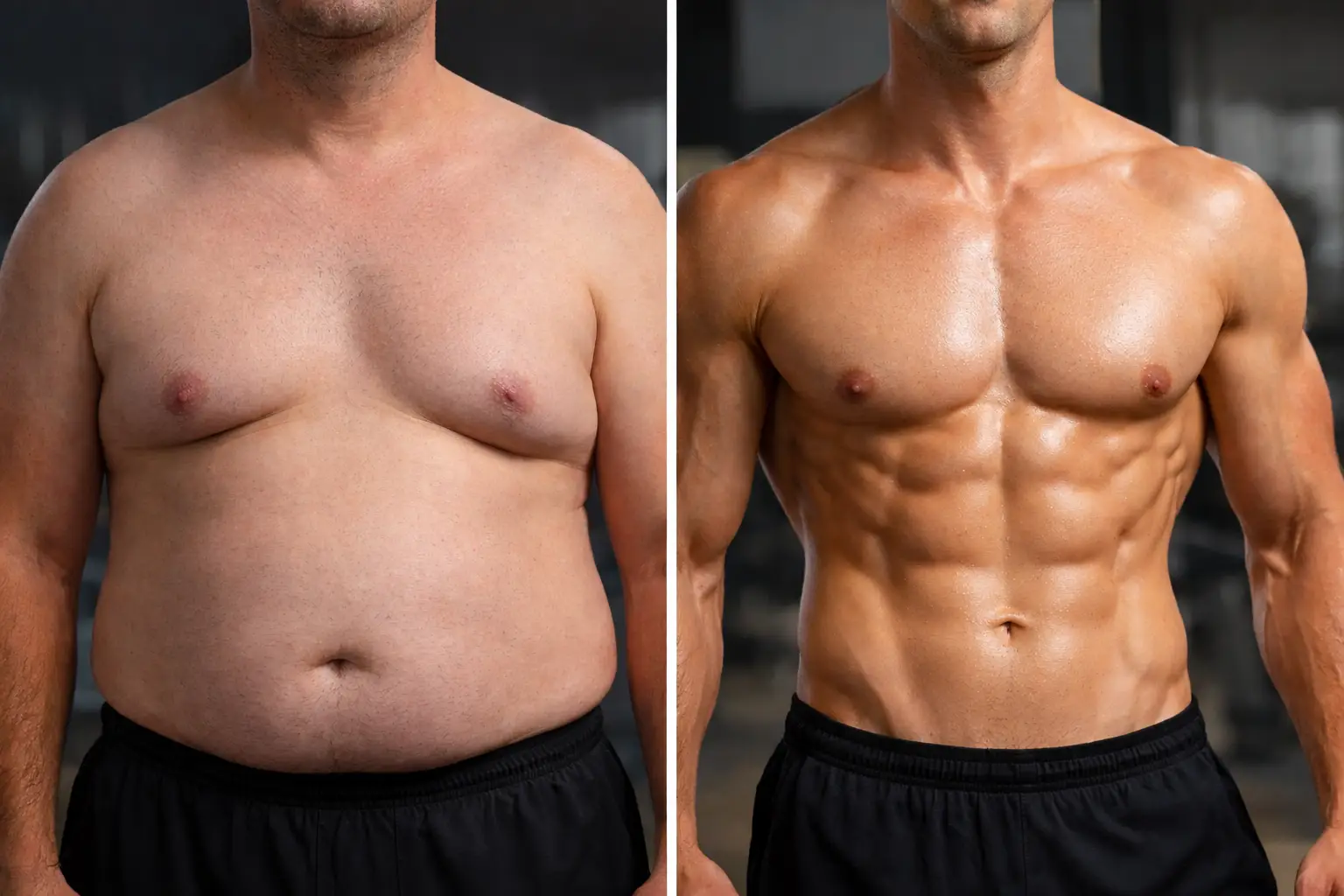
But did you know that right now, your entire body is host to trillions of bacteria? Don’t be alarmed! As it turns out, these beneficial healthy bacteria have a significant effect on your weight, body composition, and overall health.
Much of this bacteria lives in your intestines and is referred to as your gut microbiome, which some scientists refer to as the forgotten organ. Among the most important residents are bifidobacteria. So what is bifidobacteria? It is one of the first bacterial groups to colonize the human gut at birth and one of the most studied for their role in digestion, immunity, and body weight.
You may have heard it referred to as your gut health. It’s a way of grouping the trillions of gut bacteria that live inside your digestive tract and carry out many essential processes in your body – from potentially curbing obesity to regulating non-communicable inflammatory disorders and even altering our current state of mind.
It is worth noting that we are still largely in the dark about what makes a healthy microbiome. Let’s take a look at some of the latest research and why it’s worth educating yourself on your gut health when you’re trying to make changes to your body composition.
Gut Bacteria and Your Body Composition
You may be wondering if an individual’s unique microbial makeup, just like one’s genetic makeup, can potentially influence body weight and composition.
If you are, you’re not alone – researchers have been studying this topic. A Tufts University study is examining the role of the gut microbiome on lean body mass and physical function among older adults.
To see how this plays out, consider a couple of research studies that strongly suggest how gut bacteria can have a direct impact on overall body composition.
First, it has been found that transplanting intestinal microbiota from obese mice can increase total body fat in lean mice — - a nearly 60% increase in body fat content within 14 days, despite reduced food consumption.
Insulin resistance accompanied the increase in body fat and weight gain among the lean mice.
According to the researchers, these findings suggest that gut microbiota may be a significant factor that affects energy expenditure and storage (aka your metabolism) and fat storage. This is particularly important, given that your metabolism is closely linked to the state of your current body composition and weight, which is shaped by more than age or diet alone, in contrast to common public perception.
The results from the mice study are supported by a human study on transplanting intestinal microbiota in humans. In that study, males with metabolic syndrome (a collective name for signs and symptoms that increases your risk of stroke and diabetes) received infusions of intestinal microbiota from lean donors. After six weeks, recipients experienced increased insulin sensitivity.
What does increased insulin sensitivity have to do with body composition?
The more sensitive you are to insulin, the more likely it is that you have a leaner body. This is possible because of insulin’s anabolic properties — replenishing fuel stores by transporting glucose to your muscles and liver (and storing it as glycogen) from the carbohydrates you consumed, as well as reducing the rate of protein degradation (for energy source) in muscles.
Insulin's positive impact on body composition, such as weight loss or obesity prevention, is reduced by a sedentary lifestyle and frequent intake of highly processed carbohydrates.
Instead, insulin starts to store glucose as fat. This state is known as insulin resistance.
Bifidobacteria and Your Body Composition
The link between gut bacteria and body fat is clearest for one group in particular: bifidobacteria. Recent human trials, not just mouse studies, suggest this group of bacteria has a measurable effect on body composition.
A 2024 meta-analysis of randomized controlled trials found that Bifidobacterium-only probiotics reduced body weight, BMI, waist circumference, and body fat percentage in adults with overweight or obesity. In a separate 16-week randomized trial, adults taking Bifidobacterium longum and Bifidobacterium breve saw significant reductions in abdominal visceral fat area and total abdominal fat area compared to a placebo group, while BMI increased in the placebo group.
The pattern shows up in reverse too. An observational study found that two species, B. longum and B. bifidum, were markedly lower in people carrying more visceral fat. Lower bifidobacteria levels corresponded with higher visceral fat, the type most closely linked to metabolic risk.
The consistent thread across these studies is visceral fat, the deep abdominal fat linked to metabolic risk, and the type a scale can't see but a body composition test can. Diet, gut bacteria, and body composition results are more closely connected than they appear.
The Key To A Healthy Gut: Diversity

So far, research suggests that not all gut microbiomes are created equal, and that lean and healthy people tend to have a “healthier gut.” What might contribute to that healthy gut?
It has to do with how much bacterial diversity your gut has.
In 2009, microbial ecologist Maria Gloria Dominguez-Bello and her team visited the Yanomami tribe — a tiny community of an isolated Indigenous group in the Brazilian Amazon. With oral, skin, and fecal samples from 34 Yanomami villagers, Dominguez-Bello revealed their findings six years later:
The average Yanomami’s gut bacteria had greater bacterial diversity than any other group studied
This finding came right on the heels of a similar one, the previous year, when it was reported that the gut microbiome of the Hadza hunter-gatherer tribe, an African indigenous tribe in Tanzania, had higher levels of microbial biodiversity than subjects living in urban areas and agricultural communities.
So tribes living in the Amazonian rain forest and African plains havemore diverse gut bacteria than people in urban New York or Paris – what’s the significance?
In 2016, the link between gut microbial diversity and its absence in some disease states was described in a study published in Molecular Metabolism. The researchers noted that overall health is compromised when there’s an absence of diversity in the gut bacteria resulting from lack of dietary diversity.
They further emphasized that having more diversity translates to a more varied repertoire of responses against different disease states.
Make Your Gut Microbes Work In Your Favor
Your microbial makeup has the ability to continuously shift and is influenced by (but not limited to) your diet, environment, and lifestyle. With this fact, you’ll likely wonder what type of diet and lifestyle supports a healthy gut microbiome.
Diet and lifestyle patterns that support microbial diversity are the factors most consistently identified in the research. The sections below cover the main ones.
Bring on the probiotics.

A probiotic is often referred to as good bacteria that help keep the bad guys (viruses and other bacteria) in check. Bifidobacteria are one of the two main probiotic groups you'll see on supplement labels, alongside Lactobacillus. Reported benefits include support for immune function, along with associations with lower cholesterol and reduced anxiety.
So, how do you make sure that you have enough of them?
Consume yogurt (low in sugar and high in bacterial cultures) and fermented foods. Traditional cultures have their own version of fermented goodness — from Korea’s kimchi to Germany’s sauerkraut. If fermented foods are not your thing, consider probiotic supplements to help boost your gut health.
Fill up on prebiotics.
You can also help the gut bacteria thrive in your digestive tracts by consuming prebiotics. Generally, prebiotics are a form of soluble fiber. Fiber-rich foods are also the most reliable way to increase bifidobacteria specifically, since these are the fibers they feed on.
Your body cannot digest these prebiotics, but your gut bacteria can. Good sources of fiber-rich prebiotics include nutrient-dense foods such as leeks, garlic, onions, fruits, legumes, and raw chicory. Resistant starches such as plantains, green bananas, and cooled potatoes have been shown to boost beneficial bacteria in the colon in animal studies. Barley, oats, and wheat bran are insoluble high-fiber grains that are also excellent sources of prebiotics. A diet with different types of fiber has been shown to reduce your risk of obesity and prevent rapid weight gain, yet the jury is still out on actual weight loss.
Skip the antibiotics when you can.
Antibiotics are designed to cure bacterial infections by killing the invading bacteria. Unfortunately, antibiotics can’t really separate the good bacteria from the bad. As a result, antibiotic therapy can significantly reduce your microbial population as well as its diversity.
You don’t even need to be on a long-term regimen for this to occur. In fact, three to four days of antibiotics can already alter your gut microbe population and diversity. Studies have shown that children are particularly at risk, as reduced gut bacteria diversity has been linked with childhood obesity, which is associated with a higher risk of obesity in adulthood. For this reason, make sure you follow your physician’s instructions when using antibiotics.
Steer clear of conventionally raised meats and poultry.
It’s no secret that antibiotics are often used by farmers to speed growth and prevent disease in healthy livestock. While this might help farmers and their buyers meet their bottom lines, this overuse and misuse of antibiotics encourages the development of antibiotic-resistant bacteria.
A George Washington University study found that this practice is more likely to transmit antibiotic-resistant Klebsiella pneumoniae, a bacterium that can cause lung infections, to humans than strains found in clinical settings.
While buying organically raised meats may be more expensive, you don’t have to break the bank by using meat as a condiment and opting for vegetables as the star of your meals.
Spend more time outdoors.

Spending time outdoors regularly can help increase your exposure to microbial diversity. If possible, start a garden! Contact with soil is one proposed route of exposure to environmental microbes.
The Hygiene Hypothesis explores how reduced early exposure to microbes may affect immune development.
The Takeaway
Your invisible gut microbes can potentially help you shape your body composition for the better and promote optimum health through diversity. You can accomplish this by making an effort to consume enough core nutrients like prebiotics and probiotics to encourage the growth of healthy gut bacteria.
All of this underscores that when it comes to improving body composition, nutrition plays an incredibly significant role. While energy balance is still critical to take into account for weight loss – how much energy you take in vs. how much you expend – this research on your gut microbiome indicates that what you eat can also encourage and support your efforts to change your body composition.
Research increasingly frames microbes and bacteria as contributors to health rather than solely as sources of infection, including their role in body composition.
***
Kyjean Tomboc is a nurse turned freelance healthcare copywriter and UX researcher. After experimenting with going paleo and vegetarian, she realized that it all boils down to eating real food.