Product

Software

Resources

Company

Diet

Join our mailing list. We never spam.

All

Diet

Articles

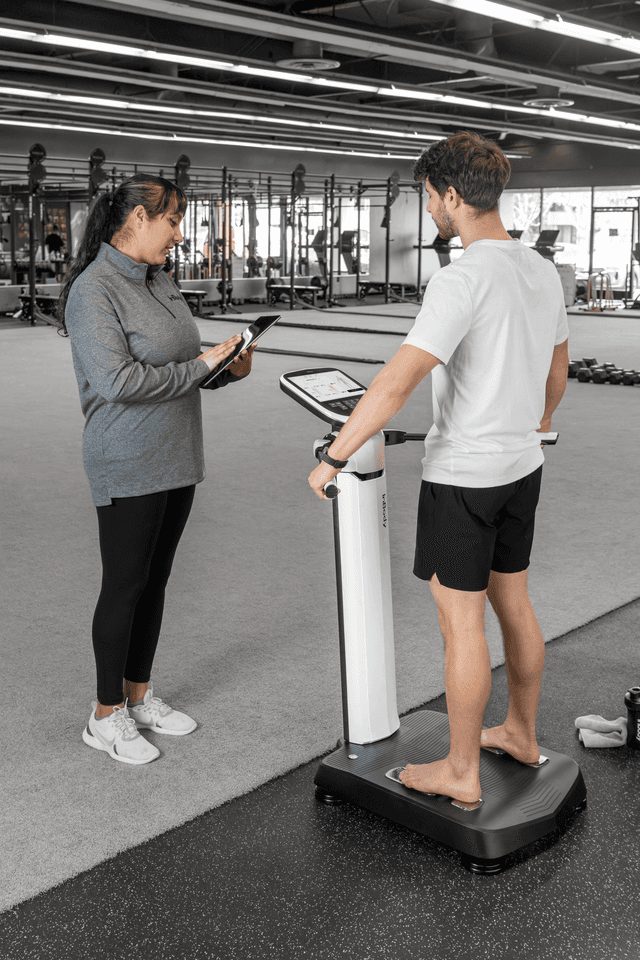
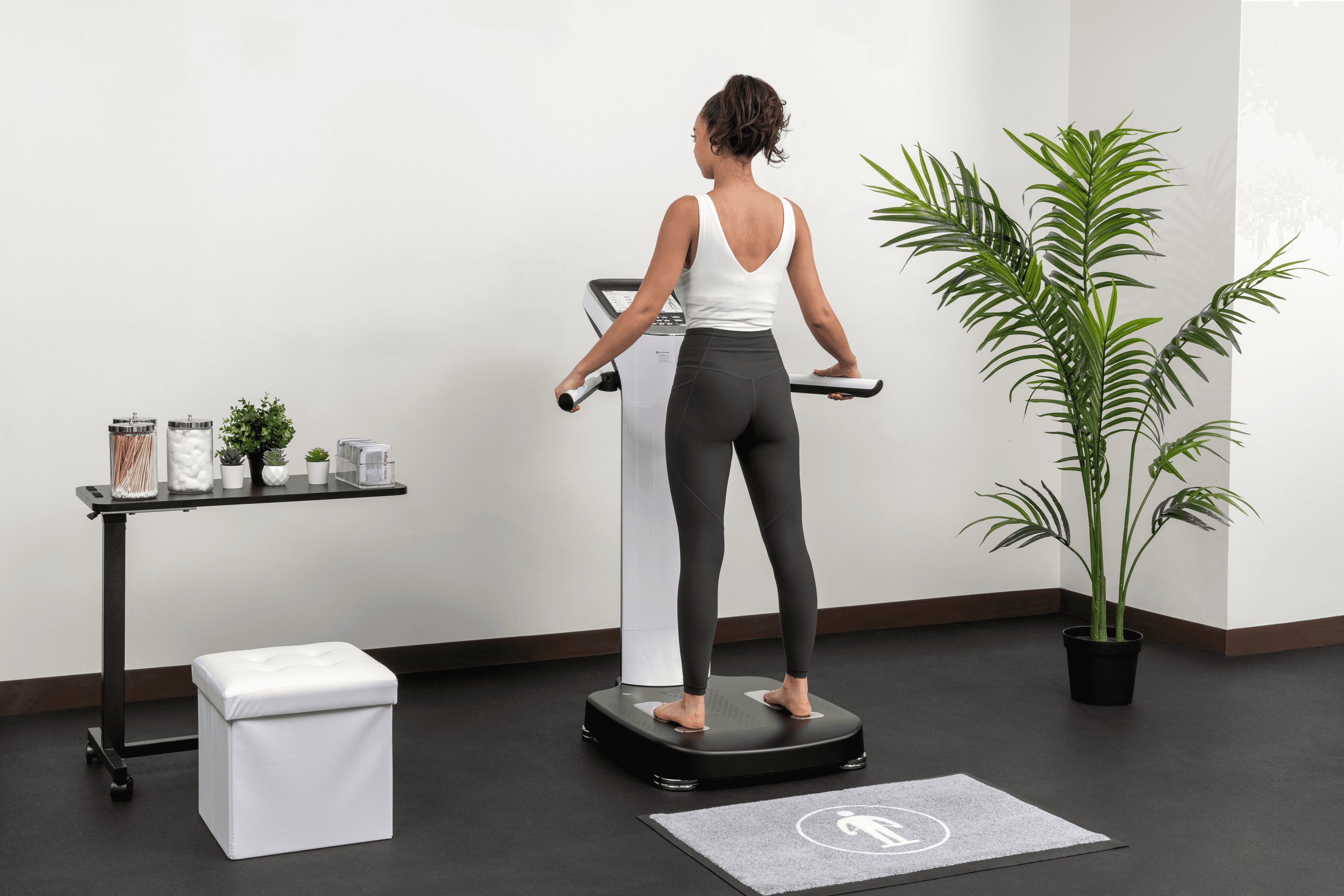
A woman standing on an InBody body composition analyzer for a professional body fat percentage test.

Health

Apr 23, 2026

18% Body Fat: What It Means, What It Looks Like, and What to Do Next

You measured your body fat and saw 18%. But what does that number actually mean? Is it healthy? Lean? Or something in between?

The answer depends on several factors, including your sex, muscle mass, and overall body composition.

In this guide, we explain what 18% body fat looks like, whether it’s healthy, and what it can mean for your body composition goals.

A woman standing on an InBody body composition analyzer for a professional body fat percentage test.

What Does 18% Body Fat Mean?

Body fat percentage represents how much of your total weight comes from fat tissue.

At 18% body fat, roughly 18% of your weight is fat, while the remaining 82% is lean mass, including muscle, bone, organs, and water.

To put some numbers to it: a 180-pound person at 18% body fat is carrying about 32 pounds of fat and roughly 148 pounds of lean mass. That's a meaningful distinction, because two people can weigh exactly the same and look completely different depending on how that weight is distributed between fat and muscle.

Body fat percentage is generally categorized into ranges by organizations like the American Council on Exercise (ACE). Their widely referenced classifications look something like this:

Category

Men

Women

Essential fat

6-13%

14-20%

Fitness

14-17%

21-24%

Acceptable

18-24%

25-31%

Obesity

25%+

32%+

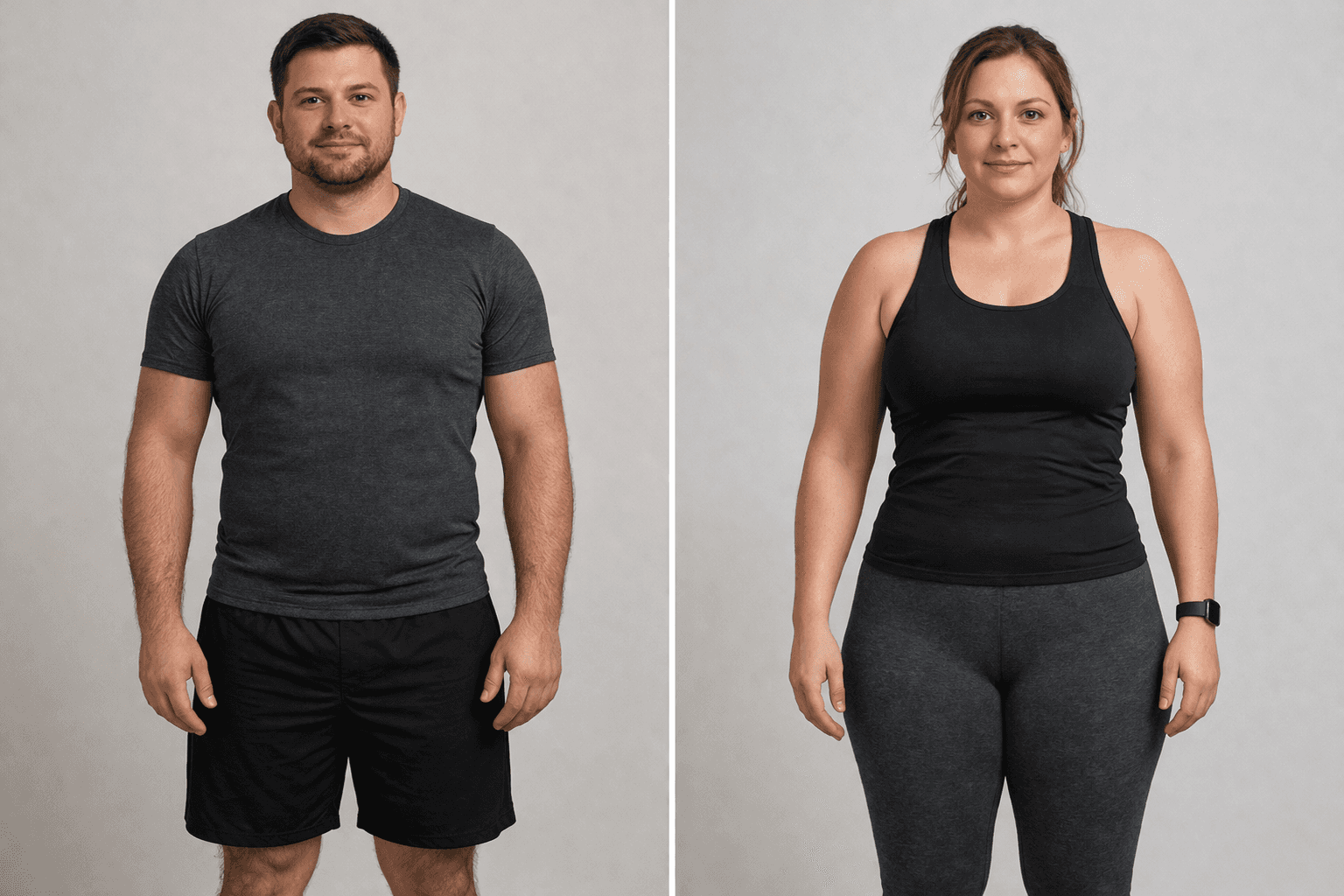
By ACE standards, 18% body fat for men falls at the lower end of the "acceptable" range, just above "fitness" level. For women, 18% is well within the athletic category. That difference matters quite a bit, and we'll cover it in more detail below.

What Does 18% Body Fat Look Like?

Numbers on a page are one thing. What you actually see in the mirror is another. Here's what 18% body fat typically looks like in practice, and why it looks quite different depending on whether you're a man or a woman.

18% Body Fat in Men

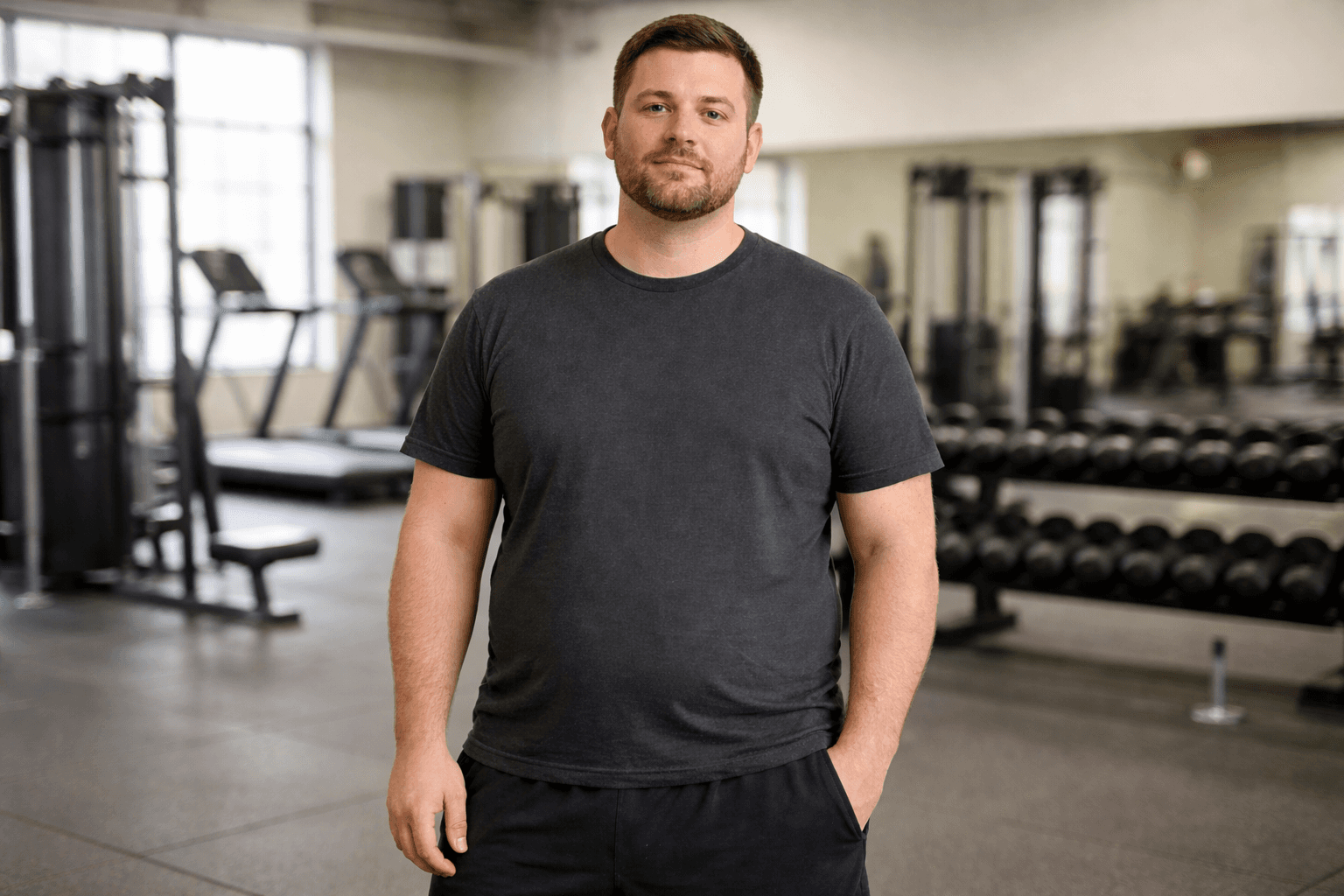
For men, 18% body fat often looks moderately lean, with noticeable muscle and a moderate layer of fat covering it. You likely have some definition in your arms and shoulders, and your chest has shape, but your midsection is where most of that fat tends to sit.

At 18%, most men won't have visible abs. The lower abdominals are typically covered, and the upper abs may only show faint definition, if at all. There's usually a soft look around the waist rather than a sharp, defined one. Love handles may be lightly present, particularly when sitting down.

For context: the "fitness" category for men starts around 14–17%. So if you're at 18% and want more visible muscle definition, you're actually quite close to that threshold.

Portrait of a confident personal trainer in a weight room with heavy lifting equipment in the background.

18% Body Fat in Women

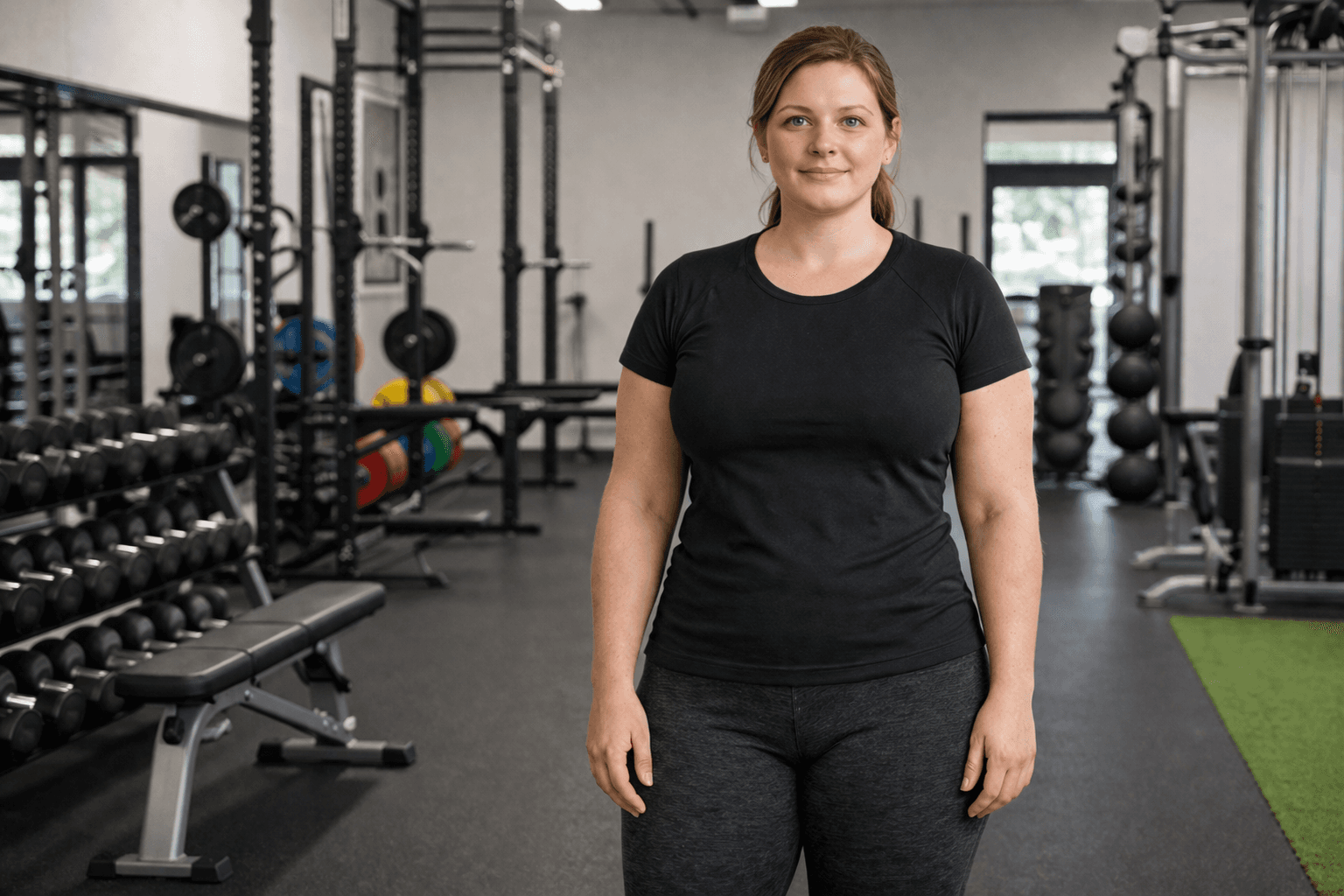
For women, 18% body fat is genuinely lean; it sits solidly in the athletic range. Women naturally carry more essential body fat than men (roughly 10–13% just for physiological functions), which means 18% total body fat is a relatively low figure.

At this level, women typically show clear muscle definition in their arms, legs, and shoulders. The core may show some ab definition, particularly the upper abs, though a very flat stomach is more common than a chiseled six-pack. There's minimal fat visible around the hips and thighs, and the overall silhouette is lean and athletic.

Fit woman in a light blue tank top standing in a bright, minimalist fitness studio with a yoga mat in the background.

Is 18% Body Fat Healthy?

For most people, 18% body fat falls within a healthy range. But context matters.

For men, 18% sits right at the border between the "fitness" and "acceptable" categories. From a metabolic health standpoint, men in this range generally have normal insulin sensitivity, healthy lipid profiles, and a reduced risk of obesity-related conditions compared to those carrying significantly more body fat. This level is generally not considered high risk.

For women, 18% body fat is squarely in the athletic range and is associated with excellent cardiovascular fitness and metabolic health markers. The one caveat: if a woman has naturally lower body fat and is sustaining 18% through extreme restriction rather than muscle development, hormonal disruption can occur. The number on its own doesn't tell the whole story; how you got there does.

In general, 18% body fat is not considered a red flag. For men seeking better athletic performance or greater muscle definition, there may be room for improvement. For women, it's already a strong, healthy baseline that many would consider a goal, not a starting point.

Can You See Abs at 18% Body Fat?

This is probably the most-asked follow-up question after getting a body fat result, and the answer depends heavily on your sex and muscle development.

For men: At 18%, visible abs are unlikely. The general consensus among trainers and sports scientists is that most men need to get below 15%, and ideally closer to 10–12%, to see clear abdominal definition. At 18%, you might notice a faint outline of the upper abs if you have well-developed abdominal muscles underneath, but a six-pack won't be on display. The subcutaneous fat layer at this percentage is just thick enough to obscure the muscle beneath.

For women: At 18%, some ab definition is quite possible, especially the upper rectus abdominis. Women's abs can become visible at higher body fat percentages than men's, partly because of muscle development and partly because of differences in how fat is distributed. A lean, flat stomach is very achievable at 18% for women, even if it's not a carved-out six-pack.

For men at 18% body fat, visible abs usually depend on both lower body fat levels and greater abdominal muscle development.

Should You Lower 18% Body Fat?

Not necessarily. The answer depends on your goals and overall health context.

For women, 18% body fat is already within the athletic range. Unless you have a specific competitive or aesthetic goal that calls for lower body fat, there's no health-based reason to push lower. In fact, for many women, maintaining 18% long-term requires consistent effort. Trying to go significantly lower could come at a cost to hormonal health, energy levels, and overall well-being.

For men, modest fat reduction may make sense if the goal is improved athletic performance, greater muscle definition, or moving into the fitness classification. Moving toward 15–17% may represent meaningful progress without requiring an extreme approach. That said, if you're healthy, feel good, and aren't chasing a specific physique goal, 18% is perfectly fine to maintain.

How to Accurately Measure 18% Body Fat

Getting an accurate read on your body fat is harder than it sounds. Many common methods have significant margin-of-error issues, and some are dramatically better than others. Here's a breakdown of the most widely used measurement tools.

Man standing on an InBody body composition analyzer to measure skeletal muscle mass and body fat percentage.

InBody Body Composition Analysis

InBody body composition machines use bioelectrical impedance analysis (BIA); they send a low electrical current through your body and measure the resistance from different tissues. What sets InBody apart from consumer-grade BIA devices is that it uses multiple frequencies and segmental analysis (measuring each limb and your trunk separately), which produces a much more detailed and accurate result.

You'll often find InBody machines at gyms, fitness studios, and sports medicine clinics. A full InBody scan gives you not just body fat percentage but also segmental muscle mass, visceral fat levels, and your basal metabolic rate, all genuinely useful data points. Accuracy is generally considered quite good, though hydration levels and testing conditions can still influence results.

DEXA Scan

DEXA (Dual-Energy X-ray Absorptiometry) is widely regarded as the gold standard for body composition measurement. Originally developed for bone density testing, it produces detailed segmental data showing exactly where fat and lean mass are distributed throughout your body.

The accuracy of DEXA is excellent; margins of error are typically 1–2%, compared to 3–8% for many other methods. The downside is access and cost. DEXA scans are usually found at medical facilities, sports science labs, or specialized body composition clinics, and they typically run $50–$150 per scan. If you want the most reliable single measurement of your body fat, this is it.

Skinfold Calipers

Skinfold calipers measure subcutaneous fat (the fat just under your skin) at specific sites on your body. Common sites include the abdomen, thigh, chest, and tricep. These measurements are then plugged into a formula to estimate total body fat percentage.

When done by a trained professional using a validated formula (like the Jackson-Pollock 7-site method), calipers can be reasonably accurate, typically within 3–4%. The major limitation is consistency: results vary significantly based on the skill of the person doing the measurement and whether the exact same sites are pinched each time. As a tracking tool over time with the same practitioner, they work well. As a one-off measurement, less so.

At-Home BIA Scales

Consumer bathroom scales with bioelectrical impedance (those that send a current through your feet) are the most accessible option, but also the least accurate. Studies have shown that many consumer BIA devices can be off by 5–8 percentage points depending on hydration status, time of day, and individual factors.

This doesn't mean they're useless. If you use the same scale, at the same time of day, under the same conditions (before eating, after using the bathroom, well-hydrated), the trend over weeks and months can be informative even if the absolute number isn't perfect. Just don't make major fitness decisions based on a single reading from a $40 bathroom scale.

How to Improve Body Composition from 18%

If your goal is to improve body composition, whether that means lowering fat, building muscle, or both, several evidence-based strategies are commonly used.

A man in a light grey t-shirt performing a standing dumbbell shoulder press in a modern, well-lit gym.
  1. Resistance training plays a central role. Building muscle is one of the most important factors in long-term body composition. More muscle mass means a higher resting metabolic rate, better glucose metabolism, and a leaner appearance even at similar body fat percentages. Many muscle-building programs include 3 to 4 sessions per week and use progressive overload, gradually increasing training demands over time.

  1. Adequate protein intake matters. For body recomposition, protein plays an important role in preserving or building lean mass. Research commonly supports higher protein intake for people engaged in regular strength training. This helps preserve lean mass during a caloric deficit and supports muscle repair after training.

  1. A modest caloric deficit is commonly used when fat loss is the goal. Aggressive calorie restriction is generally unnecessary when moving from 18% toward 15%. A deficit of 300–500 calories per day is commonly associated with steady fat loss (roughly 0.5–1 pound per week) while minimizing muscle loss. Aggressive cuts often backfire by causing muscle breakdown and metabolic adaptation.

  1. Sleep and stress management also matter. Chronically elevated cortisol, from poor sleep, high stress, or overtraining, actively promotes fat storage, particularly around the abdomen. Getting 7 to 9 hours of quality sleep per night is strongly associated with better recovery and body composition outcomes.

  1. Tracking body composition, not just body weight, provides a clearer picture of progress. Scale weight alone may not reflect body recomposition accurately, because muscle and fat can shift simultaneously. Regular body composition checks can provide a clearer picture of whether an approach is working over time.

Key Takeaways

  • 18% body fat for men falls at the border of the "fitness" and "acceptable" ranges. It is generally considered healthy, with room for improvement if greater definition or athletic performance is the goal.

  • 18% body fat for women is in the athletic category, lean, healthy, and a level that reflects consistent training and good nutrition.

  • Visible abs at 18% body fat are unlikely for most men; more achievable for women, depending on muscle development.

  • Improving body composition from 18% generally involves resistance training, adequate protein, a moderate caloric approach, and consistent sleep.

  • Tracking body composition over time gives you far more useful data than scale weight alone.

Bottom Line

18% body fat is a solid, healthy place to be. For most people, it's not a crisis number that demands immediate action. What it is, though, is a useful data point that opens the door to smarter decisions about your training and nutrition.

For women, 18% body fat is already considered lean and athletic by most standards. For men, moving from 18% to 15–16% may be achievable without extreme measures, depending on goals and consistency.

Body composition testing can help put results in context and support realistic goal-setting. 18% can be a useful starting point depending on your goals.

Fit man in a charcoal grey t-shirt smiling against a plain white studio background.

Health

Apr 23, 2026

20% Body Fat: What It Looks Like, What It Means, and What to Do Next

Body fat percentage sounds simple, but it carries important meaning. And 20% is a particularly interesting spot on the spectrum. It's not extremely lean, but it's not in the danger zone either. Depending on your sex, age, and goals, 20% body fat can mean very different things.

Whether you just got your results from a body composition scan and saw "20%" staring back at you, or you're trying to figure out where you stand health-wise, this guide explains what it looks like, whether it is healthy, and how it relates to body composition.

What Is 20% Body Fat?

Body fat percentage is the proportion of your total body weight that comes from fat mass, as opposed to lean mass, which includes muscle, bone, water, and organs. At 20% body fat, one-fifth of your body weight is fat tissue.

That fat isn't all bad, by the way. Your body needs a baseline amount of fat, called essential fat, just to keep things running: hormone production, brain function, organ protection, and more. The key question is whether the amount of body fat supports your health and fitness goals.

For context, body fat categories (per the American Council on Exercise) generally break down like this:

Category

Men

Women

Essential Fat

2–5%

10–13%

Athletes

6–13%

14–20%

Fitness

14–17%

21–24%

Acceptable

18–24%

25–31%

Obese

25%+

32%+

So right off the bat, you can see that 20% lands differently depending on whether you're male or female.

What Does 20% Body Fat Look Like?

Body fat distribution is highly individual; two people at exactly 20% can look noticeably different depending on genetics, muscle mass, and where their bodies store fat. That said, there are some general patterns worth knowing.

20% Body Fat on Men

Fit man in a charcoal grey t-shirt smiling against a plain white studio background.

At 20% body fat, most men will have a soft but not dramatically rounded physique. There's typically some visible definition in the arms and shoulders, but the midsection tends to carry a layer of fat that softens any ab definition. You might see a slight outline of muscle in certain lighting, but a six-pack isn't in the picture at this level.

The face often looks fairly lean, and the chest and legs may still appear reasonably defined. But the lower abdomen and love handles are usually where that extra fat settles first.

20% Body Fat on Women

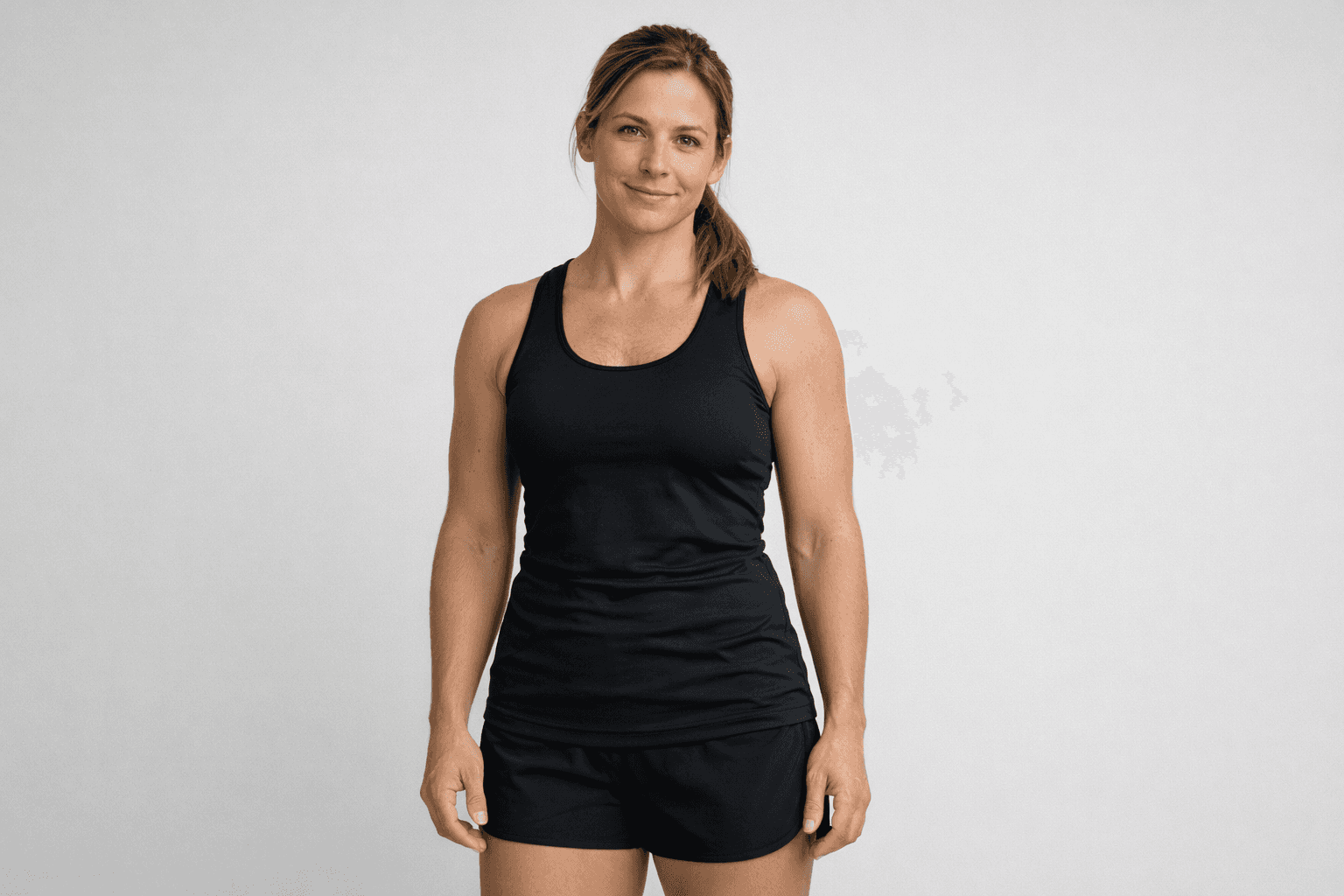
Fit woman in black athletic tank top and shorts smiling against a neutral studio background.

For women, 20% body fat is actually quite lean. At this level, you'd typically see visible muscle tone in the arms, legs, and sometimes the abdomen. There's still a feminine softness to the body, but the overall shape is defined and athletic-looking.

Women naturally carry more essential fat than men, so a woman at 20% is closer to the "fitness" or even "athlete" category on the ACE scale. Think: toned, active-looking, with visible muscle separation in places like the quads and shoulders.

Is 20% Body Fat Healthy?

Short answer: it depends on your sex.

For Men

For men, 20% body fat sits right at the top of the "acceptable" range before crossing into the category associated with increased health risks. It is not typically a cause for concern, but it may not represent peak metabolic health. Research has linked higher body fat percentages, even within the "normal" weight range, to greater risk of insulin resistance, cardiovascular issues, and inflammation over time.

Excess body fat is associated with several chronic diseases, including certain cancers and metabolic conditions.

If you're a man at 20% and your goal is general health, you're in a manageable spot. If performance or longevity optimization is the target, there's room to improve.

For Women

For women, 20% is genuinely healthy, and for many, it's an impressive level of leanness. It falls within the "fitness" category and is associated with good hormonal health, strong metabolic function, and low chronic disease risk. Going significantly below this range can actually start to interfere with reproductive hormones and bone density in women, so 20% is a sustainable, healthy place to be.

Bottom line: the same number reads very differently across sexes, and that's exactly why a one-size-fits-all approach to body fat doesn't work.

Is 20% Body Fat Considered "Skinny Fat"?

"Skinny fat" isn't a medical term, but it describes something real: a body that looks slim or average at a normal weight but carries a higher proportion of fat relative to muscle. Technically, this is called normal-weight obesity or, more precisely, having low muscle mass with excess fat mass.

Can 20% body fat be skinny fat? For men, yes, it's possible. If someone weighs 160 lbs with very little muscle and a high fat percentage, 20% could reflect low muscle mass rather than a truly lean build. The number on the scale might look fine, but the underlying body composition tells a different story.

For women, 20% is lean enough that skinny fat is less of a concern at this level, though it's still theoretically possible with very low muscle mass.

This is exactly why tracking body fat percentage alone isn't the full picture. Your skeletal muscle mass matters just as much. Someone with 20% fat and strong, developed muscle tissue is in a completely different metabolic position than someone with 20% fat and minimal muscle. That's what makes a full body composition analysis, not just a body fat reading, so valuable.

Can You See Abs at 20% Body Fat?

For most men, no, not at 20%. Visible abs typically start appearing in the 14–17% range, and a defined six-pack usually requires getting below 12–14%. At 20%, the subcutaneous fat layer over the abdomen is thick enough to obscure any underlying muscle definition, even if you've been doing core work consistently.

For women, the story is a bit different. At 20%, some ab definition can be visible, especially the upper abs, particularly if there's a solid base of core muscle underneath. Women don't need to get nearly as lean as men to see ab definition, due to the natural differences in fat distribution.

For men at 20% body fat, visible abs generally require lower body fat levels and greater abdominal muscle definition. For women at 20%, some abdominal definition may already be visible depending on muscle development and fat distribution.

Should You Try to Lower 20% Body Fat?

That depends on your personal goals and starting point.

For men at 20%, moving toward 15–18% may be a reasonable target if the goal is improved health markers, athletic performance, or greater muscle definition. Even a modest reduction in fat mass paired with increased muscle mass can meaningfully affect body composition and performance.

For women at 20%, lowering body fat may not be necessary. In some cases, increasing lean muscle mass may be a more useful focus than reducing body fat further.

For anyone, going below certain thresholds too quickly or without enough muscle to support the process tends to backfire. Crash dieting drops fat and muscle simultaneously, leaving you with a worse body composition than when you started. A slower, more structured approach, combining resistance training with a modest caloric deficit, is what actually moves the needle long-term.

If you are unsure how fat and muscle are distributed, the issue is usually measurement accuracy rather than motivation.

How to Accurately Measure 20% Body Fat

Estimating body fat from a mirror or a standard bathroom scale is often unreliable. To understand body composition more accurately, a reliable measurement method is needed.

InBody Body Composition Analysis

InBody body composition devices use bioelectrical impedance analysis (BIA) to send a safe, low-level electrical current through the body and measure the resistance from different tissues. Unlike basic consumer BIA scales, InBody uses multi-frequency currents and direct segmental measurement, breaking down fat mass, skeletal muscle mass, and total body water by individual body segments (arms, legs, trunk).

This level of detail makes InBody one of the most practical and accurate options for tracking body composition over time in clinical, gym, and wellness settings. You get a full report, not just a percentage, so you can see exactly where you stand on muscle and fat, and track whether your training and nutrition changes are actually working.

DEXA

Dual-energy X-ray absorptiometry (DEXA) is often cited as the gold standard for body composition measurement. It uses low-dose X-rays to differentiate between fat mass, lean mass, and bone density across different body regions. It's highly accurate and very detailed, but it requires a visit to a medical or research facility, carries a small radiation exposure, and typically costs more than other options.

Skinfold Calipers

Caliper-based assessments work by pinching the skin at specific sites on the body and using those measurements to estimate total body fat through established equations. When done by a trained technician using a quality set of calipers, they can be reasonably accurate, but results vary significantly depending on the tester's skill and the equation being used. They're affordable and accessible, which makes them popular in gym settings.

At-Home BIA Scales

Consumer-grade smart scales that measure body fat via BIA are widely available and convenient, but they come with real limitations. They typically use single-frequency current through just the feet, which means they're estimating rather than directly measuring upper body composition. Hydration levels, food intake, and even time of day can swing readings by several percentage points. They're fine for spotting general trends, but not reliable enough to base major decisions on.

How to Improve Body Composition from 20%

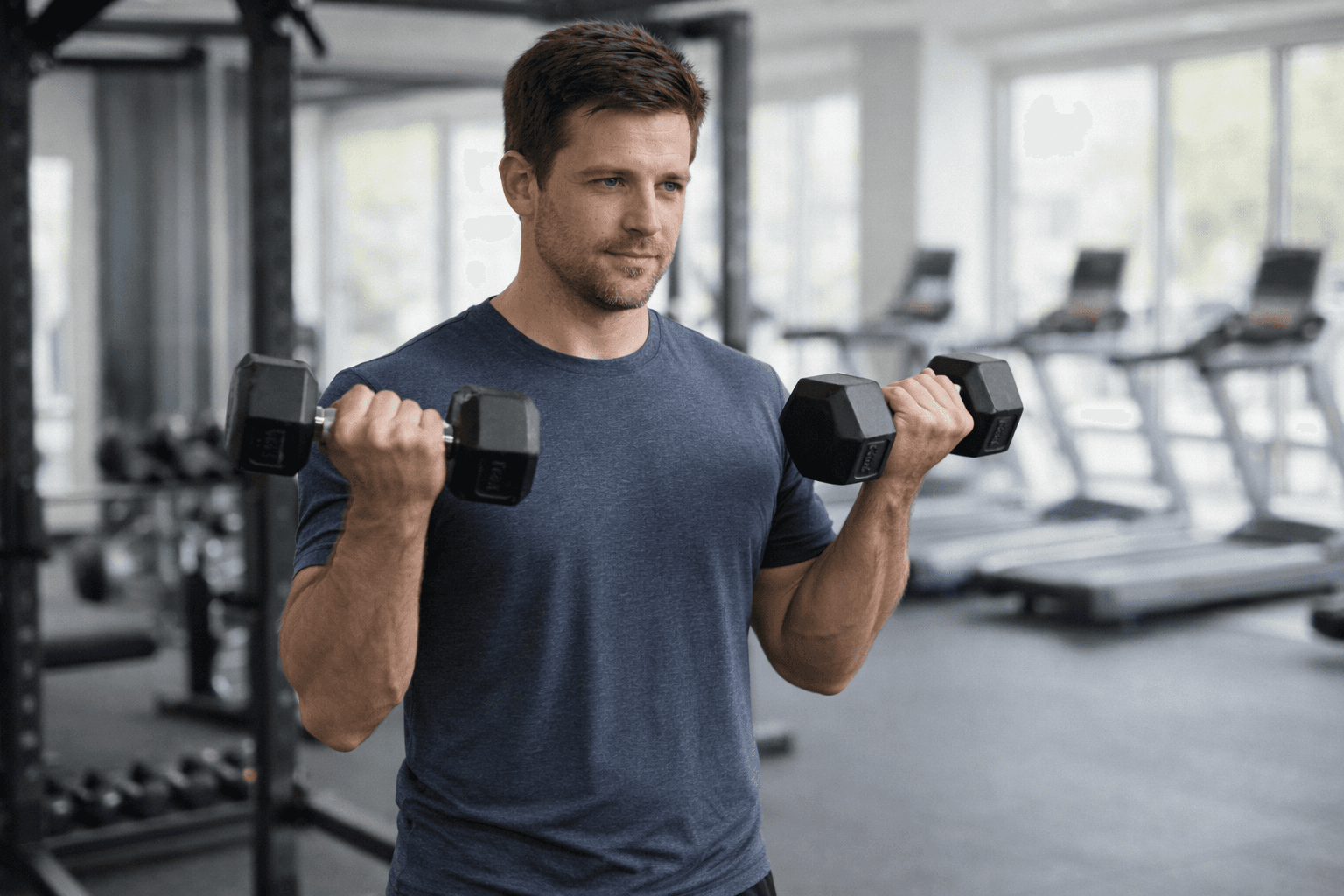
A man in a blue t-shirt performing standing dumbbell bicep curls in a bright, modern gym.

For individuals looking to improve body composition from 20%, several evidence-based strategies are commonly used:

  1. Resistance training plays a central role in long-term body composition improvement. Greater skeletal muscle mass is associated with a higher resting metabolic rate, better insulin sensitivity, and a leaner appearance, even before body fat percentage changes substantially. Many training programs include at least three strength sessions per week and emphasize compound movements such as squats, deadlifts, presses, and rows.

  2. Adequate protein intake is important for body composition. Research generally supports higher protein intake for individuals trying to improve body composition, especially during a caloric deficit, because it helps support muscle retention, growth, and satiety.

  3. When fat loss is the goal, a modest caloric deficit is commonly used. Aggressive calorie restriction is generally unnecessary and may increase the risk of muscle loss and fatigue.

  4. Tracking body composition, rather than body weight alone, provides a clearer picture of progress. Because fat mass and lean mass can change at the same time, scale weight alone may not reflect meaningful changes. A reliable body composition analysis can show whether fat and muscle are shifting over time.

  5. Meaningful changes in body composition usually take months, not weeks. Gradual changes in body fat, alongside maintained or improved muscle mass, are generally more sustainable than rapid shifts.

Key Takeaways Section

  • 20% body fat means different things for men and women. For men, it's at the upper end of acceptable. For women, it's a genuinely fit, healthy level.

  • Appearance varies. Men at 20% typically have a soft midsection with limited muscle definition. Women at 20% often look toned and athletic.

  • It's not always about losing fat. Building muscle mass can shift your body composition without requiring a major cut in body fat percentage.

  • The "skinny fat" risk is real. The number matters less than what's behind it, fat mass vs. skeletal muscle mass. Always look at the full picture.

  • Abs at 20% are unlikely for men, possible for women. Genetics and muscle development play a role, but this is the general rule.

  • Accurate measurement matters. InBody scans provide segmental data on muscle and fat that a standard bathroom scale cannot.

  • Improving body composition takes time. Resistance training, adequate protein intake, and a sustainable caloric approach are commonly associated with long-term progress.
Bottom Line

A 20% body fat reading can mean different things depending on your sex, muscle mass, and overall body composition. For men, it usually sits near the upper end of a healthy range. For women, it often reflects a lean, athletic build.

The number alone doesn’t tell the full story. Strength, muscle mass, and sustainable habits matter just as much as body fat percentage. Overall health and body composition are supported by muscle mass, regular activity, and consistent nutrition over time.

A fit man in an olive green t-shirt standing with hands on hips in a modern gym setting.

Health

Apr 23, 2026

15% Body Fat: What It Looks Like, How to Reach It, and Whether It’s Healthy

15% body fat is often seen as a balanced goal: it is lean enough to show muscle definition, but not so low that it feels extreme or hard to maintain.

Many people interested in fitness aim for this range because it can look athletic while still supporting energy levels, strength, and overall health.

But what does 15% body fat look like? Is it realistic for both men and women? And how can you measure it the right way?

In this guide, we’ll explain what 15% body fat really means and how to get there safely using reliable body composition tracking.

What Is Body Fat Percentage?

Body fat percentage tells you how much of your body weight comes from fat. Everything else falls under lean mass, which includes muscle, bones›, organs, and water.

This is why you can have two people who weigh exactly the same but look very different. One may have more muscle, while the other has more fat.

So, looking at the number on the scale is never enough. Instead, checking your body fat percentage is more helpful than scale weight alone. This way, you can understand how your body is actually built and how it supports your health and performance.

What Does 15% Body Fat Actually Look Like?

A number on a chart does not mean much until you can picture it.

15% Body Fat on Men

Man performing an incline dumbbell chest press in a gym to build upper body strength.

At this level, you will usually see visible upper abdominal definition, often a very clear four-pack outline. The chest and shoulders show separation, especially when you flex. Arms look firm and defined, with some moderate vascularity.

There is minimal fat around the waist, and the lower abdomen typically appears flat, though not deeply shredded. It is the result of consistent training, balanced nutrition, and reflects a physique that is both strong and sustainable.

For most adult men, 15% represents a healthy and sustainable level of leanness.

Age

Essential Fat

Athletic

Fitness

Average

Obese

20–29

2–5%

6–13%

14–17%

18–24%

≥25%

30–39

2–5%

7–14%

15–18%

19–25%

≥26%

40–49

3–6%

8–15%

16–19%

20–26%

≥27%

50+

4–8%

9–17%

17–20%

21–28%

≥29%

15% Body Fat on Women

Woman performing a lat pulldown on a cable machine to strengthen back and shoulder muscles.

For women, 15% body fat physiologically means something very different than it does for men.

Naturally, the body of a woman carries more essential fat to support hormone production and reproductive health. Think of it this way: for men, essential fat is usually around 2% to 5%, but for women, it is around 10% to 14%. So, at 15%, most women are considered to be in the athletic range.

At this percentage, you will likely see visible abdominal definition, clear muscle separation in the arms and legs, and very little lower body fat. The overall appearance is lean and toned.

That said, this level is not sustainable for everyone because maintaining 15% long term may lead to menstrual irregularities or hormonal disruption for some women. It can get worse, especially if calorie intake is too low or training volume is very high.

For this reason, 15% body fat should be an athletic goal rather than a general health target for most women.

Age

Essential Fat

Athletic

Fitness

Average

Obese

20–29

10–13%

14–20%

21–24%

25–31%

≥32%

30–39

10–14%

15–21%

22–25%

26–32%

≥33%

40–49

11–15%

16–22%

23–26%

27–33%

≥34%

50+

12–16%

17–23%

24–27%

28–35%

≥36%

Why Do So Many People Aim for 15% Body Fat?

There is a reason this number comes up so often in gyms and online fitness conversations. For many people, 15% represents a balance between looking defined and maintaining a sustainable lifestyle. Lean, but not extreme.

Visible Muscle Definition

At 15%, muscle starts to show clearly and can be relatively easy to maintain, especially for men.

You can often see shape in the shoulders, arms, and midsection without needing to reach very low body fat levels. For many men, this level is considered realistic to maintain.

Improved Metabolic Health

From a health perspective, lowering excess body fat can improve several important markers. Research consistently shows that reducing fat mass, especially visceral fat around the organs, is linked to better insulin sensitivity, healthier cholesterol levels, and lower overall cardiometabolic risk.

But be careful. Visible abs do not necessarily translate to perfect health. A person can look lean and still have poor lifestyle habits, like smoking and drinking.

So, the goal shouldn’t just be to improve your physique but also to live in a healthy body.

3. Sustainability

Maintaining 15% body fat is much more realistic than maintaining 8% or 10%. You don’t have to be that strict with your food or do intense training.

This level is generally supported by consistent training, balanced nutrition, and adequate recovery.

No constant stress or extreme measures are typically required.

How to Calculate Your 15% Body Fat Target

To understand what 15% body fat means for you, you need to know your lean body mass.

Step 1: Determine Lean Body Mass

Lean body mass is everything in your body that is not fat. This means your muscles, bones, organs, and water. Once you know that number, you can estimate what your weight would be at 15% body fat.

This can be estimated using the following formula:

Lean Body Mass (LBM) = Total Body Weight – Fat Mass

For example, let’s suppose you weigh 180 lb and have 22% body fat:

  • Fat mass = 39.6 lb

  • Lean mass = 140.4 lb

So your lean body mass would be:

Lean body mass = 180 − 39.6 = 140.4 lb

In this example, the person’s lean body mass is 140.4 pounds. Preserving this lean mass supports strength, performance, and metabolic health during fat loss.

Aggressive dieting or insufficient protein and resistance training may lead to muscle loss alongside fat loss, reducing lean body mass.

Step 2: Calculate Target Weight at 15%

Now, let’s calculate what your target weight should be to maintain 15% fat.

To do that, we use this formula:

Target Weight = Lean Mass ÷ (1 – 0.15)

Let’s apply the numbers:

140.4 ÷ 0.85 ≈ 165 lb

That means you would need to lose approximately 15 lb of fat while maintaining lean mass. Visual assessment alone and scale weight may not accurately reflect changes in body composition. If you don’t track your lean mass, you might lose muscle along or instead of fat. This will jeopardize your goal.

This is why accurate body composition analysis is important.

Nutrition Strategy to Reach 15% Body Fat

You do not need a crash diet or a complicated meal plan to reach 15% body fat. Consistency is key. Remember the goal: lose fat while keeping your muscle.

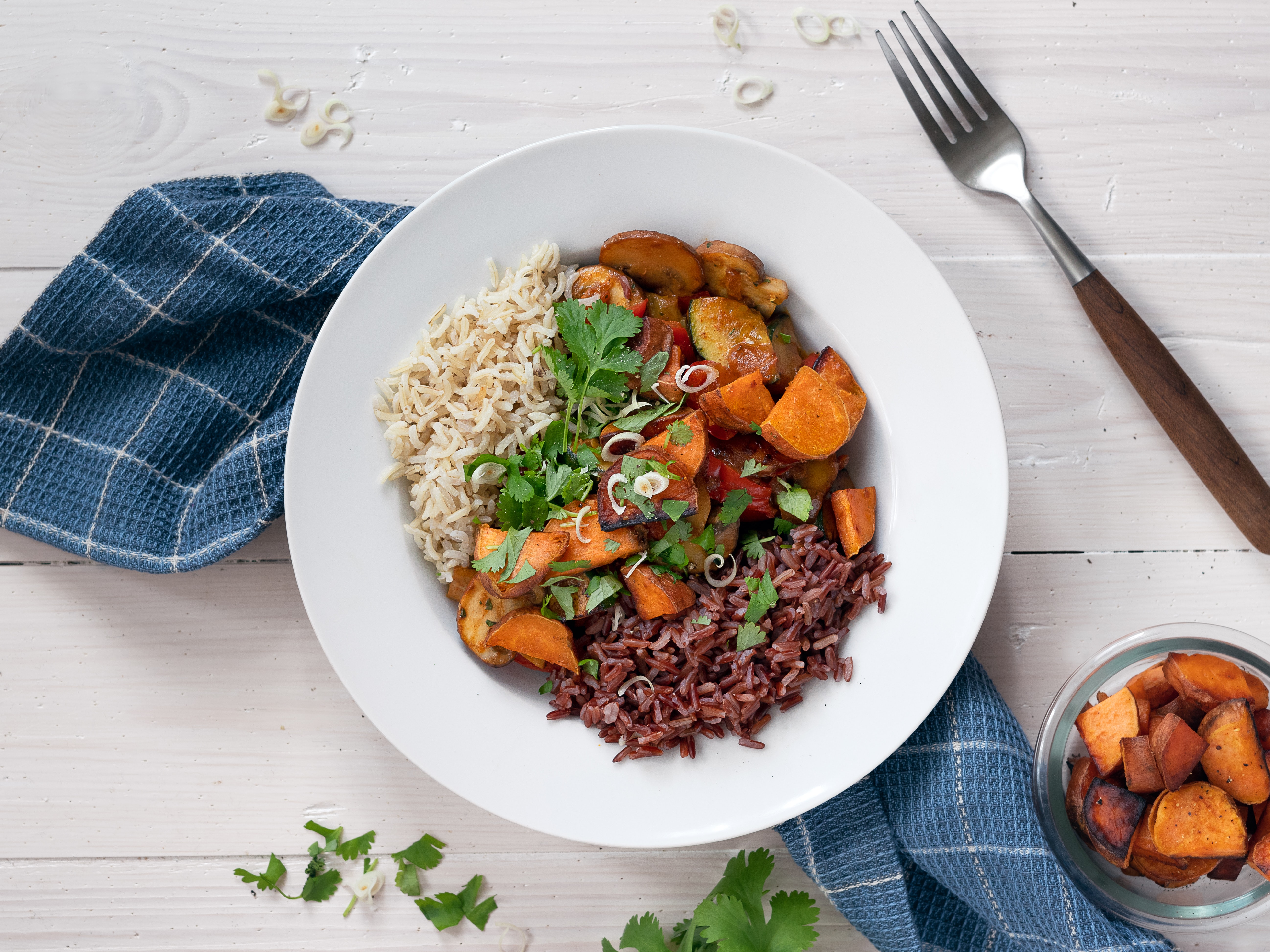
A healthy meal prep bowl featuring sliced grilled chicken breast, brown rice, and roasted vegetables like broccoli and peppers.

Create a Moderate Caloric Deficit

A moderate calorie reduction is typically sufficient. When you stay consistent, you’ll be losing around 0.5% to 1% of your body weight per week. You will also be protecting your muscles.

Prioritize Protein

Protein is your safety net during fat loss. It helps your body hold onto muscle while you are eating less. A good starting point is about 0.8 to 1 gram of protein per pound of body weight, or 1.6 to 2.2 grams per kilogram. For example, a 180-pound individual would fall within a range of roughly 144 to 180 grams of protein per day.

Getting that amount per day will support muscle retention, help you feel full, and slightly increase the number of calories your body burns during digestion.

Common whole-food protein sources include eggs, yogurt, chicken, tofu, and fish.

Balance Carbohydrates and Fats

Carbohydrates help you train hard. When your workouts stay strong, your body is more likely to hold onto muscle while you are losing fat. That is why cutting carbs too low can sometimes backfire.

Fats matter too. They support hormone health, so they should not drop too low. A good rule is to keep fats at around 20% of your total daily calories.

As you get leaner, fat loss may slow down. That is normal. Maintaining a consistent approach is important.

Training to Reach 15% Body Fat

Nutrition is important, but body composition at 15% also depends on preserving lean mass through training.

Man performing a barbell back squat in a power rack to build lower body strength and muscle mass.

Resistance Training Is Essential

When you are in a calorie deficit but are not training properly, you will start to break down your muscles along with your fat. This highlights the importance of proper training.

Many programs include three to five strength sessions per week. Compound movements such as squats, presses, rows, and deadlifts are commonly used because they work multiple muscle groups at once.

Try to keep your weights and performance as stable as possible. If your strength is holding steady, that is usually a good sign that you are preserving lean mass.

Cardio: Strategic, Not Excessive

Cardio can help increase overall energy expenditure. Cardio should support an overall nutrition and training plan rather than replace it.

For many individuals, two to three steady sessions of about 30 minutes per week are sufficient. You can also include one or two higher-intensity sessions (HIIT) if you feel well recovered.

Daily walking can also serve as a lower-intensity alternative. It’s a very effective way to increase activity without stressing your body.

Excessive cardio may negatively affect recovery and increase the risk of muscle loss, especially when calorie intake is already low.

Lifestyle Factors That Impact Fat Loss

Your daily habits also play a big role in how your body responds to training and nutrition. Lack of sleep, high stress levels, and even alcohol intake can quietly sabotage your progress.

A man sleeping peacefully in a comfortable bed with a digital clock showing 7:00 AM in the background.

Sleep

Sleep plays an important role in fat loss and recovery. Getting at least seven hours of sleep per night supports recovery and metabolic health.

Sleep helps regulate hormones that control hunger and fullness, supports muscle recovery, and helps maintain training performance.

But when your sleep is inconsistent or short, your body’s cortisol levels rise, and hunger hormones become harder to manage. This can make you crave more food and make fat loss more difficult.

When sleep is consistently short, cortisol levels tend to rise, and hunger hormones become harder to manage. That can make cravings stronger and fat loss more difficult, even if your diet looks solid on paper.

Stress Management

When you’re constantly under stress, you will experience slower recovery and increased cravings. Over time, this can lead to more fat being stored around the abdomen.

Stress management is important. Small daily habits such as walking, breathing exercises, and reducing screen time may help support recovery.

Alcohol Intake

By drinking alcohol, you’re adding extra calories without much nutritional value. This can come in between your fat burning and sleeping quality.

Eliminating alcohol is not always necessary, but moderation may support fat loss because alcohol can make reaching 15% body fat more difficult.

Alcohol adds calories, reduces fat oxidation, and can impair sleep and recovery. Moderation is key.

How to Accurately Measure 15% Body Fat

By now, you understand that the scale alone cannot tell you what is happening inside your body. To know whether you are losing fat and keeping muscle, you need a reliable way to measure your body composition.

InBody Body Composition Analysis

InBody body composition devices use multi-frequency bioelectrical impedance to measure body composition. In simple terms, the device sends a very low-level electrical current through the body to estimate how much of your weight comes from fat and how much comes from lean tissue.

An InBody scan provides detailed information such as:

  • Total body fat percentage

  • Visceral fat level

  • Skeletal muscle mass

  • Lean mass distribution in each arm, leg, and the trunk

The test is non-invasive, takes only a few minutes, and makes it much easier to track progress over time instead of relying on mirrors or assumptions.

Skinfold Calipers

Skinfold calipers measure the thickness of fat under the skin at specific parts of your body. When performed by a trained professional using consistent techniques, results can be reasonably accurate, typically within about 3% to 5%.

For the most reliable results, have the same person take your measurements each time and try to do it under the same conditions.

Bioelectrical Impedance Scales

Many at-home body fat scales use bioelectrical impedance. This means that they send a small electrical current through the body and estimate fat levels based on how the current travels through different tissues.

This method is quick and convenient, but it helps you spot general trends. This is because results can change depending on how hydrated you are. If you are dehydrated, have just worked out, or even drank a lot of water, the number may shift. This means that the reading can vary from one day to the next.

DEXA Scans

DEXA scans use low-dose X-rays to assess fat mass, lean mass, and bone density across different regions of the body. They are highly accurate, often within 1% to 2%.

However, they can be costly, typically ranging from $75 to $150 per session, and may not be available in every location.

Hydrostatic Weighing

Hydrostatic weighing measures your body's density by comparing your weight on land to your weight underwater. It is considered highly accurate, generally within 1% to 3%.

This method requires specialized equipment and facilities. Because it involves going underwater, not everyone feels comfortable with it.

Comparison of Body Fat Measurement Methods

Method

Accuracy

Pros

Cons

InBody

High

Fast, detailed, repeatable

Requires device

DEXA

Very High

Highly detailed

Expensive, limited access

Skinfold

Moderate

Affordable

Operator dependent

BIA Scale

Moderate

Convenient

Hydration-sensitive

Hydrostatic Weighing

High

Accurate

Specialized facility

Key Takeaway

  • 15% body fat represents a lean, defined physique for most men.

  • For women, 15% is athletic-level and may not be realistic or sustainable for everyone long-term.

  • Reaching this level safely requires a moderate calorie deficit and consistent strength training to protect muscle.

  • Sleep, stress management, and proper recovery directly affect fat loss and muscle retention.

  • Tracking body composition gives you a clearer picture than relying on the scale alone.

  • Most importantly, long-term success comes from choosing habits you can maintain, not quick fixes.

Bottom Line

For men, 15% body fat is a level that looks lean, feels strong, and can actually be maintained without living on a strict diet. For women, 15% is much leaner and closer to an athletic range, so it requires more intention and may not be the right long-term target for everyone.

The focus should be on improving body composition in a healthy way. That means keeping your muscle, managing visceral fat, using accurate measurements, and building habits you can actually maintain.


Get updates worth your time.

5,000,000+ users

Get updates worth
your time.

5,000,000+ users