Product

Software

Resources

Company

Fitness Field

Fitness Field

Join our mailing list. We never spam.

All

Fitness Field

Articles

A man and woman in athletic wear standing in a gym with a squat rack in the background

Health

Mar 23, 2026

12% Body Fat: What It Looks Like, Is It Healthy, and How to Reach It Safely

Many people view 12% body fat as an optimal ratio. You’re lean enough to see muscle definition, but not so lean that it becomes extreme.

But does 12% body fat really look the way people imagine in real life? Is it healthy? And how do you measure it accurately?

The answer depends on the individual. What 12% body fat looks like varies based on multiple factors, including sex, muscle mass, and genetics. Therefore, 12% body fat is not a suitable long-term goal for everyone.

In this article, we’ll explain what 12% body fat means, whether it is healthy, and how to approach it safely.

What Does 12% Body Fat Mean?

Body fat percentage measures the amount of your total body weight that is composed of fat, rather than muscle, bone, organs, or water.

For example, if you are 180 pounds and are at 12% body fat, approximately 22 pounds of that weight is fat, and the remaining 158 pounds is lean mass.

Why does this matter? The scale is not indicative of everything. Two people could weigh the same and still look drastically different. One person could have a greater amount of muscle mass, whereas the other has a greater amount of fat mass. Body fat percentage provides additional context and is significantly more valuable than weight by itself.

What Does 12% Body Fat Look Like?

It's important to understand that there is no single "look" associated with body fat percentage. Your body type, lighting, muscle mass, hydration, posture, and genetics all factor into how lean you look. 12% is generally considered lean and athletic, but how it looks on your body depends on your muscle mass and how you naturally store fat.

12% Body Fat in Men

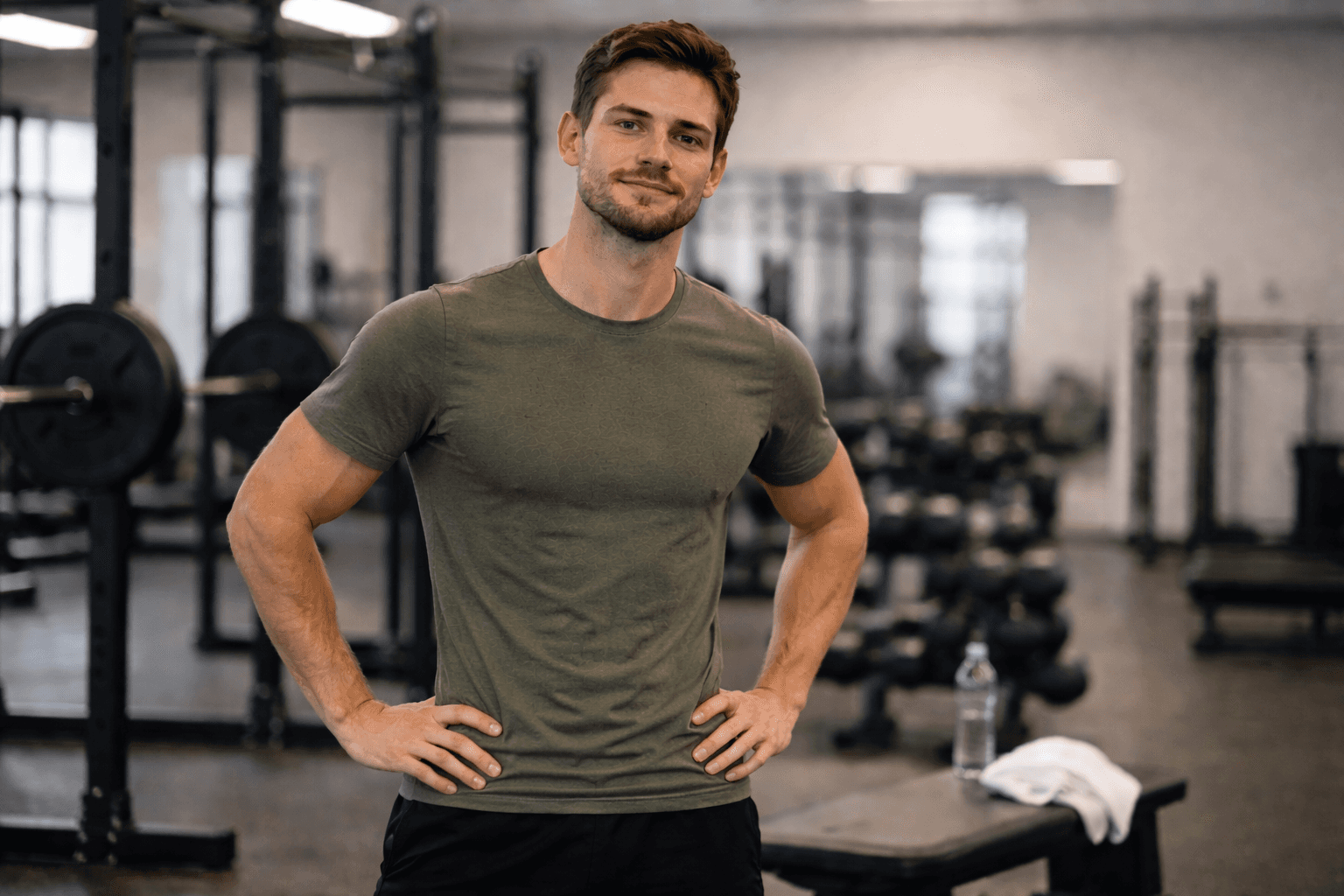
A muscular man in a maroon t-shirt and black shorts standing in a brightly lit gym.

Typically, at 12%, most men will have a visibly lean and athletic build.

You should see defined abs, clear separation of the chest and shoulders, defined arms, and minimal body fat around the waist area. The face typically also appears sharper.

Keep in mind that 12% does not look the same for everyone. For instance, a male who has more lean mass will likely appear to be much more defined than a male who has less lean mass at the same body fat percentage. Additionally, genetics and body fat distribution contribute greatly to this variance. Some males tend to store fat in the lower abdominal region, while others tend to store it in their hips or upper back.

12% Body Fat in Women

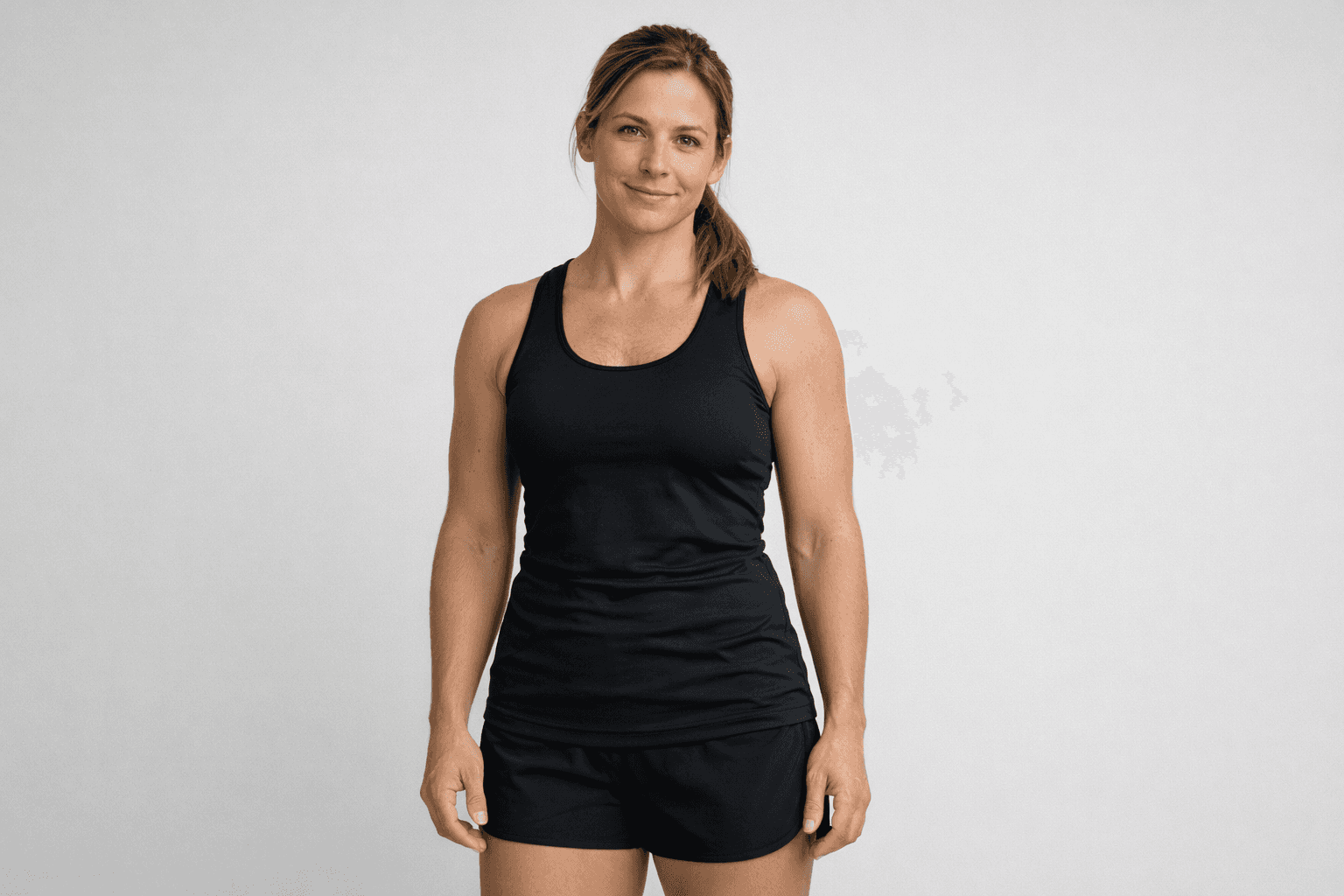
A woman in a grey tank top and black leggings posing in a gym with her hands on her hips.

At 12%, women’s body fat is extremely lean and approaches essential fat levels needed to support normal physiological function.

At this percentage, muscle definition will be very apparent. Ab lines may be visible, the shoulders and arms will appear sharply defined, and overall body fat will be low. Breast tissue and natural fat storage will be noticeably decreased.

From a health standpoint, maintaining this body fat percentage for extended periods is challenging because women require more essential fatty acids to support hormonal balance and reproductive health. Maintaining a body fat percentage of 12% or lower for extended periods can increase the risk of menstrual irregularities, low energy, reduced bone density, and increased risk of injury.

For most non-competitive women, maintaining a higher body fat percentage is healthier and more sustainable.

Is 12% Body Fat Healthy?

Whether 12% body fat is healthy depends on the individual. A specific body fat percentage may be realistic for some individuals but difficult or unsustainable for others. Factors that contribute to this variability include age, sex, training volume, stress, sleep, and genetics. The key question is not simply "Can you achieve 12%?" but "Can you sustain it without feeling weakened and/or impaired?"

A woman in a green tank top and white headphones holding a water bottle while leaning against a wooden fence in a park.

For Men

For most men, achieving 12% through gradual methods, along with proper nutrition and recovery, falls into a healthy, athletic range.

Although appearance is one factor in determining health, there are many others to consider. Steady energy, good training performance, stable moods, quality sleep, and healthy hormone levels are all vital indicators of health. If recovery is consistently poor, or you feel tired all the time, then that level may be too low for you.

For Women

For women, 12% is extremely close to the essential fat levels. This may be an attainable goal in the short term for competitive female athletes; however, it is rarely attainable in the long term.

Signs to continually monitor include menstrual regularity, bone health, thyroid function, stress, and overall energy. If your menstrual cycle stops or you experience prolonged fatigue, raising your caloric intake and body fat will be required to support your overall health.

How Long Does It Take to Reach 12% Body Fat?

The honest answer is it depends on where you are starting.

You can safely lose body fat at a rate of 0.5 percent to 1 percent of body weight per week. Losing body fat faster is often associated with the loss of muscle and/or energy.

For instance, a man who loses body fat from 18-20% to 12% will likely take three to five months to reach his goal. Women who move their body fat percentage from 22 to 25 percent toward the mid to high teens will also have a similar time frame.

However, when you rush through the body fat loss process, there are an increased number of risks, including the loss of muscle, changes in hormone levels, and a decline in your ability to perform during your workouts.

Sustainable body fat loss involves a slow, consistent reduction in body fat, which preserves lean body mass.

How to Reach 12% Body Fat Safely

Reaching 12% body fat is not about extreme dieting or endless cardio. The goal is to lose fat while keeping muscle, strength, and energy intact. The safest approach combines proper nutrition, strength training, and recovery.

1. Maintain a Moderate Calorie Deficit

Fat loss typically requires a moderate caloric deficit, though the appropriate amount varies by individual. This allows steady fat loss without overwhelming your body. Crash dieting may speed up weight loss at first, but it often leads to muscle loss, fatigue, and rebound weight gain.

2. Prioritize Protein Intake

Higher protein intake is often recommended to help preserve lean mass during fat loss. Protein helps preserve muscle, supports recovery, and keeps you full longer. This becomes even more important as you get leaner.

3. Strength Train Consistently

Regular resistance training, often centered on compound movements, helps preserve muscle while losing fat. Without it, muscle loss is much more likely.

4. Use Cardio Strategically

Daily movement matters. Many people target 8,000 to 10,000 daily steps, plus 1 to 3 cardio sessions per week if needed. Too much cardio combined with a low-calorie diet can increase fatigue and slow recovery.

5. Prioritize Sleep and Stress Control

Getting 7 to 9 hours of sleep per night is generally associated with better recovery and metabolic health. Poor sleep disrupts hunger hormones, reduces recovery, and makes fat loss harder. Managing stress also helps regulate hormones that influence fat storage and energy levels.

How to Measure 12% Body Fat Accurately

If you are aiming for a specific body fat percentage, guessing based on the mirror is not enough. Lighting, dehydration, sodium intake, and even a recent workout can change how lean you look. That is why measurement matters.

No method is perfect, but some are more reliable than others.

Common Body Fat Measurement Methods

Method

Accuracy Level

What to Know

DEXA Scan

Very High

Considered one of the most precise options. Expensive and not always easy to access.

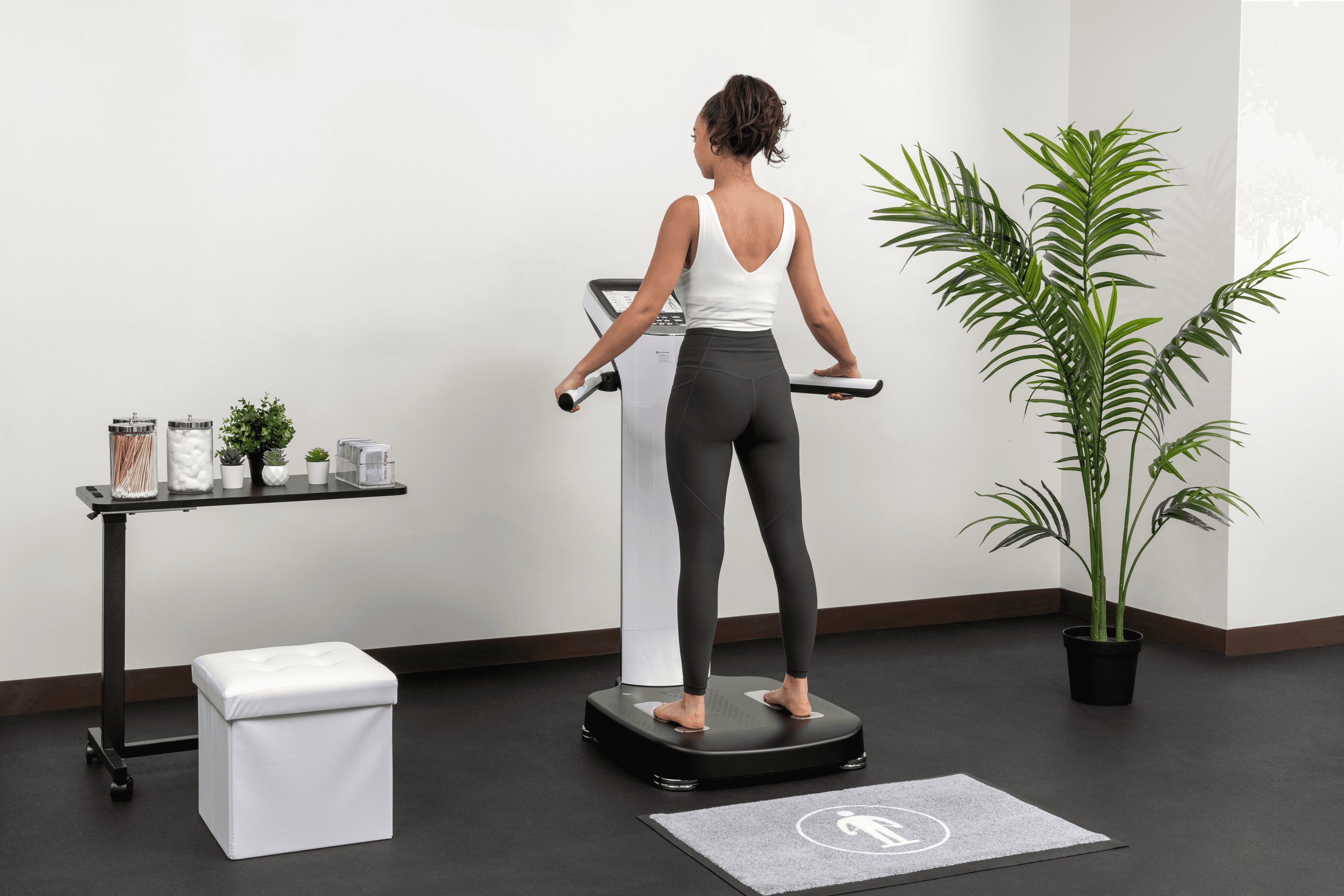
InBody Body Composition

High

Convenient and detailed. Results can vary based on hydration and timing.

Skinfold Calipers

Moderate

Affordable and useful when performed by an experienced technician.

Smart Scales

Variable

Sensitive to hydration and often inconsistent for precise tracking.

Advanced body composition tools provide more than just a number. They can show total body fat percentage, lean mass, muscle distribution, and sometimes visceral fat estimates.

For best results, test under consistent conditions. Same time of day. Similar hydration. Ideally, before eating. Consistency matters more than chasing a perfect number.

Warning Signs You May Be Too Lean

You may think getting lean is great. However, when your body begins to push back against the changes you've made to get lean, it's time to listen to what your body is telling you.

When your body fat decreases, your ability to recover from a workout will also decrease, and the amount of stress on your body will increase. Look for the following warning signs:

  • Persistent fatigue regardless of rest

  • A decline in your strength or your gym performance, has stopped improving

  • An irritable mood, or low moods

  • Your sleep quality has decreased

  • You are getting sick more often than usual

  • Decreased libido

  • Irregular or missing menstrual cycles, for women.

These should not be considered minor issues. These are serious red flags that indicate your body fat may be too low for your current lifestyle. Simply increasing your caloric intake slightly and allowing your body fat to rise can help improve your energy levels, hormone production, and performance.

Should You Aim for 12% Body Fat?

It depends on why you want it.

12% may make sense if you compete in physique sports, need a strong power-to-weight ratio for performance, or can maintain stable energy, hormones, and overall health at that level.

But it is not a requirement for being fit or healthy.

If your priority is longevity, steady energy, strong training, and flexibility with food and social life, you may not need to be that lean. If you notice hormonal disruption or constant fatigue, it may not be right for you.

Body fat percentage is a tool to guide decisions, not a number everyone must chase.

Key Takeaways

  • 12% body fat is very lean and athletic for men who train regularly and recover well. Some people can sustain this level. Most cannot.

  • Women who have a body fat percentage of 12% are at a critical point where they may be below the threshold of the minimum amount of body fat required to sustain health and wellness.

  • Having visible abdominal muscles does not automatically equate to optimal health. There are many other factors that determine health, such as your energy levels, hormone balance, sleep quality, mood, and performance.

  • Gradual weight loss helps retain muscle mass and support hormone function.

  • Conversely, rapid weight loss significantly increases the likelihood of burnout and subsequent rebound weight gain.

  • Choose a reliable measurement method, use it consistently, and most importantly, select a goal that allows you to stay strong and healthy.

Bottom Line

Reaching 12% body fat takes planning, consistency, and honest self-assessment. For some people, it marks a high level of athleticism. For others, it may be leaner than necessary.

The real question is not whether you can reach 12%. It is whether you can maintain it while keeping your energy, hormones, training performance, and overall well-being intact.

Use reliable measurements, focus on gradual progress, and adjust based on how your body responds. A healthy physique is one you can sustain without sacrificing quality of life.

"Stone Creek community entrance sign

Fitness Field

Jun 7, 2019

How InBody Helped Stone Creek Club & Spa Serve their Members and their Community Better

Since 2009, Stone Creek Club & Spa has established itself as a pillar of the Covington Community. The club has received recognition for its outstanding customer service and philanthropic efforts. To date, the club has received awards in a wide range of categories including “Best Club”, “Best Day Spa”, “Best Tennis Courts”, “Best Personal Trainer”, and “Business of the Year”.

Larry Conner is the general manager of Stone Creek Club & Spa. He has over 30 years of experience in the fitness and hospitality industry. Conner brought in the InBody to try it out with the club’s weight loss challenge. After an enthusiastic response, he bought the device and implemented InBody testing into various club programs. After delivering incredible results for his club members, Conner took his InBody out into the community to help people learn more about their body compositions.  

Developing an Everyday Getaway

In 2009, Stone Creek Club & Spa faced great challenges. The Great Recession was in full swing, and they were trying to break into a market that had two established health clubs that catered to 40% of the local population.

Conner and the leadership team had to commit to a clear vision that would help their club stand out. The established health clubs focused on large group events like summer camps, swim teams, and daytime birthday parties. Stone Creek differentiated itself by catering to the individual. That meant sacrificing lucrative secondary sources of revenue, such as summer camps and parties because those would detract from the individual experience.

Another point of differentiation was memberships and contracts. Stone Creek capped memberships – and potentially miss out on income – to create a more welcoming club experience. They also offered flexible month-to-month payment plans because they didn’t want to trap people in long contracts. It was all part of their vision to create an “everyday getaway” for their members through individual attention and service.  

When you are trying to establish a unique business model in a competitive market during tough economic times, the chance for failure is high. But after ten years it’s clear that their vision is working. Today, Stone Creek has a loyal active membership base, boasts annual revenues that exceed $7.4 million, and is beloved by the Covington Community. But that’s only where this story begins.

The ongoing challenge you have as a health club is that once you build something out, you have to keep updating it. You can’t sit with the same product you had years ago. You have to keep your facility fresh, innovative, and make sure you have the latest and greatest equipment.

It was this pursuit to keep Stone Creek on the forefront and up-to-date that led Conner to InBody.

Starting Off On the Right Foot

After seeing the InBody device at a networking event, Conner felt that the body composition analyzer would be a valuable addition to their weight loss contests by providing accurate measurements of body fat percentage. That hunch turned out to be right.

It was such a big hit in our weight loss contest that I bought it immediately. Within 3 months we were able to pay for that unit from simply charging per test.

The pay-per-test program was a successful new revenue stream. A member would pay a fee, take an InBody test, and then receive a comprehensive review of the InBody Result Sheet from a trainer. The InBody Result Sheet allowed members to only see their body fat percentage, but they received other key metrics like muscle distribution, metabolic rate, and visceral fat. The success of the program encouraged Conner to incorporate testing into a variety of programs, from weight loss competitions to tennis lessons, because he knew that every person at the club had something to gain from taking an InBody Test. Today, every new member gets an InBody Test with a consultation to help them start off on the right foot. The consultation has also proven to be a great way to introduce members to different services the club offers.

Sample Result Sheet Provided by InBody USA

In our business, we need to be able to respond to members’ needs quickly and the InBody provides that. The average user does not know much about themselves…by giving access to the InBody to more people it’s become a common part of our business, and the results have just helped change people’s lives.

Taking Programs to the Next Level

Incorporating InBody into different areas of the club has helped delivered results for both members and the program. InBody helps Stone Creek’s personal training clients visualize progress and find areas of improvement that they may have missed by using a mirror or a weight scale.

You can tell people the importance of staying balanced and show them techniques, but when you show them a test result that shows it, that helps the client to focus on following the exercise plan.

Conner has a unique story that highlights both the accuracy and precision of the InBody device. One of Stone Creek’s trainers had a client that suffered from shoulder pain. The InBody Test revealed that one side of her body was stronger than the other, resulting in muscle imbalance and pain. After learning more about her day-to-day activities, the trainer and the client figured out that the way she walked her dogs was the cause of her imbalance. She had three large dogs she always walked with the same arm. The yanking and pulling caused her to develop shoulder imbalance and pain. The trainer made adjustments to her personal training, and she adjusted her dog walking, and together they tracked the progress on the InBody Result Sheet. Today the client is in balance and pain-free.

It’s unique insights like this that have helped Stone Creek enhance their personal training.

Our personal training has grown drastically, says Larry Conner. Now can I say it’s solely due to the InBody? No, it is a combination of having great trainers and things you offer. But I believe the InBody has been an important part of that growth—and it’s helped us get to that next level in our personal training program.

Another program that saw a significant boost was the weight loss program. The program was already using InBody, but after they increased the frequency of InBody testing to every week, they saw a 50% increase in enrollment.

There were skeptics that did not believe in the accuracy of the results, but once they tested on the device, they became believers.

We had a local doctor that did not believe in it. She did tests that cost hundreds and hundreds of dollars. When we compared the InBody versus those results, it was very close to exactly the same results. She was immediately a fan of the InBody.

The positive response and impact they were seeing within the club were so tremendous that Conner knew he could use the device to make a positive impact in the surrounding community.

Sharing the Gift of Knowledge  

From day one, Stone Creek focused on being an active participant in their community. Every year, Stone Creek raises between $300,000 to $500,000 in direct contributions to local and national charities. That doesn’t include giveaways for auctions and member donations to the community. Notable highlights include providing Christmas presents to 180 needy children, donating around 300 teddy bears to pediatric patients in local hospitals, and purchasing PE equipment for all 27 elementary schools in their parish. True to its spirit of giving, Stone Creek shared its InBody device with the community.

We realized that the InBody helps bring your whole community together—inside and outside the club. The InBody helps us reach out in a way that is beyond fundraising. We can answer the questions that people want to know about themselves in a quick snapshot. The portability of the device allows us to reach out to people, give them their results, and help change their lives.

Stone Creek brought its InBody to different organizations that could benefit from body composition analysis, from local high school wrestling teams and employees of local companies. The goal wasn’t to recruit new members. They saw a great opportunity to provide important health information that would help improve people’s lives.

Stone Creek’s mission is to help everyone, both inside and outside of the club, become the healthiest version of themselves. InBody is one of the indispensable tools to help advance Stone Creek’s mission.

I welcome all the health clubs in our area to get the InBody. I think it’s important that we all have this kind of tool for our members because they’re not going to be able to do this on their own. When they come to the health club, they can do one of these tests really quickly and learn that much more about their body. That’s one of the best gifts that you can give anybody.

Fitness OPENX

Fitness Field

Nov 1, 2018

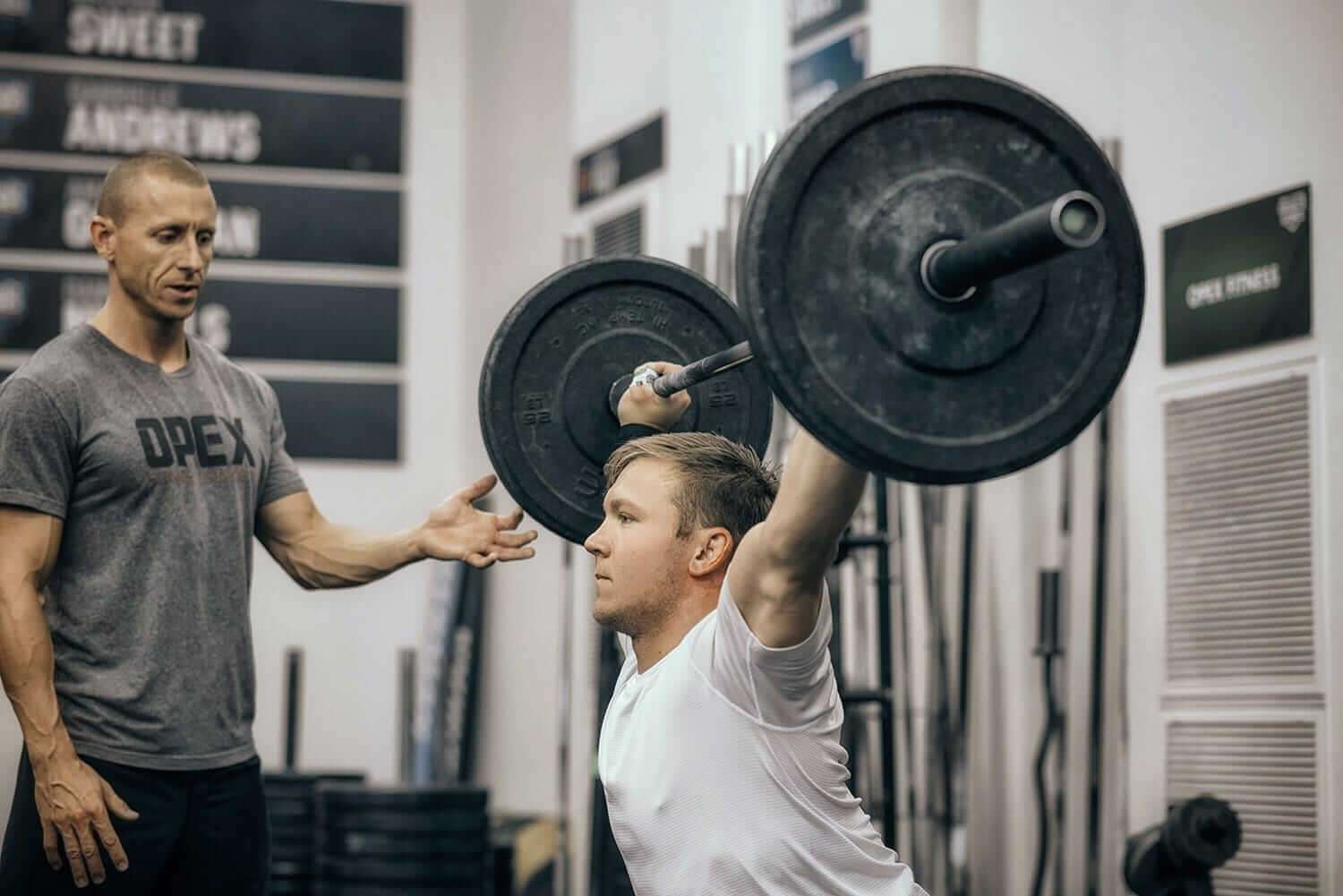
How OPEX Fitness Teaches Others How to Use InBody to Elevate Their Business

This is part 2 of a two-part case study with the executive team at OPEX Fitness. In the first part, James Fitzgerald, OPEX Fitness founder, discussed his assessment-focused approach to coaching and how InBody became a tool that helps him achieve that. In this case study, Crowell expands on why he recommends InBody to his licensees and shared strategies that have helped them convert, retain, and delight their clients.

It’s a common story for many owners: you are sick of your dead-end job and decide to turn your passion into a business by opening your own facility. The place has just the bare essentials and only offers group training classes. But the model works. You aren’t rich, but you’re able to keep the lights on.

This may have been good enough before, but things are rapidly evolving in the group fitness space. Today, there is more competition than ever. Your core offering may have been enough to get people through the door, but it’s getting harder and harder to get them to stay. Remember how easy it was to open your own facility? Now there are three similar facilities that opened on your street.

Most owners start their facility because they want to coach–not necessarily because they think it is a great business opportunity. But to keep doing that, owners must rethink their business model in a changing industry. That’s why OPEX Fitness started their coaching education platform and facility licensing program. Their mission is to become the go-to resource for fitness coaching and business education. They want to help the owner/coach who has a strong passion for coaching but may not have all the necessary skills and knowledge. As part of their program, coaches can learn or improve the skills they need to successfully run a facility, from consultation and program design to marketing and business strategies.

Jim Crowell, CEO of OPEX Fitness, personally mentors individuals in the business of coaching and gives them the framework to build a fulfilling, successful career. Coaching is the foundation for any successful facility, but Crowell understands that it can be difficult to communicate that value. That is why he recommends that licensees incorporate InBody to provide validation to their programming and coaching.

“We are really excited about how we use the InBody with our licensees because it allows them to actually take a piece of tangible material, a piece of paper and give it to a potential client, or one of their own clients and say, ‘This is where you are.'”

That starting point helps a coach turn a potential lead into a long-term client.

A Conversation Starter

If you ask a coach about the benefits of a clean and press, he or she will have no issues convincing you to incorporate this workout into your routine. But ask a coach for their elevator pitch on why you should sign up for membership, and they may come off a little bit awkward.

“For coaches who aren’t natural salespeople, InBody is really beneficial because it helps them start the conversation, and they are great once they have conversations about health and wellness.”

InBody has been such a great recruitment tool that some of Crowell’s licensees have taken their InBody out to the community. They find that once they can get one person testing on the device, it starts attracting other’s people attention and creates a crowd.

Crowell shares a story about Carl, a licensee, who took his InBody out with his team to a local organic supermarket and an athletic apparel store. Just in a couple of hours, they were able to get more than 20 consultation requests. Of those 20 clients, they were able to close 10 memberships. This success wasn’t unique to just Carl. Crowell has seen multiple licensees achieve the same success with this strategy.

They found that their InBody device dramatically helps coaches because the coaches don’t have to “sell”. They can just have a conversation about a potential client’s unique needs based on what the coach sees on the InBody Result Sheet. The conversation will then organically flow to what the coach can do for that client and what the client’s next step should be – whether it be a follow-up phone call or hopefully coming in and touring the facility.

Trust and Credibility Create Retention

Once the coaches get their clients in the facility, the coaches can then begin to work their specialty. Following OPEX’s methodology, coaches can show clients how they can design an individualized program that encompasses both fitness and nutrition.

During the program, coaches continually monitor and track client progress to show improvement through body composition data, not opinion.  The ability to give tangible data regarding a person’s health is what really helps OPEX Fitness and their licensees stand out from other facilities.

Sample InBody 570 Result Sheet of an overweight individual

The other benefit is that a fitness record is formed, and it helps coaches spot factors that may be impeding progress, in and out of the gym. For even the most committed fitness clients, the amount of time spent outside the gym is ten times more than time spent in the gym. To ignore how life may affect fitness is to ignore a significant factor when it comes to program design. For example, say a client is going through a very stressful six-month period. With regular testing, the client and coach can actually see the impact that stress had on their body composition. The coach can then make adjustments to respond to that stress and help the client get back on the path to reaching their fitness goals.

“This is a tool that actually gives them more credibility with each of their clients, which actually helps the longevity of retention. It’s a great tool from an ongoing basis”

Deliver More Value, Receive More Revenue

Building trust and credibility and go hand-in-hand with InBody testing. Every individual’s body responds differently. Clients can see that the program you designed for them is improving their body composition (even if they can see it visually) and understand how their body responds to different programs. Together, coach and client can start exploring new areas to improve and set new goals.

“From a marketing standpoint, that’s invaluable to a coach because all of a sudden, you take all of the emotion out of it and you give somebody truth. When people start to get aware about where they really are, they are much more willing to have a conversation about how they might be able to improve.”

In the beginning, the focus may have been generic like losing body fat or gaining more muscle mass. As the relationship grows, the conversation can grow more advanced into improving structural balance, expanding mobility, and increasing work capacity,

Each licensee may use the InBody slightly differently, but in general, Crowell wants coaches to use the device to deliver more value to their clients and ultimately generate more revenue.

“What we want is quality in coaching and longevity in the coaches in these facilities… Essentially, at the end of the day, we want the coach, the client and the owner to win. That’s the mantra of the entire program.”

Truth in Measurement is the Recipe for a Successful Business

Whether its program design or client retention, the overall philosophy for OPEX Fitness is truth in measurement. Accurate measurements create accountability for the owner, coach, and client. Coaches receive the feedback they need to adjust a program to make sure clients are always trending in the right direction. Clients receive that constant touchpoint so they leave confident after every session that the work and effort they are putting in is translating to results.

While measurement can be a positive tool, Crowell knows that it’s easy for clients to become obsessed with numbers. It’s the coaches job’s to make sure that the client doesn’t stress themselves out and become overwhelmed. When an owner can create an environment where individuals can use body composition measurements like InBody results to positively impact their lives both in and outside the facility is when you have the recipe for a successful, long-lasting business.

“InBody is a tool that allows that consistent truth for those clients who ultimately want to live more successful lives, in and outside of the gym. Once clients get into that sweet spot, it’s about maintenance and finding other goals that they can enjoy just as much as the health and wellness markers. That, to me, is real coaching.”

Get updates worth your time.

5,000,000+ users

Get updates worth
your time.

5,000,000+ users