Product

Software

Resources

Company

Wellness

Wellness

Join our mailing list. We never spam.

All

Wellness

Articles

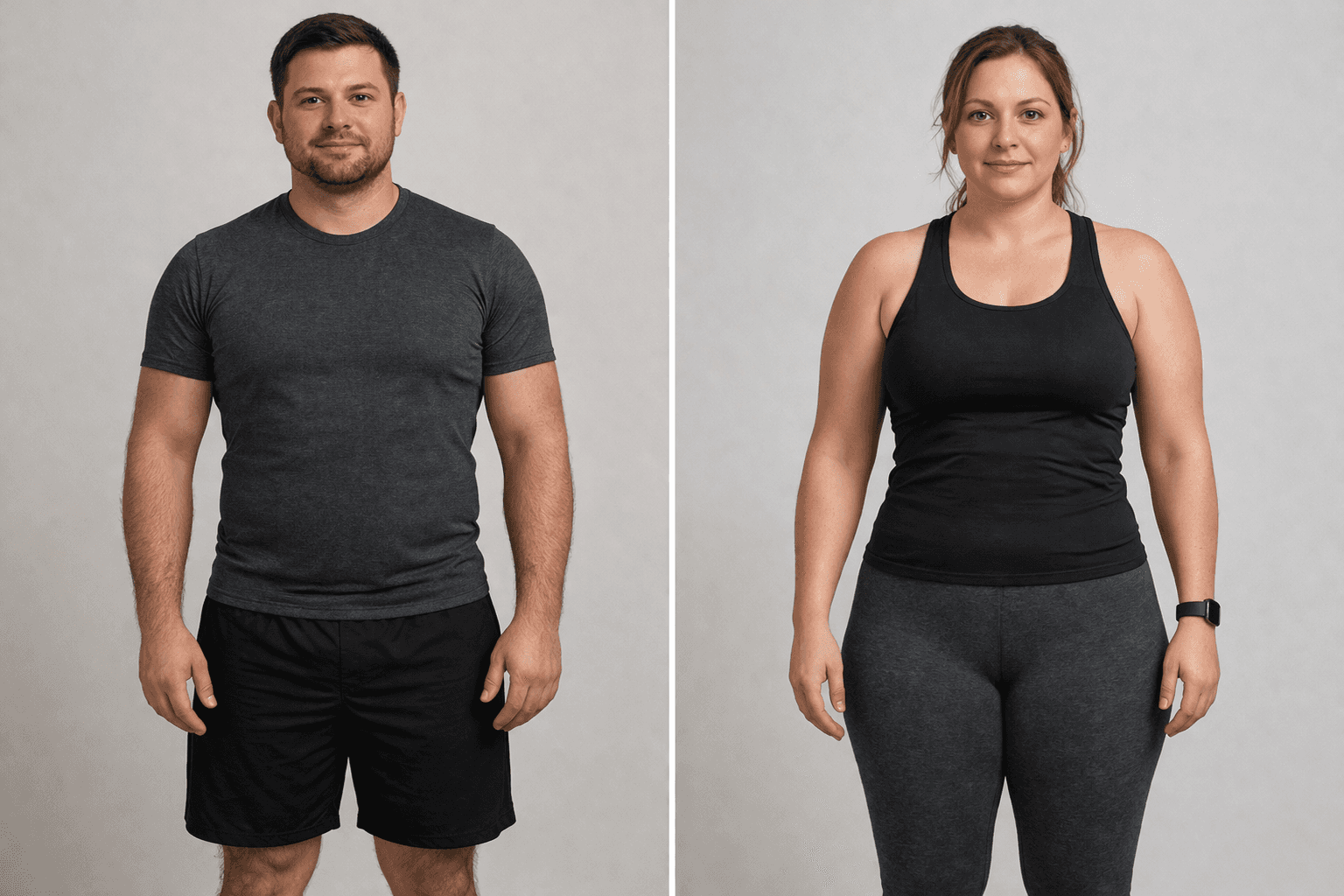
A man and woman in athletic wear standing in a gym with a squat rack in the background

Health

Mar 23, 2026

12% Body Fat: What It Looks Like, Is It Healthy, and How to Reach It Safely

Many people view 12% body fat as an optimal ratio. You’re lean enough to see muscle definition, but not so lean that it becomes extreme.

But does 12% body fat really look the way people imagine in real life? Is it healthy? And how do you measure it accurately?

The answer depends on the individual. What 12% body fat looks like varies based on multiple factors, including sex, muscle mass, and genetics. Therefore, 12% body fat is not a suitable long-term goal for everyone.

In this article, we’ll explain what 12% body fat means, whether it is healthy, and how to approach it safely.

What Does 12% Body Fat Mean?

Body fat percentage measures the amount of your total body weight that is composed of fat, rather than muscle, bone, organs, or water.

For example, if you are 180 pounds and are at 12% body fat, approximately 22 pounds of that weight is fat, and the remaining 158 pounds is lean mass.

Why does this matter? The scale is not indicative of everything. Two people could weigh the same and still look drastically different. One person could have a greater amount of muscle mass, whereas the other has a greater amount of fat mass. Body fat percentage provides additional context and is significantly more valuable than weight by itself.

What Does 12% Body Fat Look Like?

It's important to understand that there is no single "look" associated with body fat percentage. Your body type, lighting, muscle mass, hydration, posture, and genetics all factor into how lean you look. 12% is generally considered lean and athletic, but how it looks on your body depends on your muscle mass and how you naturally store fat.

12% Body Fat in Men

A muscular man in a maroon t-shirt and black shorts standing in a brightly lit gym.

Typically, at 12%, most men will have a visibly lean and athletic build.

You should see defined abs, clear separation of the chest and shoulders, defined arms, and minimal body fat around the waist area. The face typically also appears sharper.

Keep in mind that 12% does not look the same for everyone. For instance, a male who has more lean mass will likely appear to be much more defined than a male who has less lean mass at the same body fat percentage. Additionally, genetics and body fat distribution contribute greatly to this variance. Some males tend to store fat in the lower abdominal region, while others tend to store it in their hips or upper back.

12% Body Fat in Women

A woman in a grey tank top and black leggings posing in a gym with her hands on her hips.

At 12%, women’s body fat is extremely lean and approaches essential fat levels needed to support normal physiological function.

At this percentage, muscle definition will be very apparent. Ab lines may be visible, the shoulders and arms will appear sharply defined, and overall body fat will be low. Breast tissue and natural fat storage will be noticeably decreased.

From a health standpoint, maintaining this body fat percentage for extended periods is challenging because women require more essential fatty acids to support hormonal balance and reproductive health. Maintaining a body fat percentage of 12% or lower for extended periods can increase the risk of menstrual irregularities, low energy, reduced bone density, and increased risk of injury.

For most non-competitive women, maintaining a higher body fat percentage is healthier and more sustainable.

Is 12% Body Fat Healthy?

Whether 12% body fat is healthy depends on the individual. A specific body fat percentage may be realistic for some individuals but difficult or unsustainable for others. Factors that contribute to this variability include age, sex, training volume, stress, sleep, and genetics. The key question is not simply "Can you achieve 12%?" but "Can you sustain it without feeling weakened and/or impaired?"

A woman in a green tank top and white headphones holding a water bottle while leaning against a wooden fence in a park.

For Men

For most men, achieving 12% through gradual methods, along with proper nutrition and recovery, falls into a healthy, athletic range.

Although appearance is one factor in determining health, there are many others to consider. Steady energy, good training performance, stable moods, quality sleep, and healthy hormone levels are all vital indicators of health. If recovery is consistently poor, or you feel tired all the time, then that level may be too low for you.

For Women

For women, 12% is extremely close to the essential fat levels. This may be an attainable goal in the short term for competitive female athletes; however, it is rarely attainable in the long term.

Signs to continually monitor include menstrual regularity, bone health, thyroid function, stress, and overall energy. If your menstrual cycle stops or you experience prolonged fatigue, raising your caloric intake and body fat will be required to support your overall health.

How Long Does It Take to Reach 12% Body Fat?

The honest answer is it depends on where you are starting.

You can safely lose body fat at a rate of 0.5 percent to 1 percent of body weight per week. Losing body fat faster is often associated with the loss of muscle and/or energy.

For instance, a man who loses body fat from 18-20% to 12% will likely take three to five months to reach his goal. Women who move their body fat percentage from 22 to 25 percent toward the mid to high teens will also have a similar time frame.

However, when you rush through the body fat loss process, there are an increased number of risks, including the loss of muscle, changes in hormone levels, and a decline in your ability to perform during your workouts.

Sustainable body fat loss involves a slow, consistent reduction in body fat, which preserves lean body mass.

How to Reach 12% Body Fat Safely

Reaching 12% body fat is not about extreme dieting or endless cardio. The goal is to lose fat while keeping muscle, strength, and energy intact. The safest approach combines proper nutrition, strength training, and recovery.

1. Maintain a Moderate Calorie Deficit

Fat loss typically requires a moderate caloric deficit, though the appropriate amount varies by individual. This allows steady fat loss without overwhelming your body. Crash dieting may speed up weight loss at first, but it often leads to muscle loss, fatigue, and rebound weight gain.

2. Prioritize Protein Intake

Higher protein intake is often recommended to help preserve lean mass during fat loss. Protein helps preserve muscle, supports recovery, and keeps you full longer. This becomes even more important as you get leaner.

3. Strength Train Consistently

Regular resistance training, often centered on compound movements, helps preserve muscle while losing fat. Without it, muscle loss is much more likely.

4. Use Cardio Strategically

Daily movement matters. Many people target 8,000 to 10,000 daily steps, plus 1 to 3 cardio sessions per week if needed. Too much cardio combined with a low-calorie diet can increase fatigue and slow recovery.

5. Prioritize Sleep and Stress Control

Getting 7 to 9 hours of sleep per night is generally associated with better recovery and metabolic health. Poor sleep disrupts hunger hormones, reduces recovery, and makes fat loss harder. Managing stress also helps regulate hormones that influence fat storage and energy levels.

How to Measure 12% Body Fat Accurately

If you are aiming for a specific body fat percentage, guessing based on the mirror is not enough. Lighting, dehydration, sodium intake, and even a recent workout can change how lean you look. That is why measurement matters.

No method is perfect, but some are more reliable than others.

Common Body Fat Measurement Methods

Method

Accuracy Level

What to Know

DEXA Scan

Very High

Considered one of the most precise options. Expensive and not always easy to access.

InBody Body Composition

High

Convenient and detailed. Results can vary based on hydration and timing.

Skinfold Calipers

Moderate

Affordable and useful when performed by an experienced technician.

Smart Scales

Variable

Sensitive to hydration and often inconsistent for precise tracking.

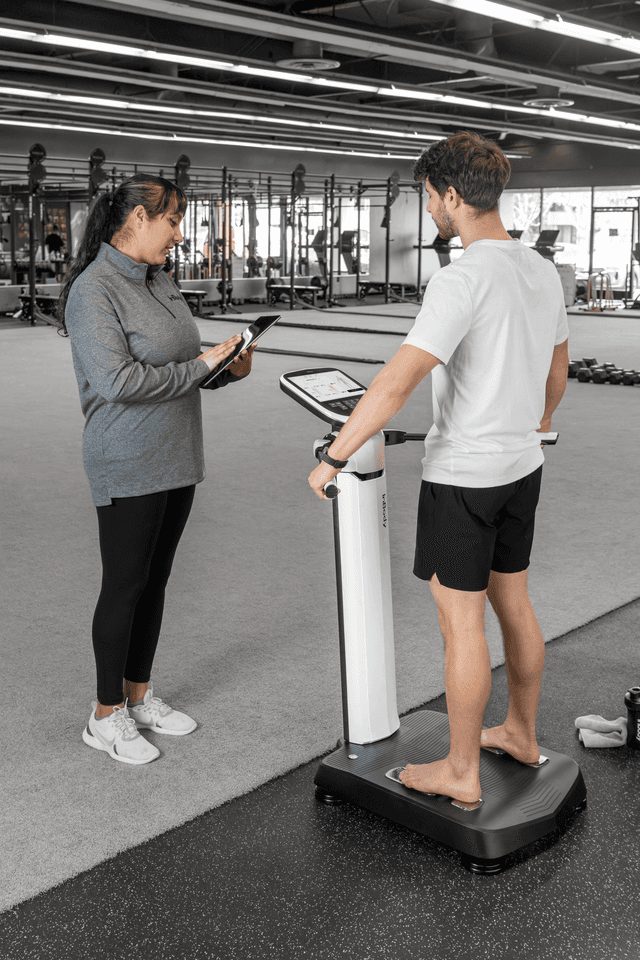
Advanced body composition tools provide more than just a number. They can show total body fat percentage, lean mass, muscle distribution, and sometimes visceral fat estimates.

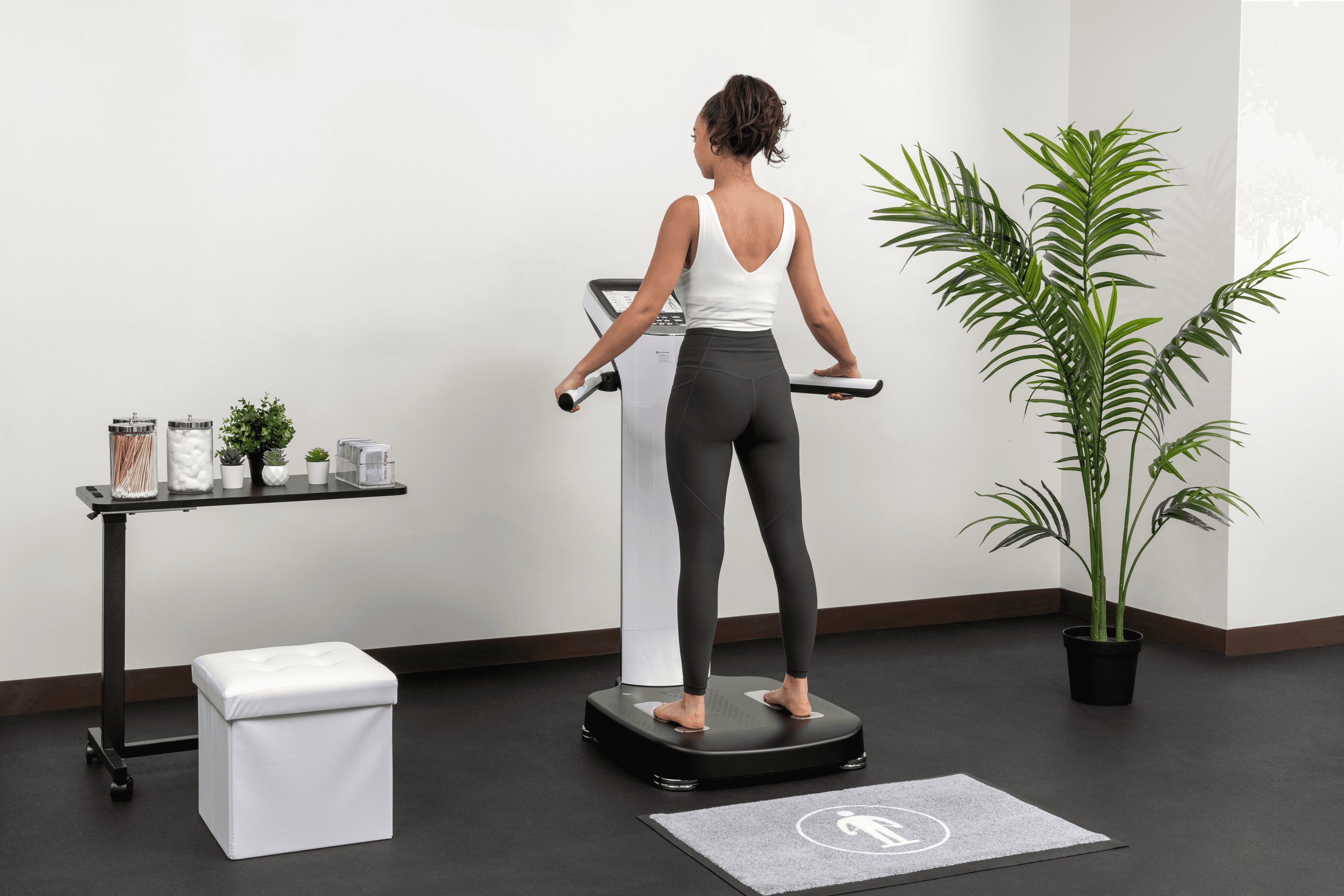
For best results, test under consistent conditions. Same time of day. Similar hydration. Ideally, before eating. Consistency matters more than chasing a perfect number.

Warning Signs You May Be Too Lean

You may think getting lean is great. However, when your body begins to push back against the changes you've made to get lean, it's time to listen to what your body is telling you.

When your body fat decreases, your ability to recover from a workout will also decrease, and the amount of stress on your body will increase. Look for the following warning signs:

  • Persistent fatigue regardless of rest

  • A decline in your strength or your gym performance, has stopped improving

  • An irritable mood, or low moods

  • Your sleep quality has decreased

  • You are getting sick more often than usual

  • Decreased libido

  • Irregular or missing menstrual cycles, for women.

These should not be considered minor issues. These are serious red flags that indicate your body fat may be too low for your current lifestyle. Simply increasing your caloric intake slightly and allowing your body fat to rise can help improve your energy levels, hormone production, and performance.

Should You Aim for 12% Body Fat?

It depends on why you want it.

12% may make sense if you compete in physique sports, need a strong power-to-weight ratio for performance, or can maintain stable energy, hormones, and overall health at that level.

But it is not a requirement for being fit or healthy.

If your priority is longevity, steady energy, strong training, and flexibility with food and social life, you may not need to be that lean. If you notice hormonal disruption or constant fatigue, it may not be right for you.

Body fat percentage is a tool to guide decisions, not a number everyone must chase.

Key Takeaways

  • 12% body fat is very lean and athletic for men who train regularly and recover well. Some people can sustain this level. Most cannot.

  • Women who have a body fat percentage of 12% are at a critical point where they may be below the threshold of the minimum amount of body fat required to sustain health and wellness.

  • Having visible abdominal muscles does not automatically equate to optimal health. There are many other factors that determine health, such as your energy levels, hormone balance, sleep quality, mood, and performance.

  • Gradual weight loss helps retain muscle mass and support hormone function.

  • Conversely, rapid weight loss significantly increases the likelihood of burnout and subsequent rebound weight gain.

  • Choose a reliable measurement method, use it consistently, and most importantly, select a goal that allows you to stay strong and healthy.

Bottom Line

Reaching 12% body fat takes planning, consistency, and honest self-assessment. For some people, it marks a high level of athleticism. For others, it may be leaner than necessary.

The real question is not whether you can reach 12%. It is whether you can maintain it while keeping your energy, hormones, training performance, and overall well-being intact.

Use reliable measurements, focus on gradual progress, and adjust based on how your body responds. A healthy physique is one you can sustain without sacrificing quality of life.

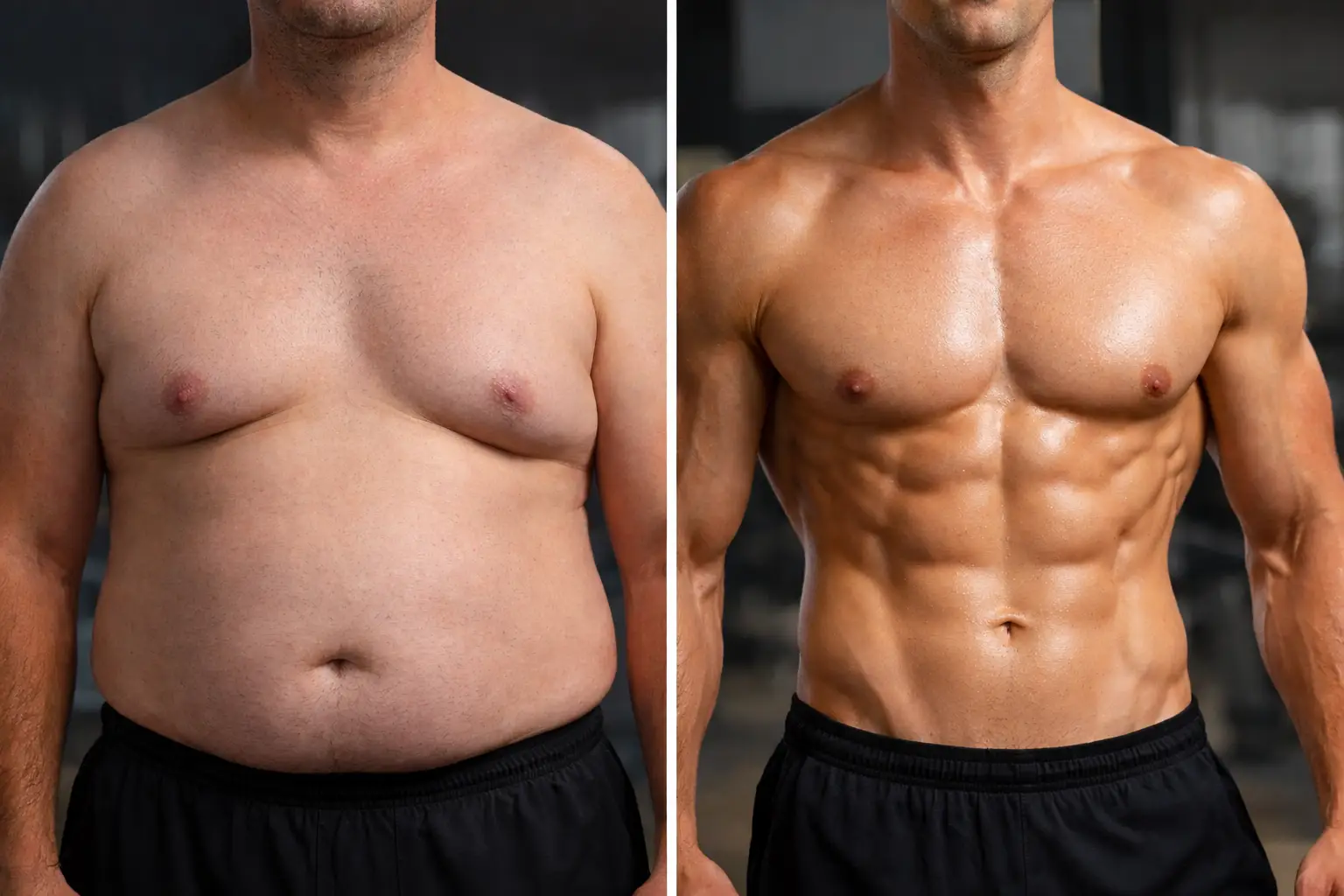
A side-by-side comparison of a man's torso showing a body transformation from overweight to muscular and shredded.

Health

Feb 19, 2026

How to Lose Chest Fat Effectively? Backed by Clinical Studies

Chest fat is one of the most common trouble spots for men (and sometimes women), and it can feel stubborn no matter how many push-ups you do.

Here's what science actually tells us: you can't spot-reduce fat from just your chest. But that doesn't mean you're stuck with it. With the right combination of diet, exercise, and lifestyle tweaks, you can reduce overall body fat and sculpt a leaner, more defined chest.

This guide will walk you through everything you need to know, from understanding why fat accumulates in your chest to actionable strategies that actually work.

Understanding Chest Fat: Causes and Types

Before you start tackling chest fat, it helps to understand what's going on beneath the surface. Chest fat doesn't show up randomly, it's influenced by genetics, hormones, lifestyle, and sometimes underlying health conditions. Knowing the root cause can help you choose the most effective approach.

Why Fat Accumulates in the Chest Area?

Your body stores fat in different places based on factors you can't fully control.

  • Genetics play a huge role, some people naturally store more fat in their chest, belly, or thighs.Some research suggests genetics can influence where the body tends to store fat. Genome-wide association studies have pinpointed over 460 genetic locations related to how and where your body stores fat, with some people naturally storing more in their chest, while others accumulate it in their belly or thighs.

  • Hormones are another major player. Higher levels of estrogen relative to testosterone can encourage fat storage in the chest, particularly in men. This hormonal imbalance might result from aging, obesity, certain medications, or health conditions.

  • Beyond that, lifestyle habits matter. A diet high in processed foods, sugar, and unhealthy fats can lead to overall weight gain, and your chest might be one of the places where that extra fat shows up.

  • Lack of physical activity compounds the issue, as your body burns fewer calories and loses muscle mass over time.

What Causes Chest Fat in Males?

For men specifically, chest fat often ties back to testosterone levels. As you age, testosterone naturally declines while estrogen can increase, especially if you're carrying excess body fat, since fat tissue can convert testosterone into estrogen. This creates a feedback loop: more fat leads to more estrogen, which encourages more fat storage in the chest.

Primary causes of male chest fat:

  • Obesity and being overweight are the most straightforward causes. When your calorie intake exceeds what you burn, your body stores the surplus as fat. The chest is a common depot, particularly if you're genetically predisposed to store fat there.

  • Alcohol consumption, especially heavy drinking, can also interfere with hormone balance and contribute to chest fat accumulation.

  • Certain medications, like steroids, anti-androgens, or treatments for prostate conditions, can affect hormone levels and lead to increased chest fat. If you've recently started a new medication and noticed changes, it's worth discussing with your doctor.

Chest Fat vs. Gynecomastia

An anatomical diagram comparing chest fat (soft adipose tissue) on the left with gynecomastia (firm glandular tissue) on the right, highlighting the difference between soft, uniform fat and a firm, distinct mass.

Not all chest enlargement is the same:

  • Chest fat is exactly what it sounds like: adipose tissue stored in the pectoral area. It's soft, and you can pinch it between your fingers.

  • Gynecomastia, on the other hand, is the development of actual glandular breast tissue in men. It feels firmer, sometimes rubbery, and is usually centered around the nipple.

Gynecomastia is caused by hormonal imbalances, often an excess of estrogen or a deficiency in testosterone. It can occur during puberty, in older age, or due to medications, health conditions (like liver or kidney disease), or substance use. Unlike chest fat, which responds to diet and exercise, gynecomastia often requires medical treatment or surgery to correct.

Approximately 65% of men between ages 50-80 experience gynecomastia, while 50-60% of adolescent boys develop it during puberty (though 75% of those cases resolve within two years). For adults with persistent gynecomastia, 25% of cases are idiopathic, meaning no specific cause can be identified.

Chest fullness can come from fat tissue, glandular tissue (gynecomastia), or a combination of both. Because it can be hard to tell the difference on your own, consider talking with a healthcare professional if you notice persistent changes, pain, a firm lump, or nipple discharge.

Feature

Chest Fat

Gynecomastia

Tissue type

Fat (adipose tissue)

Glandular breast tissue

Texture

Soft, squishy

Firm or rubbery

Pinch test

Easily pinched between fingers

Feels like a disc or lump under the nipple

Location

Spread across the chest

Usually centered behind the nipple

Main cause

Overall body fat gain

Hormonal imbalance (estrogen/testosterone)

Common triggers

Diet, inactivity, weight gain

Puberty, aging, medications, health conditions

Response to diet & exercise

Yes

Usually no

Need for medical treatment

No

Often yes

Typical solutions

Fat loss, strength training

Medical evaluation, hormone treatment, or surgery

How to Get Rid of Chest Fat: Evidence-Based Strategies

Now for the strategies that work. Remember, you can't target fat loss in just one area. But by reducing your overall body fat percentage through diet, exercise, and smart lifestyle choices, you'll eventually see results:

The Role of Diet in Reducing Chest Fat

A healthy meal spread featuring grilled chicken breast, avocado toast with feta, a bowl of mixed berries, asparagus, yogurt with almonds, and a glass of iced green tea with lemon.

You can't out-exercise a bad diet. If you're serious about losing chest fat, your eating habits need attention first. In general, fat loss occurs when energy intake is lower than energy expenditure over time. That typically involves an overall pattern where intake is lower than what the body uses.

But it's not just about calories. The quality of your food matters, too. Diets high in refined carbs and sugar can spike insulin levels, which encourages fat storage. Many people find that prioritizing minimally processed, nutrient-dense foods can support satiety and overall nutrition during weight loss. According to clinical studies on weight loss, this deficit should result in 0.5-1 kg of weight loss weekly.

Focus on:

  • Lean proteins (chicken breast, turkey, fish, tofu)

  • Vegetables (especially leafy greens and cruciferous veggies)

  • Whole grains (oats, brown rice, whole wheat)

  • Healthy fats (avocado, nuts, olive oil)

  • Fruits in moderation (berries are great for antioxidants)

  • Plenty of water (often overlooked but crucial)

Some people choose to reduce:

  • Sugary drinks and sodas (empty calories that spike insulin)

  • Processed snacks and fast food (high in trans fats and sodium)

  • Alcohol (it disrupts hormone balance and adds calories)

  • Refined carbs (white bread, pastries, sugary cereals)

  • Fried foods (loaded with unhealthy fats)

Consistency beats perfection. You don't need to eat perfectly 100% of the time, but your overall pattern should lean toward nutrient-rich, whole foods most days.

Effective Exercises to Target the Chest

A four-image collage of a man performing chest exercises in a gym, including barbell bench press, cable crossovers, push-ups, and dumbbell chest press.

Exercise is the second pillar. While you can't spot-reduce fat, you can build muscle in your chest to create a firmer, more defined appearance as you lose fat overall. A combination of strength training and cardio will give you the best results.

Strength Training Exercises for Chest Definition

Building your pectoral muscles won't directly burn the fat sitting on top, but it will improve the shape and appearance of your chest. Plus, muscle tissue burns more calories at rest than fat does, so increasing your muscle mass boosts your metabolism.

Here are some of the most effective chest exercises:

  • Push-ups: The classic. They work your entire chest, shoulders, and triceps.Different push-up variations can shift which muscles feel most challenged.

  • Bench press: A staple for building chest mass and strength. Bench press can be performed with different equipment and angles depending on experience and access.

  • Dumbbell flyes: Great for stretching and contracting the pectoral muscles. Go slow and controlled.

  • Dips: Targets the lower chest and triceps. Lean forward slightly to emphasize the chest.

  • Cable crossovers: Excellent for isolating the chest and achieving a good squeeze at the peak contraction.

Many programs include regular chest-focused strength work, and sets, reps, and load can be adjusted to goals, experience, and recovery. Don't neglect other muscle groups, balanced training supports overall fat loss and prevents injury.

Cardio Workouts for Overall Fat Reduction

Cardio can increase energy expenditure and support fat loss, especially when combined with nutrition and strength training. You don't need to run marathons, consistent, moderate-intensity cardio combined with some high-intensity intervals works well.

  • Steady-state cardio: Moderate-intensity activities like jogging, cycling, swimming, or brisk walking can support overall activity levels, and the amount can be adapted to your schedule and fitness level.

  • High-Intensity Interval Training (HIIT): Short bursts of intense effort followed by rest periods. HIIT can be a time-efficient way to increase effort, and some people experience a short-term increase in post-exercise energy expenditure. Think sprints, jump rope, or circuit training.

  • Incline walking: If high-impact exercise isn't your thing, walking on an incline is surprisingly effective for fat loss and easier on your joints.

The best cardio is the one you'll actually do. Pick something you enjoy, or mix it up to keep things interesting!

Lifestyle Changes That Support Chest Fat Loss

A three-panel collage of a man showing a healthy daily routine: jogging outdoors in the sun, sleeping soundly in a dark room with a crescent moon visible outside, and practicing seated meditation with his eyes closed.

Diet and exercise are critical, but your daily habits can either accelerate or sabotage your progress. Here are some lifestyle factors that often get overlooked:

  • Sleep: Poor sleep messes with hunger hormones (ghrelin and leptin), increases cravings, and lowers testosterone. Many health organizations recommend adequate sleep, and individual needs can vary.

  • Stress management: Chronic stress elevates cortisol, a hormone that promotes fat storage, especially around the midsection and chest. Some people find practices like meditation, breathing exercises, or yoga helpful for stress management

  • Limit alcohol: Alcohol is high in empty calories and can lower testosterone while raising estrogen. Cutting back can make a noticeable difference.

  • Stay hydrated: Water supports metabolism, helps control appetite, and keeps your workouts effective. Hydration needs vary with activity level, climate, and individual factors.

  • Be patient and consistent: Fat loss takes time, and chest fat might be one of the last areas to lean out. Sustainable progress often takes time, and consistency over weeks can matter more than day-to-day fluctuations. Track your progress with photos and measurements, not just the scale.

When to Consider Medical Evaluation?

Sometimes, chest fat isn't just about diet and exercise. If you've been following a solid plan for several months without seeing any improvement, or if your chest has a firm, glandular feel rather than soft fat, it's time to talk to a doctor.

As mentioned earlier, gynecomastia involves actual breast tissue growth and won't respond to lifestyle changes alone. A healthcare professional can evaluate symptoms and may recommend lab work based on your history and exam. Imbalances in any of these can contribute to chest fat or gynecomastia.

If gynecomastia is diagnosed, a clinician can discuss management options based on the cause and severity.

Don't ignore persistent or worsening chest enlargement, especially if it's accompanied by pain, nipple discharge, or lumps. While rare, these can be signs of more serious conditions that need prompt evaluation.

Key Takeaways

  • Spot-reducing chest fat is impossible, but you can lose chest fat by reducing overall body fat through a calorie deficit, proper nutrition, and consistent exercise.

  • Combine strength training exercises like push-ups, bench press, and dumbbell flyes with cardio workouts to build chest muscle and burn fat effectively.

  • Prioritize a diet rich in lean protein, healthy fats, and whole grains while avoiding sugary drinks, processed foods, and excess alcohol to support fat loss.

  • Lifestyle factors like getting 7-9 hours of sleep, managing stress, and staying hydrated play a crucial role in reducing chest fat and balancing hormones.

  • If chest enlargement feels firm rather than soft or doesn't improve after months of effort, consult a doctor to rule out gynecomastia or hormonal imbalances.

Bottom Line

Losing chest fat isn't about doing a hundred push-ups a day or cutting out all carbs. It's about creating a sustainable calorie deficit through smart eating, combining strength training with cardio, and supporting your efforts with healthy lifestyle habits. You can't spot-reduce fat, but you can reduce your overall body fat percentage, and eventually, your chest will follow.

Be patient with yourself. Results won't happen overnight, and chest fat is often one of the last areas to slim down. Track your progress with measurements and photos, not just the scale. If you want a more objective way to monitor body fat changes, tools like InBody scans can help you see shifts in fat mass and lean tissue over time.  

An elder couple sit on a rock overlooking a scenic beach.

Wellness

May 13, 2025

Healthspan vs. Lifespan: How to Really Get the Most Out of a Longer Life

There’s more to living a long, happy life than just the number of candles on your birthday cake — we also want to take into consideration the quality of those years. While the average national lifespan is increasing thanks to modern advances in technology and improved public health, it’s also important to consider how healthy and well we feel as we age and get into our golden years.

In this article, we’ll discuss the differences between healthspan vs. lifespan, plus explore some practical tips and tricks to help you not only live longer but also live better.

What Is Lifespan?

An older couple walk hand in hand across a city street.

“Lifespan” refers to the number of years a person lives. Lifespan has increased in the past few decades, thanks in part to improvements in healthcare like advancing medical practices, treatments for infections and illnesses, and surgical innovations. In fact, the United Nations estimated that the average global life expectancy in 2019 was 72.6 years, a huge increase from just 45.7 years in 1950. 

Interestingly, though, the United States has actually seen decreases in life expectancy over the past few years, with some researchers attributing this to declining rates of reduction in cardiovascular mortality

What Is Healthspan? 

“Healthspan,” meanwhile, refers to the number of years that a person lives in relatively good health — in other words, the years that they live free from serious illness or chronic diseases. It’s important to consider healthspan along with lifespan because it can be an important indicator of how long people can live independently, move freely, and just enjoy life without having to deal with the burden of long-term medical issues.

Why healthspan matters 

Even though lifespan has increased significantly, healthspan has not increased in the same way. Some researchers have estimated a 9-year gap between the average lifespan and average healthspan, and that people will spend an estimated 1/5th of their life dealing with a serious health issue. In other words, increasing your lifespan and living for a longer number of years does not, unfortunately, necessarily mean that those extra years will be healthy. 

So if you’re looking to improve your longevity, it’s more involved than just extending the number of years you live; it’s also about improving the quality of those years. For example, an 80-year-old who can walk, cook, and live independently has a better health span than an 80-year-old with limited mobility and who is struggling with chronic conditions like diabetes and arthritis.

Boosting Your Healthspan

Two seniors relax in chairs overlooking a picturesque lake.

Fortunately, there are plenty of evidence-based strategies that you can use to improve both your healthspan and your lifespan. 

Eat healthily 

Filling your diet with healthy, nutritious whole foods is a great first step for both maximizing your lifespan and improving your quality of life. A 2023 study suggested that following healthy longevity-associated diet patterns like eating more whole grains, nuts, and fruits, and minimizing consumption of sugar and processed meat was associated with an increased life expectancy of 10.8 -10.4 years.

Not only does a good diet support your metabolic health and manage your weight, but it can also reduce inflammation, all of which are important for long-term wellness and for protecting your body against chronic conditions that can occur later in life and impact your wellness. 

Exercise regularly 

Staying active can play a huge role in improving your lifespan. Benefits range from improved muscle strength, improved metabolism, fighting inflammation, and improving cardiovascular health — all of which can help support your body against common chronic health conditions associated with aging, like cardiovascular disease, diabetes, and sarcopenia. In addition, staying strong and building muscle can help improve your mobility and independence, both of which are important for your quality of life as you age. 

Handgrip: A Surprising Indicator of Longevity

A close up of a woman's hand gripping a free weight.

So how can you tell if you’re on the right track for healthy longevity? Besides regular doctor’s visits and health checks, handgrip strength (in other words, how hard you can squeeze something) is proving to be a surprisingly accurate predictor of longevity, strength, and overall health. 

  • One study found that weaker grip strength was correlated with an increased risk of death from cardiovascular causes, as well as an increased incidence of stroke. 

  • In adolescents, weaker grip strength was associated with insulin resistance and metabolic syndrome.

  • Grip strength is used as part of an algorithm that helps diagnose sarcopenia, or muscle wasting, which can be a serious indicator of life quality especially in older adults. 

  • Finally, a study found that poor grip strength was linked to higher mortality rates

 Because of this, testing your grip strength is a relatively simple, inexpensive, and accurate method for assessing your overall health. Handheld dynamometers like the InGrip can help you comfortably and accurately assess your grip strength and stay on top of your overall health as you age.

Quality Is Equally as Important as Quantity

While living a long life is the goal for many of us, it’s only half the battle. The real victory lies in making sure that you can spend those extra years feeling healthy, mobile, and fulfilled. Through smart nutrition, regular exercise, and paying attention to important health markers like grip strength, you can give yourself the best chance at a long and good life for years to come.

Get updates worth your time.

5,000,000+ users

Get updates worth
your time.

5,000,000+ users