Body fat percentage is one of the more informative health metrics available, yet it is also commonly misunderstood. At 25% body fat, you're in a range that means very different things depending on your sex, age, and goals. What these numbers mean in practice depends on a range of individual factors.
This article covers what 25% body fat means, how it looks, how it may affect health and performance, and how it can be measured accurately.
What Does 25% Body Fat Mean?
Body fat percentage is the proportion of your total body weight made up of fat mass. At 25% body fat, one quarter of your body weight is fat; the rest is lean mass, which includes muscle, bone, organs, and water.
25% body fat for men sits at the upper end of the "acceptable" range and borders on "overweight" by most classification systems. For women, 25% falls squarely in the "fitness" or "average" category, depending on the chart you reference. Age matters, too; what's considered normal shifts upward as we get older.
This number alone doesn't tell the whole story. Where your fat is stored (visceral vs. subcutaneous) often matters more than the total percentage.
Is 25% Body Fat Healthy?
For most women, yes, 25% body fat is within a healthy range. The American Council on Exercise classifies 25–31% as "average" for women and 18–24% as "fitness" level. For men, 25% falls into the “above average” range, where some health risk markers may begin to increase slightly.
The bigger concern isn't necessarily the number itself but what's driving it. High visceral fat, the kind that wraps around your organs, carries real metabolic risk regardless of your overall percentage. Two people at 25% body fat can have very different health profiles.
Blood pressure, blood sugar, cholesterol, and activity level all paint a more complete picture than body fat percentage alone.
What 25% Body Fat Looks Like
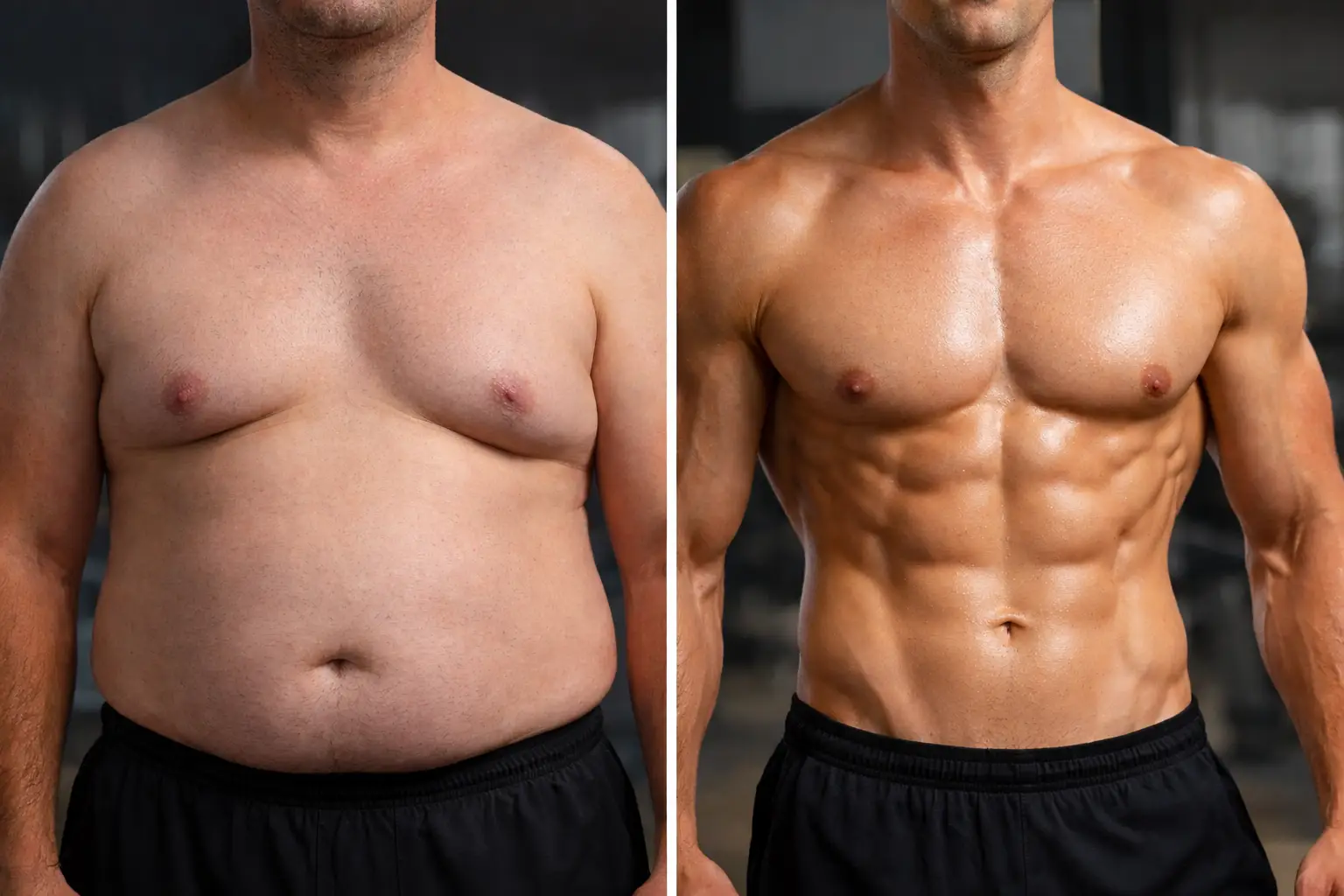
Visually, 25% body fat looks different on different frames. For men, it typically means a soft midsection with little visible muscle definition. The abs are not visible, and there's noticeable fat around the waist and lower back.
For women, 25% often looks quite lean. There's a defined shape, some muscle tone visible in the arms and legs, and modest fat coverage over the abdomen. Many women at this percentage would be considered athletic-looking by everyday standards.
Body composition also plays a role. A person carrying more muscle at 25% fat will look noticeably leaner than someone with less muscle at the same fat percentage.

How 25% Body Fat Affects Performance
Body fat percentage can have a meaningful impact on physical output. Carrying excess fat adds load without contributing to strength or power.
At 25% body fat, most people can still perform well in general fitness activities. But endurance tends to suffer more than strength. If you’re a recreational athlete, you may notice slower run times or reduced stamina compared to leaner counterparts.
For most non-competitive exercisers, 25% body fat is not generally considered a significant performance barrier. Strength building, cardiovascular fitness, and general physical activity remain accessible at this level.
Should You Reduce 25% Body Fat?
The answer depends heavily on your sex, goals, and current health markers.
For women, 25% is often within a reasonable range to maintain, particularly when other health markers such as bloodwork are within normal limits.
For men with health concerns or athletic goals, reducing by 15–20% may offer meaningful benefits.
Whether reducing body fat is worthwhile depends on whether the goal is health-related or aesthetic.
Both are valid considerations, though they typically involve different approaches and timelines.
Reducing body fat generally requires sustained effort. When current levels are not associated with health concerns, more moderate approaches are often more appropriate than aggressive caloric restriction.
How Body Fat Is Typically Reduced
Reducing body fat is generally associated with a combination of factors: a moderate calorie deficit, adequate protein intake, resistance training, and consistent cardio.
Calorie deficit: A deficit of 300–500 calories below daily maintenance is commonly recommended. More aggressive cuts may result in muscle loss alongside fat loss.
Protein: An intake of 0.7–1g per pound of bodyweight is commonly associated with lean mass preservation during a caloric deficit.
Resistance training: Training 3–4 days per week is commonly recommended to help preserve muscle mass during fat loss.
Cardio: Cardiovascular exercise can contribute to calorie expenditure without requiring further dietary restriction. Zone 2 cardio, performed at a conversational pace, is often considered a sustainable approach.
How to Measure Body Fat Accurately
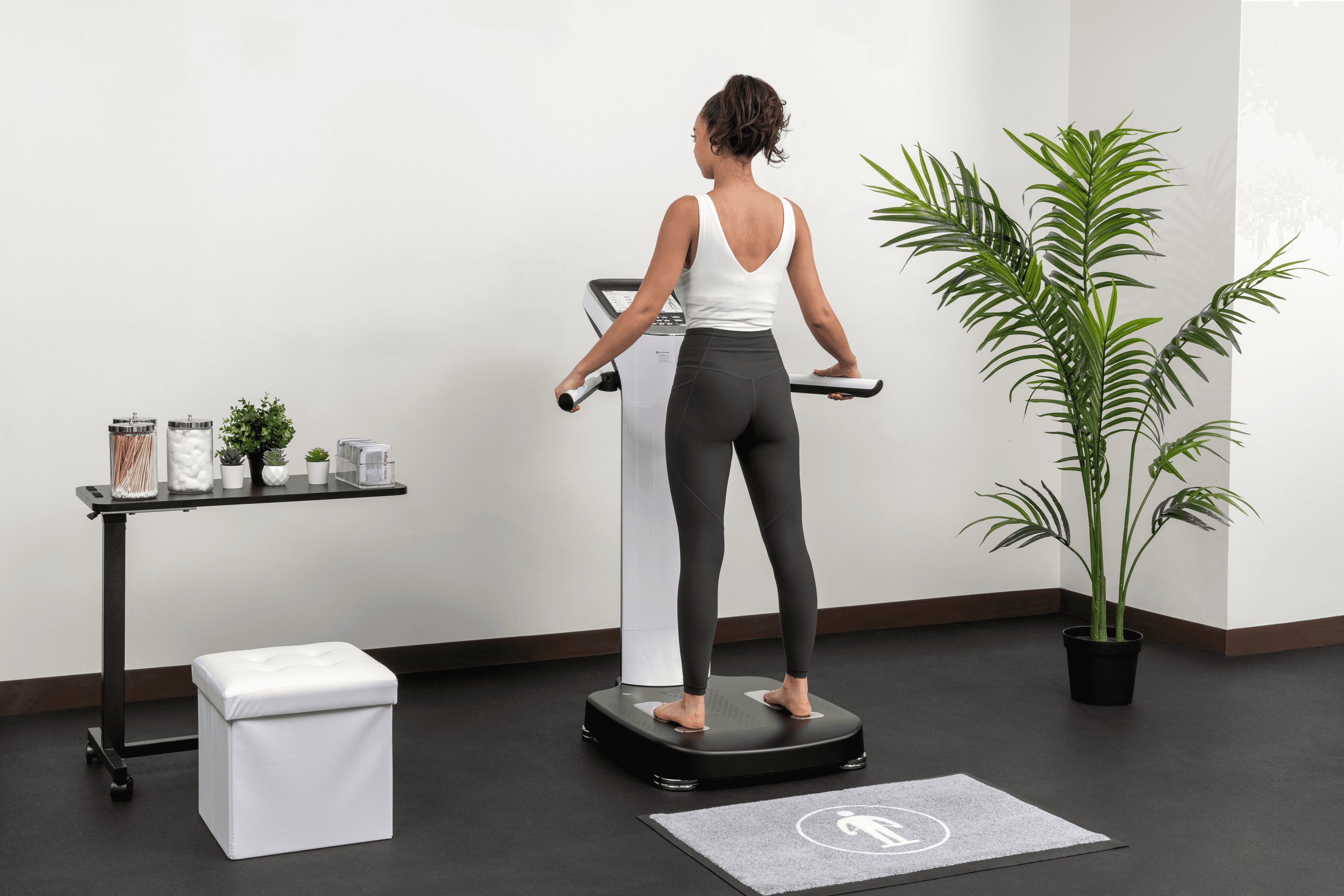
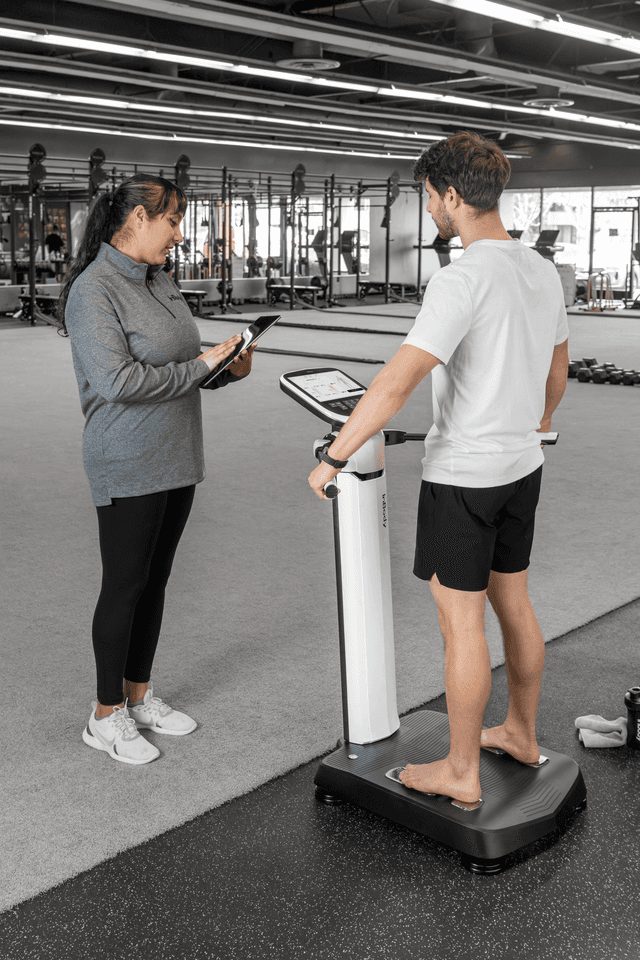
The most appropriate measurement method generally depends on budget, access, and the level of precision required.
Method | Accuracy | Cost | Best For | Key Advantage |
High (when consistent) | Free–$100 per scan | Tracking progress over time | Fast, non-invasive, and highly repeatable for monitoring trends | |
DEXA Scan | Very High | $50–$250 per scan | Establishing a precise baseline | Gold-standard detail, including bone density and fat distribution |
Skinfold Calipers | Moderate (operator-dependent) | $20–$50 per session | Frequent, budget-friendly tracking | Accessible and effective when performed consistently by the same technician |
Smart Scale Estimates | Low | One-time purchase | General awareness | Convenient, but often inconsistent and influenced by hydration |
Key Takeaways
25% body fat means one quarter of your total body weight is fat mass, the rest is muscle, bone, organs, and water.
For women, 25% falls within a healthy, normal range. For men, it sits at the upper end of acceptable and is worth monitoring.
Where fat is stored matters as much as the number itself. High visceral fat carries metabolic risk regardless of your overall percentage.
Two people at 25% body fat can look completely different depending on how much muscle mass they're carrying.
At this percentage, most people can still train, build strength, and live actively without meaningful limitation.
Reducing body fat comes down to four levers: a moderate calorie deficit, adequate protein, resistance training, and consistent cardio.
The most reliable ways to measure body fat are InBody scans, DEXA scans, and skinfold calipers. Smart scales are convenient but inconsistent.
Before chasing a lower number, ask whether it's driven by health or aesthetics. Both are valid, but they lead to different strategies.
Bottom Line
At 25% body fat, the picture varies by sex and individual health markers. For women, it's a healthy, normal range. For men, 25% body fat is a level where monitoring health markers and activity levels may be worth consideration.
Understanding body fat percentage in context, and measuring it accurately over time, can support more informed decisions about health and body composition.